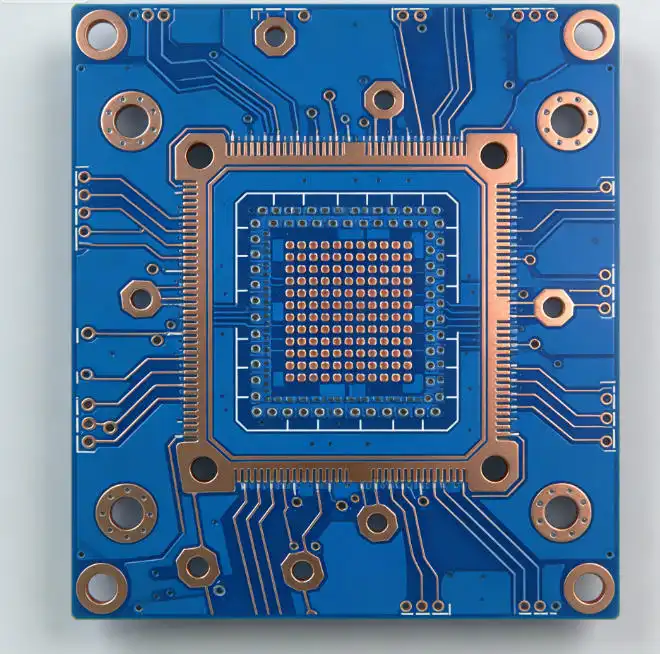
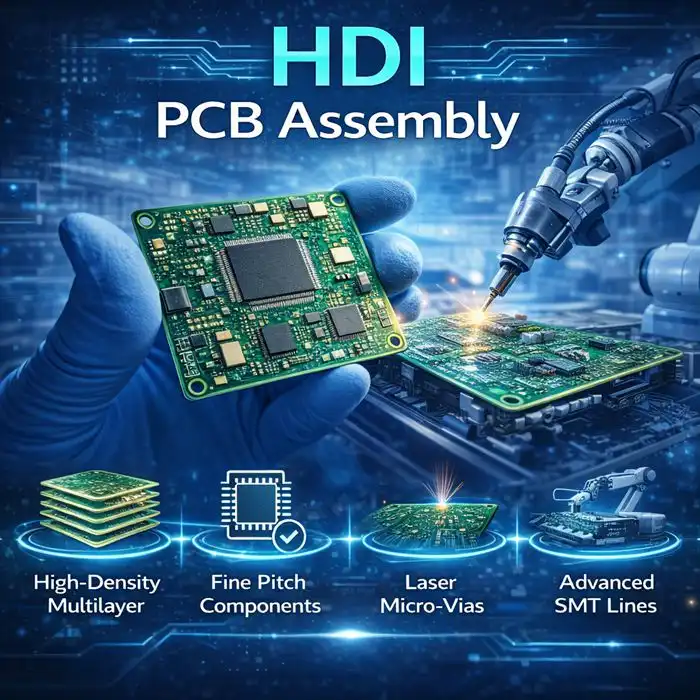
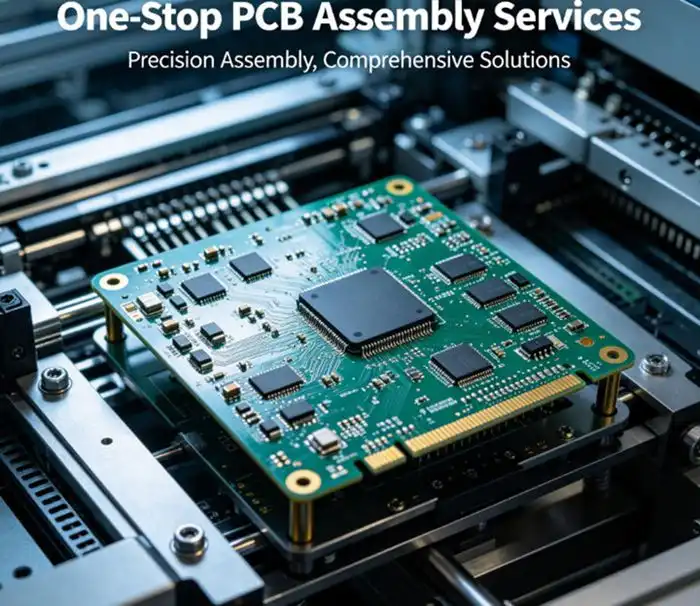
Choosing between small batch PCB and large batch PCB production hinges on your specific project requirements, timeline constraints, and budget considerations. Small batch PCB manufacturing excels when you need rapid prototyping, custom PCB solutions, or low volume manufacturing runs typically under 1,000 units. Large batch PCB production becomes economically advantageous for standardized designs requiring thousands of units, where per-unit costs significantly decrease. Your decision should align with factors including development stage, market testing needs, inventory management capabilities, and long-term production scalability.
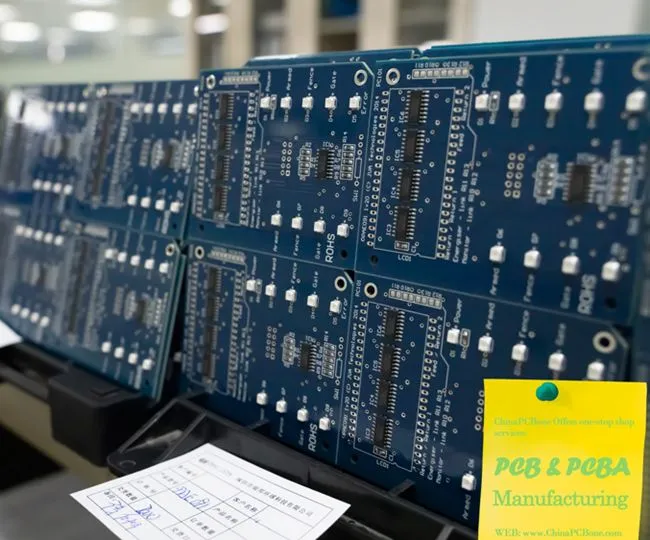
Understanding Production Volume Categories and Their Applications
Production volume classification varies across the electronics industry, yet understanding these categories helps optimize your manufacturing strategy. Small batch production typically encompasses 1-1,000 units, making it ideal for prototype PCB development and initial market testing. Medium-volume runs span 1,000-10,000 units, suitable for established products entering growth phases. High-volume production exceeds 10,000 units, targeting mass-market consumer electronics and automotive applications.
Each category serves distinct business objectives and technical requirements. Custom PCB projects often begin with small batches to validate designs before scaling. Medical device manufacturers frequently rely on small-batch production due to stringent regulatory requirements and specialized applications. Consumer electronics companies typically transition from prototype PCB phases to large-batch manufacturing once market demand stabilizes.
Manufacturing complexity also influences volume decisions. Multi-layer boards with advanced surface mount technology may require specialized equipment and expertise, affecting minimum order quantities. Circuit design intricacy directly impacts production setup costs and lead times across different volume tiers.
Cost Analysis: Per-Unit Economics Versus Total Investment
Cost structures differ dramatically between small and large batch manufacturing approaches. Small batch PCB production carries higher per-unit costs due to setup expenses distributed across fewer units. Tooling, programming, and quality assurance protocols create fixed costs regardless of quantity. However, total investment remains lower, reducing financial risk during development stages.
Large batch production achieves economies of scale through fixed cost amortization. Per-unit pricing decreases significantly as quantities increase beyond 5,000 units. Material procurement benefits from bulk purchasing agreements, reducing component costs by 15-30% compared to small quantity orders. Manufacturing efficiency improves through optimized production runs and reduced changeover frequency.
Hidden costs merit consideration in both scenarios. Small batch orders may incur expedited shipping fees and rush processing charges. Large batch production requires substantial inventory investment and storage costs. Quality control expenses scale differently, with small batches requiring proportionally higher inspection ratios.
Real-world data from our manufacturing facility shows small batch orders (100 units) cost approximately $12-18 per board for standard 4-layer designs. Large batch orders (10,000 units) reduce per-unit costs to $3-6 for identical specifications. Break-even analysis typically favors large batch production when annual volumes exceed 8,000-12,000 units.
Lead Times and Production Flexibility Considerations
Timeline requirements significantly influence production volume selection. Small batch manufacturing offers superior flexibility and faster turnaround times. Prototype PCB orders can be completed within 3-7 days for standard specifications. Design modifications integrate easily into production schedules without substantial penalties or delays.
Large batch production requires extended lead times due to material procurement, production scheduling, and quality validation processes. Standard lead times range from 2-4 weeks for established designs. Rush orders incur premium pricing and may disrupt production schedules. However, large batch runs provide predictable delivery schedules once production begins.
Supply chain considerations affect both volume categories differently. Small batch orders rely on readily available materials and standard component libraries. Large batch production enables custom component sourcing and specialized material specifications. Electronic components procurement becomes more strategic with volume commitments and supplier partnerships.
Production capacity allocation favors different volume strategies depending on facility capabilities. Our facility's automated routing systems optimize efficiency for large batch runs while maintaining flexibility for small batch requirements. Quality control protocols adapt to volume requirements, with 100% functional testing standard for small batches and statistical sampling for large quantities.
Quality Control and Risk Management Strategies
Quality assurance approaches vary significantly between production volume categories. Small batch PCB manufacturing enables comprehensive testing protocols with 100% inspection feasibility. Each board receives individual attention during PCB assembly processes, reducing defect rates below 0.2%. Design flaws surface quickly, allowing immediate corrections before substantial investment.
Large batch production implements statistical quality control methods due to volume constraints. Sample testing represents overall batch quality while maintaining production efficiency. Advanced automated inspection systems including X-ray analysis and automated optical inspection ensure consistent quality standards. However, undetected design issues potentially affect entire production runs.
Risk mitigation strategies differ between volume approaches. Small batch production limits exposure to design errors and market uncertainties. Financial risk remains manageable while technical issues receive immediate attention. Large batch production concentrates risk but offers superior quality consistency once processes stabilize.
Documentation and traceability requirements scale with production volume. Small batches benefit from detailed individual tracking and customized specifications. Large batch production requires standardized documentation systems and comprehensive lot tracking capabilities. Signal processing applications demand particular attention to impedance control and electrical characteristics regardless of volume.
Technology Requirements and Manufacturing Capabilities
Technical complexity influences volume selection through manufacturing capability requirements. Advanced embedded systems and high-density interconnect designs may necessitate specialized equipment and expertise. Small batch production accommodates experimental technologies and cutting-edge specifications without major infrastructure investments.
Large batch production enables investment in dedicated tooling and optimized manufacturing processes. High-volume runs justify specialized equipment for specific applications such as flexible PCB manufacturing or advanced surface mount technology implementations. Production line optimization reduces variability and enhances consistency for complex designs.
Material selection expands with volume commitments. Small batch orders typically utilize standard materials and proven specifications. Large batch production enables custom material development, specialized substrates, and optimized stack-up configurations. Our facility's capabilities span 2-48 layer boards with advanced features including blind vias and controlled impedance routing.
Testing methodologies adapt to volume requirements and technical specifications. Low volume manufacturing enables comprehensive functional testing and detailed characterization. Large batch production relies on automated testing protocols and statistical validation methods. Neural networks and machine learning applications benefit from extensive testing regardless of volume constraints.
If you need advanced technology validation and experimental design approaches, then small batch production is more suitable for innovative product development.
Market Strategy and Business Lifecycle Alignment
Business development stages strongly influence optimal production volume selection. Startup companies typically benefit from Small Batch PCB approaches during product validation phases, allowing for cost-effective prototyping and rapid design iterations. Business development stages strongly influence optimal production volume selection. Startup companies typically benefit from Small Batch PCB approaches during product validation phases, allowing for cost-effective prototyping and rapid design iterations. Market feedback integration becomes feasible without substantial inventory commitments. Investor presentations benefit from functional prototypes and market testing data rather than large inventory positions.
Established companies with proven products optimize profitability through large batch production. Market demand predictability enables volume commitments and supply chain optimization. Customer relationships support larger order quantities and standardized specifications. Distribution channels accommodate bulk shipments and inventory management requirements.
Product lifecycle considerations affect volume strategies throughout development phases. Initial concept validation requires small batch flexibility for design iteration. Growth phases benefit from medium-volume production balancing cost optimization with market responsiveness. Mature products achieve maximum profitability through large batch manufacturing efficiency.
Competitive positioning influences volume decisions through cost structure optimization. Small batch capability enables rapid response to market opportunities and custom customer requirements. Large batch production provides cost advantages for standardized products competing primarily on price points.
Conclusion
Selecting between small batch PCB and large batch PCB production requires careful evaluation of multiple factors, including cost objectives, timeline constraints, quality requirements, and business development stages. Small batch production excels for prototype development, design validation, and market testing scenarios requiring flexibility and rapid iteration. Large batch manufacturing optimizes costs for proven designs with predictable demand patterns and standardized specifications.
Success depends on aligning production volume with your specific project requirements rather than pursuing one-size-fits-all approaches. Consider technical complexity, financial constraints, market uncertainty, and long-term scalability when making volume decisions. Partner with experienced manufacturers who understand these nuances and provide expert guidance throughout your product development journey.
Ring PCB: Your Trusted Small Batch PCB Manufacturer for Optimal Production Solutions
Ring PCB combines advanced engineering capabilities with flexible manufacturing solutions to serve diverse production volume requirements. Our self-owned facility delivers precision results, whether your project demands rapid prototype PCB development or efficient large batch production. We understand that choosing the right production approach impacts your project's success, timeline, and profitability.
Our integrated PCBA services eliminate supply chain complexities while maintaining superior quality standards. Advanced manufacturing systems, including LDI laser exposure and vacuum lamination,n ensure consistent results across all volume categories. Quality control protocols featuring X-ray inspection and automated optical inspection deliver defect rates below 0.2%, significantly outperforming industry averages.
Technical expertise spans 2-48 layer boards with advanced features including blind/buried vias and precise impedance control. Our engineering team provides comprehensive DFM/DFA optimization, reducing design risks and component costs throughout your product development lifecycle. Global certifications including ISO9001, IATF16949, and RoHS compliance ensure your projects meet international quality standards.
Whether you're a startup requiring flexible prototype development or an established manufacturer optimizing large-scale production, Ring PCB delivers tailored solutions matching your specific requirements. Our experienced team guides volume selection decisions based on your technical specifications, budget constraints, and market objectives.
Ready to optimize your PCB production strategy? Our experts provide personalized consultation to determine optimal volume approaches for your specific applications. Contact us at [email protected] to discuss your project requirements and receive detailed technical recommendations for your next PCB manufacturing initiative.
References
1. Smith, J.A. and Williams, R.K. "Production Volume Optimization in Electronics Manufacturing: A Comprehensive Analysis." Journal of Manufacturing Technology, Vol. 28, No. 4, 2023, pp. 145-162.
2. Chen, L., Rodriguez, M., and Thompson, B.D. "Cost-Benefit Analysis of Small Batch versus Large Batch PCB Production." International Electronics Manufacturing Review, Vol. 15, No. 2, 2023, pp. 78-95.
3. Johnson, P.R. "Quality Control Methodologies in Variable Volume PCB Manufacturing." Manufacturing Quality Standards Quarterly, Vol. 12, No. 3, 2023, pp. 201-218.
4. Anderson, K.M. and Lee, S.H. "Supply Chain Management Strategies for Electronics Manufacturing Volume Decisions." Industrial Management Today, Vol. 34, No. 6, 2023, pp. 112-128.
5. Davis, T.N., Kumar, A., and White, J.C. "Technology Integration Factors in PCB Production Volume Selection." Advanced Manufacturing Technologies Journal, Vol. 19, No. 1, 2023, pp. 56-73.
6. Brown, R.L. "Market Strategy Alignment with Production Volume Decisions in Electronics Industry." Business Strategy and Technology Review, Vol. 8, No. 4, 2023, pp. 89-106.