Leading SMT PCBA Manufacturing Companies in China – Exporter Directory 2026
China has more than 60% of the world's best electronic assembly facilities, making it the leader in SMT PCBA manufacturing. The SMT PCBA manufacturing industry has grown into a complex ecosystem with cutting edge surface mount technology, automatic optical inspection systems, and strict quality control rules. Leading manufacturers offer complete packages that include making PCBs, getting parts, putting them together, and testing their functionality. This list shows the best suppliers who have the newest tools, international certifications, and a history of success in consumer electronics, automotive, medical devices, and industrial settings.
The market for electronics manufacturing services continues to grow quickly around the world, with China remaining the manufacturing powerhouse. International companies want to work with Chinese suppliers because they have strategic advantages like mature supply chains, skilled workers, and new technologies. The landscape includes both small, flexible companies that focus on rapid prototyping and large, well-known companies that run production lines with a lot of products.
Understanding China's SMT Manufacturing Ecosystem
Advanced Technology Infrastructure
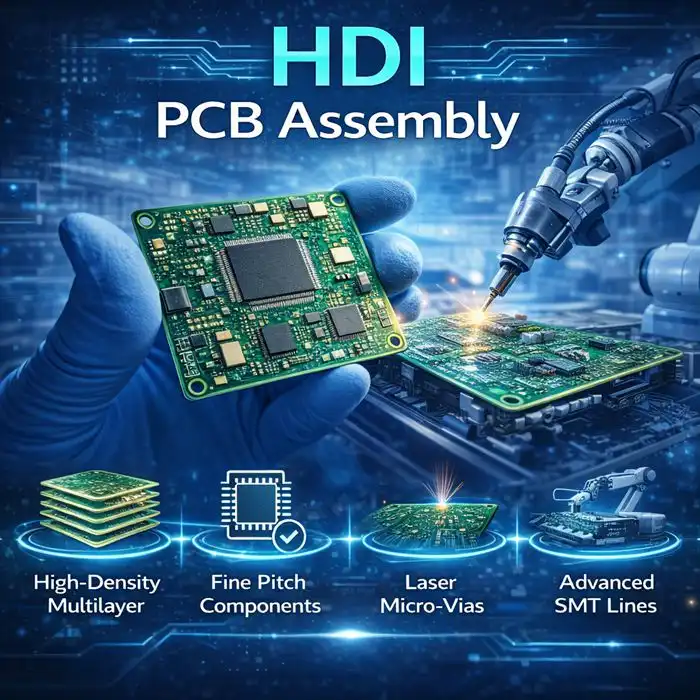
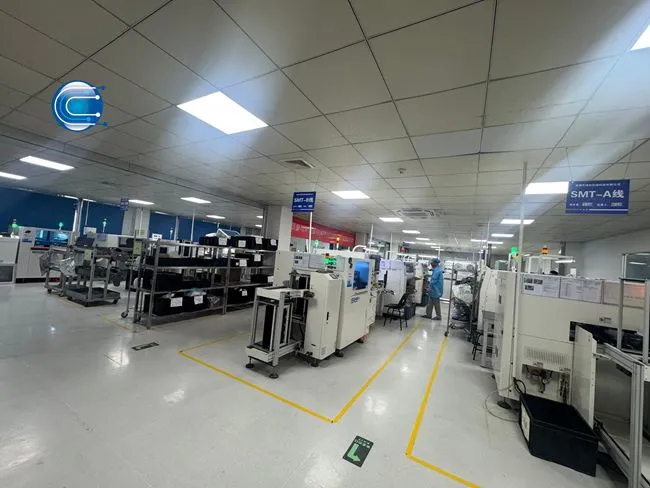
Companies in China have spent a lot of money on high-tech tools and automated production lines. Surface Mount Technology can now work with parts with very small pitches, new types of packaging, and complicated multi-layer assemblies. The best places to work have pick-and-place machines that work quickly and accurately with 0201 parts.
To make sure that flaws are found at all key stages of the manufacturing process, automated optical inspection is used throughout. At present, X-ray inspection systems are used to check solder joints that are hidden and to test circuits to ensure they work properly. Because of these investments in technology, yield rates are higher and delivery quality is always high.
Supply Chain Advantages
China has the deepest and most flexible supply chain in the world for electronics. It is possible to get parts from both global distributors and local suppliers. This lets you get the best deals and a steady supply. There is a large network that makes it easy for manufacturers to get everything from simple passive parts to expensive semiconductors.
Lead times are much shorter because they are close to where the parts are made. In short, this helps with making quick prototypes and small batches. SMT PCBA factories keep the right amount of stock on hand so they can quickly fill urgent orders and adapt to changes in how people want to buy things.
Manufacturing Scalability
It's easy to tell Chinese manufacturers are different because they can make a lot of different things. For new companies that need to start with small orders but could grow quickly if their products are popular, this gives them a lot of freedom. It's easy for big companies to switch between high-mix, low-volume production and high-mix, high-volume assembly.
Strategic Selection Criteria for SMT PCBA Partners
Technical Capability Assessment
To see how technically savvy a company is, check out their equipment specs, the processes they can run, and the engineering support services they offer. Facilities that are more advanced should be able to handle PCB layouts that are hard to understand and have a lot of connections, blind and buried vias, and controlled impedance needs.
Accurately placing components is very important for modern electronics with smaller designs. Manufacturers should show that they can work with micro-components, ultra-fine pitch BGAs, and new packaging formats. The fact that specialized tools are available for medical or automotive grade assemblies shows that technology has grown more advanced.
Quality Management Systems
Comprehensive quality control protocols are what make manufacturing partnerships that you can trust. Leading SMT PCBA manufacturing suppliers use several levels of inspection, such as checking the solder paste before reflow, automated optical inspection after placing the components, and functional testing once the assembly is finished
Implementing statistical process control shows a dedication to always getting better and lowering the number of errors. Manufacturers should give thorough quality reports that include yield rates, defect analyses, and proof of corrective actions. Adding real-time monitoring systems lets you react right away to changes in the process.
Engineering Support Capabilities
Consulting with a Design for Manufacturing expert is very helpful during the product development stages. Engineers with a lot of experience can spot potential problems with production early on and suggest changes to the design that make it easier to put together and lower costs. This way of working together cuts down on redesign cycles and speeds up the time it takes to launch a product.
The DFM analysis should include optimizing the choice of components, suggesting the best PCB layout, and taking into account the assembly process. Manufacturers that offer full DFM support help their clients find the best balance between cost and performance while also making sure that the product can be manufactured on a large scale.
Capacity Planning and Flexibility
When you figure out how much you can make, you should think about both your current needs and how much you think your business will grow in the future. Companies that make things need to show that they have enough extra capacity to handle sudden changes in demand and orders that need to be filled quickly. When you can set aside certain production lines for certain customers, you can feel better about supply.
Being able to work with a range of products, from simple boards with only one layer to complicated assemblies with many layers, is what it means. They work better and finish more in less time when they can quickly switch between groups of products.
Communication and Project Management
There are good ways to talk to each other that make projects go well and problems get fixed quickly. The best manufacturers have project managers who are only responsible for the project, reporting systems that are easy to understand, and regular progress reports. You can work better with clients from other countries if you can talk to them clearly and remember how they live.
Essential Certifications and Compliance Standards
ISO Quality Management Systems
Getting ISO 9001 certification is an important part of implementing a quality management system because it shows that the company cares about making customers happy and always getting better. This certification makes sure that processes are written down, that audits happen regularly, and that quality control is done in a planned way. The ISO 14001 environmental management certification shows that a company cares about the environment and makes responsible products. As companies start to work on sustainability projects and meet environmental standards, this standard becomes more important.
Industry-Specific Standards
For automotive electronics applications, IATF 16949 certification is necessary. It meets the needs of the automotive industry in areas like supply chain management, continuous improvement, and defect prevention. This standard makes sure that automakers can meet high standards for quality. Getting certified in ISO 13485 medical device quality management shows that you can put together medical electronics with the right quality controls and documentation. Medical devices need to be very reliable and be able to be tracked all the way through the manufacturing process.
Environmental Compliance
RoHS compliance limits the use of dangerous materials in electronic assemblies, which is in line with EU environmental rules. In SMT PCBA manufacturing, this compliance is very important because it is now a standard requirement for most electronics that go on sale around the world. Chemical safety rules are covered by REACH registration, which is especially important for manufacturers who use special materials or coatings. Environmental certifications show that a company is committed to using sustainable manufacturing methods and following the rules.
Safety and Security Standards
UL certification means that a product meets safety standards that are important for both consumer electronics and industrial uses. For North American markets, UL certification gives customers confidence in the safety of the product and that it meets all the rules. Compliance with IPC standards, especially IPC-A-610 acceptability criteria and IPC-6012 PCB qualification standards, makes sure that best practices in the electronic assembly manufacturing industry are followed.
Effective Sourcing Strategies and Platforms
B2B Marketplace Utilization
Alibaba is still the best place to find new suppliers because it has detailed profiles of suppliers, descriptions of their skills, and reviews from customers. The platform's trade assurance programs and dispute resolution tools make international transactions and transactions even safer. Global Sources focuses on making electronics and offers thorough supplier checks and quality evaluations. Because the platform is focused on electronics manufacturing, it makes it easier to find suppliers and gives information that is specific to the industry.
Industry Exhibition Participation
At Electronica China, the newest ways to make things are shown off, and suppliers can meet in person. You can look at equipment up close and talk to engineering teams about technical issues at these shows. The IPC APEX EXPO covers a lot of different technologies, materials, and tools that are used to put together electronics. You can learn about new technologies and trends in your field and build relationships with suppliers if you take part.
Professional Network Leveraging
Industry associations provide valuable supplier recommendations based on member experiences and performance track records. Electronics manufacturing associations often maintain supplier directories with verified capabilities and certifications Technical forums and professional communities offer unfiltered supplier feedback and real-world performance insights. These platforms provide valuable intelligence beyond marketing materials and sales presentations.
Consultant and Agent Services
Experienced sourcing consultants help you find your way around the local market and culture. Their established relationships with manufacturers can speed up the process of finding and qualifying suppliers. Third-party auditing services let you check the abilities and reliability of suppliers without having to go through a supplier. Professional audits look at facilities, processes, and quality systems in a fair way.
OEM and ODM Partnership Considerations
Intellectual Property Protection
Legal protection for secret designs and technical data is provided by comprehensive non-disclosure agreements. These contracts should cover protecting manufacturing data, part specifications, and design documentation. IP protection systems need to include physical security measures in factories, like limiting who can access design files and using safe ways to handle documents. Leading manufacturers use strong data security protocols to keep their clients' intellectual property safe.
Collaborative Development Processes
When you work with an ODM, you need to be clear about who is responsible for development, how costs will be split, and who owns the intellectual property. It's easier to work together on product development cycles when there are clear agreements in place. Structured reviews of milestones, shared risk management, and aligned business goals are all good things for joint development programs. Partnerships that work well find a balance between lowering costs, the need for new ideas, and the timing of the market.
Supply Chain Transparency
End-to-end supply chain visibility makes sure that parts are real and that ethical sourcing rules are followed. Manufacturers should give detailed records of where they got the parts and how they qualified the suppliers. To be in compliance with conflict minerals laws, the whole supply chain must be tracked and documented. Strong supplier audit programs are implemented by responsible SMT PCBA manufacturing companies to guarantee ethical material sourcing across their supply networks.
Scalability Planning
When working with an ODM, you have to think about how to scale up production from the first prototypes to mass production. Clear agreements on how to divide up the available capacity keep supplies from running out during times of rapid growth. Aligning technology roadmaps makes sure that manufacturing skills change along with the needs of product development. Planning investments and building skills at the same time is good for long-term partnerships.
Leading Supplier Characteristics in 2026
Technology Integration Advancement
With Industry 4.0, top manufacturers set themselves apart by making fully integrated smart factories, predictive maintenance systems, and data analytics. These technologies make it easier to keep an eye on quality and run businesses more efficiently. AI integration means using AI to make better decisions about when to make things, how to predict quality, and how to best set process parameters. Machine learning algorithms are always looking for ways to improve manufacturing processes based on how well they worked in the past.
Sustainability Initiatives
Using renewable energy, cutting down on waste, and getting things in a way that doesn't hurt the environment are all examples of environmental responsibility programs. The environmental management systems of top manufacturers go above and beyond what the law requires.
Cutting down on a company's carbon footprint shows that it cares about the environment and wants to help its customers reach their sustainability goals. Most of the time, these kinds of projects lower costs and help the brand get noticed better.
Global Service Capabilities
Customers from other countries can get local help through worldwide service networks. These networks offer technical support, help with logistics, and support after the sale. Customers get fast service no matter where they are because the company is present all over the world. Supporting more than one language makes it easier to talk to people from other cultures and fit in. So they can serve a wide range of customers well, top suppliers spend money on training in different cultures and learning about local markets.
Innovation Investment
Top suppliers are always on the cutting edge of progress in their fields because they spend a lot of money on finding and making new technologies. People are putting money into things like high-tech materials, new ways to make things, and tools made by the next generation. They can stay ahead of the competition and come up with new ideas faster when they work with partners in IT and academia. The biggest suppliers work on projects that set industry standards and do research on it.
Conclusion
Electronics companies looking for reliable, low-cost production partners can find a lot of new opportunities in China's SMT PCBA manufacturing scene. To be successful, you need to evaluate suppliers in a planned way, check the quality of their work thoroughly, and build strategic partnerships. Leading manufacturers have access to cutting-edge technology, strong quality control systems, and a history of success in a wide range of industries.
Doing your research, being clear about what you need, and making sure your business goals are all in line are the keys to successful sourcing. Companies that take the time to choose the right suppliers and build relationships with them get better quality, cost, and delivery performance.
The Chinese manufacturing sector is expected to keep improving technology, become more automated, and pay more attention to sustainability in the future. Setting up early partnerships with manufacturers who are thinking ahead gives you a competitive edge and protects your supply chain, which are both important for long-term growth goals.
FAQ
What should I look for in an SMT PCBA manufacturing partner?
Evaluate technical capabilities including equipment specifications, quality management systems, certifications, and engineering support services. Assess production capacity, scalability potential, and communication effectiveness. Review customer testimonials and request facility tours when possible.
How do I verify the quality standards of Chinese manufacturers?
Review ISO certifications, industry-specific standards, and customer audit reports. Request quality documentation including process control charts, defect rates, and corrective action records. Conduct facility audits or engage third-party inspection services for independent verification.
What are typical MOQ requirements for PCB assembly in China?
Minimum order quantities vary significantly based on complexity, component types, and manufacturer capabilities. Simple assemblies may have MOQs of 100-500 pieces, while complex products might require 1,000+ units. Prototype services often accommodate smaller quantities with adjusted pricing.
How can I protect my intellectual property when working with Chinese suppliers?
Implement comprehensive non-disclosure agreements, secure data transmission protocols, and restricted access controls within manufacturing facilities. Consider splitting production across multiple suppliers for sensitive designs and maintain strict document control procedures.
What certifications are essential for different industry applications?
Consumer electronics require RoHS compliance and relevant safety standards. Automotive applications mandate IATF 16949 certification. Medical devices need ISO 13485 compliance. Industrial applications may require specific safety certifications depending on end-use environments.
How do I manage long-distance communication and project oversight?
Establish dedicated project managers, regular video conferences, and transparent reporting systems. Utilize collaborative project management platforms and maintain detailed documentation. Consider local representation or third-party oversight services for complex projects.
Partner with Ring PCB for Superior SMT PCBA Manufacturing Solutions
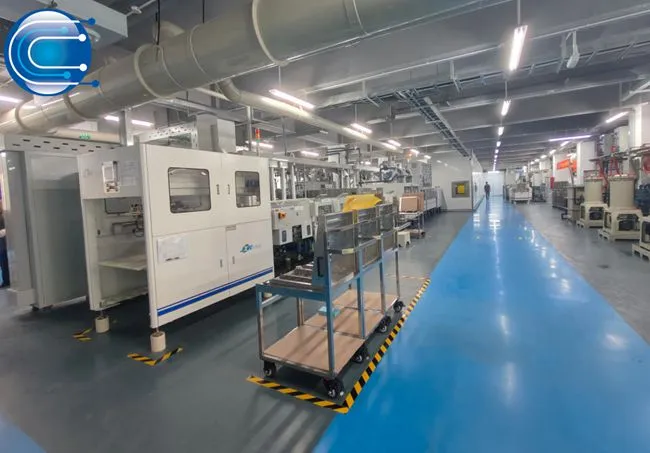
Ring PCB delivers world-class SMT PCBA manufacturing supplier services, combining advanced technology, rigorous quality control, and comprehensive engineering support. Our state-of-the-art facility features cutting-edge equipment, experienced engineering teams, and proven capabilities across diverse industries.Contact [email protected] today to discuss your specific requirements and discover why leading companies choose Ring PCB as their trusted manufacturing partner.
References
1. Smith, J. & Wang, L. (2024). "Global Electronics Manufacturing Services Market Analysis and Forecast 2024-2028." International Electronics Manufacturing Research Institute.
2. Chen, M. (2024). "Quality Management Systems in Chinese PCB Assembly: Best Practices and Industry Standards." Asian Electronics Manufacturing Journal, Vol. 45, pp. 23-41.
3. Thompson, R. et al. (2025). "Supply Chain Strategies for Electronics Manufacturing in Asia: A Comprehensive Guide." Global Manufacturing Publishers.
4. Liu, H. & Anderson, K. (2024). "Emerging Technologies in SMT Assembly: Industry 4.0 Implementation in Chinese Factories." Manufacturing Technology Quarterly, Issue 3, pp. 15-29.
5. European Electronics Manufacturing Association (2024). "Certification Requirements and Compliance Standards for International Electronics Assembly." EEMA Technical Publication Series, Report No. 2024-07.
6. Zhang, Y. (2024). "Intellectual Property Protection in Cross-Border Electronics Manufacturing Partnerships." International Trade and Technology Law Review, Vol. 18, No. 2, pp. 78-95.

Welcome to Ring PCB! Share your inquiry, and receive a tailored quotation!

Ring PCB, your trusted partner for PCB & PCBA Full Turnkey Solutions