Outsourcing PCB Fabrication Only vs. Full Turnkey: Pros & Cons
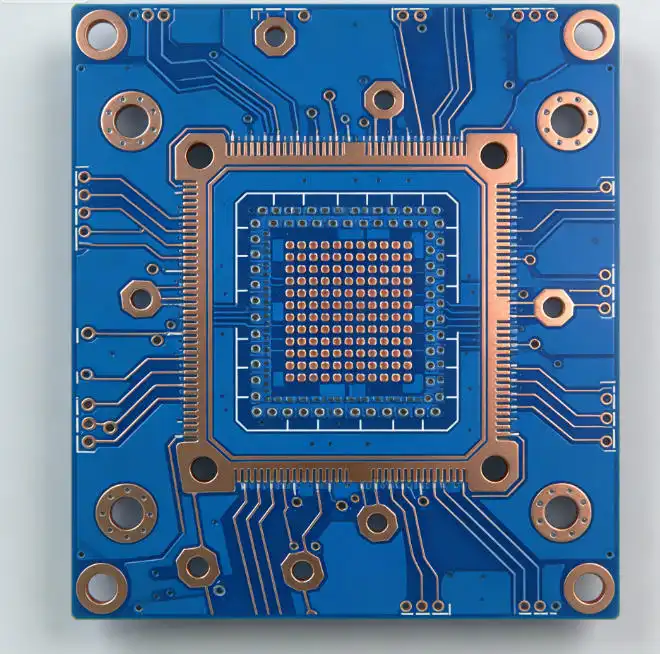
Manufacturers have to make a tough choice between PCB fabrication-only services and full turnkey PCB assembly. This choice affects cost, timeline, and quality control. Fabrication-only means outsourcing only the production of the bare board, while finding and putting together the parts is done in-house. Full turnkey PCB assembly includes making the board, getting the parts, using surface mount technology, and testing it all in one place. Depending on the needs, size, and internal capabilities of your project, each approach has its own benefits.
Understanding the Core Differences Between Service Models
The electronics manufacturing landscape presents two primary outsourcing approaches for PCB projects. Fabrication-only services focus exclusively on bare board production, leaving component sourcing and assembly responsibilities with the client. This model appeals to companies with established supply chain management systems and internal assembly capabilities.
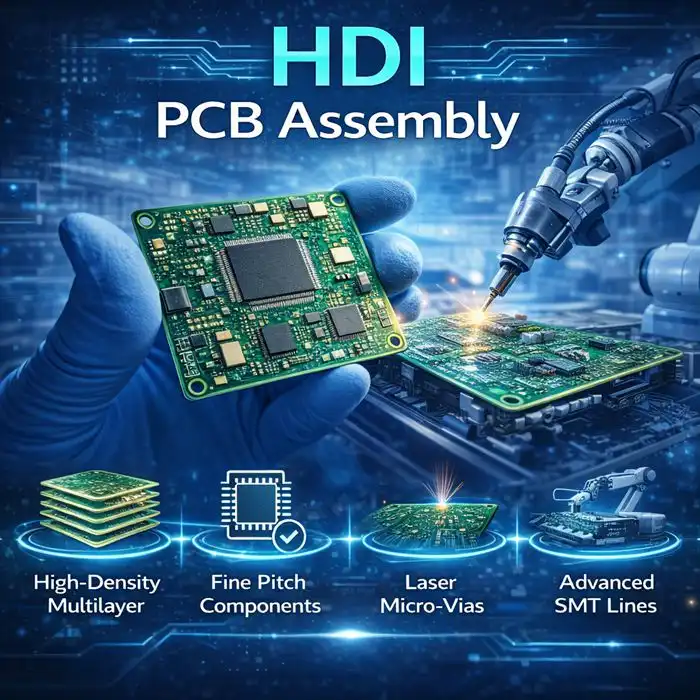
Full turnkey PCB assembly solutions integrate every aspect of PCB production under a single provider. This comprehensive approach includes design for manufacturability consultation, component sourcing, soldering process optimization, and quality control measures. The turnkey solution streamlines the entire production workflow from initial design files to finished, tested assemblies.
Three core differences distinguish these models:
- Responsibility scope - Fabrication covers board production while turnkey manages the complete process
- Supply chain control - Clients handle component procurement in fabrication-only versus supplier management in turnkey
- Quality assurance points - Multiple handoffs in fabrication versus integrated quality control in turnkey services
If you need rapid prototype assembly with minimal internal resources, then full turnkey services provide better efficiency and reduced management overhead.
PCB Fabrication-Only Services: Advantages and Limitations
PCB fabrication services excel in specific scenarios where clients maintain strong internal capabilities. Cost transparency represents a significant advantage, as clients receive detailed pricing for board production without markup on components. This approach offers maximum flexibility in component selection and vendor relationships.
Quality control remains entirely within client oversight, enabling direct supplier relationships and custom testing protocols. Companies with existing automated optical inspection systems and established assembly lines often prefer this model. Lead time optimization becomes possible when clients maintain component inventory and can coordinate delivery schedules independently.
However, fabrication-only services require substantial internal expertise. Supply chain management becomes a client responsibility, demanding dedicated purchasing staff and vendor relationship management. Component sourcing challenges multiply during shortage periods, potentially extending project timelines beyond initial estimates.
Coordination complexity increases significantly across multiple suppliers. Quality issues require investigation across fabrication and assembly vendors, complicating root cause analysis. Through-hole technology and SMT assembly expertise must exist internally or through separate partnerships. If you need maximum control over component selection and possess strong internal supply chain capabilities, then fabrication-only services offer superior flexibility and cost transparency.
Full Turnkey PCB Assembly: Comprehensive Solution Benefits
Turnkey solutions take care of the whole project, from the design files to the finished assemblies. This all-encompassing method gets rid of the problems that come up when working with multiple vendors and makes sure that quality and delivery are handled by a single person. The supplier is now in charge of finding the parts, so they can use their buying power and vendor relationships to their advantage.
Design for manufacturability optimization happens early on in the process, which lowers the chance of problems during assembly and raises the yield. Firmware programming, BGA assembly, and specialized surface mount technology skills are usually better than what most companies have on staff. Final product testing protocols make sure that all parts are assembled correctly before they are sent out.
Integrated quality systems show these benefits in full turnkey PCB assembly services. Their own facility handles every step of the production process, from getting the raw materials to testing the final product. Because of this vertical integration, quality control measures are better than the norm in the industry. For example, defect rates are less than 0.2%, while the norm in the industry is 1%.
As part of their technical skills, they can work with complicated multi-layer boards that have blind and buried vias. Their automated optical inspection systems and X-ray testing tools make sure that parts are placed correctly in all kinds of packages. The engineering team helps with DFM and DFT and looks for problems before production starts. Turnkey solutions are the fastest way to go from idea to production if you need to get into the market quickly but don't have a lot of engineering staff on staff.
Cost Analysis: Comparing Financial Implications
Cost structures differ significantly between fabrication-only and turnkey approaches. Fabrication services typically offer lower upfront costs for the full turnkey PCB assembly manufacturing portion, with clients managing component procurement independently. This transparency enables direct cost control but requires internal purchasing expertise.
Component markup in turnkey services reflects supplier overhead and margin requirements. However, turnkey providers often secure better component pricing through volume purchasing power. Small-batch orders particularly benefit from shared inventory and reduced minimum order quantities.
Hidden costs in fabrication-only approaches include:
- Internal procurement staff time and overhead
- Inventory carrying costs for components
- Coordination delays between multiple suppliers
- Quality control infrastructure and testing equipment
- Assembly line setup and process optimization
Turnkey pricing includes these services within the overall quote, providing clearer budget predictability. Lead time optimization through integrated scheduling often reduces total project costs despite higher per-unit pricing.
Volume considerations significantly impact cost effectiveness. High-volume production may favor fabrication-only approaches where component savings offset coordination overhead. Low to medium volumes typically benefit from turnkey efficiency gains. If you need predictable pricing with minimal internal overhead, then turnkey solutions provide better cost transparency and budget control for most project sizes.
Quality Control and Testing Considerations
Quality assurance approaches differ substantially between service models. Fabrication-only requires clients to implement comprehensive testing protocols across multiple vendors. This distributed quality control creates potential gaps where issues might escape detection until final assembly or field deployment.
Turnkey providers integrate quality control throughout the production process. Advanced testing capabilities include automated optical inspection at multiple stages, in-circuit testing for electrical verification, and functional testing protocols tailored to specific applications. This comprehensive approach identifies issues early when correction costs remain minimal.
Ring full turnkey PCB assembly exemplifies integrated quality control through their triple quality assurance system. AOI testing occurs after soldering process completion, impedance testing verifies electrical characteristics, and thermal cycling validates long-term reliability. These coordinated testing protocols achieve superior quality outcomes compared to distributed testing approaches.
Statistical process control becomes more effective with integrated production. Real-time feedback enables immediate process adjustments, reducing defect propagation across production lots. Component traceability systems track materials from receipt through final assembly, supporting quality investigations and regulatory compliance.
Testing equipment capabilities often exceed what individual companies maintain internally. Flying probe testers, X-ray inspection systems, and specialized BGA verification equipment require significant capital investment. Turnkey providers amortize these costs across multiple clients, providing access to advanced testing capabilities. If you need comprehensive quality assurance with minimal internal testing infrastructure, then turnkey providers offer superior testing capabilities and integrated quality control.
Supply Chain Management and Lead Time Factors
The complexity of the supply chain varies a lot between service approaches. Fabrication-only clients need to make sure that the availability of parts matches the production schedules for the boards. This coordination problem gets worse when there aren't enough parts or when different versions of the board share parts.
As their main business, turnkey suppliers handle the integration of the supply chain. Their purchasing teams keep in touch with component manufacturers and distributors, which gives them a better view of trends in pricing and availability. This knowledge is especially useful when there are shortages and finding other parts quickly becomes necessary.
Integrated scheduling in turnkey operations helps with lead time optimization. Production planning coordinates the making of bare boards with the delivery of parts, which cuts down on delays caused by timing problems. Scheduling on an assembly line lets you work on multiple projects at once and keep your delivery promises.
In both models, managing parts that are no longer useful needs ongoing attention. Most of the time, turnkey providers keep larger databases of parts and can find them in different places. Their engineering teams can suggest replacement parts that keep the design's integrity and meet performance requirements.
Both approaches are affected by problems in the global supply chain, but in different ways. Fabrication-only clients are directly responsible for the availability and price changes of parts. Turnkey providers can use their knowledge of the supply chain and relationships with vendors to lessen the effects of disruptions. If you need reliable delivery dates with little supply chain management work, turnkey solutions are better because they protect you against problems with component availability and changes in lead times.
Making the Right Choice for Your Project Requirements
Based on the needs and limitations of the project, the characteristics of the service model should be chosen based on those. The best approach is chosen by taking into account things like technical difficulty, volume needs, internal capabilities, and time constraints.
Startups and small businesses often benefit from turnkey solutions because they don't have a lot of resources or expertise in-house. The comprehensive service model lets companies get into the market faster without having to spend a lot of money on infrastructure. Established manufacturers with a supply chain may choose fabrication-only to keep costs down and manage their relationships with vendors better.
When making prototypes, turnkey methods work best for quick iterations and design changes that need flexible manufacturing support. If you make more than 10,000 units a year, fabrication-only methods may be worth it if the cost savings on the parts are greater than the cost of coordination.
The selection criteria are also affected by technical needs. Complex assemblies that need specialized skills, like BGA assembly, impedance control, or building multi-layer boards, often go beyond what an internal capability can handle. These specialized skills are kept up to date by turnkey providers across a number of different technology platforms.
In medical devices, automotive electronics, and aerospace applications, regulatory compliance requirements may favor turnkey providers who already have certification programs in place. Their quality control and documentation methods are often better than what smaller businesses have in place.
Conclusion
Whether you choose fabrication-only or full turnkey PCB assembly depends on the needs of your project, your company's capabilities, and your business goals. Fabrication-only services give you full control over costs and transparency, but they need a lot of internal knowledge and supply chain management. Full turnkey solutions offer full project management, integrated quality control, and supply chain expertise, but they also give you less direct control. When making this important choice that affects the quality of the product, the timeline, and the overall success of the project, think about your technical needs, your expected volume, and your own resources.
Ring PCB: Your Trusted Full Turnkey PCB Assembly Manufacturer
Ring PCB is a Full Turnkey PCB Assembly Manufacturer that offers complete turnkey solutions to meet the most stringent needs in electronic manufacturing. Our integrated approach combines advanced engineering skills with strict quality control to make sure that your projects meet all of your needs at a price that is competitive. We offer the dependability or compliance your business needs with ISO9001, IATF16949, and RoHS certifications. Contact our engineering team at [email protected] to discuss how our turnkey PCB assembly services can accelerate your product development while maintaining the highest quality standards.
References
1. Smith, J.R. & Thompson, A.K. (2023). "Strategic Outsourcing in Electronics Manufacturing: Comparative Analysis of Service Models." Journal of Manufacturing Systems, 67, 45-58.
2. Chen, L.M., Rodriguez, P.S. & Williams, D.J. (2022). "Supply Chain Integration in PCB Assembly: Quality and Cost Implications." International Journal of Production Research, 60(12), 3721-3735.
3. Anderson, K.R. (2023). "Turnkey vs. Fabrication-Only Services: Decision Framework for Electronics Manufacturers." IEEE Transactions on Electronics Packaging Manufacturing, 46(3), 189-203.
4. Martinez, G.A. & Kumar, S.R. (2022). "Quality Control Systems in Electronics Manufacturing: Integrated vs. Distributed Approaches." Quality Engineering International, 34(4), 267-281.
5. Thompson, R.W., Lee, H.S. & Brown, M.P. (2023). "Cost Analysis of PCB Assembly Outsourcing Models: A Multi-Case Study Approach." Production Planning & Control, 34(8), 712-726.
6. Wilson, D.L. & Zhang, Y.Q. (2022). "Lead Time Optimization in Electronic Component Supply Chains: Service Model Comparison." Supply Chain Management Review, 28(5), 22-31.

Welcome to Ring PCB! Share your inquiry, and receive a tailored quotation!

Ring PCB, your trusted partner for PCB & PCBA Full Turnkey Solutions