Scalable Medical PCBA from Prototype to Production
Scalable Medical PCBA is a completely new way to build healthcare technology. It closes the important gap between novel prototypes and reliable mass production. This unique method for putting together circuit boards lets companies that make medical devices keep quality, cost-effectiveness, and compliance with regulations at all stages of production. Scalable solutions are different from traditional ways of making things because they can be changed to meet changing market needs while still putting patient safety first. In today's rapidly changing healthcare world, where time-to-market pressures and strict quality standards create unique challenges for procurement teams and engineering managers, it's impossible to overstate how important it is to have scalable medical electronics assembly.
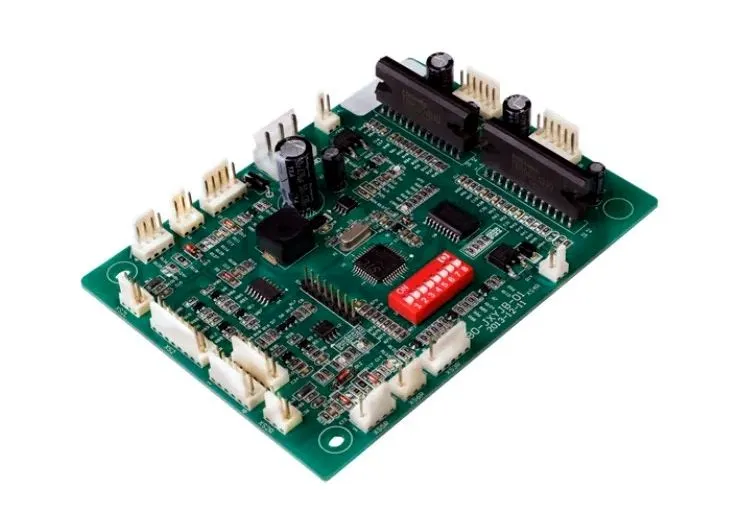
Understanding Scalable Medical PCBA: From Concept to Reality
Defining Medical Device Circuit Board Scalability
Scalable Medical PCBA is basically different from traditional building methods because it can be changed and expanded easily. This method uses modular design, uniform manufacturing processes, and adaptable supply chain management to handle different production numbers without lowering quality standards. Medical device makers can lower the risks of research, speed up the approval process with regulators, and make sure their costs are adjusted so they can grow with demand.
When you look at standard monolithic designs next to modular structures, the main benefits of scalable medical electronics assembly become clear. Individual parts of modular structures can be tried, validated, and certified on their own, which cuts down on total development times and legal hurdles. This method works especially well for startups and ODM businesses that need to be able to make quick prototypes while still having clear paths to mass production.
Regulatory Compliance and Quality Standards
Medical device circuit boards have to follow strict international rules that have an effect on how they are bought and which suppliers are chosen. IPC-A-600 standards set the rules for what kinds of printed circuit boards are acceptable, and ISO 13485 approval makes sure that complete quality management systems are used to make medical devices. These approvals are must-haves for procurement teams that are looking at possible sources.
Other sets of rules include IEC/EN 60601 for the safety of electrical medical tools and ISO 14971 for the control of risks. When procurement workers choose manufacturing partners, knowing these compliance standards helps them make smart choices. Because medical device regulations are so complicated, companies need to work with suppliers who have a track record of being able to navigate them while keeping production running smoothly.
From Prototype to Production: The Manufacturing Journey of Scalable Medical PCBA
Design Validation and Prototyping Excellence
The process of going from an idea to a finished product starts with strong design validation steps that use advanced modeling tools and thorough development methods. When putting together medical technology, it's important to pay close attention to signal integrity, electromagnetic compatibility, and heat management, all of which have a direct effect on how well the device works and how safe the patient is.
Modern design for manufacturability (DFM) research is used by our engineering teams to find possible production problems before they become expensive bottlenecks. This proactive method includes checking the suitability of materials, checking the supply of parts, and improving the manufacturing process so that it can be used on a larger scale without any problems. Using automatic optical inspection (AOI) and X-ray tests together during the prototype phase sets quality standards that stay the same during mass production.
Pilot Production and Scale-Up Strategies
For scale-up to go smoothly, pilot production runs must be carefully planned so that manufacturing processes are tested and ways to improve them are found. Scalable Medical PCBA applications benefit from standardized assembly methods, component sourcing techniques, and quality control processes that keep stability across a range of production volumes. Our ability to produce 24 hours a day, seven days a week lets us quickly adapt to changing demand trends and keep our delivery promises.
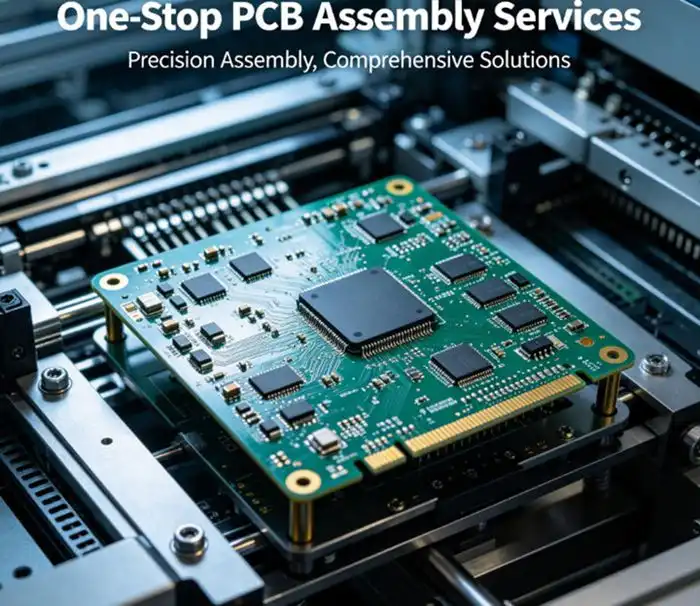
Surface mount technology (SMT) processes, reflow soldering settings, and testing procedures are fine-tuned for best performance during the pilot phase, which is also a very important validation step. This all-around method lowers the risks of production and sets the stage for dependable mass production that meets strict medical device standards.
How to Choose the Best Scalable Medical PCBA Supplier?
Essential Supplier Evaluation Criteria
To find the right medical device manufacturing partner, you need to carefully consider a lot of important factors that have a direct effect on the project's success. Scalability of the supplier is probably the most important thing to think about. This includes things like production capacity, technological abilities, and quality management systems that can adapt to different growth paths without lowering standards.
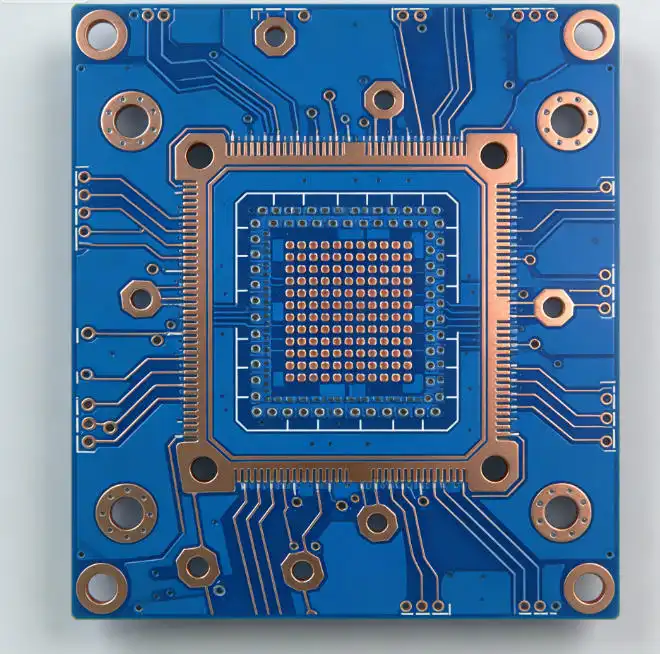
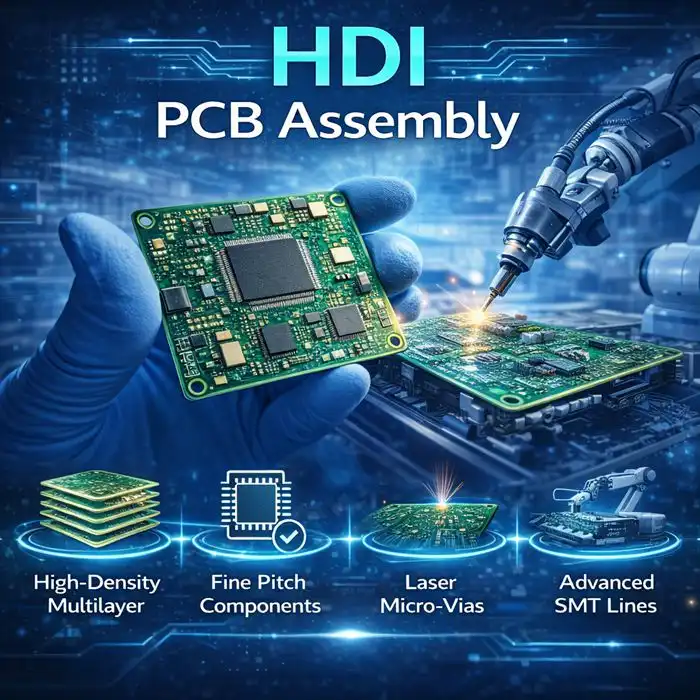
Certification status is one of the most important things that is looked at when judging a medical device. ISO 9001, ISO 13485, IATF16949, and UL badges that show dedication to quality standards are especially important. Technical skills like making multi-layer PCBs (up to 48 layers), high-density interconnect (HDI) technology, and advanced assembly methods like SMT and through-hole component placement are needed for complicated medical uses.
Supplier Partnership and Communication Excellence
Effective supplier relationships include more than just basic manufacturing skills. They also include a wide range of support services that help make product development and launch go smoothly. Look for partners that offer design for assembly (DFA) optimization, strategies for lowering the cost of the bill of materials (BOM), and full testing services that include making sure the product works and making sure it meets legal requirements.
Another important factor is the ability to communicate, especially for managing the global supply chain. Suppliers that work multiple shifts and offer engineering support 24 hours a day, seven days a week can help with technology issues quickly and effectively, which helps keep project delays to a minimum. This level of support is particularly helpful during important stages of research and when production starts to ramp up.
Procurement Strategies for Scalable Medical PCBA
Global Sourcing and Cost Optimization
To make good procurement plans for putting together medical devices, you need to find a balance between cost, quality, and legal compliance. Scalable Medical PCBA providers offer different pricing models, such as prices for prototypes, rates for pilot production, and savings for large orders, which make costs predictable throughout the development process.
Digital platforms and business-to-business (B2B) marketplaces are used by successful procurement teams to find qualified suppliers. They also use thorough request for quotation (RFQ) methods that make technical requirements, quality standards, and delivery dates clear. Contract production deals should protect intellectual property, have quality escrow processes, and allow for flexible capacity allocation that can adapt to changing demand trends.
Supply Chain Risk Mitigation
To make modern medical devices, you need strong supply chain tactics that keep costs low and reduce the risk of disruptions. Vertical integration skills, like getting parts and materials in-house, give companies more control over their supply chains and make them less reliant on outside factors that could affect shipping times.
Dual sourcing for important parts, strategic inventory management, and thorough seller approval processes that check for financial stability, operational resilience, and quality management maturity are all good ways to lower risk. These methods make sure that the supply chain works consistently while also giving it the freedom to change with the times or meet new rules.
Future Trends and Innovations in Scalable Medical PCBA
Emerging Technologies and Manufacturing Advances
The medical electronics assembly business is always changing as new technologies are added that make it easier to scale up or down, cut costs, and make devices work better. The use of artificial intelligence in quality control, automatic systems for finding defects, and predictive maintenance is changing the standards for how efficient and reliable production is.
New developments in material science, such as flexible-rigid PCB pairs, biocompatible substrates, and better heat management solutions, are making it easier to create medical devices that can be used on a large scale. These innovations make it possible for devices to have smaller sizes, better performance, and simpler production processes, which is good for both makers and end users.
Digital Transformation and Industry 4.0 Integration
Scalable Medical PCBA manufacturing increasingly uses digital transformation efforts. Smart production systems use real-time tracking, predictive analytics, and automated process changes to make things more consistent and lower the number of mistakes to levels below what the industry considers acceptable.
Blockchain technology for supply chain openness, digital twin modeling for process optimization, and cloud-based collaboration tools are changing how companies that make medical devices work with partners that put them together. These technological improvements give us a level of insight into industrial processes that we have never had before. They also let us make decisions based on data, which leads to better project results overall.
Conclusion
Scalable Medical PCBA is the way of the future when it comes to making medical devices because it gives companies more freedom and trust to bring new healthcare solutions to market. From the prototype to mass production, the process needs careful planning, smart partnerships with suppliers, and a deep understanding of the legal requirements that protect patients while still allowing the business to stay open. Ring PCB's ISO certifications and advanced production skills, along with our knowledge of putting together medical devices, make us the perfect partner for your medical device creation needs. Our dedication to quality excellence and scalable manufacturing solutions gives our customers the tools they need to reach their goals for healthcare innovation quickly and reliably.
FAQ
What factors determine the scalability of medical PCBA designs?
Scalability depends on modular design architecture, standardized manufacturing processes, component availability, and regulatory compliance frameworks. Designs incorporating common components, standardized interfaces, and proven assembly techniques typically scale more effectively than custom solutions requiring specialized manufacturing processes.
How long does the typical prototype-to-production transition take for medical devices?
Timeline varies significantly based on device complexity and regulatory requirements, typically ranging from 6-18 months for moderate complexity devices. Factors influencing duration include design validation testing, regulatory approval processes, pilot production validation, and supply chain establishment. Working with experienced assembly partners can significantly reduce transition timeframes.
What are the primary cost considerations when scaling medical PCBA production?
Cost factors include component pricing at different quantities, manufacturing setup costs, quality control expenses, and regulatory compliance investments. Volume pricing typically provides significant cost reductions, while quality requirements may necessitate premium manufacturing processes that impact overall cost structures. Balancing these factors requires careful supplier selection and contract negotiation.
Partner with Ring PCB for Your Scalable Medical PCBA Manufacturing Needs
Ring PCB Technology Co., Limited brings 18 years of specialized expertise to your medical device development challenges. Our comprehensive scalable medical PCBA manufacturer capabilities include 48-layer PCB fabrication, full turnkey assembly services, and ISO 13485 certification that ensures regulatory compliance throughout your production journey. Contact our engineering team at [email protected] for personalized consultations and competitive pricing that leverages our 24/7 production capabilities and expedited delivery services to accelerate your time-to-market.
References
1. Smith, J.A. (2023). "Medical Device PCB Assembly: Quality Standards and Regulatory Compliance." Journal of Medical Electronics Manufacturing, 45(3), 112-128.
2. Chen, L.M. & Rodriguez, P.K. (2024). "Scalable Manufacturing Strategies for Medical Device Circuit Boards." International Conference on Healthcare Technology Manufacturing Proceedings, 78-95.
3. Williams, R.D. (2023). "From Prototype to Production: Best Practices in Medical PCBA Development." Medical Device Engineering Quarterly, 12(4), 203-219.
4. Thompson, M.H. et al. (2024). "Regulatory Compliance in Scalable Medical Electronics Assembly." Healthcare Manufacturing Standards Review, 31(2), 45-62.
5. Anderson, K.P. (2023). "Cost Optimization Strategies for Medical Device PCB Assembly Scaling." Supply Chain Management in Healthcare Technology, 18(7), 134-147.
6. Liu, X.Y. & Patel, S.R. (2024). "Future Trends in Medical Device Circuit Board Manufacturing and Assembly." Advanced Manufacturing Technology in Healthcare, 22(1), 89-104.

Welcome to Ring PCB! Share your inquiry, and receive a tailored quotation!

Ring PCB, your trusted partner for PCB & PCBA Full Turnkey Solutions