The choice you make while looking for the best PCB manufacturer for your electrical devices will have a direct effect on the timeliness, quality, and profitability of your final product. There are dozens of manufacturers in the printed circuit board sector globally, and they all provide varying capacities, levels of quality, and services. Selecting the incorrect partner may harm your competitive position by causing quality problems, cost overruns, and delayed launches. This thorough guide helps you make an educated choice that supports your company goals and guarantees long-term success in today's competitive electronics industry by guiding you through the key elements that distinguish outstanding PCB manufacturers from mediocre ones.
Understanding the PCB Manufacturing Landscape
Manufacturers in the contemporary PCB manufacturing sector specialize in various market niches and technical prowess, creating a complex ecosystem. When assessing possible manufacturing partners for your electrical goods, it becomes imperative to comprehend this ecosystem.
Industry Specializations and Market Segments
PCB producers usually concentrate on certain market niches that complement their quality processes and technical prowess. While some businesses specialize in producing high-volume consumer electronics, others focus on producing high-complexity, low-volume boards for use in aircraft or medicine. Medical device makers must comply with ISO13485, whereas automotive PCB manufacturers must adhere to strict IATF16949 regulations. Knowing these specialties enables you to choose manufacturers whose experience aligns with your industry standards and quality standards.
Manufacturing Process Technologies
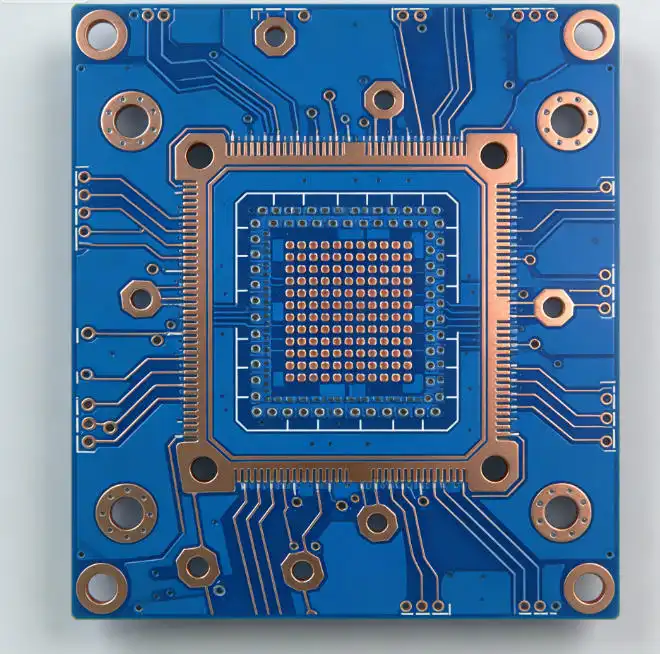
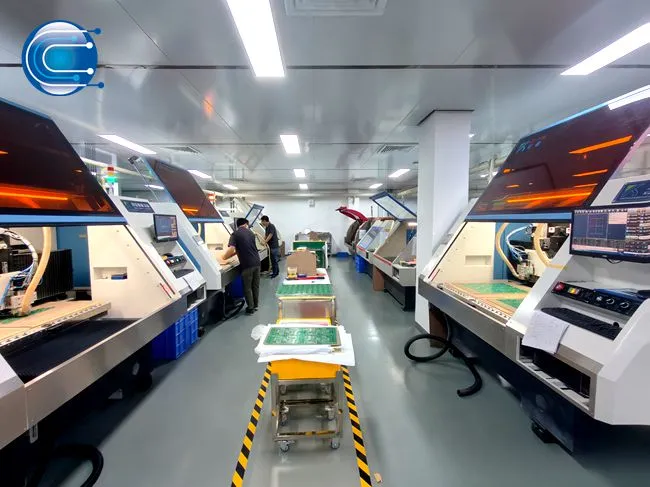
Board performance and quality are directly impacted by a number of complex techniques used in advanced PCB manufacture. Automated optical inspection (AOI) is used to identify defects, controlled impedance testing is used to ensure signal integrity, and laser direct imaging (LDI) technologies are used to transfer patterns precisely. Copper deposition, drilling, plating, etching, solder mask application, surface finishing, and substrate preparation are often included in the production process. Manufacturers may get better levels of dependability and tighter tolerances by using cutting-edge tools like flying probe testers and vacuum laminating systems.
Common Industry Challenges
Decisions over suppliers are impacted by a number of ongoing issues facing the PCB manufacturing sector. Variability in lead times is still a major issue, especially during times of high demand or supply chain interruptions. Consistent quality across manufacturing batches need ongoing monitoring and strong process control systems. Production delays and misinterpretations of designs might result from communication hurdles between overseas suppliers and clients. Dedicated customer service teams, extensive quality management systems, and automation are some of the ways that successful manufacturers deal with these issues.
Critical Factors to Evaluate When Choosing a PCB Manufacturer
Selecting the right PCB manufacturing partner requires careful evaluation of multiple factors that directly impact your product success and business objectives.
Quality Standards and Certifications
Quality certifications are essential markers of a manufacturer's dedication to process control and uniform manufacturing standards. Industry-specific certificates such as AS9100 for aerospace or IATF16949 for automotive show specialist knowledge, whereas ISO9001 certification shows fundamental compliance with quality management systems. Compliance with IPC standards, specifically IPC-6012 for rigid PCBs and IPC-6018 for microwave boards, guarantees conformity to global quality standards. While UL approval verifies safety standards for certain uses, RoHS compliance ensures environmental safety criteria.
Manufacturing Capabilities and Technology
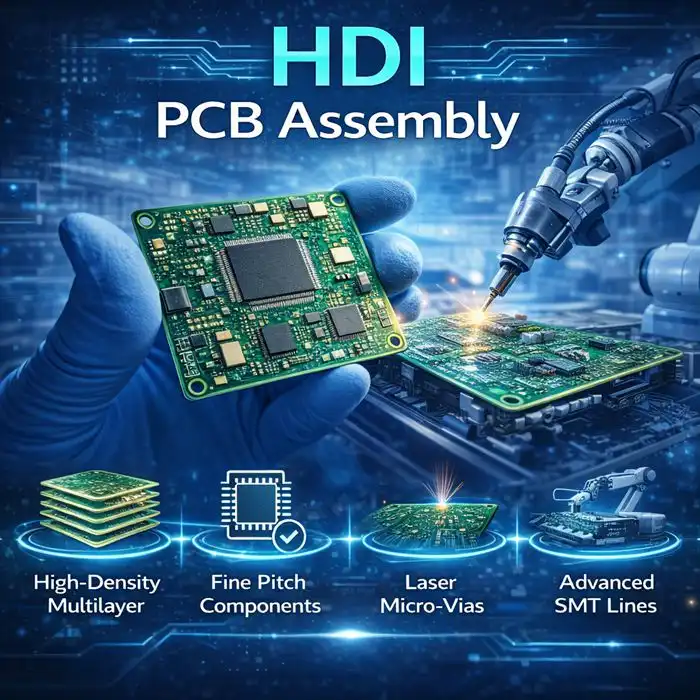
A supplier's capacity to manufacture intricate PCBs with precise tolerances and excellent dependability is determined by their advanced manufacturing capabilities. With the use of microvias and fine-pitch components, high-density interconnect (HDI) technology allows for reduced form factors and enhanced electrical performance. Diverse application needs are supported by multilayer capabilities, which ranges from simple 4-layer boards to intricate 48-layer designs. For high-speed digital and radio frequency applications, signal integrity is guaranteed by controlled impedance manufacture with a tolerance of ±7%. Surface finish choices like HASL, ENIG, and OSP have an impact on component compatibility and solderability.
Lead Times and Production Flexibility
Your product launch schedules and inventory management are directly impacted by flexible production scheduling and dependable delivery performance. Rapid design revisions are made possible by prototype turnaround times, which range from regular 5-7 day delivery to 24-hour urgent service. PCB Manufacturer can adapt to changes in volume without sacrificing quality or delivery dates because to production capacity scaling. During crucial project stages, expedited services with round-the-clock online assistance and continuous manufacturing capabilities may far surpass typical delivery timeframes, giving businesses a competitive edge.
Pricing Transparency and Cost Structure
Comprehending PCB price structures aids in cost optimization while upholding quality standards. While setup expenses have an impact on small-batch economics, volume-based pricing tiers usually provide substantial cost savings for larger batches. The kind of substrate, copper weight, and choice of surface treatment all affect material prices. Manufacturing costs are influenced by complexity parameters such as minimum feature sizes, via kinds, and layer count. Accurate budgeting and cost optimization choices are made possible by transparent pricing with thorough cost breakdowns.
How to Assess PCB Manufacturer Reliability and Customer Support?
Manufacturer reliability and customer support quality often distinguish exceptional suppliers from average ones, particularly during challenging production scenarios or urgent project requirements.
Track Record and Industry Reputation
Analyzing the track record of manufacturers gives information about their dependability and consistency throughout time. Completing related tasks successfully shows appropriate experience and competence. Peer appreciation of achievement is shown by industry awards and accolades. Case studies and client endorsements demonstrate practical performance and problem-solving skills. Supply chain continuity and investments in technological advancements are guaranteed by financial stability.
Communication and Technical Support
From concept to manufacturing, effective project execution is supported by efficient channels of communication and technological know-how. Project coordination and reliable points of contact are provided by dedicated account management. Design for Manufacturability (DFM) study is one of the engineering support services that helps optimize designs for cost and production efficiency. Transparency is maintained throughout manufacturing cycles with real-time production updates and quality reports. Clear communication across international operations is facilitated by multilingual support capabilities.
Prototyping and Sample Services
Prior to committing to full production levels, prototyping services allow for design validation and quality evaluation. Development times are shortened by quick-turn prototype capabilities with accelerated processing. Services for sample testing and analysis confirm mechanical and electrical characteristics. Support for iterative design enables improvement in response to production input and test findings. These services speed up new product time-to-market and reduce risk.
Aligning PCB Manufacturer Selection with Your Project Requirements
Matching manufacturer capabilities with specific project requirements ensures optimal outcomes and long-term partnership success.
Industry-Specific Expertise
Different industries require specialized knowledge and compliance with unique standards and regulations. Automotive electronics demand IATF16949 certification and AEC-Q100 qualification for component reliability. Medical device applications require biocompatibility testing and ISO13485 quality systems. Aerospace projects need AS9100 certification and compliance with military specifications. Telecommunications equipment requires high-frequency design expertise and signal integrity analysis capabilities.
Design Collaboration and Engineering Support
Product performance and manufacturing efficiency are improved via collaborative design interactions. Design for Assembly (DFA) optimization increases manufacturing yields while lowering assembly costs. Analysis of thermal management guarantees dependable performance under harsh climatic circumstances. Prior to manufacturing, high-speed digital performance is verified by signal integrity simulation. Guidelines for component selection aid in maximizing availability and cost while maintaining performance standards.
Scalability and Long-term Partnership Potential
Assessing scalability guarantees that PCB Manufacturer can accommodate expanding businesses and changing needs. Capabilities for expanding production capacity allow for rising quantities without sacrificing quality. Aligning the technology roadmap guarantees compatibility with future product advancements. Supply chain resilience and logistical costs are impacted by geographic presence. Programs for continuous improvement show a dedication to increasing capabilities and cutting expenses over time.
Ring PCB: Advanced Engineering for Precision Manufacturing
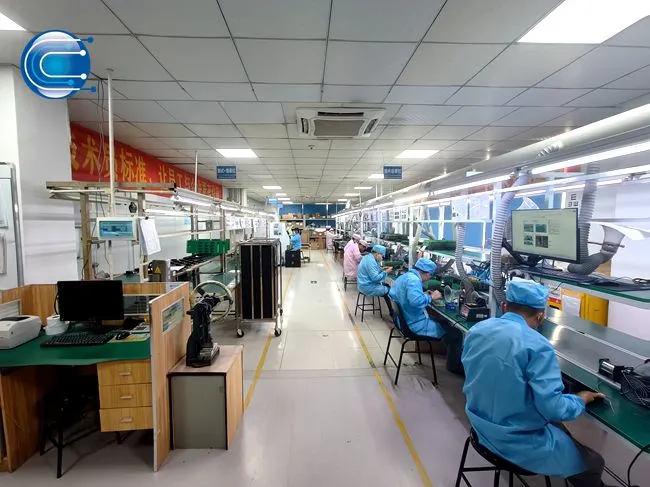
Ring PCB stands at the forefront of precision PCB manufacturing, combining advanced engineering capabilities with comprehensive quality assurance systems. Our state-of-the-art manufacturing facility features cutting-edge equipment including LDI laser exposure systems, vacuum lamination technology, and automated flying probe testers, ensuring consistent quality and reliable performance across all production volumes.
Advanced Manufacturing Capabilities
Our high-density stack-up capabilities support complex designs from 2-layer simple boards to sophisticated 48-layer multilayer constructions with blind and buried vias. We maintain industry-leading precision with 3/3mil trace and spacing tolerances, while our controlled impedance manufacturing achieves ±7% accuracy for critical high-speed applications. These capabilities make us ideal for demanding applications in 5G communications, industrial control systems, medical devices, and automotive electronics where reliability and performance are paramount.
Integrated PCBA Services and Quality Assurance
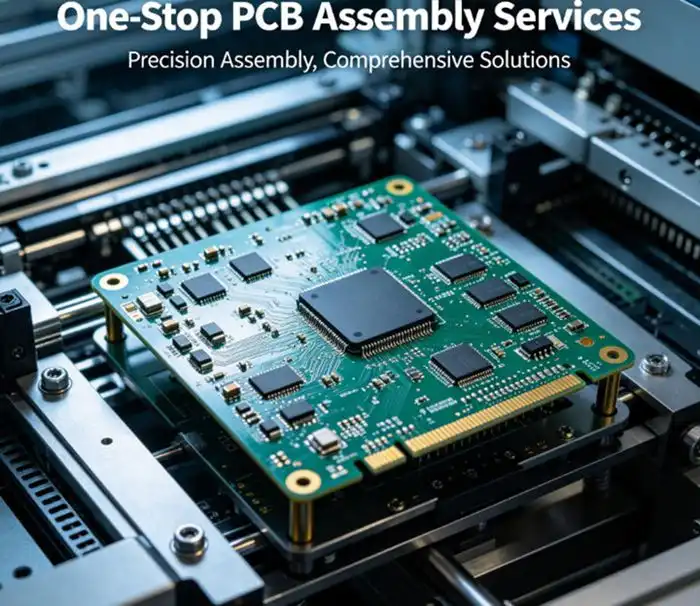
Complete PCB fabrication, component sourcing, SMT assembly, and functional testing are all included in our all-inclusive turnkey solutions. Complete supply chain management is made possible by this vertical integration, which also removes the need for cooperation between many suppliers. In order to minimize design risks and improve BOM costs while upholding performance standards, our skilled engineering team offers DFM and DFA optimization services. By using cutting-edge inspection techniques including X-ray inspection, AOI testing, and 100% functional validation, we maintain strict quality control and achieve defect rates below 0.2% as opposed to the industry norm of less than 1%.
To guarantee zero-defect delivery, our triple quality assurance method incorporates impedance testing, thermal cycle validation, and AOI inspection. We are committed to fulfilling the highest industry standards throughout a variety of business categories, as seen by our several international certifications, which include ISO9001, IATF16949, and RoHS compliance.
Conclusion
Selecting the right PCB manufacturer requires careful evaluation of quality standards, manufacturing capabilities, reliability factors, and alignment with your specific project requirements. The decision impacts product quality, delivery schedules, and long-term business success. By focusing on certifications, technical capabilities, communication quality, and industry expertise, you can identify manufacturing partners that support your objectives and provide competitive advantages. Remember that the lowest cost option rarely delivers the best value when quality, reliability, and support are considered. Invest time in thorough supplier evaluation and relationship building to establish partnerships that support your business growth and product success in today's competitive electronics market.
Frequently Asked Questions
What certifications should I prioritize when selecting a PCB manufacturer?
Focus on ISO9001 for basic quality management, plus industry-specific certifications like IATF16949 for automotive, AS9100 for aerospace, or ISO13485 for medical devices. IPC standards compliance (IPC-6012, IPC-6018) ensures adherence to international PCB quality benchmarks, while RoHS compliance guarantees environmental safety requirements.
How do I balance cost considerations with quality requirements?
Evaluate total cost of ownership including quality costs, delivery performance, and support services rather than just unit price. Request detailed cost breakdowns to understand value drivers. Consider volume pricing tiers and long-term partnership benefits. Quality issues and delivery delays often cost more than initial price premiums for reliable suppliers.
What lead times should I expect for prototypes versus production quantities?
Prototype lead times typically range from 24-hour expedited service to 5-7 days standard delivery, depending on complexity. Production quantities usually require 2-4 weeks depending on volume, layer count, and specifications. Expedited services with 24/7 support and continuous production can significantly reduce standard delivery times during critical project phases.
Partner with Ring PCB for Superior Manufacturing Solutions
Ring PCB delivers exceptional value through competitively priced solutions that don't compromise on quality or performance. Our expedited service provides 24/7 online support with continuous production capabilities seven days a week, significantly outperforming standard delivery times and ensuring faster, more efficient delivery for your critical projects. We specialize in advanced multilayer technology supporting up to 48-layer circuit boards with precision tolerances and controlled impedance manufacturing.
Our international ISO certifications, IATF16949 automotive compliance, and comprehensive quality assurance systems provide the reliability and performance your projects demand. Whether you need rapid prototyping, small-batch production, or high-volume manufacturing, our integrated PCBA services and engineering support optimize your designs for cost and manufacturability. Ready to experience the Ring PCB advantage? Contact us at [email protected] to discuss your requirements and receive a customized quote from our PCB manufacturer supplier team. Let us demonstrate how our advanced capabilities and dedicated support can accelerate your product development and enhance your competitive position in the market.
References
1. Institute for Printed Circuits (IPC). "IPC-6012: Qualification and Performance Specification for Rigid Printed Boards." IPC Standards Publication, 2018.
2. Zhang, Michael and Johnson, Sarah. "Quality Management Systems in PCB Manufacturing: Best Practices and Industry Standards." Journal of Electronic Manufacturing, Vol. 28, No. 3, 2023.
3. Electronics Manufacturing Services Association. "Global PCB Market Analysis and Manufacturing Trends Report." Industry Research Publication, 2023.
4. Chen, David. "Advanced PCB Manufacturing Technologies: High-Density Interconnect and Multilayer Design Considerations." IEEE Transactions on Electronics Packaging Manufacturing, 2023.
5. International Organization for Standardization. "ISO 9001:2015 Quality Management Systems Requirements in Electronics Manufacturing." ISO Publication Series, 2022.
6. Rodriguez, Maria and Thompson, James. "Supply Chain Management and Vendor Selection in Electronics Manufacturing: Strategic Approaches for PCB Procurement." International Journal of Production Management, Vol. 15, No. 2, 2023.