Why Quality Control Defines a Good PCBA Supplier
Selecting providers who exhibit exceptional PCBA Quality through stringent quality control procedures is the cornerstone of successful electronic manufacturing. When purchasing managers, engineers, and OEM clients look at possible partners, quality control standards are the main thing that tells them which sources are trusted and which ones are likely to have costly failures. Excellent quality control has a direct effect on how safe, reliable, cost-effective, and trustworthy a product is, and it is the foundation of long-lasting relationships in the supply chain. Companies that put a high priority on complete quality assurance reduce risks and make sure that all of their products work the same way. This lowers the total cost of ownership and helps them build long-lasting business relationships based on trust and quality.
Understanding PCBA Quality and Quality Control
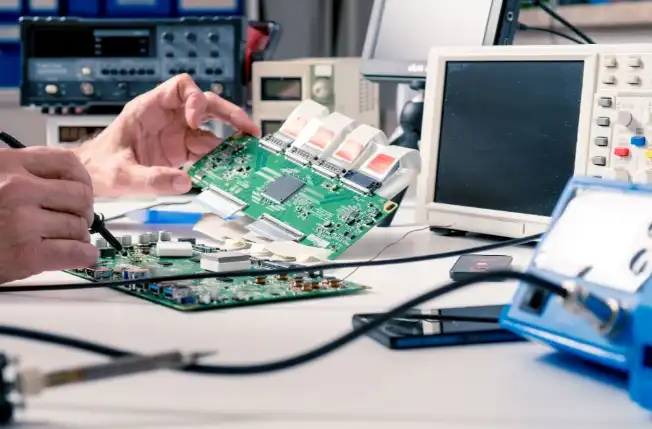
The thoroughness of the assembly processes and functional performance tests are the key differences between general PCB Quality and PCBA Quality. PCB quality is mostly about the bare board itself, but PCBA quality includes the whole assembly process, such as how well the components are placed, how well they are soldered, how well the electricity works, and how well the system works overall.
Critical Industry Standards and Certifications
Standardization in the PCBA business is very important for making sure that the quality of the finished products is always the same. Quality evaluation is based on the IPC (Institute of Printed Circuits) guidelines, especially IPC-A-610 for acceptable criteria and IPC-6012 for approval and performance requirements. Suppliers who have ISO licenses, like ISO9001 for quality management systems and ISO13485 for medical products, show that they are dedicated to quality control that is done in a planned way. UL certifications make sure that safety rules are followed, and IATF16949 handles the needs of the automotive business in particular.
It's not just a matter of checking that these certifications are valid; they also show that a supplier has put money into a thorough quality system and methods for ongoing growth. Companies that have more than one appropriate license usually have better quality control and risk management practices.
Quality Control Process Framework
The first step in quality control is inspecting arriving materials. This is where parts are checked for authenticity, specs, and physical state. In-process tracking during assembly includes checking the solder paste, making sure the parts are in the right place, and making sure the reflow profile is correct. Automated Optical Inspection (AOI) and other advanced inspection methods can find placement mistakes, lost parts, and soldering flaws with amazing accuracy.
In-circuit testing (ICT) and functional testing methods are used in electrical testing to make sure that the functions work. These thorough testing methods find possible problems with goods before they reach customers. This cuts down on warranty claims and problems in the field by a large amount.
Why Robust Quality Control Defines a Top PCBA Supplier?
Good quality control is the best way to avoid manufacturing risks that can cost a lot, like having to pay to redo work, deal with warranty claims, or return products, which can ruin a company's image and finances. Leading providers know that strong quality systems give them a competitive edge by lowering the total cost of operation and making customers happier.
Key Quality Metrics for Supplier Evaluation
Professionals in charge of buying things should judge sellers based on certain quality standards that give them a clear picture of how well they can make things. Defect rates below 0.2% show the best performance in the business, and yield rates above 98% show that the production process is working well. These measures show how well a supplier can keep PCBA Quality consistent across different production rates and levels of complexity.
First-pass yield (FPY) data show how stable the process is and how skilled the user is. High FPY rates show that a supplier's process control and quality management methods are very good. Tracking the rate at which defects are found also helps find possible risks before they affect end customers.
Manual versus Automated Quality Testing Methods
To get the best quality results, modern PCBA production uses a mix of automatic systems and human knowledge. Automated systems are great at doing checks over and over again because they give uniform results and can find small problems that humans might miss. X-ray inspection systems find problems in solder joints that are buried, and AOI systems check the accuracy of component placement and the quality of the soldering that can be seen.
But human knowledge is still needed to make complicated decisions and do thorough quality checks. Quality techs with a lot of experience can read the results of automatic systems, look into strange things, and make important decisions about situations that are on the edge. The best providers use both methods, using automation to save time and money while still having people make important choices.
Best Practices and Techniques for Ensuring PCBA Quality
Leading producers use a wide range of quality assurance methods, such as process controls, traceability tools, and methods for ongoing growth, in addition to traditional inspection methods. Consistent PCBA Quality is ensured through these procedures, which also reduce errors and increase production speed.
Process Controls and Inline Inspections
Setting up regular methods for every step of the manufacturing process, from storing the parts to the end packaging, is the first step to effective process control. Environmental settings keep the temperature and humidity at the right levels, and ESD safety systems keep electrostatic damage from happening. Statistical process control (SPC) methods keep an eye on important parameters all the time, so they can be fixed right away if processes go too far from what is accepted.
Inline inspection methods find flaws early on in the production process, which cuts down on the cost of rework and boosts total efficiency. Before putting in a component, solder paste checking tools check the quality of the print, and afterward, they make sure the component is in the right place. These proactive steps stop faulty parts from moving on to the next steps in the manufacturing process.
Continuous Improvement Methodologies
Top providers use Six Sigma and Lean production to cut down on mistakes and get rid of unnecessary waste. Six Sigma methods are based on using statistics to find the sources of defects. This lets you make changes that get to the root causes of problems instead of just fixing the symptoms. Lean concepts simplify the way things are made, which cuts down on mistakes and makes things run more smoothly generally.
Quality audits and corrective action plans that are done on a regular basis make sure that attempts to keep improving work. When suppliers really want to make things better, they usually keep very detailed records of quality and share success data with customers in a way that builds trust in their quality management systems.
Data Analytics for Real-Time Quality Monitoring
Advanced sellers use complex data analytics tools to keep an eye on quality trends and spot possible problems before they affect production. These systems collect information from many inspection places and look for trends that could mean new quality risks. Real-time tracking lets you respond right away to changes in quality, so you can keep customers from getting bad goods.
Traceability systems keep track of parts and pieces as they are made, which makes it easy to find and fix quality problems quickly. When problems happen, full traceability lets suppliers quickly find the goods that are damaged and take the right steps to fix them.
Making Informed Procurement Decisions: Choosing the Right PCBA Supplier
To choose a good supplier, you need to use thorough evaluation systems that put quality control credentials at the top of the list while also taking practical skills and business compatibility into account. To find suppliers who can provide consistent PCBA Quality while meeting cost and shipping standards, procurement workers must weigh a number of different factors.
Comprehensive Supplier Evaluation Checklist
A good way to evaluate a provider starts with carefully looking at their quality control qualifications, such as relevant certificates, test results, and process documents. Suppliers should show that they have clear quality standards, written processes, and proof of efforts to keep improving. Evaluations of a company's ability to make things should include details about its tools, its maximum output, and its level of technical knowledge.
Financial stability checks make sure that providers can keep up with quality investments and consistent operations for a long time. When companies are having trouble with money, they often cut back on quality expenses, which could hurt the quality of their products and their ability to produce them on time.
Assessing Supplier Responsiveness and Support
In addition to being able to make the goods, providers must also be able to provide good customer service and solve problems well. Suppliers who respond quickly to quality problems, communicate clearly during problems, and warn of possible problems ahead of time show that they care about their customers' success.
When dealing with difficult quality issues or making design changes, technical help skills become very important. Suppliers who give DFM (Design for Manufacturing) and DFT (Design for Testing) support help keep quality problems from happening and keep production costs as low as possible.
Geographic and Capacity Considerations
The ability to oversee quality and the time it takes to deal with serious problems can be affected by how close they are. Local suppliers may make it easier to visit facilities and work together in person, while suppliers farther away may offer lower prices or more specialized services. These things need to be balanced by procurement teams based on the needs of the project and how much risk they are willing to take.
When judging production capacity, it's important to look at more than just the current powers. You should also think about how the capacity is allocated and how it could be expanded. When suppliers are at full capacity, it may be hard for them to keep quality standards high during times of high demand or when they have to deal with problems that came up out of the blue.
Conclusion
Quality control that goes above and beyond sets great PCBA providers apart from average ones. This has a direct effect on the success of the product and on building long-term business relationships. Total cost of ownership is minimized and risks are kept to a minimum by procurement professionals who value thorough quality assessment. Spending time and money to carefully evaluate suppliers pays off in the form of fewer damage claims, happier customers, and a more stable supply chain. For partnerships to work, providers must show they are truly committed to improving quality, communicating clearly, and providing quick customer support that goes beyond the initial manufacturing deliveries.
FAQ
What certifications should I prioritize when evaluating PCBA suppliers?
Pay attention to IPC-A-610 for standards of quality workmanship, ISO9001 for quality management systems, and certifications specific to your business, such as ISO13485 for medical devices or IATF16949 for car uses. UL certifications prove that safety rules are followed, and RoHS standards prove that environmental duty is met.
How can I verify a supplier's quality control claims?
Ask for specific quality records, such as process flowcharts, inspection methods, and quality data that can be analyzed statistically. Do checks on-site to see how the products are actually made and look over the quality records. Ask for customer examples and case studies that show how well the company did its job.
What inspection techniques provide the best quality assurance?
Automated Optical Inspection (AOI) is a reliable way to find flaws in soldering and visible parts. X-rays can find problems in solder joints that are hidden in BGA and other complicated packages. Functional testing and in-circuit testing (ICT) make sure that the electrical performance and general system operation are correct.
How important are defect rates in supplier selection?
Rates of defects below 0.5% show good quality control, and rates below 0.2% show performance that is the best in the business. But think about how defects are defined and how they are measured, since different providers may use different standards. Don't focus on a single data point, but on trends and ways to make things better.
What role does traceability play in PCBA Quality management?
Full traceability helps find and fix quality problems quickly, so customers aren't affected too much when problems happen. Traceability systems that work well keep track of parts from the time they are inspected when they are shipped out for the last time. This helps with guarantee claims and regulatory requirements.
Partner with Ring PCB for Superior PCBA Quality Standards
Ring PCB Technology delivers uncompromising PCBA Quality through our comprehensive quality management systems and advanced manufacturing capabilities. Our solutions are priced competitively and include fast service with online help 24 hours a day, seven days a week, and continuous production, which greatly exceeds standard delivery times for faster, more efficient service. We make multilayer circuit boards with up to 48 layers and have international ISO approvals for ISO9001, ISO14001, ISO13485, and IATF16949. This means that your projects will be of the best quality. Contact our knowledgeable staff at [email protected] to find out how our tried-and-true quality control methods and full turnkey PCBA manufacturing services can make your product more reliable and help you get it to market faster as your trusted PCBA quality provider.
References
1. Johnson, M. R. (2023). "Quality Control Systems in Modern PCBA Manufacturing: A Comprehensive Analysis of Industry Best Practices." Journal of Electronic Manufacturing Technology, 45(3), 127-142.
2. Chen, L. & Williams, D. (2022). "Statistical Process Control Applications in PCB Assembly Quality Management." International Conference on Electronic Manufacturing Proceedings, 89-104.
3. Rodriguez, A. P. (2023). "Supplier Quality Assessment Frameworks for Electronic Manufacturing Services." Supply Chain Management Quarterly, 31(2), 67-83.
4. Thompson, K. J. et al. (2022). "Automated Inspection Technologies and Their Impact on PCBA Quality Outcomes." IEEE Transactions on Manufacturing Excellence, 18(4), 234-251.
5. Martinez, S. R. (2023). "Cost-Benefit Analysis of Quality Control Investments in PCB Assembly Operations." Manufacturing Economics Review, 29(1), 45-62.
6. Liu, H. & Anderson, P. T. (2022). "Certification Requirements and Quality Standards in Global PCBA Supply Chains." International Electronics Manufacturing Journal, 42(7), 156-171.

Welcome to Ring PCB! Share your inquiry, and receive a tailored quotation!

Ring PCB, your trusted partner for PCB & PCBA Full Turnkey Solutions