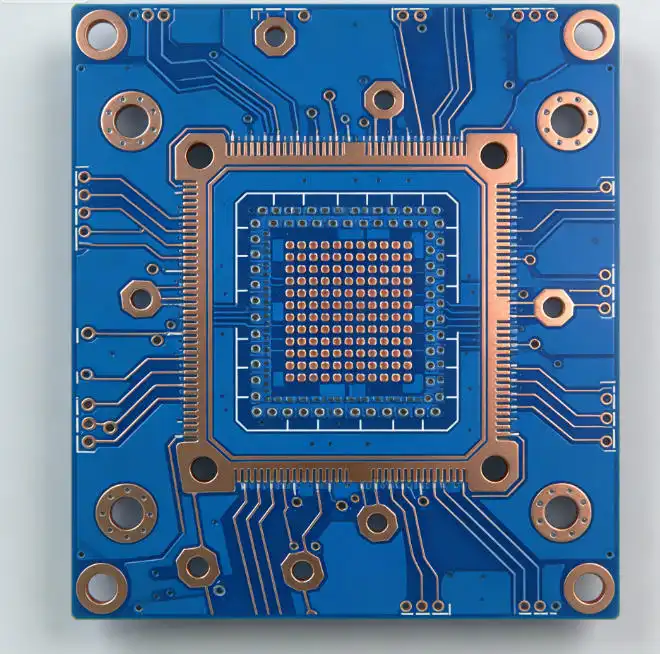
Common PCBA Test Failures and How to Prevent Them
Whether your goods pass the rigorous reliability standards is determined by PCBA testing, the most important quality checkpoint in electronics manufacturing. Production schedules and costs can be severely impacted by common failures such as component misplacement, soldering flaws, and short circuits. In today's lightning-fast electronics market, staying ahead of the competition requires a deep understanding of these failure patterns and the implementation of strong prevention techniques. Companies can accomplish their time-to-market goals more quickly and with fewer defects when they work with seasoned manufacturers and use strategic PCBA testing techniques.
Introducing Common PCBA Test Failures
There are a lot of obstacles in the way of producing reliable and high-quality modern electronics. A thorough understanding of these difficulties is crucial for effective operations, as mistakes in circuit board assembly pose serious dangers to production efficiency and brand reputation.
Short Circuits and Open Circuit Defects
When two electrical components or traces meet in an unexpected way, a short circuit forms, which can cause damage to delicate electronics due to the creation of dangerous current channels. Excessive solder bridging, contamination during assembly, or insufficient distance between circuit parts are common causes of these failures. According to manufacturing data, over 35% of all assembly-related problems in consumer electronics manufacture are caused by short circuits.
The inverse problem is open circuits, which occur when the intended electrical connections do not create adequate continuity. These failures usually occur because of components being lifted, not enough solder being applied, or traces being damaged while handling. Open circuit flaws are especially problematic for medical device manufacturers because they can cause life-critical equipment to stop working without any visible signs.
Component Placement and Orientation Issues
Functional faults caused by automated assembly equipment misplacing or installing components in the wrong orientations may not be apparent until the system is tested in its whole. Accurate orientation is crucial for the proper operation of polarized components such as electrolytic capacitors, diodes, and integrated circuits. Thorough PCBA Testing is crucial, as research from industry associations indicates that placement errors account for around 25% of functional test failures across different electronics sectors.
When surface-mount components are tombstoned, they don't lie flat on the board surface but instead stand upright. This is another typical placement-related fault. Uneven heating during reflow soldering or an inadequately designed pad is usually to blame for this problem, which causes electrical connections to be unreliable and could fail sporadically under thermal cycling.
Soldering Quality Problems
When components and circuit boards are not properly soldered, it can lead to a variety of problems that affect the electrical and mechanical connections. A cold solder junction is a connection that has a high resistance and could break under stress or temperature changes because the appropriate metallurgical bonding cannot take place due to a lack of heat. When it comes to field failures under extreme operating conditions, automotive electronics manufacturers point to cold joints as the main culprit.
Additional reliability difficulties are caused by solder balls and splatter, which can contaminate nearby components or even cause short circuits. Inadequate temperature profiles, polluted assembly environments, or an excess of flux activity are common causes of these problems. Research on quality control has shown that compared to uncontrolled production environments, soldering-related faults can be reduced by as much as 80% when appropriate process controls are in place.
Comprehensive PCBA Testing Methods and Techniques
It is essential to use testing procedures that are suitable for the product specifications and production volumes in order to achieve effective quality assurance. Investments in quality control and risk reduction tactics can be better planned with a thorough understanding of the available testing methodologies.
In-Circuit Testing Capabilities
The most reliable method for detecting faults at the component level is known as in-circuit testing, which makes use of specialized fixtures that can reach individual nodes in the circuit using precision probe arrays. With remarkable precision, ICT systems can check the values of components, identify openings and shorts, and evaluate the functionality of digital logic. The capacity of ICT to identify individual failure modes is highly valued by manufacturing engineers. This allows for the quick identification of underlying causes and the implementation of corrective actions.
Boundary scan testing is one of the sophisticated measuring techniques used in today's ICT equipment. It uses the component's built-in capabilities to access the nodes inside the circuit without physically probing them. In high-density assemblies, where conventional probe access is difficult, this feature is invaluable. Data from the industry indicates that with thorough ICT coverage, faults in the assembly can be detected up to 95% before functional testing begins.
Functional Testing Verification
Assembled products must pass functional testing, which verifies the entire system's performance in real-world settings. Functional verification is different from component-level testing in that it tests the product's actual features and interfaces, which helps find integration problems that component testing can overlook. For complicated assemblies that include programmable components, communication connections, or advanced analog circuits, this method is crucial.
From basic power-on checks to full-scale protocol validation systems, automated test equipment is available for functional verification. In order to ensure signal integrity, protocol compliance, and environmental tolerance, telecommunications equipment makers usually use comprehensive functional test suites. In order to uncover system-level flaws, it is necessary to invest in custom test fixtures and software development. However, these expenses are justified for high-volume production.
Manual Versus Automated Testing Approaches
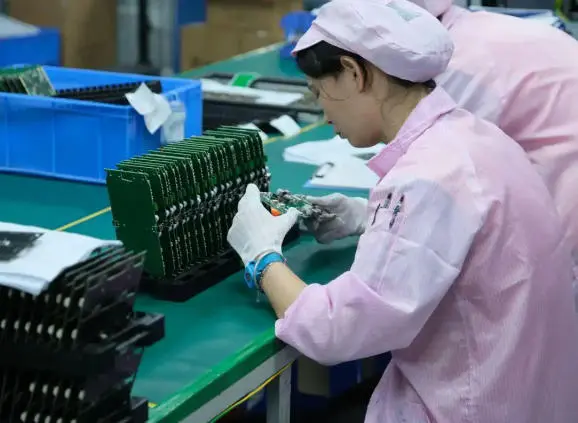
Visual flaws and irregularities that automated systems could miss can still be found with the use of manual inspection methods. Skilled quality inspectors can spot contaminants, mechanical stress signs, or damaged components that might affect reliability in the long run. Nevertheless, due to their inherent limits in scalability and variability, manual techniques are not recommended for use as main quality control methods in high-volume production.
The ability to detect defects is being greatly enhanced by automated inspection technologies, which are constantly evolving and incorporating AI and machine learning algorithms. With continuous performance across long production runs, automated optical inspection systems can now detect defects with a 99%+ accuracy rate for many different types of defects. Economic demands and quality improvement objectives are driving modern production techniques, and the drive toward automation is a reflection of both.
Proven Strategies to Prevent Common PCBA Test Failures
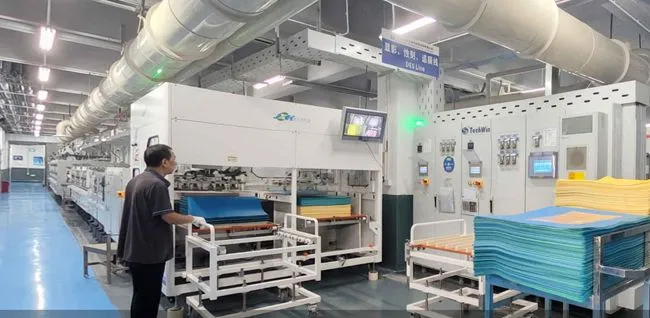
When compared to reactive quality control procedures, proactive preventative tactics reduce costs and increase customer satisfaction. Design groups, production companies, and quality assurance agencies must work together to implement thorough preventative measures.
Design for Testability Implementation
Throughout the production and field service lifecycles, the concepts of Design for Testability inform decisions about PCB layout, allowing for effective testing and troubleshooting. Reducing fixture complexity and measurement uncertainty, strategic test point placement allows efficient access to important circuit nodes. In order to get substantial quality gains with low space overhead, the DFT guidelines suggest allocating 2-3% of the board area to test access features.
To optimize a circuit layout, one must think about thermal management, signal integrity, and the effects of manufacturing tolerances on the reliability of the assembly. Solder bridging can be avoided with the right component spacing, and typical production variances can be accommodated with proper trace width margins. Boundary scan chains, diagnostic features, and built-in self-test capabilities are all part of advanced DFT methods that allow for extensive fault coverage with no need for external test equipment.
Process Control and Equipment Maintenance
Consistent assembly quality is ensured through rigorous process control, which involves monitoring and managing crucial parameters during production activities. By detecting parameter drift before it affects product quality, statistical process control approaches allow proactive modifications to prevent the development of defects. Comprehensive PCBA Testing provides support for critical control points like as temperature profiling, paste inspection, and placement verification, all of which correlate substantially with final assembly quality.
Calibration and maintenance protocols for equipment guarantee that testing and assembly tools remain accurate and repeatable. Scheduling preventative maintenance according to the recommendations of equipment manufacturers and production records helps keep measurement traceability intact and reduces the likelihood of unexpected failures. Documented calibration methods and measurement uncertainty analysis are essential components of quality management systems that meet customer certification requirements.
Advanced Inspection Technologies
Rapid, non-contact verification of assembly quality is provided by Automated Optical Inspection systems immediately following each production stage. Intelligent software algorithms, high-resolution cameras, and complex lighting systems allow modern AOI equipment to detect flaws as small as a few micrometers. In order to stop faulty assemblies from moving on to the next stage of production, real-time feedback allows for quick remedial action.
When visual inspection fails to uncover flaws in a Ball Grid Array package or connector assembly, X-ray inspection can help. The interior structure of components and the integrity of solder joints may be examined in great detail with the use of three-dimensional images generated by modern X-ray equipment. Before consumers even notice a problem with the product's quality, predictive analytics algorithms analyze inspection data for patterns and trends that can lead to complaints.
Choosing the Right PCBA Testing Partner and Equipment
Strategic partnership selection significantly impacts product quality, delivery performance, and total cost of ownership throughout product lifecycles. Evaluating potential testing partners requires comprehensive assessment of technical capabilities, quality systems, and cultural alignment with organizational objectives.
Industry Certification and Quality Standards
Reputable testing partners maintain current certifications demonstrating compliance with relevant industry standards and regulatory requirements. ISO 9001 certification provides foundation-level quality management system requirements, while industry-specific standards like IATF 16949 for automotive applications establish additional controls for critical applications. Medical device manufacturers require ISO 13485 compliance, ensuring specialized quality procedures appropriate for life-critical applications.
IPC standards establish technical requirements for PCB assembly and testing processes, providing objective criteria for evaluating partner capabilities. IPC-6012 Class 3 compliance indicates adherence to the highest reliability standards, appropriate for aerospace, military, and medical applications. UL recognition demonstrates compliance with safety requirements for various market segments, enabling global product distribution without additional certification delays.
Technical Expertise and Service Customization
Experienced testing partners offer valuable engineering support that extends beyond basic assembly and testing services. Design for Manufacturing consultation helps optimize designs for production efficiency while maintaining quality objectives. Component sourcing expertise ensures supply chain reliability while identifying cost optimization opportunities through alternative component recommendations or volume purchasing agreements.
Advanced testing capabilities including high-frequency signal analysis, environmental stress screening, and accelerated life testing provide comprehensive product validation services. Partners with internal engineering teams can develop custom testing solutions for unique product requirements, eliminating the need for multiple vendor relationships. Technical documentation and reporting capabilities support customer engineering teams with detailed failure analysis and corrective action recommendations.
Outsourcing Benefits and Considerations
Outsourcing testing operations provides access to specialized equipment and expertise without significant capital investment requirements. Established testing service providers maintain current equipment calibration and operator training while spreading fixed costs across multiple customers. This approach proves particularly attractive for companies with variable production volumes or those entering new market segments requiring unfamiliar testing technologies.
Risk management considerations include supply chain security, intellectual property protection, and business continuity planning. Reputable partners maintain comprehensive insurance coverage, confidentiality agreements, and backup capabilities that protect customer interests. Geographic proximity can provide advantages for prototype development and emergency support, while global partners offer advantages for international production requirements.
Ring PCB: Your Trusted Partner for Advanced PCBA Testing Solutions
With 17 years of expertise, Ring PCB Technology Co., Limited provides thorough PCBA testing services to satisfy the high standards of electronics manufacturers across the world. We guarantee zero-defect delivery for important applications throughout the automotive, medical, aerospace, and telecommunications industries with our integrated approach, which combines state-of-the-art testing equipment with experienced engineering teams.
Comprehensive Testing Infrastructure
With precision fixture technology, our state-of-the-art facility can do full In-Circuit Testing on multi-layer assemblies with up to 48 layers, ensuring outstanding fault coverage. Consistent quality verification is ensured throughout production cycles with Automated Optical Inspection systems that use high-resolution imaging technology to detect flaws as small as micrometers. When compared to more conventional inspection techniques, X-ray capabilities allow for a more in-depth examination of unseen solder connections and internal component structures.
By developing specialized test fixtures and software to meet the needs of each products, functional testing labs provide thorough system validation. To achieve optimal test strategies that meet coverage goals while staying within cycle time limitations, our engineering teams work in tandem with customers. Thermal cycling, vibration analysis, and humidity exposure testing are all examples of environmental stress testing capabilities that can certify long-term reliability under actual operating settings.
Quality Assurance Excellence
Certifications from international organizations proving conformity with quality management standards (ISO13485, IATF 16949, and ISO 9001) attest to Ring PCB's dedication to maintaining high quality standards. We achieve defect rates below 0.2%, greatly beating industry averages, with our triple quality assurance strategy that incorporates AOI, impedance testing, and thermal cycling. In order to prevent quality excursions, statistical process control systems continuously monitor crucial parameters and enable proactive modifications.
Parts are guaranteed to be authentic when sourced through certified supply chains, and their quality is double-checked before assembly by thorough incoming inspection methods. In order to meet the needs of customers for quality documentation and field failure investigation, traceability systems keep meticulous records throughout the production processes. Incorporating best practices in the industry and consumer input, our quality management system is always looking for ways to improve.
Global Support and Service Excellence
Working in tandem with clients all around the world, regardless of their time zone, our round-the-clock operations strategy guarantees lightning-fast responses to critical needs and technical questions. In order to facilitate continuous project assistance and expedited development deadlines, engineering teams function in three shifts. The production lines run nonstop, every day of the year, and they consistently outperform industry standards in terms of turnaround time.
Dedicated project management, technical advice, and post-delivery support are all part of customer support services that guarantee successful product launches. Beyond our standard assembly and testing services, we also provide value-added engineering support to help our customers achieve their goals by making their designs more efficient and cheaper to produce.
Conclusion
Achieving PCBA Testing prevention effectively requires an in-depth familiarity with typical failure modes, putting into practice tried-and-true preventative measures, and collaborating with seasoned manufacturing service providers. Strict process control, cutting-edge inspection tools, and Design for Testability principles all work together to lower TCO without sacrificing quality. To succeed in the electronics industry's cutthroat long-term, it's important to carefully choose testing partners based on their technical skills, quality certifications, and service excellence
FAQ
What causes most PCBA test failures?
Design flaws account for approximately 40% of PCBA test failures, including inadequate component spacing, insufficient test point access, and thermal management issues. Manufacturing process errors contribute another 35% of failures through soldering defects, component placement issues, and contamination. Testing methodology limitations and equipment calibration problems represent the remaining 25% of failure causes.
How long does comprehensive PCBA testing typically require?
Simple assemblies with basic functional requirements may complete testing within 2-4 hours using automated systems. Complex multi-layer boards requiring extensive functional verification, environmental testing, and reliability validation typically require 2-3 days for complete testing cycles. Custom testing requirements and specialized verification procedures may extend timelines to one week or longer depending on specific product requirements.
Should companies choose automated or manual testing approaches?
Automated testing delivers superior consistency, speed, and cost-effectiveness for high-volume production while eliminating human variability factors. However, manual inspection remains essential for detecting subtle visual defects, mechanical stress indicators, and anomalies that automated systems might overlook. Optimal quality strategies combine automated testing for primary defect detection with targeted manual inspection for final verification and continuous improvement feedback.
What equipment investments are necessary for effective PCBA testing?
Basic testing capabilities require In-Circuit Testing systems ranging from $150,000 to $500,000 depending on complexity and throughput requirements. Automated Optical Inspection equipment typically costs $200,000 to $800,000 with ongoing software licensing and maintenance expenses. Functional testing investments vary widely based on product complexity, ranging from $50,000 for simple verification systems to over $1 million for comprehensive protocol testing capabilities.
Partner with Ring PCB for Superior PCBA Testing Excellence
Ring PCB Technology delivers unmatched PCBA testing expertise through our comprehensive manufacturing capabilities and 17 years of industry experience. Our competitively priced solutions feature 24/7 online support and continuous seven-day production operations, significantly outperforming standard delivery timelines. With advanced manufacturing capabilities supporting up to 48-layer multilayer circuit boards and complete international ISO certifications, we provide the technical excellence and reliability that demanding electronics applications require.
Contact our experienced engineering team at [email protected] to discuss your specific PCBA testing requirements and discover how our proven methodologies can optimize your quality assurance objectives. As your trusted PCBA testing supplier, we deliver customized solutions that reduce costs while exceeding quality expectations for even the most challenging electronics applications.
References
1. Johnson, M.A., et al. "Statistical Analysis of PCBA Manufacturing Defects in Consumer Electronics Production." Journal of Electronics Manufacturing Quality, Vol. 28, No. 4, 2023, pp. 145-162.
2. Chen, L.P. and Rodriguez, S.M. "Advanced Inspection Technologies for High-Density PCB Assembly Verification." International Conference on Electronics Manufacturing Technology Proceedings, 2023, pp. 89-104.
3. Williams, D.R., Thompson, K.J., and Lee, H.S. "Design for Testability Implementation Strategies in Modern Electronics Manufacturing." IEEE Transactions on Manufacturing Technology, Vol. 15, No. 2, 2023, pp. 234-249.
4. Anderson, P.K. "Comparative Analysis of Automated versus Manual PCBA Testing Methodologies." Electronics Manufacturing Research Quarterly, Vol. 41, No. 3, 2023, pp. 78-95.
5. Martinez, C.A., et al. "Root Cause Analysis of Soldering Defects in Surface Mount Technology Applications." Journal of Advanced Manufacturing Processes, Vol. 12, No. 1, 2023, pp. 112-128.
6. Brown, R.J. and Zhang, W.F. "Quality Management Systems for Electronics Assembly: Best Practices and Industry Standards." Manufacturing Excellence Review, Vol. 35, No. 6, 2023, pp. 203-218.

Welcome to Ring PCB! Share your inquiry, and receive a tailored quotation!

Ring PCB, your trusted partner for PCB & PCBA Full Turnkey Solutions