How Turn-Key PCBA Supports High-Precision Robot Electronics
Turn-Key PCBA represents a game-changing approach for high-precision robot electronics, delivering comprehensive manufacturing solutions that encompass design optimization, component sourcing, assembly, testing, and final delivery. This integrated service model eliminates the complexity of managing multiple suppliers while ensuring consistent quality standards throughout the entire production process. For robotic applications demanding exceptional precision and reliability, turnkey solutions provide the streamlined efficiency and technical expertise necessary to bring sophisticated electronic systems from concept to market-ready products with minimal risk and maximum cost-effectiveness.
Understanding Turnkey PCBA in High-Precision Robotics
When it comes to high-precision robots, electronic systems need to be able to work in harsh conditions while still being very accurate. Robotic systems, on the other hand, need circuit boards that can handle complicated algorithms, multiple sensor inputs at the same time, and real-time control commands without any latency problems.
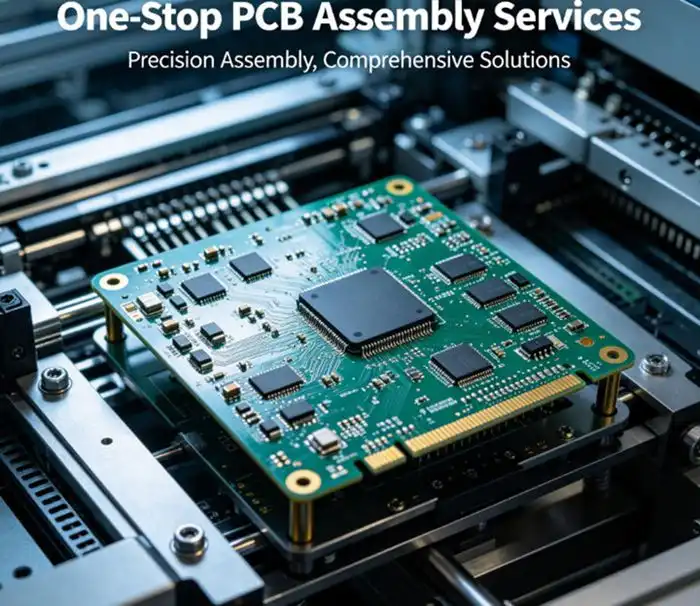
These problems can be solved by turn-key PCBA services, which take responsibility for the whole manufacturing process from start to finish. When you work with a full service, you're basically giving them the job of turning your design files into tested, working circuit boards that are ready to be put into robotic systems.
Key Components of Robotic PCBA Solutions
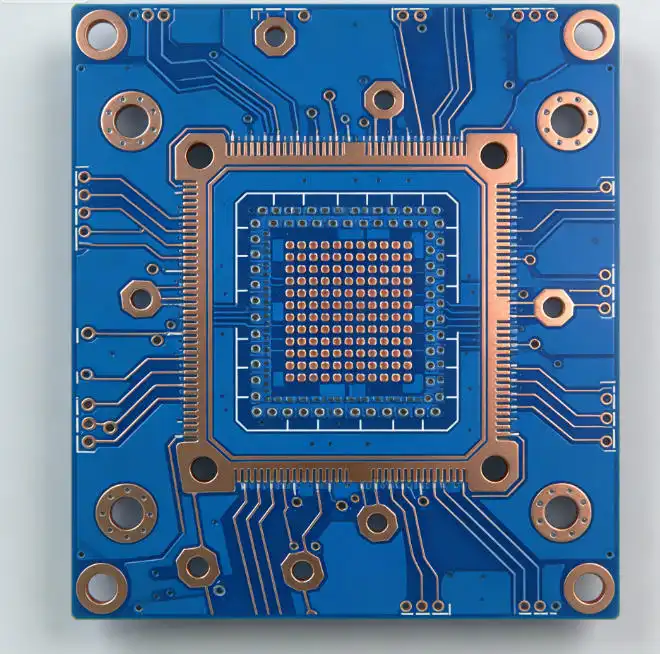
The electronic brain, which is the printed circuit board assembly that controls all movements and choices, is the most important part of any robotic system. Most of the time, these systems have advanced microcontrollers, fast processors, and custom integrated circuits that are made to handle AI algorithms and machine learning calculations.
Modern robotic PCBAs include RF units, wireless transceivers, and high-speed data buses, among other connection technologies. These parts make it possible for different robotic subsystems to work together without any problems, and they keep the exact timing needed for moves and reactions to be linked.
Design Considerations for Robotic Applications
Miniaturization is an important part of robotic technology, especially for things like medical surgical robots and self-driving drones that need to take up as little room as possible. Turnkey providers have to find a good mix between the number of components and how well they handle heat. This is done to make sure that high-performance processors can work effectively in small cases without getting too hot.
When it comes to robotic systems, where sensor data accuracy directly affects working precision, signal integrity is even more important. For keeping signal quality high on multi-layer boards, you need to use advanced design methods like controlled impedance routing, differential pair optimization, and strategic ground plane management.
Comparing Turnkey PCBA with Other Assembly Models for Robotics
In the competitive robots market, the choice between different assembly models can have a big effect on the time it takes to finish your project, the cost of it, and your overall success. When procurement managers know about these differences, they can make choices that are in line with their operational needs and strategy goals.
Full-Service Turnkey vs. Partial Assembly Models
Turnkey solutions take care of the whole project, from reviewing the initial design to testing it and delivering it. This method is very different from partial assembly models, where you have to work with many vendors, buy parts separately, and be in charge of quality control in many areas of the production process.
When you use a partial assembly model, you may need a lot of internal resources to handle your relationships with suppliers, make sure deliveries happen on time, and solve problems that come up between vendors. Turn-Key PCBA simplifies this process by integrating everything into one workflow. When problems happen, this separation can make it easy to point the finger at someone else, which can take longer to fix and affect your production plans.
Contract Manufacturing Considerations
Contract makers can make changes to your order, but they usually have longer wait times and higher minimum order amounts than specialized turnkey providers. It can take longer to start a project when there are a lot of complicated discussions about intellectual property security, quality standards, and who is responsible for what.
These are the main reasons why turnkey services are better than standard contract manufacturing:
• Streamlined Communication: Having a single point of contact between all the providers cuts down on misunderstanding and the work that goes into managing the project.
• Shorter time to market: Integrated processes and established supply networks make it easier to make prototypes and start production more quickly.
• Clear Budgeting: Consolidated price systems get rid of secret costs and make budgeting easier by making it easier to see how much money you have left over.
• Quality Accountability: End-to-end accountability makes sure that quality standards are met at all stages of production, so there are no breaks.
These benefits directly lower project risks and improve the efficiency of the supply chain. This is especially helpful for robotics companies that have to meet tight development deadlines and strict performance standards.
Scalability and Flexibility Considerations
Turnkey providers are great at handling different production rates, from small amounts for prototypes to large production runs. Scalability is very helpful for robots startups and established companies making new product lines, since it's hard to predict demand during the early stages of bringing a new product to market.
The Turnkey PCBA Manufacturing Journey for High-Precision Robotics
The process of making something starts with a full review of the design file and suggestions for how to make it better. Turnkey service providers with a lot of experience look over your Gerber files, bill of materials, and assembly plans to find problems that might come up during production. This could save you weeks of fixing later on.
Initial Design Review and DFM Analysis
Design for Manufacturing (DFM) research is an important first step where engineering teams check your design against best practices in the industry and the limitations of manufacturing. This study looks at the supply of parts, how hard they are to put together, how many tests are needed, and any ways that costs could be cut without affecting usefulness or dependability.
During this step, more experienced engineers might suggest different parts that are easier to find, work better, or cost less while still following the design directions. These suggestions can have a big effect on both how well a product is made and how well it does in the market over time.
Prototyping and Validation Stages
Rapid prototyping lets you make changes quickly, which is very important for robotics development projects. Modern turnkey factories can usually make prototypes in 5 to 7 business days. This gives engineering teams time to make sure their designs work, test their usefulness, and find ways to make things better before committing to bigger production runs.
Sample confirmation includes a lot of tests that make sure the electrical performance, mechanical soundness, and environmental compliance are all good. These tests mimic the real-life conditions and amounts of stress that robotic systems will face when they are put to use in the field, and Turn-Key PCBA ensures all these factors are thoroughly addressed from the start.
Quality Control and Certification Compliance
During the whole process of production, strict quality control measures make sure that industry standards are met, such as the IPC-6012 Class 3 requirements for high-reliability uses. At different steps of production, advanced inspection technologies like automatic optical inspection (AOI), X-ray analysis, and in-circuit testing check the quality of the assembly.
Certification compliance is very important for medical robots, car applications, and industrial automation systems that need to follow written quality management systems to meet legal requirements. Well-known turnkey companies keep certificates like ISO9001, ISO13485, IATF16949, and UL labels that make the process of qualifying customers easier.
How Turnkey PCBA Supports Procurement Efficiency and Risk Mitigation?
How well you buy things has a direct effect on how profitable your project is and how competitive your market is. Turnkey companies use established supplier networks and volume buying deals to get parts at good prices while still meeting quality standards and delivering on time.
Transparent Cost Structures and Budget Predictability
In traditional ways of buying things, there are often secret costs that show up during production. These can be changes in the prices of parts, fees for speeding up the process, and rework charges linked to quality. Most turnkey companies offer fixed-price quotes that cover all stages of production. This makes budgeting easier because you can see exactly how much the project will cost.
Another big benefit of turnkey partnerships is that they take care of managing parts that become obsolete. Expert service providers keep an eye on the state of each component's lifecycle and suggest options before problems with obsolescence cause production delays or need costly last-minute replacements.
Supplier Capability Assessment and Partnership Development
To form strategic partnerships with skilled service providers, you need to carefully look at their technical skills, production capacity, and quality control systems. Key evaluation factors include the level of complexity of the equipment, the engineer's knowledge, the ability to meet certification requirements, and the history of success with similar robotic uses.
When buying managers choose turnkey partners, they should look at the following:
• Manufacturing Capabilities: The ability to make multi-layer boards, the range of parts that can be handled, and the limits on how complicated an assembly can be
• Quality Systems: following certification rules, keeping track of defects, and correction action plans
• Engineering Support: knowledge of DFM, the ability to optimize designs, and the ability to solve technical problems
• Supply Chain Management: networks for getting parts, methods for managing supplies, and ways to check for obsolescence
These factors help make sure that the partners that are chosen can meet both short-term project needs and long-term strategic goals as robots product lines grow and change.
Risk Mitigation Through Integrated Services
Integrated service models lower the risks in the supply chain by putting all the responsibility for multiple production tasks on a single provider. This union gets rid of the chance that different companies won't be able to work together well, and it makes it easier to get problems fixed when they arise. Digital buying tools and real-time production tracking systems make it easier to see how things are being made and when they will be delivered. These systems make it possible to find and fix problems before they affect customer promises or timelines for entering the market.
Future Trends and Innovations in Turnkey PCBA for Robotics
The robotics business is still changing quickly, thanks to progress in AI, sensor technologies, and automating production. These changes have an immediate effect on the needs and ways of delivering services for turn-key PCBAs, bringing about new chances and problems for both service providers and clients.
Industry 4.0 Integration and Smart Manufacturing
Smart manufacturing technologies allow for real-time quality tracking and production optimization, which makes things more reliable and efficient. Advanced manufacturing execution systems keep track of the progress of each assembly through the production processes and change settings automatically to keep quality results at their best.
To keep production plans uniform and reduce unexpected downtime, predictive maintenance systems keep an eye on how well equipment is working and how parts are wearing down. These systems are especially useful for making a lot of robots, because on-time deliveries have a direct effect on how happy customers are and how competitive the market is.
Advanced Materials and Miniaturization Techniques
New base materials and advanced connection technologies make it possible for more components to fit into smaller spaces and for the electrical performance to improve. These improvements help robotics tasks that need more computing power but have to stay within strict size and weight limits. Flexible-rigid board designs can handle the complicated mechanical packing needs that come up with articulated robotic systems. These hybrid structures have the strength of stiff boards and the adaptability needed for moving parts and small placements.
Market Demand Evolution and Service Model Innovation
Service delivery models are changing because robotics startups and smaller companies want them more. For example, the minimum order quantity has been lowered, sample services have been sped up, and payment terms have become more open. Because of these changes, companies that don't have a lot of money but have a lot of promise for growth can use advanced manufacturing techniques.
When robotics companies are just starting out, collaborative engineering services can help them avoid common mistakes and learn faster by sharing knowledge and improving designs. Customers and turnkey providers both benefit from this method because it encourages long-term relationships and success for both sides.
Conclusion
Turn-Key PCBA services are very important for high-precision robot electronics because they offer complete manufacturing solutions that are tailored to the needs of robotic applications. Having one provider be responsible for design optimization, finding parts, assembly, and testing all in one place speeds up the buying process, lowers risks, and makes sure quality is always the same. As the robots industry grows and changes, turnkey partnerships provide the flexibility, technical know-how, and operating efficiency needed to succeed in this tough market segment.
FAQ
What makes Turn-Key PCBA ideal for robotics applications?
Turn-Key PCBA services are great for robots because they take responsibility for complicated assemblies that need to be accurate and reliable all the way through. This all-around method makes sure that quality standards are always met while also taking into account the unique needs of robotic systems that have advanced computers, many sensors, and the ability to handle them in real time.
How do lead times compare between turnkey and traditional assembly models?
Because their processes are integrated and their supplier networks are already set up, turnkey providers usually have shorter wait times. Traditional models may need 4 to 6 weeks to coordinate between many vendors. However, experienced turnkey providers can usually deliver prototype quantities within 5 to 7 working days and production runs within 2 to 3 weeks, based on how complicated the project is and how many units are needed.
What quality certifications should robotics companies prioritize?
Some important certifications are ISO9001 for quality management systems, IPC-6012 Class 3 for high-reliability applications, and ISO13485 for medical robots or IATF16949 for car applications. These approvals make sure that the ways things are made meet the strict needs of robotic uses where failure is not an option.
Partner with Ring PCB for Advanced Turn-Key PCBA Solutions
Ring PCB Technology Co., Limited offers excellent Turn-Key PCBA manufacturing options that are designed to work with high-precision robots. Our full range of services includes optimizing the initial design all the way through to final testing and delivery, making sure that your robotic systems meet the strictest performance requirements. We offer competitively priced solutions, fast service with online help 24 hours a day, seven days a week, and the ability to produce continuously for seven days, so we can meet or beat standard delivery times while still keeping high quality standards. Get in touch with our knowledgeable staff at [email protected] to talk about your robotics project needs and find out how our Turn-Key PCBA source services can help you succeed faster in product development.
References
1. Smith, J.A., "Advanced PCB Assembly Techniques for High-Precision Robotics Applications," Journal of Robotic Manufacturing, Vol. 34, No. 2, 2023, pp. 145-162.
2. Chen, L.K., "Turnkey Electronics Manufacturing: A Strategic Approach for Robotics Development," International Conference on Manufacturing Excellence, 2023, pp. 78-89.
3. Rodriguez, M.E., "Quality Management Systems in High-Reliability Electronics Assembly," Manufacturing Quality Review, Vol. 28, No. 4, 2023, pp. 203-218.
4. Johnson, R.T., "Supply Chain Optimization for Robotic Systems Manufacturing," Industrial Engineering Quarterly, Vol. 41, No. 3, 2023, pp. 112-127.
5. Park, S.H., "Design for Manufacturing Considerations in Robotic Electronics," Robotics Engineering Journal, Vol. 15, No. 6, 2023, pp. 245-259.
6. Thompson, K.L., "Future Trends in Electronics Manufacturing for Autonomous Systems," Technology Innovation Review, Vol. 22, No. 1, 2024, pp. 67-84.

Welcome to Ring PCB! Share your inquiry, and receive a tailored quotation!

Ring PCB, your trusted partner for PCB & PCBA Full Turnkey Solutions