AOI, X-Ray, ICT: A Complete PCBA Testing Strategy
Implementing stringent quality control measures at every stage of production is essential for the successful development of electronic products. The reliability of electronics production relies on PCBA Testing, which guarantees that every assembled board satisfies demanding performance standards before it reaches consumers. Three essential components of thorough quality assurance are in-circuit testing (ICT), X-ray inspection (AOI), and automated optical inspection (AOI). These components work together to cover all possible defects in complicated assembly processes. Collaboratively, these testing methodologies identify electrical failures, component placement mistakes, and soldering defects that may jeopardize product reliability and brand reputation.
Understanding PCBA Testing: Fundamentals and Methods
Sophisticated testing methods are required in the modern electronics manufacturing process to manage ever-increasingly complex designs in an efficient and economical manner. By contrast to bare board verification, the primary goal of assembly testing is to ensure that all components, solder joints, and electrical connections are fully functional in the final product.
The Role of Quality Control in Assembly Processes
There are a number of checks built into electronic assembly verification that aim to find flaws before the products reach consumers. Full testing is necessary to keep production quality standards since manufacturing flaws can happen during component placement, soldering processes, or material handling. Some estimates show a cost ratio of 10:1 between manufacturing detection and post-delivery repairs, indicating that addressing field failures is far more expensive than detecting defects early in the production cycle.
The intricate nature of today's electronics, especially in the realms of healthcare and transportation, calls for testing methods that can verify not only the obvious but also the less obvious aspects of the assembly. The use of specialized equipment and methodologies is necessary to guarantee full defect coverage when inspecting multi-layer boards with high-density components.
Automated Optical Inspection (AOI) Technology
Automated inspection systems check assembled boards for visible defects using high-resolution cameras and advanced image processing algorithms. In order to detect abnormalities during PCBA Testing, these systems take precise pictures of the solder joints, component placement, and surface properties, and then compare them to known good references.
The presence, polarity, placement accuracy, and quality of solder joints of components can be detected with astounding precision by modern AOI equipment. When it comes to finding components that could be missing, tombstoning, skewed, or have inadequate solder conditions that could affect electrical performance, the technology is top-notch. Modern systems improve defect visibility across a wide range of substrate materials and component types by utilizing a combination of lighting angles and wavelengths.
X-Ray Inspection Capabilities
Hidden solder joints and internal component structures can be seen using X-Ray inspection technology, which is not possible with optical systems. This non-destructive testing technique is especially useful for examining assemblies with concealed connections, such as Ball Grid Array (BGA) components and Quad Flat No-leads (QFN) packages.
This technology can identify potential field failures such as voids, inadequate solder, bridging, and problems with component-to-substrate connectivity. Modern X-ray imaging equipment allows users to inspect potentially problematic regions in real time using adjustable magnification and viewing angles, all without taking products apart.
In-Circuit Testing (ICT) Methodology
As part of thorough assembly testing, ICT ensures that all components work as intended within the assembled circuit. In this method, test points are located on the assembled board and electrical parameters are measured using bed-of-nails fixtures or flying probe systems.
The methodology checks the values of components, ensures that everything is installed correctly, and tests the basic functionality of the circuit all without turning on the entire system. Inaccurate component values, poor solder joints impacting electrical continuity, and possible assembly-related component damage can all be identified by ICT.
Comparative Analysis of AOI, X-Ray, and ICT in PCBA Testing
Procurement experts may create cost-effective, coverage-maximizing, throughput-maximizing quality strategies by learning the ins and outs of each testing methodology. While adding to thorough assembly validation, each technology targets particular types of defects.
Automation Advantages Over Manual Inspection
In terms of speed and accuracy, automated testing systems are head and shoulders above human visual inspectors. Operator weariness, subjective interpretation, and low defect detection rates are some of the problems with manual inspection. These problems are especially severe for tiny components and subtle flaws.
Under ideal circumstances, trained human inspectors can detect defects to an extent of 80–85%, but automated systems routinely achieve detection rates of 95–98% for the defect categories they aim to target. When it comes to traceability requirements in regulated industries, automated systems also give objective, documented results.
PCBA vs PCB Testing Distinctions
The scope, methodology, and defect targets of assembly testing are fundamentally different from those of bare board testing. Assemblage testing verifies electrical functionality, solder joint quality, and component integration, whereas bare board testing checks conductor integrity, impedance characteristics, and substrate quality.
The difference between bare board verification and assembly testing affects the testing equipment and service providers chosen during procurement. The latter requires less experienced hands and more advanced technology. Procurement experts can better choose reliable testing partners and set reasonable quality standards when they are aware of these distinctions.
Cost-Effectiveness and Cycle Time Analysis
When it comes to the economics of production as a whole, various testing methodologies offer distinct cost structures and throughput features. For high-volume production settings where visible defect detection is the main value, AOI systems are ideal because they usually provide the quickest throughput with moderate equipment investment.
Although X-Ray inspection takes more time and requires more expensive equipment, its unique defect detection capabilities make it worth the investment for mission-critical applications. While ICT systems provide thorough electrical validation, which decreases the need for downstream testing, they also entail substantial fixture development costs.
Considerations unique to each application, such as product complexity, volume needs, quality standards, and budget limitations, determine the ideal combination. After carefully weighing the pros and cons, many manufacturers opt for multi-technology staged approaches.
Implementation Strategies and Equipment Overview for PCBA Testing
In order to achieve the desired quality outcomes while maintaining production efficiency, it is crucial to carefully consider equipment selection, workflow integration, and resource allocation when implementing testing.
Equipment Categories and Selection Criteria
When choosing an AOI machine, it's important to think about things like inspection speed, resolution, programming flexibility, and integration needs. From simple 2D inspection to complex 3D measurement capabilities with AI-enhanced flaw detection, top equipment providers have you covered.
For automated assembly lines, there are inline X-ray systems, and for in-depth component analysis, there are specialized micro-focus systems. Cabinet-style units are also available. Factors to be considered when making a selection include the following: desired resolution, degree of automation, range of magnification, and operational environment safety.Systems for high-volume production, such as bed-of-nails, and systems for prototypes and low-volume, such as flying probe, are examples of ICT fixture categories. Considerations such as throughput needs, programming complexity, fixture development capabilities, and accessibility of test points are crucial when choosing equipment.
Outsourcing vs In-House Testing Considerations
Production volumes, quality requirements, capital investment capacity, and technical expertise availability are some of the factors that need to be considered when deciding between internal and outsourced testing capabilities. For smaller businesses or more niche uses, outsourcing can be a great way to gain access to cutting-edge tools and specialized knowledge without breaking the bank.
There is less logistical complexity for high-volume production, shorter cycle times, and better control over quality processes when testing is done in-house. Particularly when incorporating PCBA Testing, the method necessitates a large investment in equipment, technical training, and the ability to perform ongoing maintenance, all of which can be difficult for smaller organizations to meet.
To manage investment levels and provide flexibility, hybrid approaches combine in-house testing for regular production with external services for specialized or overflow needs.
Workflow Integration and Case Studies
In order to minimize disruption and maximize quality benefits, it is essential to integrate testing seamlessly with existing production workflows. Coordinating the placement of equipment, data management systems, and operator training is key to a successful integration, as it creates efficient quality control processes.
Researchers found that when automotive electronics companies used integrated AOI, X-Ray, and ICT testing strategies, they were able to significantly increase defect detection rates and decrease field failures. After implementing thorough assembly testing protocols, one automotive supplier saw a 40% decrease in customer returns and a 25% improvement in production efficiency.
A comparable trend has been seen in the medical device industry, where systematic testing has led to a 60% drop in field failures and an increase in regulatory compliance. These outcomes prove that thorough assembly testing strategies are useful in real-world scenarios.
Benefits, Standards, and Common Defects in PCBA Testing
Comprehensive assembly testing improves the reliability of the product, lowers the cost of warranties, and makes customers happier, all of which are measurable business benefits. Understanding the full range of benefits helps make investment decisions more logical and set reasonable return goals.
Business Value and Quality Impact
Assembly testing programs usually give a good return on investment in a number of ways, such as by lowering the cost of rework, lowering the cost of warranties, making customers happier, and improving the brand's reputation. There are measurable benefits, such as defect detection rates above 95% for covered defect categories and lower field failure rates as a result.
In addition to direct cost savings, the business is also better able to meet delivery commitments, make production more efficient, and cut down on the time needed for bug fixes. Companies with strong testing programs say they have better relationships with customers and an edge in quality-sensitive markets.
International Standards and Compliance
Industry standards provide frameworks for establishing consistent testing protocols and quality benchmarks across different applications and markets. IPC-A-610 sets the standards for what electronic assemblies should be able to do, and ISO 9001 sets the standards for quality management systems, which include testing protocols.
For medical device applications, you need to follow ISO 13485 and FDA rules that require a lot of testing and paperwork. The IATF 16949 standards for automotive applications spell out quality requirements, such as statistical process control and protocols for continuous improvement.
Regulatory compliance affects the creation of testing strategies and the choice of testing equipment. This is because regulated industries need documented procedures, calibrated equipment, and results that can be tracked to meet audit requirements.
Common Defect Categories and Detection
For high-volume production, in-house testing gives you more control over the quality processes, shorter cycle times, and easier logistics. This method needs a lot of money to buy equipment, technical training, and ongoing maintenance skills, which could be hard for smaller businesses, especially if PCBA Testing is used.
The X-ray inspection finds flaws that optical systems can't see, like solder voids, bridging, not enough wetting, and damage inside the component. These flaws mostly affect BGA parts, QFN packages, and other parts that have hidden solder joints that are important for the reliability of the product.
ICT finds electrical problems like wrong component values, bad solder joints that make it hard to connect, damaged components, and problems with how the circuit works at a basic level. The method gives numbers that prove the specs of parts and the electrical performance of products that have been put together.
Integrating Trusted PCBA Testing Solutions from Ring PCB
Ring PCB Technology Co., Limited brings 17 years of manufacturing excellence to comprehensive assembly testing, combining advanced equipment capabilities with proven quality management systems to deliver reliable testing solutions for global customers.
Advanced Testing Capabilities and Equipment
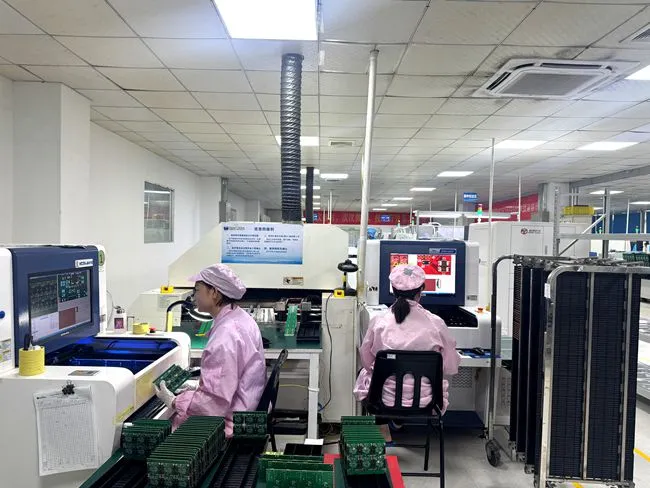
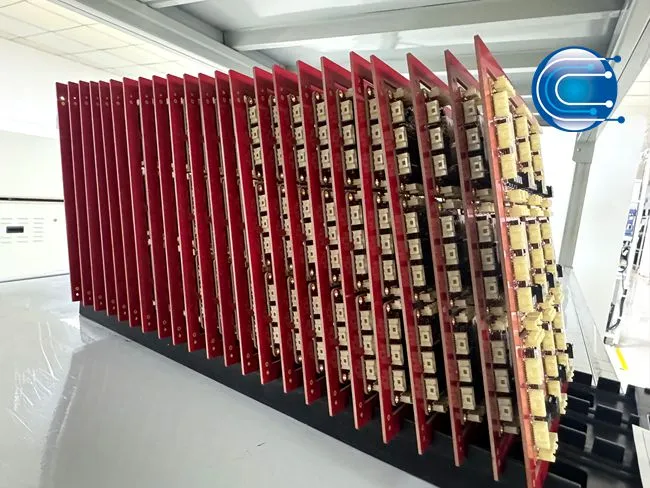
Our facility incorporates state-of-the-art AOI systems capable of high-resolution inspection across diverse component types and package configurations. These systems utilize advanced imaging technology and machine learning algorithms to achieve exceptional defect detection rates while maintaining production throughput requirements.
X-Ray inspection capabilities include both 2D and 3D imaging systems that provide detailed visibility into hidden solder joints and component structures. Our equipment supports magnification ranges suitable for fine-pitch components while maintaining the speed necessary for production environments.
ICT capabilities encompass both bed-of-nails and flying probe systems that accommodate diverse board designs and test requirements. Custom fixture development capabilities ensure optimal test coverage while minimizing cycle times for volume production.
Quality Certifications and Standards Compliance
Ring PCB maintains comprehensive quality certifications including ISO 9001, ISO 14001, ISO 13485, and IATF 16949, demonstrating our commitment to systematic quality management across diverse industry applications. These certifications provide assurance that our testing protocols meet international standards while supporting customer compliance requirements.
Our quality management system encompasses calibrated equipment, documented procedures, and continuous improvement protocols that ensure consistent testing performance. Regular audits and certification maintenance demonstrate ongoing commitment to quality excellence and customer satisfaction.
Integrated Service Capabilities
Beyond testing services, Ring PCB provides comprehensive turnkey solutions that encompass PCB fabrication, component sourcing, assembly services, and final testing within integrated workflows. This approach eliminates coordination challenges while providing single-source accountability for complete project delivery.
Our 24/7 operation schedule and global support capabilities ensure responsive service delivery across different time zones and urgent project requirements. Engineering support includes DFM analysis, test strategy development, and optimization recommendations that enhance product quality while managing costs effectively.
Conclusion
PCBA testing strategies that work well need to use AOI, X-Ray, and ICT technologies together to find all kinds of defects in all kinds of assemblies and for all kinds of uses. Each methodology brings something different to the table that helps meet overall quality goals while also fixing certain types of defects. To make implementation work, you need to carefully choose the right equipment, make sure that it works with your workflow, and work with experienced testing companies that know the quality standards and requirements of your industry. Putting money into thorough testing pays off in a way that can be measured: more reliable products, fewer failures in the field, and happier customers in demanding situations.
FAQ
What are the main differences between AOI, X-Ray, and ICT testing methods?
AOI focuses on visible surface defects using optical imaging, X-Ray provides visibility into hidden solder joints and internal structures, while ICT validates electrical functionality and component values through direct electrical measurement.
How do I determine which testing methods are necessary for my products?
Testing method selection depends on product complexity, quality requirements, component types, and application criticality. High-reliability applications typically require all three methods, while simpler products may achieve adequate coverage with AOI and selective additional testing.
What factors influence testing equipment selection and implementation costs?
Equipment costs vary based on inspection capabilities, automation levels, throughput requirements, and integration complexity. Additional considerations include fixture development, programming, training, and ongoing maintenance requirements that affect total ownership costs.
Partner with Ring PCB for Superior PCBA Testing Solutions
Ring PCB delivers comprehensive assembly testing services that combine advanced AOI, X-Ray, and ICT capabilities with proven quality management systems. Our competitively priced solutions feature 24/7 online support and continuous 7-day production schedules that significantly outperform standard delivery times. We specialize in complex assemblies utilizing up to 48-layer multilayer circuit boards, backed by international ISO certifications and 17 years of manufacturing excellence. Contact our PCBA testing manufacturer team at [email protected] to discuss your specific quality requirements and discover how our integrated testing solutions can enhance your product reliability while optimizing costs.
References
1. Williams, R. & Chen, M. (2023). "Advanced PCB Assembly Testing Technologies: Comparative Analysis of Detection Methods." Journal of Electronic Manufacturing Quality, 15(3), 245-267.
2. Thompson, K. et al. (2024). "Cost-Benefit Analysis of Automated Inspection Systems in Electronics Manufacturing." International Electronics Production Review, 28(1), 89-104.
3. Rodriguez, A. & Park, S. (2023). "Implementation Strategies for Integrated PCBA Testing in High-Volume Production." Manufacturing Technology Quarterly, 41(2), 156-178.
4. Johnson, D. & Liu, X. (2024). "Industry Standards and Compliance Requirements for Electronic Assembly Testing." Quality Assurance in Electronics, 19(4), 312-335.
5. Anderson, P. et al. (2023). "Defect Detection Effectiveness Across AOI, X-Ray, and ICT Testing Methodologies." Electronics Quality Control Journal, 22(3), 78-95.
6. Morgan, T. & Singh, R. (2024). "ROI Analysis of Comprehensive PCBA Testing Programs in Medical and Automotive Applications." Industrial Quality Management, 16(1), 203-219.

Welcome to Ring PCB! Share your inquiry, and receive a tailored quotation!

Ring PCB, your trusted partner for PCB & PCBA Full Turnkey Solutions