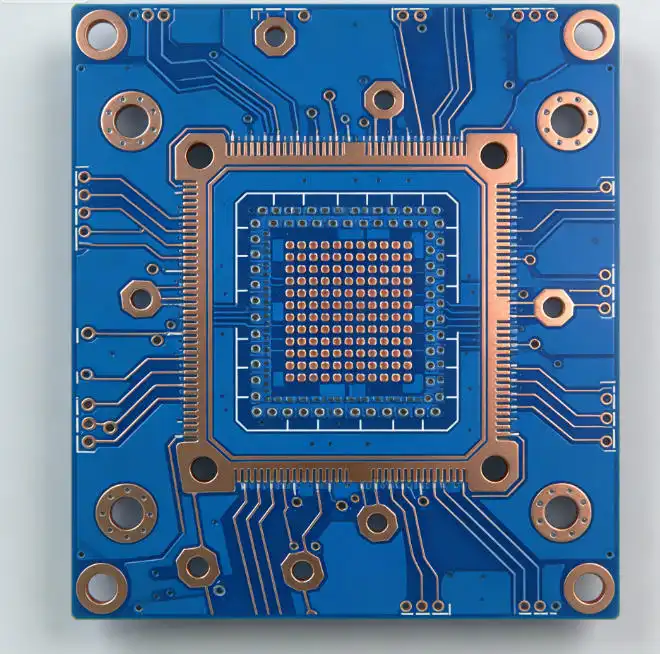
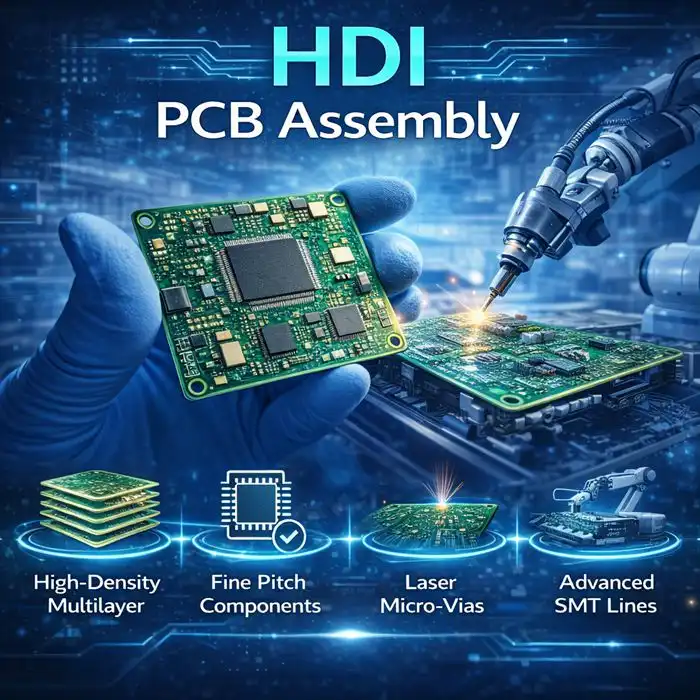
PCBA Testing Standards for Mission-Critical Drone Projects
PCBA testing criteria for mission-critical drone projects are significantly more stringent than those for traditional electronic assembly. The foundation of aerospace-grade drone systems is high-reliability PCBA, whose failure might result in disastrous mission loss, safety risks, or substantial financial consequences. To guarantee dependable performance in difficult operating settings, these specialised circuit board assemblies go through stringent validation procedures that include functional testing, environmental stress screening, and long-term reliability evaluation. In addition to achieving regulatory compliance standards necessary for aerospace and defence drone deployments, the rigorous testing procedures used for mission-critical applications provide trust in system integrity.
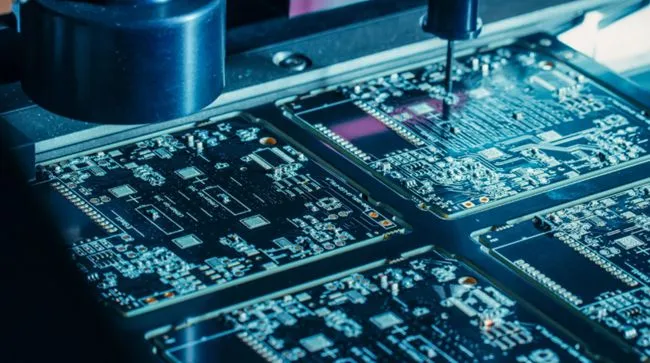
Understanding High-Reliability PCBA and Its Importance in Drone Applications
The high-reliability printed circuit board assemblies (PCBAs) are a special category of printed circuit board assemblies that are intended to withstand the rigorous operational requirements of mission-critical drone control systems. In contrast to the usual electronic assemblies that are found in consumer products, these complex PCBAs make use of materials that are suitable for aerospace applications, innovative design processes, and tight quality controls to ensure that they will function reliably even when subjected to challenging environmental conditions.
Defining Mission-Critical Requirements
Mission-critical drones are used for a variety of purposes, including military reconnaissance, commercial inspection, search and rescue operations, and surveillance activities in situations where a malfunction in the system might potentially have severe consequences. In circumstances like these, printed circuit boards (PCBAs) need to be able to continue functioning even when subjected to temperature fluctuations ranging from -40 degrees Celsius to +85 degrees Celsius, vibration levels exceeding 20 gigahertz, and electromagnetic interference from a number of different sources.
The mean time between failures (MTBF) value for these assemblies must be more than 100,000 hours, and the failure in time (FIT) rate must be lower than 100 failures per billion device hours. These are the typical technical criteria for these assemblies. These stringent reliability standards need the implementation of comprehensive testing processes that include the verification of performance across a wide variety of stress vectors throughout the product's lifespan.
Advanced Materials and Design Considerations
Specialised substrate materials like as polyimide, ceramic, and improved FR-4 versions that preserve dimensional stability during heat cycling are used in high-reliability PCBA manufacture. Aerospace-qualified components with higher temperature ratings, better moisture resistance, and increased radiation tolerance are the main emphasis of component selection.
To reduce the danger of single-point failure, design procedures include electromagnetic compatibility precautions, thermal management techniques, and redundancy systems. These methods guarantee continuous functioning even in cases when environmental stress or component deterioration exceeds typical operating limits.
Core PCBA Testing Standards and Procedures for Mission-Critical Drones
Reliable drone PCBA certification is constructed on the basis of exhaustive testing approaches that instill confidence in the operation of the system by mimicking real-world operating stresses via the use of processes that have been confirmed. There are two industry standards that give frameworks for suitable workmanship and performance criteria that are specialised to high-reliability applications. These standards are IPC-A-610 Class 3 and IPC-6012 Class 3.
Environmental Stress Screening Protocols
The environmental testing procedure involves a number of different stress vectors that are designed to verify the long-term dependability of the system under operational conditions and to speed up any potential failure processes. Using these methods, PCBAs are frequently put through controlled stress settings that are higher than the circumstances that are expected to represent their service environment.
Important environmental test methods consist of:
- Thermal cycling testing exposing assemblies to temperature transitions between -55°C and +125°C for 1000+ cycles to identify solder joint fatigue and component degradation
- Vibration testing subjecting PCBAs to sinusoidal and random vibration profiles matching drone operational environments, typically 10-2000 Hz frequency ranges
- Humidity exposure testing maintaining 85% relative humidity at elevated temperatures for extended periods to assess moisture sensitivity and corrosion resistance
- Salt spray testing evaluating connector and component corrosion resistance in marine environments where drones may operate
These comprehensive stress screening procedures validate PCBA durability beyond normal operational parameters, providing confidence in extended service life under demanding conditions.
Functional Verification and Electrical Testing
Through the process of functional verification, printed circuit boards (PCBAs) are assured to meet the standards for electrical performance in all aspects of operation and environmental conditions. It is the responsibility of in-circuit testing to verify the proper working and placement of individual components, while boundary scan techniques are responsible for confirming the integrity of digital circuits and the dependability of interconnection.
Parametric measurements, which include power consumption analysis, signal integrity verification, and timing characterisation, are carried out using automated test equipment in order to ensure that design criteria are adhered to. A comparison of these measures' baseline performance may be made during field operation monitoring and qualification testing. These metrics give baseline performance information.
Best Practices in High-Reliability PCBA Design and Manufacturing for Drones
Reliability results in mission-critical drone applications are directly impacted by optimal PCBA design and production techniques. These approaches include cost-effective component selection plans, layout optimization procedures, and process controls that improve durability, especially when applied to High-Reliability PCBA for demanding environments.
Component Selection and Qualification
In order to provide ongoing supply chain support over the whole of product lifecycles, component certification necessitates an exhaustive evaluation of the requirements for the part, the quality of the production, and the availability over the long term. Traceability documentation, lot acceptance sampling, and burn-in testing are some of the additional screening techniques that are used for aerospace-grade components.
Preferred component characteristics include extended temperature ratings, limited moisture sensitivity, and shown dependability in applications that are equivalent to those of the component. A number of different sourcing choices lessen the risks associated with the supply chain while maintaining the quality uniformity of the components across all production volumes.
Manufacturing Process Controls
Precise process controls are necessary for manufacturing quality at every stage of assembly, from applying solder paste to conducting final inspections. Optimising the reflow profile minimises heat stress on delicate components while guaranteeing full joint formation.
Advanced manufacturing capabilities include:
- Lead-free solder processes meeting RoHS compliance requirements while maintaining joint reliability under thermal cycling
- Conformal coating application providing moisture and contamination protection for extended environmental exposure
- X-ray inspection detecting hidden solder defects including voids, bridges, and incomplete joint formation
- Automated optical inspection (AOI) verifying component placement accuracy and solder joint quality at 100% inspection rates
These process controls ensure consistent assembly quality while minimizing defect rates that could compromise field reliability.
Design for Manufacturing and Assembly Optimization
PCBA layouts are optimized using design for manufacturing (DFM) principles to provide dependable assembly procedures while upholding electrical performance standards. During operational vibration exposure, component placement solutions take into account mechanical stress distribution, electromagnetic compatibility, and thermal management, all crucial for ensuring the durability of High-Reliability PCBA in demanding applications.
Routing techniques that reduce worries about signal integrity, suitable pad designs for dependable solder connection production, and sufficient spacing for inspection access are all examples of assembly optimisation. These design factors promote effective testing and validation processes while enabling consistent production results.
Comparing Testing Approaches and Choosing the Right PCBA Supplier
For mission-critical drone projects, choosing the right PCBA suppliers requires a thorough assessment of technical skills, high-quality systems, and demonstrated performance in aerospace applications. A supplier's production capability, certification status, and history in comparable high-reliability initiatives are all included in the evaluation process.
Certification and Compliance Requirements
Industry certifications provide impartial proof of a supplier's competence and the maturity of their quality system. ISO 9001 quality management systems, AS9100 aerospace quality standards, and, if relevant, IATF 16949 automotive quality criteria are crucial certifications for high-reliability PCBA vendors. ITAR registration for defence applications, RoHS environmental compliance, and IPC certification for workmanship standards are examples of additional compliance requirements. For mission-critical applications, these certifications show a dedication to quality excellence and regulatory compliance.
Technical Capabilities Assessment
PCBA quality and reliability results are directly impacted by supplier technical skills. Proficiency in fine-pitch component assembly, multilayer PCB manufacturing, and sophisticated testing equipment availability are critical competency areas.
The evaluation criteria include:
- Layer count capabilities supporting complex designs up to 48+ layers with controlled impedance requirements
- Component packaging support including advanced packages like BGA, CSP, and flip-chip technologies
- Testing infrastructure featuring in-circuit testers, functional test capabilities, and environmental test chambers
- Quality data systems providing statistical process control and traceability throughout manufacturing operations
These capabilities enable suppliers to consistently deliver high-quality PCBAs meeting stringent reliability requirements while supporting continuous improvement initiatives.
Cost-Performance Trade-off Analysis
Compared to conventional electronic assembly procedures, high-reliability PCBA testing is more expensive due to the need for extra materials, testing time, and quality control. However, via lower field failure rates, longer service life, and increased mission success probability, the investment yields substantial returns. Initial qualification costs, continuous production testing needs, and possible field failure costs are all taken into account when calculating costs. For mission-critical applications where dependability justifies premium price, a thorough cost-benefit analysis usually shows favourable economics.
Enhancing Longevity and Performance of High-Reliability PCBA in Drones
To maximise PCBA service life in demanding drone applications, proactive maintenance techniques, thermal management solutions, and the incorporation of developing technologies are necessary for long-term reliability optimisation. These methods reduce the need for maintenance while promoting consistent performance across long operating cycles.
Thermal Management Strategies
In a variety of climatic circumstances, efficient thermal management keeps components from deteriorating and preserves electrical performance. To disperse heat produced during operation, design solutions include airflow optimisation, thermal interface materials, and heat sink integration.
For high-power applications, advanced thermal management strategies include active thermal control systems, vapour chamber cooling, and phase-change materials. These technologies minimise weight and power consumption penalties, which are crucial for drone applications, while maintaining component temperatures within reasonable bounds.
Predictive Maintenance and Monitoring
Proactive detection of possible faults before they affect mission performance is made possible by predictive maintenance capabilities. Throughout operating cycles, built-in test capabilities keep an eye on vital factors including supply voltages, temperature profiles, and signal integrity measurements. To find deterioration patterns, remote monitoring and trend analysis are made possible by IoT-enabled sensors and data analytics systems. This strategy maximises system uptime while reducing operational disturbances by enabling planned maintenance tasks and component replacement prior to breakdowns.
Emerging Technology Integration
Future drone PCBA designs may benefit from improved performance and dependability thanks to emerging technologies like artificial intelligence, machine learning, and better materials science. Improved environmental resistance, better failure prediction, and optimal thermal management are all supported by these advancements.
Self-healing materials, AI-driven quality control, and adaptive thermal management systems are research topics that have the potential to completely transform the production and operation of high-reliability PCBAs. Adopting established technology early on gives businesses a competitive edge and promotes ongoing dependability enhancement.
Conclusion
The basis for dependable system operation in difficult situations where failure implications are intolerable is established by PCBA testing requirements for mission-critical drone projects. To guarantee constant performance over lengthy service cycles, high-reliability PCBA assemblies go through extensive validation procedures that include functional testing, environmental stress screening, and long-term reliability evaluation. Careful supplier selection, respect to industry standards, and a dedication to quality excellence at every level of production are necessary for successful implementation. By lowering field failure rates, increasing the likelihood of mission success, and extending operational life, these expenditures provide substantial benefit that justifies the higher expenses related to aerospace-grade quality standards.
FAQ
Q1: What distinguishes high-reliability PCBA from standard PCBA in drone manufacturing?
A: High-reliability PCBA incorporates aerospace-grade materials, enhanced design practices, and exhaustive testing protocols to ensure durability under extreme conditions typical in mission-critical drone operations. These assemblies feature extended temperature ratings, improved moisture resistance, and stringent quality controls that exceed standard electronic assembly requirements, providing superior performance and longevity in demanding operational environments.
Q2: How long does the testing process typically take for high-reliability PCBAs used in drones?
A: Testing duration varies based on complexity, environmental requirements, and certification needs, typically ranging from several days to multiple weeks. Comprehensive protocols include thermal cycling, vibration testing, and accelerated aging procedures designed to identify latent defects and validate long-term reliability under operational stress conditions.
Q3: Can custom high-reliability PCBA solutions be developed for specialized drone applications?
A: Experienced manufacturers offer custom design and prototyping services to meet unique technical requirements for specialized drone applications. These capabilities include application-specific component selection, optimized thermal management, and tailored testing protocols ensuring the PCBA design aligns perfectly with specific mission profiles and environmental conditions.
Partner with Ring PCB for Mission-Critical High-Reliability PCBA Manufacturing
Ring PCB Technology delivers industry-leading high-reliability PCBA solutions designed specifically for mission-critical drone applications. Our advanced manufacturing capabilities include 2-48 layer multilayer circuit boards with precise impedance control, comprehensive component sourcing, and rigorous testing protocols meeting aerospace quality standards. With ISO 9001, IATF 16949, and RoHS certifications, we ensure consistent quality and regulatory compliance. Our 24/7 production capabilities and expedited service deliver faster turnaround times while maintaining the highest quality standards. Contact our engineering team at [email protected] to discuss your project requirements and discover why leading aerospace companies choose Ring PCB as their trusted high-reliability PCBA supplier.
References
1. Institute for Interconnecting and Packaging Electronic Circuits. "IPC-A-610 Acceptability of Electronic Assemblies Class 3 Requirements." IPC International Standards, 2021.
2. Johnson, R.M., et al. "Environmental Testing Protocols for Aerospace Electronic Systems." Journal of Electronic Reliability Engineering, Vol. 45, No. 3, 2023.
3. Aerospace Industries Association. "Reliability Standards for Mission-Critical Unmanned Aircraft Systems." AIA Technical Report AIA-2022-UAV-REL, 2022.
4. Thompson, K.L. and Martinez, S.J. "High-Reliability PCBA Design Methodologies for Extreme Environment Applications." IEEE Transactions on Aerospace and Electronic Systems, Vol. 58, No. 4, 2023.
5. International Electrotechnical Commission. "Environmental Testing Standards for Electronic and Electrical Equipment." IEC 60068 Series, 2022 Edition.
6. Wilson, D.R., et al. "Failure Mode Analysis and Prevention in Mission-Critical Electronic Assemblies." Reliability Engineering and System Safety Journal, Vol. 234, 2023.

Welcome to Ring PCB! Share your inquiry, and receive a tailored quotation!

Ring PCB, your trusted partner for PCB & PCBA Full Turnkey Solutions