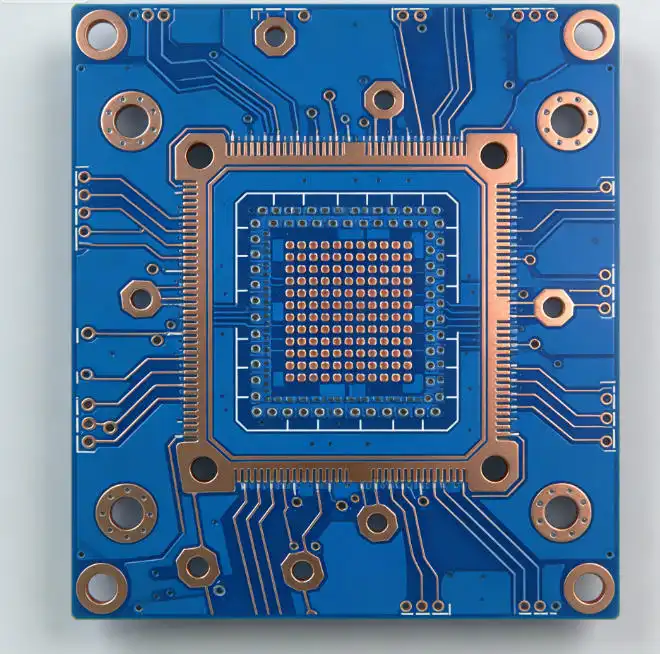
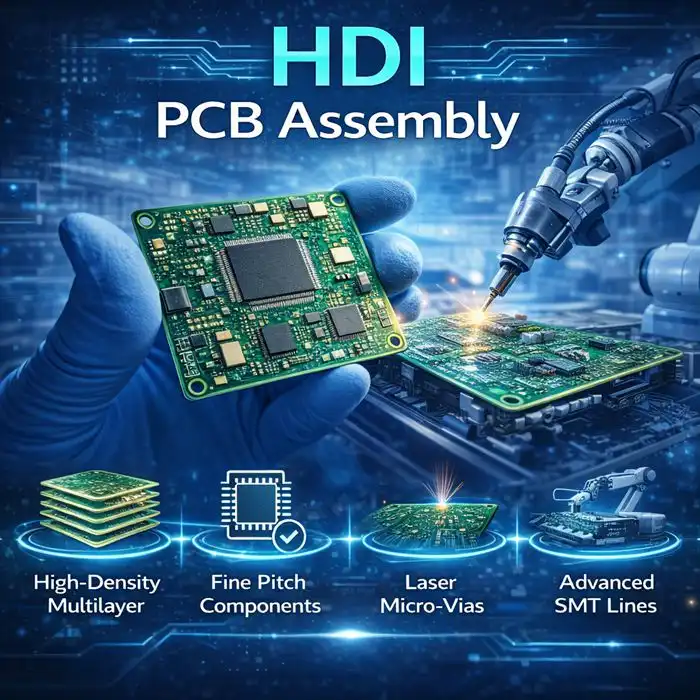
PCB production is the basis of modern electronic innovation. It takes simple materials and turns them into complex circuits that power everything from cell phones to medical devices. To make good circuit boards, you need to pay close attention to design specs, choosing the right materials, and quality control procedures that ensure the boards work well and are reliable. Electronic goods today are very complicated, so companies that make them need to work with partners who know a lot about making multi-layer boards, placing components precisely, and managing heat. Whether you're making prototypes for electronics in cars or increasing production for consumer electronics, knowing the basics of how to make circuit boards well can have a big effect on the success, timeliness, and total cost-effectiveness of your project.
Understanding the PCB Production Process
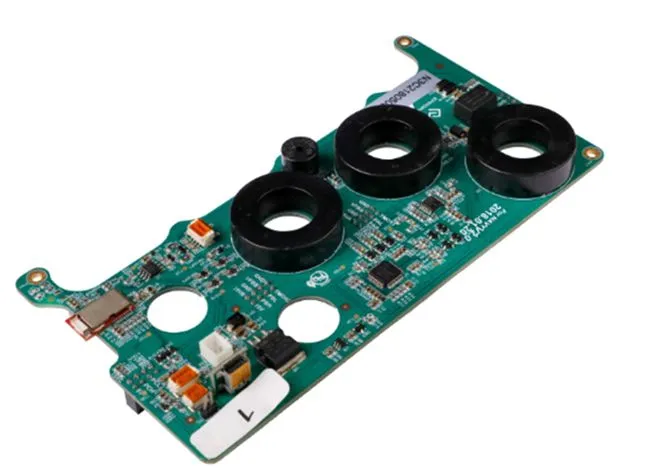
Copper-clad laminates are turned into working electronic assemblies through a series of complex steps in modern circuit board production. The first step is to prepare the design files. This is where engineering teams turn schematic diagrams into detailed manufacturing directions that tell automated equipment how to do each step of the production process.
Core Materials and Their Impact on Performance
Choosing the right materials is the first step in making a good circuit board within efficient PCB Production. Copper-clad laminates are the main material used for electrical paths. FR-4 is still the standard in the industry for most uses because it is good at insulating electricity and staying stable at different temperatures. For many high-frequency uses, special materials are needed, like Rogers or Teflon-based surfaces that keep the signal strong at gigahertz frequencies. Copper thickness has a direct effect on how much power it can carry and how quickly it loses heat.
Standard choices range from 0.5 oz to 4 oz copper weight. Heavier copper layers are better for high-power uses, while lighter weights work better for signal processing circuits. The choice affects both the electrical performance and the complexity of the manufacturing process. It also changes how often drill bits wear out and how much cutting is needed.
Manufacturing Phases and Quality Checkpoints
There are several important steps in the production process that need to be carefully monitored and checked. Cleaning and treating the surface of the substrate are part of preparing it for lamination. The engineering standards for layer stackup construction are followed, with prepreg materials bonding copper layers under controlled temperature and pressure. Using computer-controlled equipment that keeps tight tolerances, drilling processes make through holes and mounting points for parts. Copper is plated into holes that have been drilled, making electrical links between layers and building up surface traces to a certain thickness. Putting on a solder mask shields copper traces from the environment and marks where components can be attached using solder.
Key Tips for Optimising PCB Production Efficiency
To get the most out of your manufacturing process, you need to fix common problems that slow things down and cost more. About 60% of production delays are caused by problems with the design, so reviewing and validating the design early on is very important for keeping to schedules.
Eliminating Common Production Bottlenecks
Material availability is a big problem in the modern supply chain, especially when it comes to specific substrates and parts. Setting up relationships with multiple suppliers and keeping strategic amounts of inventory on hand can help prevent shortages. Design mistakes found during setup for production can cause big delays, which shows how important it is to check all the design rules and make sure the product can be made. Planning is needed to get the tools ready, especially for boards with a lot of layers that need to be drilled multiple times and have special fittings made. Modern makers buy flexible tooling systems that cut down on the time needed to set up different product configurations. This makes transitions faster, and the equipment works better overall.
Balancing Quality Standards with Cost Control
When the right planning and supplier selection methods are used, cutting costs can be done without lowering quality standards. When you combine the volume of several projects, you can get better prices on materials while still meeting the needs of each project. Effective panelization and standard via sizes are two design optimisation techniques that make manufacturing simpler without sacrificing usefulness. Quality standards, such as IPC-6012 Class 3, set clear guidelines for what is acceptable and how to get consistent results. By using statistical process control, companies can find differences in their products before they affect the quality of the final product. This cuts down on the need for rework and delivery delays.
Comparative Insights for Making Informed PCB Production Decisions
People who work in procurement have to make tough choices about suppliers whose skills, lead times, and prices can vary a lot depending on how the goods are made and where they are made.
Evaluating Lead Time and Cost Drivers
Production times usually vary from 5 to 15 business days, but they depend on the number of layers, the quantity, and the complexity of the specifications. For pressing prototyping needs, quick-turn services can cut down on wait times to 24 to 72 hours, but they usually charge more. Knowing about these trade-offs helps you plan projects and set budgets more effectively. Aside from basic production costs, other things that affect costs are tooling, testing, and logistics. For impedance control needs that are very complicated, you might need special testing tools. Also, for high-reliability uses, you might need to do more inspection steps, which can add to the cost and time it takes to complete.
Rigid versus Flexible Circuit Considerations
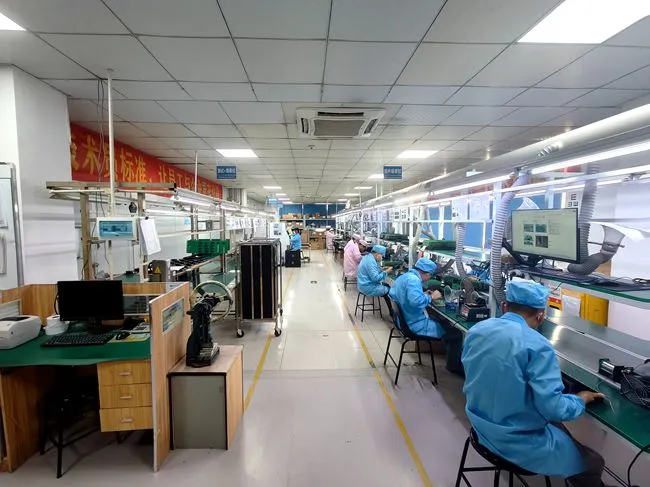
For traditional uses, rigid boards are more mechanically stable and cost-effective, while flexible circuits allow for new form factors and better reliability in settings that change quickly. Combinations of rigid and flexible parts work best in situations that need both mechanical support and interconnect flexibility, but they make design more difficult. Material prices for flexible circuits are usually 20–40% higher than those for rigid circuits. However, the benefits to the system as a whole often make up for the extra cost, as the circuits are easier to put together and work better in harsh conditions.
Navigating the Procurement Process for PCB Production Services
Strategic supplier selection requires evaluating multiple factors beyond initial pricing quotes, including technical capabilities, quality systems, and long-term partnership potential.
Identifying Reliable Manufacturing Partners
When evaluating a supplier, you should look at their professional skills, certifications, and past work with similar projects in PCB Production. ISO 9001 certification sets the basic standards for a quality system, while industry-specific standards, such as IATF 16949 for automotive use, show that the company has specialised knowledge. Suppliers can meet the needs for long-term growth as long as they are financially stable and can plan their capacity. Checking references with past customers can show you how well the product or service really works compared to what the marketing says it will do. This is especially true when it comes to delivery reliability and how quickly technical help responds to problems.
Optimising Order Quantities and Specifications
Different suppliers and types of products have very different minimum order quantities, which affects how cost-effective different volume amounts are. The minimum number of prototypes is usually between 5 and 10 pieces, and the best price is usually reached at 100 or more units, based on how complicated the product is. Misunderstandings that lead to delays and poor quality can be avoided by communicating clear specifications. Giving full fabrication drawings, drill files, and assembly paperwork guarantees correct quotes and a smooth production run.
Ring PCB: Your Trusted Manufacturing Partner
Ring PCB combines advanced manufacturing capabilities with customer-focused service approaches that address the diverse needs of today’s electronics industry through reliable PCB Production. Our comprehensive manufacturing solutions support projects ranging from simple prototypes to complex multi-layer assemblies requiring precision impedance control and high-reliability performance.
Advanced Technical Capabilities
Our manufacturing plant has cutting-edge tools like LDI laser exposure systems for clear trace definition and vacuum lamination presses for the best layer bonding. We are experts at making high-density designs that can support 2-48 layer layouts with 3/3mil trace and spacing options. This lets us make small designs for uses that don't have a lot of room. For high-speed digital and RF applications, impedance control accuracy within ±7% protects the integrity of the signal. Our flying probe testing features complete electrical proof without the need for expensive test fixtures.
Integrated PCBA Services and Quality Assurance
Ring PCB does more than just make circuit boards. They also offer full turnkey solutions that include finding parts, putting them together using SMT, and checking them thoroughly. Our DFM and DFA optimisation services help lower design risks and component costs while making it easier to make the product. As part of our quality control, we use X-rays to look for hidden solder joints and automated optical inspection to find surface defects. We also try everything to make sure it works perfectly before sending it out. The defect rate stays below 0.2% thanks to these strict procedures, which is much lower than the industry norm.
Conclusion
To make good circuit boards, you need to pay close attention to design optimisation, choosing the right provider, and quality control procedures that make sure the boards work well in a variety of situations. By knowing how different materials, production methods, and prices are connected, you can make better purchasing choices that meet performance needs and stay within your budget. Because modern electronics are so complicated, they need industrial partners who have technical know-how, good customer service, and the ability to make things in a variety of ways. Because Ring PCB offers a wide range of services and is dedicated to quality, we are the perfect partner for businesses that need dependable, high-performance circuit board making services to help them with their product development and production goals.
Frequently Asked Questions
Q1: What are typical lead times for standard PCB orders?
A: Standard lead times range from 5-15 business days, depending on layer count and complexity. Simple 2-4 layer boards typically require 5-7 days, while complex multi-layer designs may need 10-15 days. Quick-turn services can reduce timelines to 24-72 hours for urgent prototyping needs, though premium pricing applies for expedited processing.
Q2: How can I ensure PCB quality compliance for my application?
A: Quality compliance involves selecting suppliers with appropriate certifications like ISO 9001, IATF 16949, and UL recognition. Specify relevant IPC standards, such as IC-6012 Class 3 ,for high-reliability applications. Request detailed quality control documentation, including electrical testing reports, cross-sectional analysis, and impedance measurements when applicable.
Q3: Can I obtain prototypes before committing to bulk orders?
A: Absolutely. Most manufacturers offer prototype services starting with quantities as low as 5-10 pieces. This approach allows design verification and functional testing before production scaling. Prototype pricing typically includes setup costs that are amortised across production quantities, making this a cost-effective validation strategy.
Partner with Ring PCB for Superior Manufacturing Solutions
Ring PCB is ready to turn your problems with making circuit boards into competitive benefits with our wide range of PCB production services and focus on the needs of our customers. Our solutions are priced competitively, and we offer expedited service with online support 24 hours a day, seven days a week. This, along with continuous production seven days a week, means that we can produce your projects much more quickly and efficiently than usual.
Our advanced production skills allow us to make multilayer circuit boards with up to 48 layers, precise impedance control, and high-density interconnect technologies. We meet the strict standards of automotive, medical, and aerospace applications while keeping the costs low for commercial products by having international ISO certifications, IATF 16949 compliance, and RoHS compliance.
Experience the difference that comes from partnering with a dedicated PCB production supplier committed to excellence. Contact us at [email protected] to discuss your specific requirements and discover how our integrated manufacturing solutions can accelerate your product development timeline while ensuring exceptional quality and reliability.
References
1. Institute for Interconnecting and Packaging Electronic Circuits. "IPC-6012: Qualification and Performance Specification for Rigid Printed Boards." 2018 Edition.
2. Coombs, Clyde F. "Printed Circuits Handbook, Seventh Edition." McGraw-Hill Education Professional, 2016.
3. Blackwell, Glenn R. "The Electronic Packaging Handbook." CRC Press, 2018.
4. Harper, Charles A. "Electronic Packaging and Interconnection Handbook, Fourth Edition." McGraw-Hill Education, 2017.
5. Jawitz, Murray W. "Materials and Processes for Electronic Applications." Academic Press, 2019.
6. Lau, John H. "Electronic Manufacturing with Lead-Free, Halogen-Free, and Conductive-Adhesive Materials." McGraw-Hill Professional, 2020.