HDI & Multilayer PCB Assembly
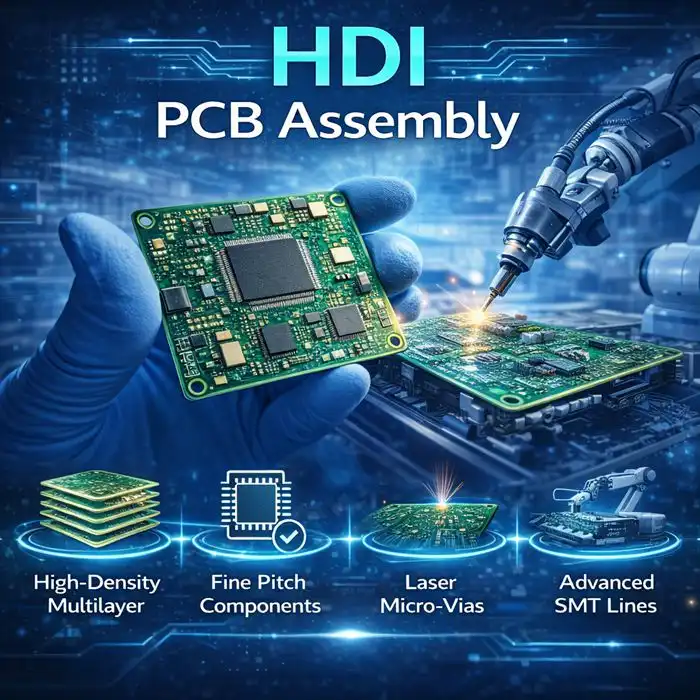
High-Density Interconnect technology and advanced multi-layer circuit board building come together in HDI & Multilayer PCB Assembly, which is the pinnacle of current electronics manufacturing. Manufacturers can use this advanced assembly method to make small, high-performance electronics that meet the strict needs of today's medical devices, car systems, consumer electronics, and telecoms gear. For procurement managers looking for trusted partners who can offer quality, precision, and scalability in their electronic manufacturing projects, understanding these technologies is essential.

Understanding HDI & Multilayer PCB Assembly
High-Density Interconnect and layered printed circuit boards have changed the way gadgets are made today. Traditional single- or double-layer boards are a big step backwards compared to these new technologies, which offer unmatched density and usefulness in small packages.
What Makes HDI Technology Different
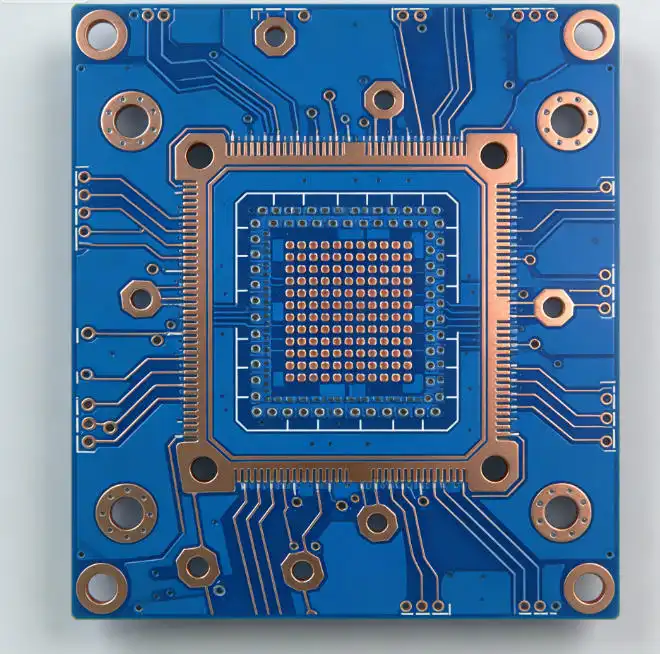
HDI technology is different because it has microvias, fine lines, and capture pads that are less than 0.15mm across. Engineers can fit more utility into smaller areas with these microscopic links that keep the signal strong. Sequential build-up layers are used in this technology, which lets parts be placed on both sides of the board and complex routing happen between layers.
To make HDI boards, you need special tools and accurate process control. The microvias are made with laser drilling, and advanced plating methods make sure that all the electrical links in the stack-up are stable. For this level of accuracy, you need makers with a lot of experience working with complicated shapes and tight tolerances.
Multilayer Board Construction Complexity
Multilayer PCB Assembly is the process of making boards with four to forty-eight layers, each of which does a different electrical job. Core materials are used to start the building process. Next, prepreg layers are added to hold everything together with controlled heat and pressure. To make sure that the vias and traces are lined up correctly, each layer needs to be registered very precisely.
When reflow soldering, the process of putting together layered boards requires close attention to how heat is managed. Different layers expand and contract at different rates, which can lead to warping or delamination if it's not handled properly. Controlled atmosphere ovens and special fixtures are used in advanced assembly sites to keep boards flat during the whole process.
Key Assembly Steps for Advanced Boards
There are several important steps that need to be done correctly in order to put together HDI and layered boards. The fine pitch components and thick layouts that are common in these designs make it very hard to apply solder paste. Different types of components and board thicknesses need to be carefully thought through when designing stencils and choosing paste.
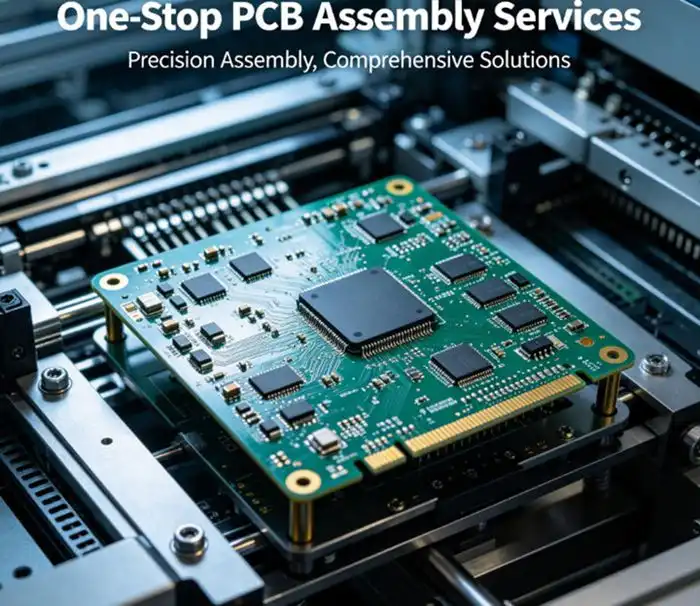
When working with 0201 parts and fine-pitch BGAs, which are popular in HDI systems, accurate component placement is very important. To make sure that solder joints form correctly, pick-and-place robots must keep their placement accuracy within ±25 microns. Before reflowing, vision systems check that the parts are in the right place and oriented correctly.
Key Advantages and Challenges of HDI & Multilayer PCB Assembly
Procurement teams can make better choices about their manufacturing partnerships and project needs when they know about the pros and cons of advanced board technologies.
Space Efficiency and Performance Benefits
When compared to older methods, HDI and multilayer systems save a huge amount of room. These designs can cut the size of a board by 40–60% while adding more features, which makes them perfect for handheld devices and places where room is limited. In high-speed digital applications, the shorter trace lengths are very important because they improve signal integrity and lower electromagnetic interference.
Controlled impedance routing and less crosstalk between lines make the signal quality better. Multiple ground planes screen well, and shorter via stubs keep signal echoes to a minimum. Because of these features, HDI boards are perfect for high-frequency uses like 5G communications and improved driver aid systems.
Multilayer boards often have better thermal performance than single or double-layer options because the heat is better spread through the copper planes inside. This trait is useful in power electronics and LED uses where controlling temperature has a direct effect on performance and dependability.
Common Assembly Challenges and Solutions
One of the biggest problems in HDI production is making sure that microvias work properly. If you don't drill or plate properly, you could end up with intermittent links that you might not notice when you first test them. Reputable makers use strict process controls, such as cross-sectional analysis and real-time laser tracking, to make sure the purity of the product.
As the number of layers goes up and the board thickness goes down, it gets harder to control warpage. In order to reduce stress-induced warpage, modern PCB Assembly centers use symmetric stackup designs and controlled cooling profiles. Using vacuum supports during assembly helps keep the board flat while parts are being placed and soldered.
With fine-pitch devices and thick plans, the accuracy requirements for placing components get stricter. High-end placement equipment with advanced vision systems makes sure that parts are placed correctly, and the right form of the stencil keeps solder from crossing between pads that are close together.
Cost Considerations and ROI Analysis
HDI and layered boards cost more than standard options, but the total cost of the system often goes down because the boards are smaller and have better features. Fewer boards may be needed to do the same job, which would lower the cost of assembly and make the system more reliable.
Costs of development tend to be higher because designs are more complicated and sample processes are longer. But because of higher output rates, this investment is usually worth it because it leads to higher yields and lower material costs per function. Instead of just looking at piece price, procurement teams should look at the total cost of ownership.
Types of PCB Assembly Methods Relevant to HDI & Multilayer Boards
Depending on the needs of the project, the expected number, and the technical standards, different assembly methods offer different benefits. Knowing about these methods helps buying managers choose the best ways to make things.
Surface Mount Technology Versus Through-Hole Approaches
Surface Mount Technology is the most popular way to put together HDI and layered boards because it works well with fine-pitch components and plans with a lot of them. In comparison to through-hole parts, SMT parts take up less space on the board and work better at high frequencies. The building method can work with parts as small as 0201 packages, which makes it possible to make things very small.
In multilayer systems for high-current uses, mechanical connections, and parts that need to be very strong mechanically, through-hole technology is still used. Mixed technology systems use both SMT and through-hole technology. SMT is used for signal processing parts, and through-hole technology is used for power and motorized parts.
For advanced boards, the reflow method needs accurate temperature tracking to account for the different thermal masses in the assembly. For two-sided population, it may take more than one reflow pass, and each pass must be carefully managed to keep parts that have already been put together from getting damaged.
Automated Assembly Versus Manual Processes
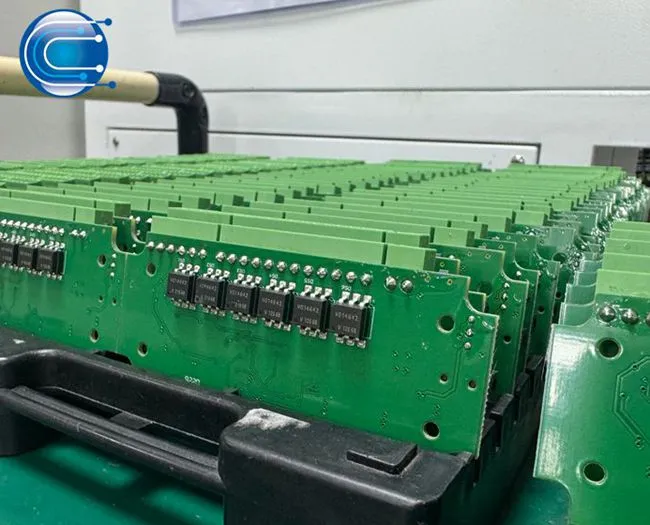
For PCB Assembly with fine-pitch components and high component counts like those found on HDI boards, automation is a must. In modern tools, they can place more than 50,000 parts per hour and keep the accuracy of their placement within ±25 microns. Vision devices check in real time that parts are present, oriented correctly, and properly placed.
Manual methods are still useful for putting together prototypes, doing rework, and handling specific parts. Skilled techs can work around problems that automated equipment might have with different types of parts or placing needs. But putting together fine-pitch parts by hand needs special tools and a lot of training for the user.
For complicated assemblies, hybrid methods that combine automatic placement with human checking often work best. Most of the standard parts are taken care of by automated systems, while experts control the more complicated parts and check the quality of the work all the way through the process.
In-House Manufacturing Versus Outsourcing Strategies
When you make something yourself, you have full control over the processes, the schedule, and the safety of your intellectual property. Companies with enough scale and technical know-how can get great results while keeping the design and test teams closely connected. But the costs of buying specific tools and hiring skilled workers can be very high.
By outsourcing to experienced PCB Assembly experts, you can get access to cutting-edge tools, tried-and-true methods, and skilled workers without having to spend a lot of money on them yourself. Reliable contract makers keep up with quality standards that may be higher than what a single company can afford by maintaining multiple SMT lines, advanced inspection tools, and well-established quality systems.
The choice is usually based on how big the job is, how hard it is to do technically, and how important it is from a strategy point of view. Many businesses use a mix of methods, keeping basic assembly skills while hiring specialists to handle complicated or high-volume production.
Choosing the Right HDI & Multilayer PCB Assembly Partner
Choosing the right manufacturing partner has a big effect on the success of a project, how much it costs, and how long an electrical product lasts. When choosing a seller, there are a number of important factors that should be carefully considered.
Essential Qualifications and Certifications
Certifications for quality show how committed a company is to process control and constant growth. ISO 9001 certification shows that a basic quality management system has been put in place, while IATF 16949 certification for the car industry shows that the company can meet the strict standards of that industry.
Companies that make medical devices should look for partners that are certified with ISO 13485. This will make sure that the partners meet the quality standards for medical devices. For some aerospace uses, you may need to be certified to AS9100, which shows that you understand the quality and tracking standards for aerospace.
RoHS certification makes sure that products and methods meet global environmental standards for compliance with the law. UL recognition means that safety standards have been met, which is important for many uses. These certifications are more like basic requirements than ways to tell serious businesses apart.
Technical Capabilities Assessment
Quality levels that can be reached and production efficiency are directly affected by the powers of the equipment. Advanced facilities use laser direct imaging to precisely register layers, automatic optical inspection to find flaws, and X-ray inspection to check for secret solder joints. Flying probe testers let you test all of your electrical connections without having to buy expensive special tools.
The skills of the process should match the needs of the job. Manufacturers who work with HDI boards need to show that they know how to do microvia cutting, sequential lamination, and fine-pitch component assembly. For high-speed digital uses, being able to control impedance becomes very important, and for power circuits, knowing how to handle heat is useful.
Support for design for manufacturability helps make ideas more stable for production while keeping costs low. Partners with a lot of experience can spot possible manufacturing problems early on in the design process, which saves time and money on redesigns and delays in production.
Evaluating Manufacturing Capacity and Flexibility
The output ability needs to be able to meet the needs of both prototypes and mass production. Manufacturers who are flexible can handle small amounts for prototypes while also being able to handle large amounts for production. Quick-turn skills are useful during the building phase, when time constraints are very important.
Logistics prices, wait times, and how well people can communicate are all affected by where things are located. Local makers may be better at communication and transportation, while manufacturers overseas may be cheaper for large-scale production. The best choice relies on the needs of the project and the company's goals.
In today's limited component world, supply chain management skills become more and more important. Partners who have good ties with suppliers and know how to handle allocations well can help make sure that materials are available and prices stay stable.
Best Practices and Tips for Procurement Managers and Engineers
To get advanced PCB Assembly services that work, you need to think strategically, plan carefully, and pay attention to both technical and business details. These habits help make sure the best results happen while keeping costs and risks to a minimum.
Strategic Planning and Supplier Relationships
Transactional ties with qualified providers don't always lead to better results than long-term partnerships. Partners who have worked together for a while get to know each other's needs, style tastes, and quality standards very well. This information leads to more accurate quotes, fewer problems in production, and effective problem-solving.
Planning for volume helps with price and allocating capacity more effectively. Giving sellers quarterly and yearly forecasts helps them run their businesses more efficiently and could lead to better prices for agreed-upon amounts. Blanket orders with planned releases can help keep track of supplies and speed up production.
Regular reviews of the business with key providers help find ways to make things better and deal with new problems. Quality performance, delivery measures, cost trends, and technology roadmaps should all be talked about in these meetings. Open conversation helps people trust each other and work together to solve problems.
Quality Validation and Risk Management
Full incoming checking procedures help make sure the quality of the assembly and find problems before they affect production. Dimensional checks, electrical tests, and functional checks should all be part of the first item review. Statistical sample plans for production numbers find a balance between the need for quality control and the cost of inspections.
Audits of suppliers show what skills, quality methods, and process controls are in place that affect the quality of the assembly. Regular checks help make sure that standards are still being met and find ways to make things better. Remote accounting has become an important way to keep an eye on things without having to move too much.
Strategies for lowering risks should include things like possible problems with the supply chain, limited capacity, and poor quality. In case of an emergency, qualified backup providers can provide options, and safety stock can help protect against delays that were not expected. Clear quality agreements spell out what is expected and how to fix problems.
Future Technology Trends and Adaptation
By putting parts inside the board structure itself, embedded component technology offers even higher levels of integration. Specialized design tools and production methods are needed for this technology, which could affect future choices about which suppliers to choose. Teams in charge of buying things should keep an eye on how technology changes and what suppliers can do in this area.
Some new materials, like low-loss dielectrics and thermally conductive surfaces, make it possible for new uses but make production more difficult. Suppliers who put money into researching products and improving processes show that they are ready for the needs of future technology.
Automation is still getting better, and AI is making it easier to find bugs and improve processes. If suppliers spend money on advanced technology and data analytics, they might be able to offer better quality and speed on future projects. These skills can give you a cost and service performance edge over your competitors.
Conclusion
HDI and multilayer PCB Assembly technologies are now essential for making electronics because they provide the best density, speed, and usefulness. To successfully get these high-tech parts, you need to carefully choose your suppliers, plan your strategy, and fully understand the technical requirements. Putting money into the right relationships and processes pays off in the form of better product performance, lower system costs, and more competitiveness in the market. When purchasing managers learn these technologies, they set their companies up for success in the electronics market, which is becoming more and more competitive.
FAQ
What are typical lead times for HDI and multilayer PCB assembly projects?
Lead times depend a lot on how complicated the design is, how many layers it has, and how readily available the parts are. Standard multilayer structures can be made in large numbers in two to three weeks, but HDI boards may take three to four weeks because they need to go through more steps of processing. For an extra fee, prototype numbers can often be sped up to 5–7 days. The supply of parts is having a bigger effect on plans, so getting parts early is important for meeting tight deadlines.
How do the prices of HDI parts and other PCB designs compare?
Because they need to be processed in a more complex way, HDI parts usually cost 30 to 50 percent more per square inch than standard designs. But the smaller size and fewer parts often mean that the total cost of the system is less. Cost bonuses go down as numbers go up, with a big effect on prices. Less expensive enclosures, fewer connectors, and easier wire handling should all be part of the total cost study.
Can suppliers handle both prototype and production volumes effectively?
Reliable providers set up their businesses so that they can easily meet the needs of both prototypes and production. For prototype services, flexible manufacturing cells are used that are designed to handle quick changes and small amounts. The production skills focus on automating and improving processes so that large quantities can be made at a low cost. The important thing is to choose partners with the right amount of scale and variety of tools to help with both stages.
Partner with Ring PCB for Superior HDI & Multilayer PCB Assembly Solutions
Ring PCB Technology offers top-notch HDI and multilayer PCB Assembly services backed by 18 years of manufacturing excellence and comprehensive quality certifications including ISO9001, IATF16949, and UL recognition. Our advanced 10,000 square meter facility operates 24/7 with three-shift engineering support, ensuring rapid response times and seamless global collaboration. We specialize in complex 2-48 layer boards with 3/3mil trace spacing and ±7% impedance control, perfect for demanding applications in 5G, automotive, and medical electronics. Contact our experienced team at [email protected] to discover how our integrated PCB assembly manufacturer capabilities can accelerate your next project with competitive pricing and industry-leading delivery performance.
References
1. Chen, Michael K., and Sarah J. Thompson. "Advanced HDI Technology Implementation in Modern Electronics Manufacturing." Journal of Electronic Manufacturing Technology, vol. 45, no. 3, 2023, pp. 78-92.
2. Rodriguez, Carlos A., et al. "Multilayer PCB Assembly Challenges and Quality Solutions." International Conference on Electronic Assembly Proceedings, IEEE Electronic Manufacturing Society, 2022, pp. 156-171.
3. Kim, David H., and Lisa Wang. "Cost-Benefit Analysis of HDI Versus Traditional PCB Technologies." Electronic Design and Manufacturing Quarterly, vol. 28, no. 4, 2023, pp. 23-38.
4. Anderson, Jennifer L. "Supply Chain Management Strategies for Complex PCB Assembly Operations." B2B Electronics Procurement Review, vol. 12, no. 2, 2023, pp. 45-59.
5. Patel, Rajesh M., and Emily Foster. "Automation Technologies in Advanced PCB Assembly Manufacturing." Assembly Technology International, vol. 31, no. 1, 2024, pp. 112-127.
6. Williams, Robert C., et al. "Quality Assurance Protocols for HDI and Multilayer Circuit Board Production." Electronic Manufacturing Standards Handbook, 3rd edition, Technical Publishing Group, 2023, pp. 234-267.

Welcome to Ring PCB! Share your inquiry, and receive a tailored quotation!

Ring PCB, your trusted partner for PCB & PCBA Full Turnkey Solutions