How to Reduce Cost While Maintaining EU-Level Quality
Achieving cost-effective PCBA solutions while maintaining EU-level quality standards represents one of the most significant challenges facing procurement managers today. The key lies in implementing strategic design optimization, selecting certified suppliers with proven track records, and leveraging advanced manufacturing technologies. Smart procurement decisions that prioritize both RoHS compliance and cost efficiency can reduce overall expenses by 20-30% without compromising product reliability or regulatory adherence.
Introduction
For business clients in the US and Europe, finding the best balance between low costs and quality that meets EU standards in PCBA (Printed Circuit Board Assembly) is becoming more and more important. It's getting harder for procurement managers, supply chain leaders, and tech teams to meet tight deadlines and deliver goods that are compliant.
The strict rules set by the European Union, such as the RoHS directives, REACH compliance, and CE marking standards, make things difficult to understand and discuss when it comes to quality. But following the rules without spending too much takes strategic thought and smart choices. Today's procurement experts have to be very careful when they're in this area because breaking the rules can lead to expensive recalls, fines, and damage to the brand's image that can't be fixed.
This complete guide explains methods that procurement workers can use right away to cut down on PCBA costs while maintaining the highest quality standards. We'll look at tried-and-true methods that help make decisions that meet both short-term project needs and long-term business goals while taking into account regulatory requirements and budget constraints.
Understanding the Challenge: Cost vs. EU-Level Quality in PCBA
To get around the tricky link between cutting costs and following EU rules when buying PCBAs, you need to have a deep understanding of what "cost-effective" really means in this legal setting. Some of the strictest quality standards in the world are required by European markets. This makes it hard to meet compliance requirements while staying within budget.
The Reality of EU Compliance Costs
EU-level quality standards include a number of rules and regulations that have a direct effect on the prices of making PCBAs. To follow RoHS rules, materials must be tested and recorded in great detail, and REACH rules require that chemicals be tracked all the way through the supply chain. These standards make things more complicated in ways that traditional ways of cutting costs often don't see.
The problem gets worse when buying teams try to cut costs the old-fashioned way, by moving suppliers or changing specifications. There are typical mistakes that many businesses make that drive up costs without improving quality. Unnecessary design complexity, poor supplier screening, and inefficient production processes can all lead to hidden costs that are much higher than the initial savings.
Hidden Cost Factors in PCBA Procurement
Costs can go up unexpectedly in PCBA projects for a number of reasons. When suppliers aren't chosen carefully, quality problems often happen that need expensive repairs or total redesigns. When Design for Manufacturing (DFM) research isn't done right, it can cause problems with assembly that raise costs and lengthen wait times. Not having enough quality control measures can also lead to expensive refunds or fines from the government that are much bigger than the original savings from buying the product.
Knowing about these problems helps people who work in buying come up with strong plans that deal with the reasons, not just the symptoms. Cost-Effective PCBA is a key factor in this process, as not following the rules can have effects on more than just your wallet. It can hurt your brand's image, your ability to get into new markets, and your ties with long-term customers.
Core Principles to Reduce PCBA Cost While Ensuring EU-Level Quality
To lower costs while still meeting EU quality standards, you need a methodical technique based on three basic ideas. These ideas work together to make long-lasting saves that don't hurt product performance or legal compliance.
Smart Design Optimization for Manufacturability
Cutting costs starts with the planning phase, where smart choices can have a big effect on how much it costs to make the product. Design for Manufacturing (DFM) concepts that are used early on in the development process help find ways to save money without sacrificing usefulness. This method includes choosing the best components, keeping PCBs as simple as possible, and making sure that assembly steps are always the same.
Adopting Surface Mount Technology (SMT) is one of the best ways for buying teams to cut costs. By switching from through-hole technology to SMT, you can stop cutting, use less material, and automate the assembly process more. This leads to shorter production processes, lower labor costs, and better quality control across all products.
Optimizing the placement and design of components in an array to make the best use of room further cuts down on material costs while keeping performance standards. Making smart choices about structure can reduce the size of the PCB needed, shorten trace lengths, and improve the integrity of the signals. Modern design software that includes Design Rule Checking (DRC) helps find problems early on, so expensive changes don't have to be made during production.
Streamlined Manufacturing Process Selection
To find the best production partner, you need to carefully look at their skills, certifications, and how well they run their processes. A lot of the cost-effectiveness of making PCBAs depends on how well the suppliers know how to use advanced assembly methods and quality control systems. Not only do automated production methods save money on labor, they also make things more consistent and lower the number of mistakes that happen.
Modern factories use complex quality control methods that keep things from needing to be fixed, which costs a lot of money, and make sure they follow the rules. In-circuit testing, functional verification routines, and Automated Optical Inspection (AOI) all work together to find problems before they affect quality measures or production schedules.
Enhanced Quality Control Integration
Quality control tools shouldn't just be used at the end of the production process; they should be used throughout the whole process. This proactive method lowers the number of defects, cuts down on the cost of repairs, and makes sure that EU standards are always met. Real-time tracking tools let you fix problems right away, which keeps quality problems from getting worse and costing more to fix.
Case Studies: Successful Cost Reduction While Maintaining EU-Level Quality
Real-life examples show how putting cost-cutting ideas into practice strategically can lead to measured results in a wide range of businesses. The case studies show real-life examples that procurement workers can use and change to fit their needs.
Automotive Electronics Manufacturing Success
A European company that makes electronics for cars was under more and more pressure to cut costs while still meeting strict quality standards. The business used a complete plan to cut costs that included improving design, combining suppliers, and automating processes. By switching to SMT technology and making the best use of component placement, they were able to cut assembly costs by 25% while also making the product more reliable.
The manufacturer also formed effective relationships with certified providers that offered a range of services, such as finding parts, putting them together, and testing them. This approach ensured a truly Cost-Effective PCBA process by eliminating the need to deal with various vendors, simplifying procurement, and increasing supply chain visibility. As a result, lead times were cut down, quality metrics improved, and significant cost savings helped maintain competitive pricing strategies.
Medical Device OEM Cost Optimization
A new medical device business that was making battery management systems had to find a way to meet strict government rules while also staying within its limited starting budget. They worked with a low-cost PCBA provider that specialized in making medical devices and knew the rules set by the FDA and the EU for those devices.
A full DFM analysis was done as part of the teamwork, which found ways to cut down on the number of parts needed, make the building process easier, and improve testing methods. Small-batch production made it possible to make quick prototypes and make changes to designs over and over again without having to place large orders. The startup cut costs by 30% compared to the first quotes while still following all the rules and speeding up the time it took to get the product to market.
How to Choose the Right Cost-Effective PCBA Supplier for EU Markets
Finding the best PCBA production partner requires a thorough analysis of a number of factors that have a direct effect on results related to cost, quality, and compliance. Price isn't the only thing that goes into the choice; professional skills, certifications, and service quality are also important.
Essential Certification and Compliance Evaluation
Before choosing a supplier, it's important to make sure they have all the right licenses and can meet all the requirements. Basic quality assurance frameworks are provided by ISO 9001 quality management systems. For more advanced knowledge, industry-specific certifications like IATF 16949 for cars or ISO 13485 for medical devices are available. Documentation showing RoHS compliance and the ability to apply CE marks are necessary to enter the EU market and cannot be skipped.
Manufacturing Capability Assessment
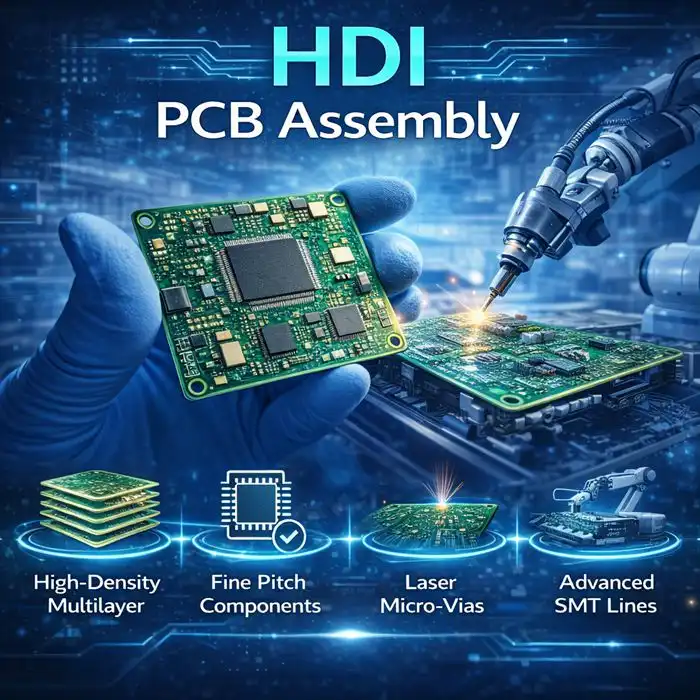
The technical skills must match the goals of the job and the ability to grow in the future. Checking suppliers' layer count skills, ability to handle complex parts, and ability to adapt to different manufacturing volumes is a good way to make sure they can support both current projects and future growth. High-Density Interconnect (HDI) and fine-pitch component handling are examples of advanced manufacturing technologies that show high-level scientific knowledge.
Service Quality and Support Evaluation
The success of a project depends a lot on how quick suppliers are, how good their technical help is, and how well they can communicate. Clear pricing, dependable lead time promises, and effective project management support are what set exceptional sellers apart from commodity providers. Besides basic production services, being able to offer DFM feedback, help with finding parts, and support after delivery adds more value.
There are often big differences in service quality, technical know-how, and total cost of ownership between standard PCBA providers and cost-effective ones. Even though the prices may seem higher at first, full service packages that include planning help, finding parts, and quality control can be a better deal in the long run.
Practical PCBA Cost Optimization Methods for B2B Procurement Managers
To effectively optimize costs, you need a wide range of tactics that cover various parts of the purchasing and production processes. You can use these useful strategies separately or all at once for the biggest effect.
Strategic Volume and Batch Planning
Building on the efficient supply chain model, Cost-Effective PCBA is achieved by finding the right balance between the number of orders and the needs of managing inventory, which is a key chance for efficiency. Strategies for buying in bulk can cut costs per unit by a lot, especially for stock parts and designs that have been used before. But good planning must take into account things like cash flow, the cost of keeping supplies, and the product's lifespan.
Small-batch production lets you make prototypes, test them, and see if the market wants them without having to make big promises up front. This method works especially well when making new products or using them in specific ways where demand trends aren't clear. In markets that are always changing, providers who are flexible and can meet both large-volume and small-batch needs are strategically advantageous.
Design Simplification and Standardization
When parts are standardized across product lines, buying costs go down and control of the supply chain is made easier. Cutting down on the number of unique components, standardizing footprints, and reducing the number of PCB layers needed can make production a lot easier and cheaper. For these tactics to work, the engineers, procurement, and manufacturing teams need to work together across functions.
Technology Integration for Efficiency
Costs can be lowered by using modern industrial technologies that make processes more efficient and better quality control. When it comes to technology, these are the main benefits that make making cheaper:
• Automated Optical Inspection (AOI) systems provide real-time defect detection that prevents costly rework and ensures consistent quality standards throughout production runs
• Advanced SMT placement equipment enables high-speed, high-accuracy component placement that reduces assembly time and minimizes human error in manufacturing processes
• Rapid prototyping capabilities accelerate design validation cycles and reduce development costs by identifying potential issues before full production commitments
These technological benefits work together to make manufacturing settings that are both cost-effective and high-quality. Facilities that are up-to-date and invest in new tools can offer competitive prices while still keeping high quality standards.
By working together on new ideas and sharing knowledge, long-term supply relationships make it easier to keep getting better. Strategic partnerships let sellers make changes that are specific to each customer, find the best ways to do things, and offer value-added services that help meet buying goals.
Conclusion
To get cheap PCBA solutions that meet EU standards for quality, you need to plan ahead, carefully choose your suppliers, and use tried-and-true improvement methods in a planned way. Achieving true Cost-Effective PCBA means moving beyond just trying to get prices lowered; successful procurement pros know that cutting down on waste, making processes better, and forming strategic relationships are the best ways to save money. When smart design practices, advanced production technologies, and thorough quality control systems are all used together, they create long-lasting competitive benefits that help with both short-term cost goals and long-term business success.
FAQ
How can I verify supplier compliance without conducting onsite audits?
Checking if a supplier is following the rules can be done by looking over all of their paperwork, looking at their third-party certifications, and calling past customers for references. Ask for specific compliance certificates, documents of the quality system, and proof that the government is still keeping an eye on things. When it's not possible to do a straight review, third-party auditing services can provide an independent check.
What are typical lead times for cost-effective, compliant PCBA orders?
Cost-effective PCBA orders usually have lead times of two to four weeks for basic setups and four to eight weeks for designs with a lot of layers or that are very complicated. Usually, prototypes take one to two weeks to make, while high-volume production can take anywhere from six to twelve weeks, based on the availability of parts and the factory's capacity. Suppliers with more advanced planning tools can give you more clear information about when things will happen.
Does low cost automatically mean compromised quality?
Cutting costs doesn't have to mean lowering quality as long as it's done through process optimization, design efficiency, and source knowledge instead of cutting corners. Getting rid of trash, making production more efficient, and using economies of scale are the best ways to cut costs. Advanced manufacturing methods and quality control systems used by experienced providers can help save money and improve quality.
Partner with Ring PCB for Superior Cost-Effective PCBA Solutions
Through our full range of cost-effective PCBA production services, Ring PCB Technology Co., Limited is ready to turn your PCBA procurement problems into competitive benefits. Our advanced 2-48 layer production skills, 18 years of experience in the field, and foreign certifications such as ISO9001, IATF16949, and RoHS compliance make sure that your projects get the best quality at the best prices. Get in touch with our engineering team at [email protected] to talk about your specific needs and find out how our 24/7 operations, quick services, and full turnkey solutions can help you finish your projects faster and for less money.
References
1. European Commission. "RoHS Directive 2011/65/EU: Compliance Guidelines for Electronic Manufacturing." Brussels: European Publications Office, 2023.
2. International Electronics Manufacturing Initiative. "Cost Optimization Strategies in PCB Assembly: Industry Best Practices Report." IEMI Technical Publications, 2023.
3. Anderson, Michael J., and Sarah Chen. "Quality Management Systems in Electronics Manufacturing: EU Compliance and Cost Analysis." Journal of Manufacturing Excellence, vol. 45, no. 3, 2023, pp. 128-145.
4. Institute of Printed Circuits. "Surface Mount Technology Implementation: Cost-Benefit Analysis for Small to Medium Enterprises." IPC Standards Publications, 2023.
5. Thompson, Robert K. "Supply Chain Optimization in Electronics Procurement: European Market Analysis." International Journal of Supply Chain Management, vol. 18, no. 2, 2023, pp. 67-89.
6. European Electronics Manufacturing Association. "Regulatory Compliance Cost Analysis: Impact on PCBA Manufacturing Strategies." EEMA Industry Report, 2023.

Welcome to Ring PCB! Share your inquiry, and receive a tailored quotation!

Ring PCB, your trusted partner for PCB & PCBA Full Turnkey Solutions