The Advantages of Full Turnkey PCB Assembly for Medical Devices
Medical device companies are under more pressure than ever to make sure their goods are safe, of high quality, and up to code while also keeping costs low and speeding up time to market.
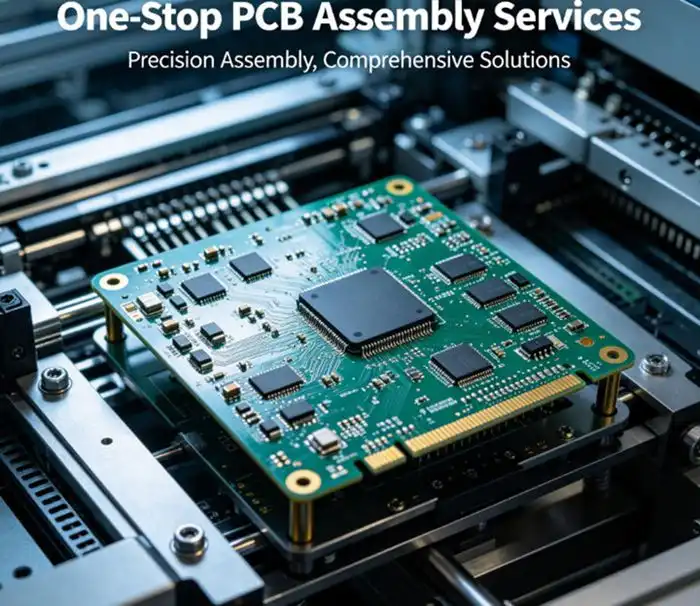
is a complete solution that solves these problems because it brings together design, procurement, manufacturing, assembly, and testing under one service. This method makes sure strict quality control, legal compliance, and easy project management. This makes it especially useful for medical uses where accuracy and dependability are very important.
Understanding Full Turnkey PCB Assembly in Medical Device Manufacturing
Full turnkey PCB assembly is a complete manufacturing method that includes all stages of making a circuit board, from the original design advice to the final delivery. In partial assembly models, clients are responsible for buying each component separately. But with full services, the whole supply chain is taken care of, making the production process smooth.
What Sets Medical Device PCB Assembly Apart
Electronics used in medical devices are closely watched by regulators. Quality System Regulation (QSR) under 21 CFR Part 820 must be strictly followed by the FDA, and ISO 13485 must be followed by companies doing business in other countries. These rules cover everything from design controls to manufacturing methods. For medical device makers, choosing the right partner is very important.
The need for biocompatibility in medical tech makes things even more complicated. To make sure that materials won't have bad effects when used in medical settings, components must meet USP Class VI standards for biological evaluation. This rule covers more than just the PCB base. It also includes solder materials, conformal coatings, and even packing materials.
Risk Mitigation Through Single-Source Accountability
Supply chain disruptions have become increasingly common, with lead times for electronic components extending from weeks to months. These risks are lessened by full turnkey PCB assembly companies' established ties with suppliers, their ability to handle inventory, and their use of different sourcing methods. When one provider handles the whole process, it's clear who is responsible, so when problems happen, no one has to blame more than one source.
The Full Turnkey PCB Assembly Process: From Concept to Delivery
From the idea of a medical device to a circuit board that is ready for production, there are several important steps that must be taken. Each one requires specialized knowledge and strict quality control.
Design Consultation and DFM Optimization
Turnkey companies with a lot of experience start by doing a design for manufacturability (DFM) study to find problems that might come up during production before they get too expensive to fix. IPC tests show that this proactive method cuts down on manufacturing flaws by up to 30%. When designing medical devices, it's important to think carefully about the high-density interconnects, fine-pitch components, and specialized materials that are needed.
Procurement Excellence and Component Authentication
As fake parts get into supply lines, component verification has become very important. Turnkey providers keep in touch with approved sellers and have strict rules for inspecting new products that come in. They use component tracking systems to keep track of parts from the time they are made until they are put together in the final product. This gives them the specific information they need to send to the FDA.
Advanced Assembly and Testing Protocols
Putting together medical devices needs special steps that go beyond making electronics. These are the key testing procedures that were used:
• In-Circuit Testing (ICT): Checks the placement, polarity, and basic operation of parts with 95% fault coverage
• Boundary Scan Testing: Finds problems with interconnects on complicated devices with a lot of pins
• Functional Testing: Verifies how well the gadget works in real-world situations
• Environmental Stress Screening: controlled temperature cycles and vibrations bring out hidden flaws
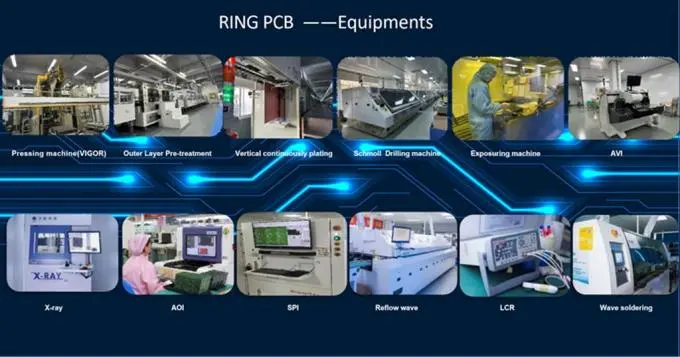
These thorough testing methods make sure that medical gadgets meet very high standards for dependability. Multiple quality checks are made during the full turnkey PCB assembly process using automatic optical inspection (AOI), X-ray inspection for secret solder joints, and functional testing.
Comparing Full Turnkey PCB Assembly with Other Assembly Models for Medical Applications
Medical device companies can make better buying choices that meet their quality needs and business goals when they know the differences between assembly models.
Turnkey vs. Consignment Assembly Models
When clients use consignment assembly, they have to buy and handle the parts on their own, which adds to the costs and risks. Medical equipment companies that use consignment models often have problems with parts going out of style, fake parts, and the costs of keeping supplies on hand. With turnkey assembly, these risks are passed on to service providers who are experts in managing parts and checking out suppliers.
Cost Analysis: Hidden Expenses in Alternative Models
At first, contract assembly may seem like a cheaper option, but there are often secret costs. Mistakes in buying parts can cause production delays that cost thousands of dollars every day. Quality problems from sellers who haven't been screened cause extra costs and could cause problems with following the rules. These risks are taken on by turnkey providers through their set methods and relationships with suppliers.
Intellectual Property Protection Considerations
When making new medical devices, it's important to protect the intellectual property (IP) carefully. When compared to contract makers who work on multiple client components at the same time, turnkey companies usually offer better privacy protections. To keep unique designs safe, established providers use separate production processes and keep access controls very strict.
Selecting the Right Turnkey PCB Assembly Partner for Medical Devices
One of the most important choices medical device businesses have to make affects the quality of their products, their ability to follow regulations, and their ability to make money.
Essential Certifications and Compliance Capabilities
Manufacturers of medical devices must make sure that the companies that put their devices together have current ISO 13485 certification. This shows that they are committed to quality management systems that are built especially for medical devices. Depending on the market, you might need extra approvals like IATF16949 for medical devices used in cars or AS9100 for uses in spacecraft.
When full turnkey PCB assembly providers do things that might affect the safety or usefulness of the device, they need to be registered with the FDA as a medical device maker. This license shows that the provider knows about the rules for medical devices and is committed to following them.
Scalability and Production Flexibility
A lot of the time, medical device lifecycles start with small runs of prototypes before they are scaled up to market production levels. Effective package companies are flexible across this range and keep quality the same whether they're making 10 samples or 10,000 production units. Because it is scalable, there is no need to switch providers during important stages of product creation.
Geographic Considerations and Supply Chain Resilience
Medical gadget companies can benefit greatly from being able to make their products in certain regions. Domestic production gives you more control over the supply chain and makes it easier to follow the rules, but sites in other countries may be cheaper for developed goods. Leading providers have various facilities in key areas. This lets them use flexible production methods that take cost, quality, and risk into account.
Building lasting partnerships requires transparent communication throughout the whole process. Providers should give regular information on production, quality reports, and warnings about possible problems. Case studies from similar medical gadget projects show that the service has what it takes and help build trust in their knowledge.
Maximizing the Benefits of Full Turnkey PCB Assembly for Your Medical Device Projects
Medical device makers and their assembly partners need to plan ahead and work together to get the most out of their turnkey assembly relationships.
Early DFM Integration and Regulatory Planning
By involving assembly partners in the planning phase, problems with manufacturing and chances to meet regulations can be found ahead of time. Experienced providers can help you choose the right parts, plan your tests, and make sure you have all the paperwork you need to make FDA reports easier. This early teamwork can cut development times by 20–30% while also making the product easier to make.
Advanced Technologies and Quality Systems
Today's turnkey companies use advanced tools to improve quality and speed. Statistical process control (SPC) systems keep an eye on production factors all the time and spot trends before they hurt the quality of the product. Automated tracking systems keep track of materials and processes as they are used in production. This makes it possible to submit full paperwork to regulatory bodies.
Leveraging Rapid Prototyping for Accelerated Development
Full turnkey PCB assembly companies that can do quick prototyping make it possible for faster design changes and shorter development processes. With quick-turn prototype services and thorough testing, medical device businesses can quickly confirm designs and find ways to make them better early in the development process. This flexibility is especially helpful when you need to react to feedback from regulators or market needs.
Conclusion
Full turnkey PCB assembly delivers compelling advantages for medical device manufacturers seeking to balance quality, compliance, and commercial objectives. The integrated approach reduces supply chain complexity while ensuring rigorous quality control throughout the production process. By partnering with experienced providers who understand medical device regulations and maintain appropriate certifications, manufacturers can focus on innovation while confident their products meet the highest standards for safety and reliability.
FAQ
What regulatory certifications should I look for in a medical device PCB assembly partner?
Look for ISO 13485 approval, which is made just for quality control systems for medical devices. Other certifications, such as FDA registration as a medical device maker, UL certification for safety standards, and RoHS compliance for environmental laws, show that the company fully understands the rules. The IPC-6012 Class 3 standards for PCB fabrication make sure that they are as reliable as they need to be for medical uses.
How does turnkey assembly reduce time-to-market for medical devices?
Turnkey assembly combines several processes into one, so there are no more delays in communication between different providers. As a result of long-term ties with suppliers, providers can quickly get the parts they need, and integrated DFM research can find problems before they happen. When compared to managing multiple sources separately, this streamlined method usually cuts development times by 20 to 30 percent.
What quality control measures are essential for medical device PCB assembly?
In-circuit testing (ICT), automatic optical inspection (AOI), X-ray inspection for hidden solder joints, and functional testing in real-world working conditions are all part of the testing procedures needed to put together a medical device. Environmental stress screening, which includes temperature cycles and shaking testing, finds hidden problems before they are shipped. Full paperwork that tracks materials and processes throughout production helps with quality reviews and regulatory submissions.
Ready to Streamline Your Medical Device Manufacturing?
Ring PCB Technology Co., Limited stands ready to support your medical device projects with comprehensive turnkey solutions that exceed industry standards. Our ISO 13485-certified facility operates 24/7 with advanced manufacturing capabilities supporting up to 48-layer multilayer circuit boards. As a trusted full turnkey PCB assembly manufacturer since 2008, we combine competitive pricing with expedited service and continuous production schedules that significantly outperform standard delivery times. Contact our engineering team at [email protected] to discuss how our proven expertise can accelerate your next medical device project.
References
1. Institute for Interconnecting and Packaging Electronic Circuits. "Medical Device Electronics Assembly Standards and Best Practices." IPC Technical Report, 2023.
2. Food and Drug Administration. "Quality System Regulation for Medical Device Manufacturing: Compliance Guidelines for Electronic Assemblies." FDA Technical Guidance Document, 2022.
3. International Organization for Standardization. "ISO 13485:2016 Medical Devices Quality Management Systems Implementation for PCB Assembly." ISO Technical Publication, 2023.
4. Medical Device Manufacturing Association. "Supply Chain Risk Management in Medical Electronics: Turnkey vs. Consignment Assembly Models." Industry White Paper, 2023.
5. Electronics Manufacturing Services Industry Report. "Cost Analysis of Medical Device PCB Assembly Models: Hidden Expenses and Total Cost of Ownership." Market Research Publication, 2022.
6. Regulatory Affairs Professionals Society. "Component Traceability and Documentation Requirements for Medical Device Electronics Manufacturing." Technical Guidelines, 2023.

Welcome to Ring PCB! Share your inquiry, and receive a tailored quotation!

Ring PCB, your trusted partner for PCB & PCBA Full Turnkey Solutions