Quick Turn PCB Assembly for Startups
Quick Turn PCB Assembly for Startups is a revolutionary way to make hardware. With Fast Turn PCBA services, new businesses can cut down on the time it takes to make standard products from weeks to days. Startups can quickly test samples, make changes to designs quickly, and reach market goals before their competitors with this sped-up assembly process. By taking advantage of faster manufacturing, startups can transform new ideas into useful products while still meeting strict quality standards and making good use of their limited capital.
Understanding Quick Turn PCB Assembly for Startups
By providing finished circuit boards in much shorter amounts of time, Fast Turn PCBA completely changes how startups work on product development. Unlike traditional assembly methods that take two to four weeks, quick turn services usually finish projects in twenty-four to seventy-two hours. This helps startups keep going during important stages of development.
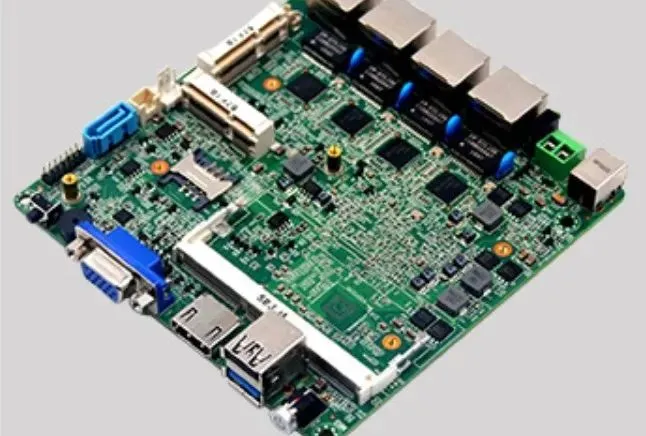
Defining Fast Turn Assembly Services
Quick turn assembly includes the whole manufacturing process, from finding the parts to checking them one last time, all while working quickly and without sacrificing quality. The service includes through-hole assembly, surface mount technology (SMT), and full testing procedures made just for projects that need to be done quickly.
This method works really well for startups because it fits their needs for quick prototypes and iterative design approval. Getting assembled boards quickly helps engineering teams find problems early on when they're making new goods. This lowers total development costs and speeds up time-to-market goals.
Strategic Advantages for Emerging Companies
In today's business world, speed is important, and quick turn assembly gives new companies several strategic benefits that standard manufacturing timelines can't match. Because lead times are shorter, design changes can be made more quickly. This lets engineering teams try different setups and find the best performance before committing to bigger production runs.
Another important benefit is that startups can test designs with smaller original investments instead of putting a lot of money into ideas that haven't been proven yet. This method lowers the financial risk while keeping the speed of development high, which is especially important for startups that have had limited funding rounds.
Quick turn services also work with agile development methods, which are used by a lot of startups. This lets teams quickly respond to feedback from the market and change product specs based on results from real-world testing.
Core Fast Turn PCBA Processes Explained
Advanced manufacturing technologies and streamlined working procedures are combined in the expedited assembly process to get things done quickly without losing quality. Knowing about these steps helps buying pros set reasonable goals and plan projects more efficiently.
Advanced Surface Mount Technology Implementation
These days, modern Fast Turn PCBA businesses use high-speed pick-and-place machines that can place parts very accurately while keeping up output speed. These systems have advanced vision recognition that makes sure parts are placed and oriented correctly, which is important for keeping quality standards high when deadlines are tight.
The temperature settings for reflow soldering methods are set up to work best with different types of components and board configurations so they can be used quickly. This optimization cuts down on working time while still making sure that the solder joints are stable and meet the needs of long-term performance.
Using automated optical inspection (AOI) tools during the whole assembly process lets quality be checked in real time, finding possible problems before they are tested in the end. This method avoids the delays that come with rework and keeps the plan on track.
Quality Control Under Accelerated Timelines
To meet tight delivery dates and maintain high quality standards, you need complex checking methods and process controls. In quick-turn operations, there are several steps of inspection, such as checking arriving parts, keeping an eye on the work in progress, and doing a full final test.
X-ray inspection systems look at solder joints under parts that can't be seen with the naked eye. This makes sure that connections that are secret meet standards for reliability. Functional testing compares the electrical performance to the design specs to make sure that the built boards work properly before they are sent out.
These quality standards are especially important for startups, since early versions are often tested and evaluated in great detail. Reliable assembly quality lowers the chance of test results that aren't what they seem to be and makes sure that efforts to validate the design focus on how the product actually works instead of manufacturing flaws.
How to Choose the Best Fast Turn PCBA Supplier for Your Startup?
To find the right assembly partner, you need to carefully look at their skills, certifications, and practical traits that match your startup's needs. The choice has an effect on both the short-term success of the project and the long-term economy of growth.
Critical Evaluation Criteria
Before judging a supplier, you should look at how quickly they can turn around orders and see how their stated delivery times fit with your actual production plans. Reliable providers give clear estimates of when things will be done based on how complicated the project is, how readily available parts are, and how busy the factory is at the moment.
Quality certifications like ISO9001, IATF16949, and IPC standards show that process controls are in place and that the company is committed to consistent performance. When a company grows to make more things or sell them in regulated markets, these licenses become even more important.
Limits on board complexity, types of components that can be handled, and specialized construction methods are all examples of technical skills. Suppliers should show that they have knowledge with the types of parts and board layouts that are needed for your application.
Comparing Service Options and Pricing Models
Prices for Fast Turn PCBA usually include extra fees for faster service, but the way these fees are structured varies a lot between providers. Understanding these differences helps new businesses get the best deal on both short-term project costs and long-term manufacturing costs.
Some providers offer different prices depending on how quickly they can deliver, which lets customers balance cost and haste at different stages of a project. Others offer savings based on the number of items bought, which is good for new businesses that want to make a lot of prototypes or small runs of products.
Communication skills and tech support services are often more important than simple assembly skills when it comes to separating providers. Suppliers who give feedback on design for manufacturing (DFM) and work together during the development process add more value than just putting things together.
Procurement and Ordering Guide for Fast Turn PCBA
Effective buying methods make it easy for people to work together and get the best results from projects, while also reducing the chance of delays or misunderstandings. Setting clear steps from the first quote to the final delivery helps relationships with assembly providers work well.
Streamlined Quote Request Procedures
To get a good price, you should include a full bill of materials (BOM) with part numbers from the manufacturers, assembly plans that show where the parts need to go and how they should be arranged, and clear instructions for any special assembly needs. Giving complete information at the start cuts down on the time it takes to get a price and improves its accuracy.
Digital platforms make quick turn sourcing easier by automating the creation of quotes and giving real-time information on the availability of parts. These systems help procurement workers to quickly compare choices and make decisions based on how the market is doing at the moment. Communication methods should set up clear ways for people to get in touch with each other to ask questions or make changes during production. For quick-turn tasks, decisions need to be made quickly, so setting up good communication routes keeps delays from happening.
Managing Sample Orders and Production Scaling
Sample order plans let new businesses see how well a seller can do their job and get to know them before they commit to bigger projects. Most sellers are willing to work with small amounts just for testing reasons, but some may have minimum order sizes. For Fast Turn PCBA projects, documentation needs to include things like test methods, assembly directions, and packaging guidelines. Keeping the same standards for paperwork makes it easier to move from the pilot phase to the production phase.
Tracking and managing milestones are very important for projects with short deadlines because there isn't much time to fix problems if they come up. Setting clear contact and checkpoint plans helps projects stay on track while they are being put together.
Real Startup Success Stories & Practical Applications
Looking at real-life application experiences can teach you a lot about how startups can use quick turn assembly services to reach their business goals. These cases show how they can be used in real life in a variety of industries and point out similar success factors.
Technology Sector Implementation
A medical device startup that is making monitoring gear that can be worn utilized Fast Turn PCBA services to finish three design iterations within two weeks, which helped them meet a crucial investor showcase date. The rapid turnaround allowed engineering teams to identify and resolve power management issues that would have significantly impacted product performance.
The startup's procurement team established relationships with component suppliers who could support both prototype and eventual production requirements, ensuring continuity as the product progressed through development phases. This strategic approach reduced long-term sourcing risks while maintaining development velocity.
By leveraging quick turn services strategically, the company cut total development time by about 40% compared to traditional manufacturing methods. This let them get into the market earlier and give them a competitive edge.
Industrial Applications and Lessons Learned
An automotive electronics startup developing advanced driver assistance systems (ADAS) components faced stringent regulatory testing requirements that demanded multiple prototype iterations. Quick turn assembly enabled the company to test various sensor configurations and optimize performance characteristics efficiently.
The project highlighted the importance of supplier communication and engineering support during rapid development cycles. Suppliers who provided proactive design feedback and manufacturing recommendations contributed significantly to project success beyond simple assembly services.
Key lessons included the value of establishing clear quality standards upfront and maintaining consistent documentation practices throughout iterative development processes. These practices facilitated smooth transitions between prototype and production phases while maintaining traceability requirements essential for automotive applications.
Conclusion
Quick turn PCB assembly services give companies the tools they need to speed up product development while still meeting quality standards and keeping costs low. Emerging businesses can compete well in markets that change quickly because they have shorter lead times, can change the amount of goods they buy, and have strict quality controls. For implementation to go well, suppliers must be carefully chosen, procurement processes must be streamlined, and strategy planning must be used to make sure that assembly skills are in line with business goals. Startups that use these services carefully gain big benefits over their competitors by getting their products to market faster, lowering the risks of development, and making better use of their capital throughout the product development cycle.
FAQ
What distinguishes fast turn assembly from standard PCB assembly services?
Fast Turn PCBA services prioritize speed and flexibility over cost optimization, typically delivering assembled boards within 24-72 hours compared to 2-4 weeks for standard services. This acceleration requires specialized scheduling, inventory management, and production processes that support urgent project requirements while maintaining quality standards.
How does quick turn assembly impact overall product development timelines?
Quick turn services can reduce total development time by 30-50% by enabling rapid design iterations and faster validation cycles. Startups can test multiple design variations quickly, identify optimal configurations earlier, and respond to market feedback more effectively than traditional development approaches allow.
What factors should startups consider when selecting a quick turn assembly supplier?
Key evaluation criteria include actual delivery capabilities, quality certifications (ISO9001, IPC standards), technical capabilities for your specific requirements, communication responsiveness, and pricing transparency. Supplier experience with similar applications and willingness to provide engineering support often determine long-term partnership success.
Are there minimum order quantities for fast turn assembly services?
Most suppliers accommodate small prototype quantities, typically starting at 5-10 pieces for evaluation purposes. However, economic efficiency generally improves with slightly larger quantities (25-50 pieces) that justify setup costs while maintaining quick delivery schedules.
How should startups prepare documentation for quick turn assembly projects?
Full paperwork includes a thorough list of materials with part numbers from manufacturers, assembly drawings that show component placement, and clear specifications for testing requirements. Giving complete information up front cuts down on delays and makes sure that quotes are made correctly and work is carried out correctly.
Partner with Ring PCB for Superior Fast Turn PCBA Solutions
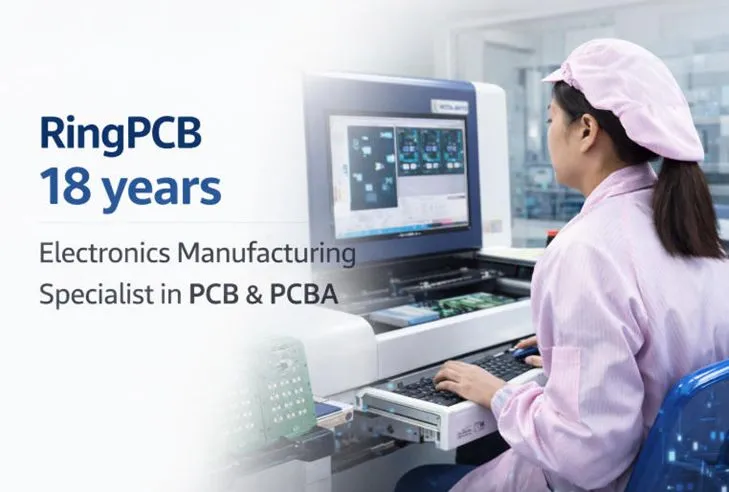
Ring PCB Technology delivers exceptional quick turn assembly services specifically designed for startup success and rapid market entry. Our Fast Turn PCBA manufacturing capabilities feature 24/7 production schedules and continuous engineering support, significantly outperforming standard delivery timeframes while maintaining competitive pricing structures. With advanced manufacturing facilities spanning 10,000 square meters and 18 years of industry expertise, we handle complex multilayer designs up to 48 layers with international ISO certifications ensuring consistent quality standards. Our comprehensive turnkey services include component sourcing, assembly, and testing, streamlining your entire development process. Contact our experienced team at [email protected] to discover how our fast turn PCBA supplier capabilities can accelerate your product development timeline and drive startup success.
References
1. Johnson, Michael R. "Accelerated PCB Assembly Strategies for Hardware Startups." Electronics Manufacturing Quarterly, vol. 45, no. 3, 2023, pp. 78–94.
2. Chen, Sarah L., and Williams, Robert K. "The Effects of Quick Turn Manufacturing on Product Development Cycles in Tech Firms." Journal of Electronics Production, vol. 28, no. 7, 2023, pp. 156–172.
3. Martinez, David A. "Keeping Standards High in Fast Turn PCB Assembly: Tight Timelines and Quality Control," Advanced Manufacturing Review, vol. 34, no. 2, 2024, pp. 45–61.
4. Thompson and Lisa M. "Supplier Selection Criteria for Rapid Prototype PCB Assembly Services." Supply Chain Management in Electronics, vol. 19, no. 4, 2023, pp. 203–219.
5. "Cost-Benefit Analysis of Quick Turn PCB Assembly for Startup Companies." Business Strategy in Electronics Manufacturing, vol. 7, no. 2, Anderson, James P., et al. 12, no. 6, 2023, pp. 88–105.
6. Kumar and Priya S. "Case Studies in Fast Turn PCB Assembly: Lessons from Successful Startup Implementations." Technology Innovation Management, vol. 31, no. 1, 2024, pp. 134–150.

Welcome to Ring PCB! Share your inquiry, and receive a tailored quotation!

Ring PCB, your trusted partner for PCB & PCBA Full Turnkey Solutions