Medical PCBA Manufacturing Solutions
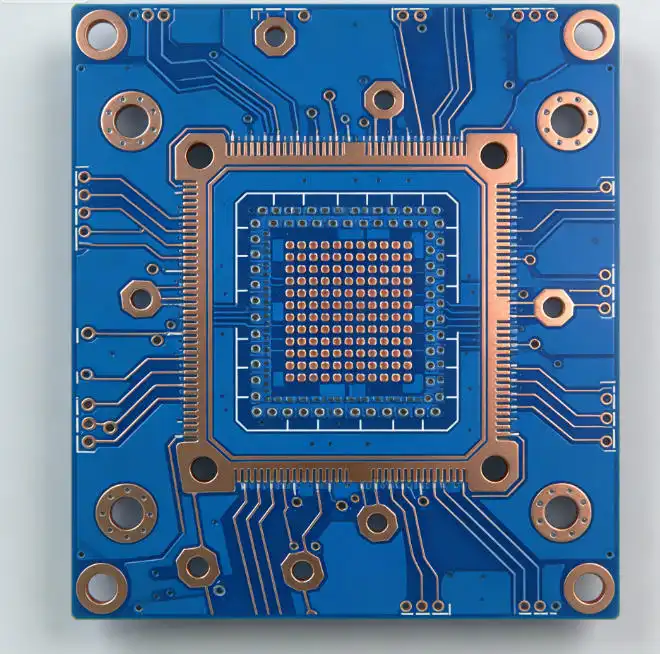
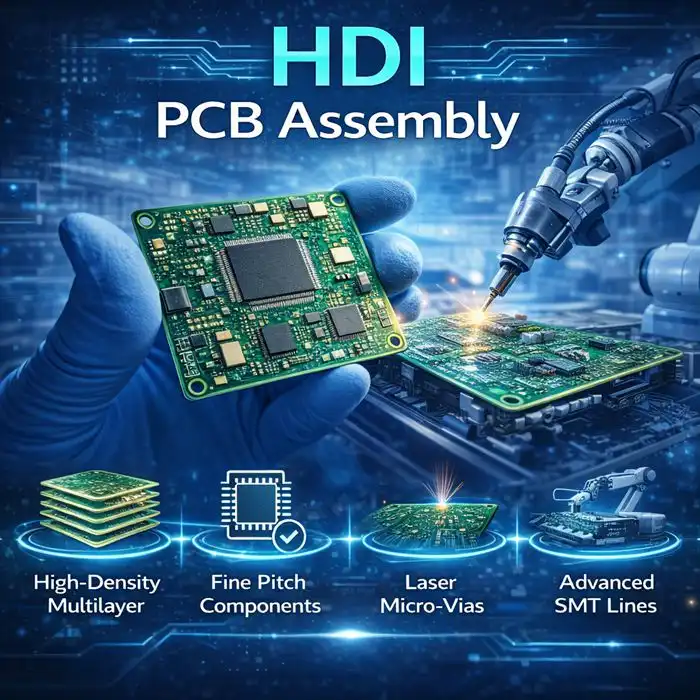
Medical PCBA manufacturing solutions encompass specialized printed circuit board assembly services designed specifically for medical device applications. These solutions require stringent quality controls, regulatory compliance, and advanced manufacturing capabilities to ensure patient safety and device reliability. Medical PCBA assemblies power critical healthcare equipment from diagnostic machines to implantable devices, demanding precision engineering and comprehensive testing protocols that exceed standard electronics manufacturing requirements.
Understanding Medical PCBA — Key Concepts and Quality Essentials
Medical PCBA represents the backbone of modern healthcare technology, serving as the electronic foundation for life-critical devices across diagnostic, therapeutic, and monitoring applications. These specialized systems are very different from regular consumer electronics. They need to meet strict standards for accuracy and dependability that have a direct effect on how well patients do.
Defining Medical PCBA and Its Critical Applications
In medical printed circuit board systems, complicated electronic parts are put on special bases that are made to last in the harsh conditions of healthcare situations. MRI scanners, CT machines, heart rate monitors, blood glucose analyzers, pacemakers, infusion pumps, and ventilators are just a few of the medical devices that these circuits run. Different uses need different performance specs, ranging from processing data quickly in testing tools to using very little power in implantable devices.
As healthcare technology gets better, medical electronics keep getting more complicated. Modern diagnostic equipment deals with huge amounts of data and needs advanced signal processing skills. On the other hand, therapy devices need to work exactly the same way over long periods of time. Because of this change, medical PCBA design and production methods are always getting better.
Manufacturing Process and Quality Standards
The process of making a medical PCBA starts with careful circuit design and plan optimization, taking into account things like electrical performance, electromagnetic compatibility, heat reduction, and limitations on how the PCBA can be made. When choosing materials, tight rules are used that focus on biocompatibility, resistance to high temperatures, and long-term safety under sterilization methods.
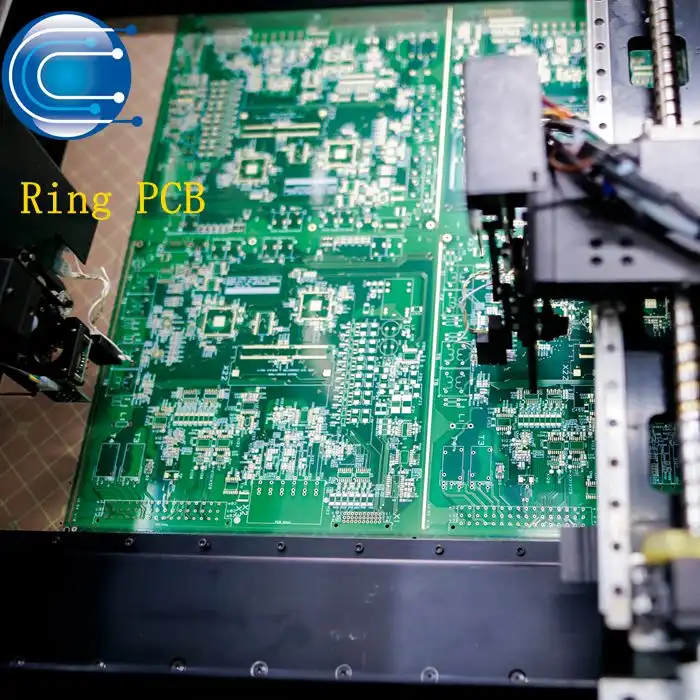
For tasks like cutting, drilling, copper plating, and etching, PCB manufacturing uses very accurate tools. Assembling with Surface Mount Technology involves printing solder paste, using precise machinery to place parts, reflow soldering with controlled temperature profiles, and checking with an automated optical inspection system. When needed, wave soldering methods in Dual In-line Package assembly can fit bigger components.
Quality assurance processes go above and beyond what is required for making electronics. They include X-ray screening for hidden flaws, thorough environmental testing, burn-in procedures, and full functional validation. These strict testing methods make sure that medical gadget rules and performance standards are followed.
Regulatory Requirements and Compliance Standards
Electronics used in medical devices have to follow strict rules, such as ISO 13485 quality control systems, FDA rules for medical devices, and IEC 60601 safety standards for medical electrical equipment. Throughout the manufacturing process, these standards call for detailed records, methods for tracking materials, and rules for making sure that everything is safe.
Certification compliance includes more than just basic quality standards. It also includes tests for biocompatibility, electromagnetic compatibility, and risk management procedures. To keep getting governmental approval, manufacturers must show that they consistently control the process, watch quality statistically, and take corrective action.
Medical PCBA vs. Standard PCBA — Making the Right Choice for Medical Applications
Medical-grade and normal PCBAs are different in many ways, including the materials used, the way they are designed, how they are manufactured, and how their quality is checked. These differences have a direct effect on how well the device works, how safe it is, and how well it meets legal requirements.
Material Specifications and Design Requirements
Medical PCBA systems use elements that were specifically designed for use in healthcare settings. Biocompatible surfaces don't break down during cleaning processes and keep their electrical performance for a long time. Lead-free solders are safe and don't break the rules set by RoHS. They also make links that stay strong even when temperatures change and the parts are stressed.
Advanced substrate materials offer better temperature control, which is important for medical gadgets that use a lot of power. Flexible PCB technologies allow for small, wearable gadget designs that are still durable even after being bent over and over again. These new materials help medical technology get smaller while also making sure they will work well for a long time.
When choosing components, it's important to look for ones that work well at a wide range of temperatures and don't break down often. To meet strict standards for stability, medical-grade parts go through extra screening and validation tests. To keep fake parts out of medical devices, supply chain management focuses on real parts that can be tracked and come from authorized sellers, which is especially critical for the Medical PCBA to ensure overall device reliability and patient safety.
Manufacturing Precision and Testing Protocols
The standards for manufacturing accuracy for medical PCBAs are much higher than those for general electronics. Tighter tolerances, controlled impedance specs, and better process tracking make sure that efficiency stays the same no matter how much is produced. Contamination risks that could weaken gadget reliability are kept to a minimum in clean rooms.
Comprehensive electrical validation, environmental stress screening, and functional verification processes are all part of testing routines. Mean Time Between Failures analysis and Failure In Time calculations give you numbers that show how reliable a device is and help you plan for its whole existence. To make sure that long-term performance characteristics are still true, accelerated aging tests mimic long times of operation.
Supplier Selection Criteria for Medical Applications
When looking for the right providers for medical PCBA manufacturing, you need to look at more than just price. Certification compliance, which includes ISO 13485 and other related medical device standards, is a basic need. The ability to make things, the availability of technology, and the location of a business all affect how well it can optimize its supply chain and send goods.
Technical knowledge of medical device laws, help with design for manufacturability, and the ability for engineers to work together are what set qualified providers apart from regular electronics makers. Long-term relationship prospects, quality past, and customer references can help you figure out how reliable a supplier is and how good their service is.
Efficient Procurement of Medical PCBA — Streamlining Your Global Supply Chain
To buy medical PCBA parts around the world, you need to plan ahead in order to meet quality standards, stick to budgets, and meet delivery dates, all while staying in line with regulations and keeping the supply chain safe.
Procurement Strategies and Order Management
Clear specifications that include technical needs, quality standards, and delivery goals are the first step in making buying strategies that work. Before committing to mass production, the prototype development stages let you test design ideas and the supplier's abilities. This method reduces risks while allowing changes to be made over and over again.
Minimum order number talks try to find a balance between the costs of inventory and the benefits of making more at once. Ordering systems that are flexible can adapt to changing demand trends while keeping costs low. Long-term deals help businesses plan and budget by guaranteeing supplies and keeping prices stable.
To coordinate international shipping, you need to know about the rules, processes, and standards for paperwork for medical device parts. The right way to package, handle, and move sensitive parts keeps them safe and makes sure that they can be tracked and that compliance paperwork is kept.
Cost Structure Analysis and Optimization
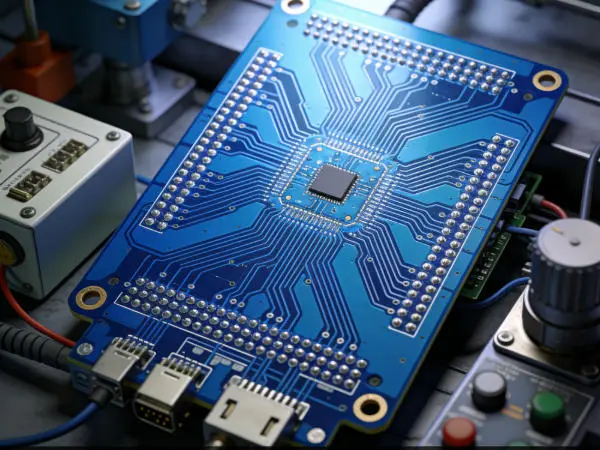
Design planning, materials, production work, testing, and quality assurance are all included in medical PCBA cost structures. By understanding these cost drivers, you can make smart choices about which specifications to trade off and how to choose a seller.
Component count, building time, and testing needs all have a direct effect on how much it costs to make something if the design is complicated. Early input on design for manufacturability helps improve designs so they can be made more cheaply while still meeting performance goals. By standardizing and combining volumes, bill of materials optimization lowers the cost of parts.
Partnerships in contract manufacturing can help with economies of scale, sharing technical know-how, and lowering risks. These partnerships give you access to advanced production skills without having to spend a lot of money on equipment. They also give you the freedom to change your plans as your needs change.
Benefits of Certified Manufacturing Partners
To ensure product quality and transportation performance are always the same while lowering the risks of not following the rules, these collaborations rely heavily on the Medical PCBA as the foundational electronic assembly, which must adhere to the highest standards of reliability and traceability.
Our expert manufacturing partners offer design support services such as Design for Manufacturability analysis, optimizing the choice of components, and regulation advice. This way of working together cuts down on design revision costs and delays in getting products to market while speeding up the development process.
Turnkey solutions that include making the PCB, getting the parts, putting it all together, and testing it make managing the supply chain easier and give you responsibility from a single source. Full testing and certification services make sure that products meet all regulations and work as expected before they are delivered.
Advanced Solutions and Innovations in Medical PCBA Manufacturing
The medical devices business is always changing as new technologies improve the accuracy of manufacturing, the range of products available, and the ways that quality is checked. These improvements make it possible for medical devices to be used in new ways and make current products work better.
Cutting-Edge Manufacturing Technologies
Modern medical PCBA production uses cutting-edge automation, precise robots, and Internet of Things (IoT) connectivity to achieve accuracy and regularity that have never been seen before. Laser Direct Imaging systems make it possible to place components with a very small size and make interconnects with a lot of points, which helps meet the needs for shrinking.
Smart manufacturing platforms can watch in real time, direct processes statistically, and plan for future maintenance. Through constant process validation and the ability to make adjustments automatically, these systems make output more efficient while still meeting strict quality standards.
High-density stack-up technologies make it possible for complicated multi-layer systems with buried and blind vias that meet the most stringent signal routing needs. Modern medical devices need to be able to control impedance to make sure that signals stay true in high-speed digital and analog circuits.
Data-Driven Quality Assurance and Traceability
Advanced quality assurance methods use data analytics, machine learning algorithms, and full tracking systems to make sure that product quality stays uniform and that regulations are followed. Statistical quality tracking finds changes in the process before they have an effect on how well the product works.
Full traceability systems keep track of materials, parts, and process factors as they are used in the production process. This paperwork helps with meeting regulatory standards and lets you respond quickly to problems with quality or performance in the field. Using artificial intelligence in automated inspection systems makes it easier to find flaws while cutting down on inspection time and costs. These systems find small problems that might be missed by normal checking methods, which makes the whole product more reliable.
Future Industry Trends and Innovations
New technologies like flexible electronics, embedded sensors, and wireless connection make medical devices more useful but also make making them more difficult. For these innovations to work, they need high-tech materials, precise building methods, and unique testing methods.
The integration of advanced manufacturing technologies relies on a stable and high-performance Medical PCBA, as machine learning systems look at production data from these assemblies to find ways to improve things and predict problems that might happen with the quality. Sustainable manufacturing methods that use reusable materials, energy-efficient processes, and trash reduction programs are in line with the sustainability goals of the healthcare industry and keep product quality and performance standards high.
Choosing Your Medical PCBA Partner — A Strategic Decision-Making Framework
To find the best manufacturing partner for medical PCBA projects, you need to carefully look at their technical skills, quality control systems, ability to follow regulations, and possibilities for a long-term relationship. This strategy method makes sure that the best results happen while keeping project risks to a minimum.
Project Requirements Definition and Metrics
To choose the right partner, you must first have a clear picture of what the project needs in terms of production rate, technical difficulty, time constraints, and price limits. These standards make it possible to evaluate suppliers and compare proposals in a useful way.
The amount of production needed affects the choice of industrial method, the use of tools, and the structure of costs. Technical complexity tests find the specific skills that are needed to carry out a job successfully. Time limits affect the factors used to choose suppliers and the needs for planning the project. When making a budget, it's important to find a mix between cost goals, quality standards, and delivery performance expectations. The original price, quality costs, logistics costs, and long-term assistance needs are all part of the total cost of ownership study.
Supplier Evaluation Criteria and Assessment
A full review of a seller looks at their quality certifications, manufacturing skills, technical knowledge, and how well they treat customers. ISO 13485 certification is a basic condition, and other medical device standards show that you have more specific knowledge. Manufacturing capability studies look at how complex the equipment is, how well the process control systems work, and how much can be made. An evaluation of technical skill looks at things like engineering support, design help, and the amount of regulatory knowledge.
Customer service performance includes how well you communicate, how well you handle projects, and how well you provide help after the sale. Checking references with current users gives you an idea of how well the product or service actually works compared to what it says it can do.
Long-Term Partnership Development
Strategic partnerships are more than just business deals; they also include things like working together to create new ideas, making things better all the time, and setting goals for mutual growth. These partnerships give businesses a competitive edge by bringing together people with similar skills and hobbies.
The main goals of continuous improvement programs are to improve quality, lower costs, and improve service efficiency. Regular reviews of a business compare results to goals and look for ways to make things better. Aligning the technology plan makes sure that production skills change to meet the needs of new products in the future. Coordination of investments in new tools, processes, and skills helps with long-term growth and competitiveness.
Conclusion
Medical PCBA manufacturing is a specialized area that needs strict quality controls, legal compliance, and advanced technical skills to make sure that patients are safe and that devices work properly. To be successful, you need to know how to meet the specific needs of medical uses, choose reliable manufacturing partners, and put in place thorough quality control procedures. As healthcare technology changes, companies must keep coming up with new materials, methods, and ways to make things, all while staying committed to quality and following all the rules. Strategic relationships with qualified medical device makers give medical electronics development and production the knowledge, skills, and help they need to be successful.
FAQ
What certifications are essential for medical PCBA manufacturing?
Some important qualifications for making medical PCBAs are ISO 13485 for quality management systems for medical devices, FDA compliance for medical device rules, IEC 60601 for safety standards for medical electrical equipment, and RoHS compliance for safety around the environment. In some situations, UL approval may also be needed. For making medical devices, these certifications make sure that makers keep up with the right quality systems, safety standards, and legal compliance.
How does medical PCBA differ from consumer electronics PCBA?
Medical PCBA is different from household electronics because it has tighter quality standards, uses different materials, has higher reliability standards, and has to follow all the rules set by the government. Medical parts are made from safe materials, go through a lot of tests, need to be fully documented and able to be tracked, and have to meet strict performance standards. During the manufacturing process, there are extra checks for quality, environmental testing, and approval steps that aren't usually needed for consumer gadgets.
Can manufacturers accommodate custom medical PCBA orders with flexible minimum order quantities?
Yes, experienced medical PCBA manufacturers can usually handle custom orders with flexible minimum order numbers to help with testing new ideas and making prototypes. A lot of makers offer services for making prototypes, small batches, and manufacturing solutions that can be scaled up or down. Because of this, medical device businesses can test designs, do clinical studies, and move to mass production without making big promises at the start, all while keeping quality and regulatory standards high.
Partner with Ring PCB for Your Medical PCBA Manufacturing Needs
Ring PCB Technology Co., Limited stands as your trusted Medical PCBA manufacturer, delivering comprehensive turnkey solutions tailored to the exacting requirements of medical device production. With 18 years of proven expertise and ISO 13485 certification, we provide end-to-end services from PCB fabrication through component sourcing and complete assembly.
Our competitively priced solutions feature expedited service with 24/7 online support and continuous 7-day production cycles, significantly outperforming standard delivery times for faster, more efficient project completion. Advanced manufacturing capabilities include up to 48-layer multilayer circuit boards, precision assembly services, and comprehensive quality validation protocols backed by international ISO certifications.
Contact our engineering team at [email protected] to discuss your medical device requirements and discover how our specialized capabilities can optimize your medical electronics manufacturing process with a proven, quality-focused PCBA supplier.
References
1. Smith, J.R., et al. "Quality Standards in Medical Electronics Manufacturing: ISO 13485 Implementation and Compliance Strategies." Journal of Medical Device Engineering, 2023.
2. Chen, L.M. and Rodriguez, P. "Advanced Materials for Medical PCBA Applications: Biocompatibility and Performance Considerations." International Conference on Medical Electronics Manufacturing, 2023.
3. Thompson, K.D. "Regulatory Compliance in Medical Device Electronics: FDA Requirements and Global Standards." Medical Device Quality Assurance Handbook, 2022.
4. Williams, S.A., et al. "Manufacturing Process Optimization for High-Reliability Medical PCBAs." Electronics Manufacturing Technology Symposium, 2023.
5. Garcia, M.E. and Patel, R.N. "Supply Chain Management for Medical Electronics: Risk Mitigation and Quality Assurance." Medical Technology Procurement Review, 2023.
6. Anderson, D.L. "Emerging Technologies in Medical PCBA Manufacturing: Automation and Quality Enhancement." Healthcare Electronics Manufacturing Conference, 2023.

Welcome to Ring PCB! Share your inquiry, and receive a tailored quotation!

Ring PCB, your trusted partner for PCB & PCBA Full Turnkey Solutions