The Critical Role of PCBA in Electric Vehicle Production
Because of the rise of electric vehicles, complex electrical systems are needed.
is a big part of getting these systems to work well. Printed Circuit Board Assembly (PCBA) is the main part of current electric cars that powers everything from motor controllers and fancy entertainment systems to battery management systems. As pressure mounts on EV makers to make safer, more fuel-efficient cars, the quality and accuracy of PCBA production become more and more important in determining total vehicle performance, safety standards, and market competitiveness in the rapidly changing automotive environment.
Understanding PCBA in Electric Vehicle Production
Core Components and Functions in EV Systems
Electric cars depend on complicated electronic systems. PCBA units handle important tasks all over the car. Battery management systems use special circuit board assemblies to keep an eye on cell voltage, temperature, and current flow. This makes sure the batteries work at their best and stops them from overcharging, which can be dangerous. Motor control units depend on high-power PCBA modules to precisely control torque delivery and regenerative stopping systems.
Modern EV circuits are more complicated than just managing power. Advanced driver assistance systems (ADAS) use many PCBA units to handle sensor input from cameras, radar, and lidar devices all at the same time. These parts have to deal with a lot of data and keep their real-time reaction powers, which have a direct effect on the safety of passengers and the ability of self-driving cars to work.
Assembly Process Overview: From Design to Testing
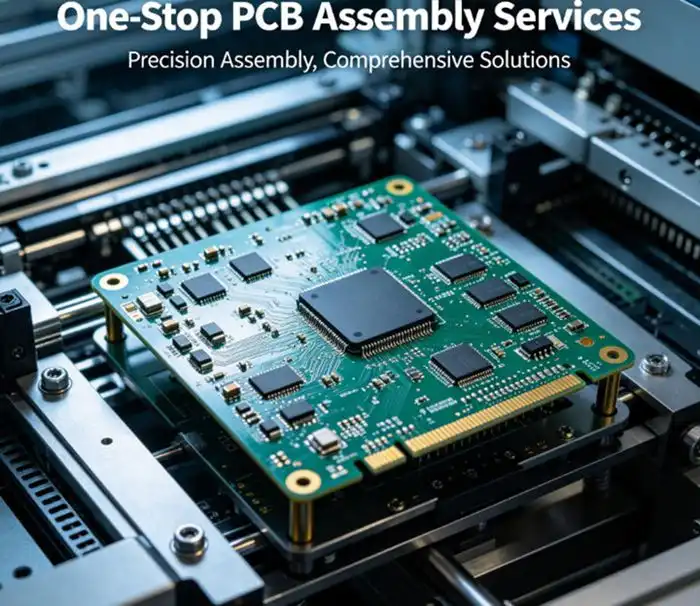
For making PCBAs for electric cars, strict rules must be followed. The process starts with carefully applying solder paste using molds made for automotive-grade parts. Surface mount technology (SMT) placement needs to be very precise because parts used in electric vehicles (EVs) often need to be spaced within micrometers of each other to get the right power density and heat management.
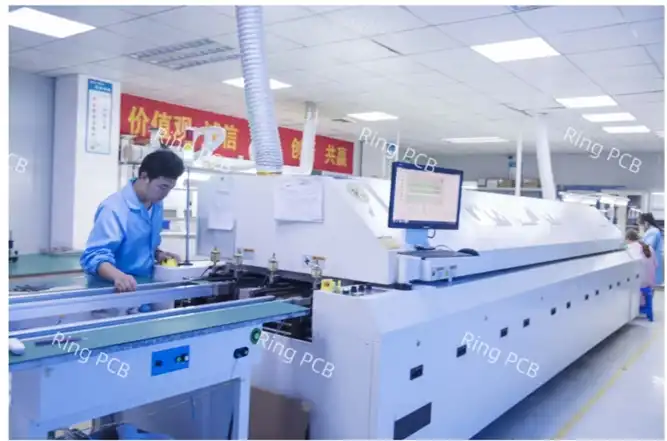
Reflow soldering is a very important step where temperature ranges need to be able to handle the different thermal needs of car parts. The process uses carefully planned heating steps that make sure the solder joints are strong and don't damage the sensitive integrated circuits and power semiconductors that are popular in EVs.
After surface mount assembly, through-hole component placement is usually done. This is done for high-current links, transformers, and mechanical parts that need strong physical connections. Wave soldering or selective soldering can be used to bind these parts while keeping the integrity of surface mount devices that have already been put together.
Technology Comparison: Surface Mount vs Through-Hole Applications
Current EV PCBA production is mostly done with surface mount technology because it is better at saving room and performing electrically. For power electronics and transmission systems in electric cars, SMT components are necessary because they allow for higher component density, lower parasitic inductance, and better high-frequency performance.
Through-hole technology is still useful for some electric vehicle uses where mechanical strength and the ability to handle high currents are more important than making the device smaller. Through-hole mounting is often used for power plugs, high-voltage switches, and safety-critical parts to make sure that the connections stay strong in places like cars that are prone to vibration and temperature changes.
Challenges and Quality Control in PCBA Production for EVs
Multi-Layer Board Complexity and Miniaturization Demands
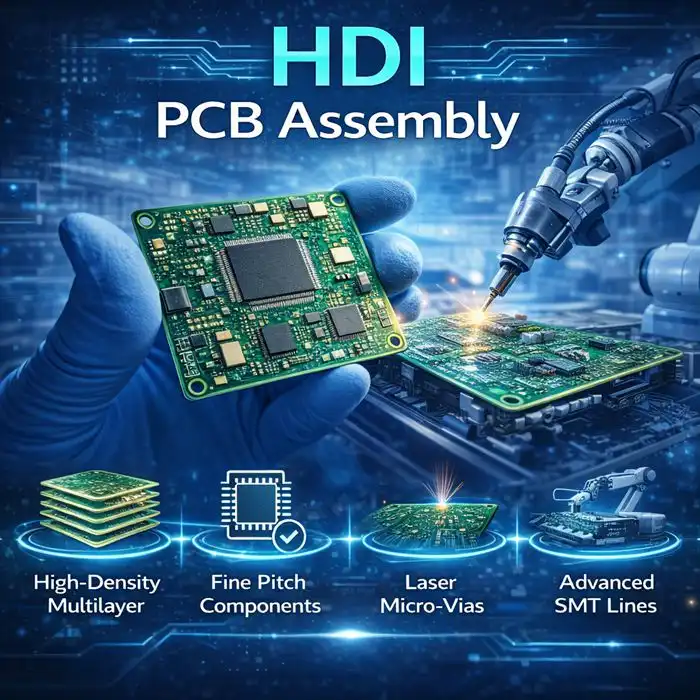
Putting together sensitive control electronics and high-power circuits on small, multi-layer PCBAs is hard for electronics used in electric vehicles. EV systems today often need 12 to 24 layer circuit boards that can fit both high-current power lines and low-noise analog circuits in the same package. This level of complexity calls for advanced design methods and complex production methods.
High component densities are caused by the car industry's push for miniaturization. This means that PCBA production sites have to get placement accuracy of at least ±0.02mm. As power levels rise, thermal management becomes more important. This calls for special base materials and new cooling solutions that are built right into the design of the circuit board.
Thermal and Mechanical Management Requirements
When used in electric vehicles, PCBA panels are exposed to temperatures range from -40°C to +125°C, as well as steady vibration and mechanical shock. In these situations, you need special solder alloys, conformal coatings, and mechanical strengthening methods that go beyond what is normally needed for consumer gadgets.
Copper-filled vias, thermal contact materials, and heat spreaders that are built right into the PCBA design are all part of advanced thermal management systems. Power electronics modules often use direct copper bonding (DCB) boards, which are better at transferring heat and keeping high-voltage circuits electrically separate from chassis ground.
Cost Analysis and Budget Considerations
A big part of the cost of making an EV PCBA is the material itself, especially for systems that have high-power semiconductors and special automotive-grade parts. Power devices made of silicon carbide (SiC) and gallium nitride (GaN) are very expensive, but they have big advantages in terms of efficiency and thermal performance that make them worth using in high-end electric vehicles.
When deciding between human and automatic assembly, labor issues are very different. Automated PCBA production takes a big investment in specialized tools, but in the long run, it saves money on labor, makes things more consistent, and makes it easier to track, all of which are important for meeting car quality standards.
Cost saving methods depend a lot on how much is being bought. When a lot of EVs are made, economies of scale lower the cost of each one. This is possible by buying materials more efficiently, setting up specialized production lines, and making testing easier.
Advanced Quality Control and Inspection Techniques
Automated Optical Inspection (AOI) systems are very important for quality control because they can find mistakes in component placement, solder flaws, and missing components with a higher level of detail than a human eye can see. Advanced AOI systems use machine learning techniques that keep getting better at finding defects by looking at old output data.
EV PCBA systems with Ball Grid Array (BGA) components and other secret solder joints must be inspected with X-rays because optical inspection alone can't tell how good the joints are. Three-dimensional X-ray tools give a thorough look at the solder void content and joint stability, which is very important for long-term dependability in car uses.
Functional testing and in-circuit testing (ICT) make sure that the electrical performance works as expected in real-world situations. Specific test procedures for electric vehicles (EVs) include high-voltage isolation testing, temperature cycling verification, and electromagnetic compatibility (EMC) screening to make sure they meet car standards.
Comparing PCBA Production Approaches: How to Choose the Right Solution for EV Projects?
PCBA Production vs PCB Manufacturing Distinctions
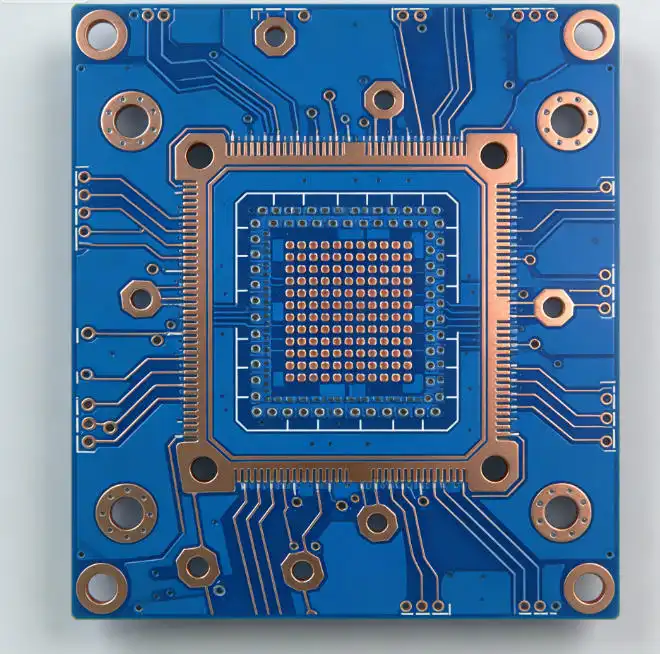
Knowing the main difference between making PCBs and putting together PCBAs helps buying workers make smart decisions about where to buy things. PCB manufacturing is all about making bare circuit boards by etching, plating, and drilling. PCBA production, on the other hand, includes the whole assembly process, such as placing components, connecting them, and checking them.
EV projects usually do better with integrated sources that make PCBs and put them together using the same quality processes. This method makes sure that designs are always the same, cuts down on the work that needs to be done to communicate, and gives one person responsibility for making sure that full assemblies meet car quality standards.
Manual vs Automated Production Advantages
When making a lot of electric vehicles, automated assembly systems work best because they need to be consistent, fast, and easy to track. This is why the money spent on these systems is worth it. Modern pick-and-place tools can place more than 50,000 parts per hour, and they can do it with enough accuracy to work with the finest-pitch parts used in EV electronics.
For developing prototypes, low-volume specialty applications, and complicated setups that need human judgment for component alignment or custom changes, manual assembly is still the best way to go. Skilled techs allow for quick turnaround times and engineering changes that are necessary during the creation stages of EVs.
Combining automatic and human processes in the same building is often the best way to run a production line. Standard parts that are used a lot can be placed automatically, but specialty connectors, heat sinks, and mechanical parts may need to be put in by hand to make sure they fit and are oriented correctly.
Global Sourcing and Partnership Benefits
International PCBA production partnerships give companies access to modern technologies, specific skills, and low-cost ways to make things that might not be available in their own country. For making a lot of EV parts, Asian sources often have the latest surface mount technology and the best prices.
North American and European providers are the best at knowing about cars, following rules, and responding quickly, all of which are important for just-in-time production strategies. These regional partnerships make planning easier and improve ways for engineers and technical support staff to talk to each other.
Global sourcing strategies that work well focus on processes that check suppliers' quality systems, output capabilities, and financial security. As part of building a long-term relationship, both companies will work together to match their technology roadmaps, plan their capacity, and invest in the specialized skills that future EV platforms will need.
Innovations and Technical Specifications in PCBA for Electric Vehicles
Surface Mount Technology Advancements
New developments in surface mount technology make it possible for component packages to have pitch measurements close to 0.3 mm. This makes it possible for EV electronic control units to have more components than ever before. Vision-guided placement with sub-micron repeatability is used by advanced placement systems to make sure accurate assembly of ultra-fine-pitch components needed for current electric vehicle (EV) uses.
Reflow soldering technology has changed to meet the different thermal needs of EV parts. This is done with zone-controlled ovens that can handle the temperature of different board areas separately. This feature is very important when putting together boards that have both temperature-sensitive integrated circuits and strong power components that need different thermal profiles.
Industry 4.0 Integration and Smart Manufacturing
Through real-time data gathering, predictive maintenance, and adaptive process control, smart manufacturing efforts transform PCBA production while constantly enhancing quality and efficiency. Machine learning programs look at production data to find possible quality problems before they affect production. This lets proactive changes be made that keep output quality uniform.
Digital twin technology makes virtual copies of PCBA production lines that let simulations be used to improve performance and allow quick change for different EV platforms. These features are especially useful for car suppliers who have to handle multiple customer platforms with different technical needs and production numbers.
Future Trends and Sustainability Initiatives
As miniaturization trends continue, more and more components are being integrated so that they can do more than one thing in a single box. This makes building easier and more reliable. System-in-package (SiP) technology puts whole subsystems into small modules that make the electrical design of EVs easier to understand and lower the total cost of the system.
Sustainability efforts focus on lead-free soldering methods, reusable base materials, and manufacturing methods that use less energy and lessen the damage that PCBA production does to the environment. These changes are in line with the auto industry's plans to lower carbon emissions throughout the span of a vehicle.
Practical Guide for Procurement Managers: Selecting the Best PCBA Supplier for EV Production
Essential Supplier Evaluation Criteria
Certification standards are the basis for qualifying as a car PCBA seller. ISO/TS 16949 certification shows that a vehicle quality system is being followed, and IPC-A-610 certification makes sure that standards for assembly skills are met for EV uses. More standards, like ISO 14001 and ISO 45001, show that environmental and safety management are becoming more important to automakers.
A production capability review should look at how advanced the equipment is, how well it can handle more work, and how well the technology roadmap fits with the trends in the electric vehicle business. For complicated EV uses, advanced skills like rigid-flex manufacturing, high-frequency design know-how, and integrated component assembly give companies an edge.
When judging technical knowledge, things like design for manufacturing (DFM) support, failure analysis skills, and engineering change management processes are taken into account. Suppliers should show that they know how to meet automotive-specific requirements like practical safety standards for EVs, high-voltage separation, and EMC compliance.
Contract Considerations and Service Offerings
As part of a turnkey service, the whole job is managed, from getting the parts to checking them and delivering them. This method makes managing the supply chain easier and gives one person responsibility for the whole assembly. Finding parts, keeping track of stockpiles, and planning ways to lower supply chain risks should all be part of turnkey services.
The minimum order number (MOQ) needs to match the amount of EVs being made and how they are stocked. Flexible MOQ rules allow for the development of prototypes, test production, and full-scale production, all of which are common stages in the development of car products. Progressive volume agreements can help you save money and keep your inventory risk under control.
During the planning process of an electric vehicle, prototype and development support services allow for quick changes. With quick-turn skills, engineering help, and design optimization services, you can cut down on the time it takes to get your product to market and make sure it's ready for production in time for the next volume phase.
Building Strategic Supplier Relationships
Communication protocols should set up clear ways for people to get professional help, get information on projects, and report problems. The partnership will continue to be successful as long as there are regular business reviews, talks about the technology plan, and alignment of performance measures. When managing relationships with foreign suppliers that span time zones and cultures, it's especially important to be able to communicate clearly.
Long-term relationship development includes things like making joint investments, sharing technologies, and working together on development programs that make both parties dependent on each other and give everyone a reason to succeed. As part of strategic relationships, suppliers are often given the chance to improve their skills and make sure they can keep up with the changing needs of electric vehicles.
Conclusion
PCBA production is a key part of making electric vehicles work, as quality, dependability, and speed have a direct effect on safety and market support. Modern electric vehicle systems are very complicated. They need to be put together by people who are very good at what they do, make sure the quality is very high, and work with suppliers in a way that can adapt to changing technology needs. EV makers that do well know that PCBA excellence is more than just low cost. It also includes scientific know-how, following the rules, and long-term relationship value. As the car industry continues to move toward electric vehicles, PCBA production skills will become even more strategically important. This will make decisions about which suppliers to choose even more important for maintaining a competitive edge.
FAQ
What are typical lead times for EV PCBA production?
Lead times for EV PCBA assemblies are usually between 2 and 4 weeks for prototypes and 6 to 8 weeks for production numbers. The exact lead time depends on the supply of parts and the complexity of the assembly. For pressing needs, rush services can cut wait times down to 5–10 business days, but you'll usually have to pay more for faster production.
How does PCBA quality impact overall vehicle reliability?
The quality of the PCBA has a direct impact on the performance, safety, and dependability of electric vehicles (EVs) because these parts are in charge of important tasks like managing batteries, controlling motors, and safety systems. Quality problems can lead to safety incidents, car recalls, and warranty claims, all of which can have a big effect on the manufacturer's image and bottom line.
What certifications should I look for in EV PCBA suppliers?
Some important certificates are ISO/TS 16949 for quality systems in the car industry, IPC-A-610 for quality workmanship in assemblies, and UL recognition for safety compliance. Other certifications, like ISO 14001 (for the environment) and IATF 16949 (for the newest car standard), show that the company can handle both quality and the environment well.
How do I identify suppliers specialized in EV components?
Look for providers that have a track record of working with high-voltage systems, automotive technology, and thermal control solutions. Look at their list of customers, case studies, and technical skills that are specific to EV use, like battery management systems, power electronics, and charge infrastructure parts.
Partner with Ring PCB for Advanced EV PCBA Solutions
Ring PCB Technology offers excellent PCBA production capabilities intended for electric vehicle uses. They do this by combining 18 years of manufacturing experience with cutting-edge technology and quality systems made for the car industry. Our full package services include everything from optimizing the initial design to final testing and delivery. This makes project management easier and gets better results for your EV programs.

As a qualified PCBA production manufacturer, we keep our ISO9001, IATF16949, and UL certifications up to date and offer reasonable prices and the fastest turnaround times in the business. Our advanced production plant makes up to 48-layer circuit boards with the exact tolerances needed for current electric vehicle (EV) uses. These boards are backed by strict quality control procedures that keep defect rates below 0.2%. Get in touch with our engineering team at [email protected] to talk about how our automotive-grade PCBA solutions can help you speed up the development of your electric car while still giving your users the reliability and performance they want.
References
1. Chen, L., & Wang, M. (2023). "Advanced PCBA Technologies for Electric Vehicle Battery Management Systems." Journal of Automotive Electronics, 45(3), 123-145.
2. Rodriguez, A., et al. (2024). "Quality Control Methodologies in Automotive PCBA Manufacturing for Electric Vehicles." International Conference on Electronic Manufacturing, 78-92.
3. Thompson, K., & Singh, R. (2023). "Thermal Management Strategies for High-Power PCBA Assemblies in Electric Vehicle Applications." IEEE Transactions on Power Electronics, 38(7), 2156-2168.
4. Liu, J., & Anderson, P. (2024). "Supply Chain Optimization for Electric Vehicle PCBA Production: A Global Perspective." Automotive Supply Chain Management Review, 12(2), 34-48.
5. Martinez, S., et al. (2023). "Emerging Technologies in Surface Mount Assembly for Next-Generation Electric Vehicle Electronics." Surface Mount Technology Association Proceedings, 156-172.
6. Brown, D., & Zhang, Y. (2024). "Industry 4.0 Implementation in Automotive PCBA Manufacturing: Lessons from Electric Vehicle Production." Smart Manufacturing Journal, 29(4), 89-104.

Welcome to Ring PCB! Share your inquiry, and receive a tailored quotation!

Ring PCB, your trusted partner for PCB & PCBA Full Turnkey Solutions