ISO 13485 Medical PCBA: What You Must Know
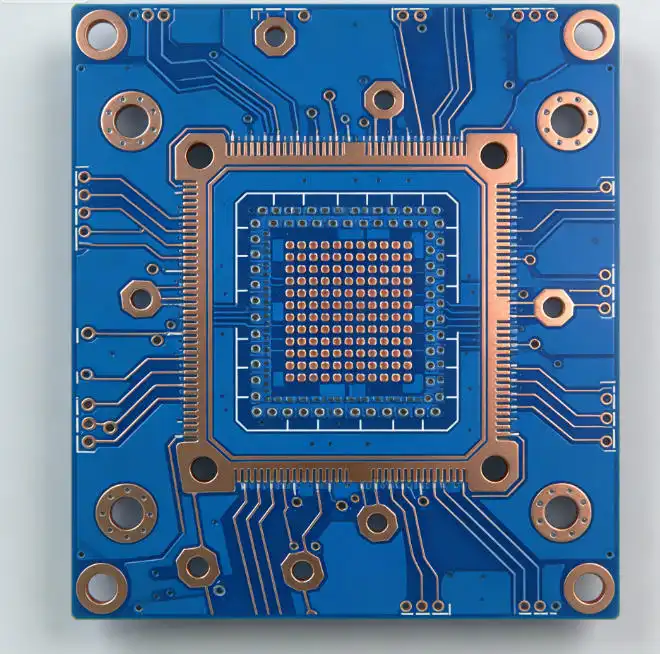
Medical PCBA represents a specialized category of printed circuit board assemblies designed specifically for medical device applications under strict ISO 13485 standards. These assemblies demand uncompromising reliability, precise engineering, and rigorous quality controls to ensure patient safety across diagnostic equipment, monitoring devices, therapeutic instruments, and surgical robotics. Understanding the unique requirements, manufacturing processes, and supplier selection criteria for Medical PCBA becomes essential for procurement professionals navigating the complex landscape of medical electronics manufacturing.

Introducing Medical PCBA Under ISO 13485: Key Concepts
To understand medical electronics, you need to know what makes Medical PCBA different from regular industrial circuit board assemblies. Medical printed circuit board systems work with very different rules, and failure isn't just an inconvenience; it can be life-threatening.
Regulatory Framework and Compliance Requirements
ISO 13485 sets up a quality management system that is especially for making medical devices. It does this by building a framework that controls every part of making Medical PCBAs. This standard requires strict rules for product safety, full tracking along the entire supply chain, and quality controls that go above and beyond what is normally expected for industrial electronics.
In addition to ISO 13485, there are also FDA rules, CE marking standards, and regional medical device policies that affect medical devices. These connected standards make a complicated compliance matrix that impacts the choice of parts, the production process, the paperwork needs, and the activities that are done after the product has been sold.
Distinct Characteristics of Medical Electronics
Medical gadgets work in places where protection to the environment is very important. These parts must be able to handle being sterilized, having their temperature and humidity change, and being put under a lot of mechanical stress without breaking down over long periods of time. For medical uses, precision engineering needs high-tech materials and very small errors to make sure that the end result is always the same.
There are important performance measures that show how likely it is that a device will fail over its entire working lifetime. These include Mean Time Between Failures (MTBF) and Failure In Time (FIT). These measures have a direct effect on how devices are certified and accepted by the market.
Medical PCBA Design and Manufacturing Process with ISO 13485 Compliance
From the idea stage to mass production, medical gadgets go through a lot of complicated design steps that make sure patients are safe while still working at their best.
Critical Design Considerations
The first step in designing a medical circuit board is to decide on the size limits, layer stackups, and component shapes that will meet the specific needs of the design. While following medical device standards, designers must carefully balance electrical performance, electromagnetic compatibility (EMC), heat loss, and the ability to make the device. When it comes to medical uses, picking the right parts is especially hard because every part has to meet strict standards for performance and sturdiness. To meet the strict needs of different medical settings, component decisions are based on things like power efficiency, biocompatibility, stability, and long-term dependability.
Manufacturing Process Breakdown
The production process is organized, starting with designing the circuit and making the plan as good as it can be. Engineers can use special design tools to make plans that keep electromagnetic interference to a minimum while still managing heat and signals well. Material selection and preparation are very important steps. Substrates, parts, and solder paste must pass strict quality checks to make sure they meet medical industry standards. These materials must be able to withstand high temperatures, rusting, and not being harmful to living things.
Assembly Technologies and Quality Control
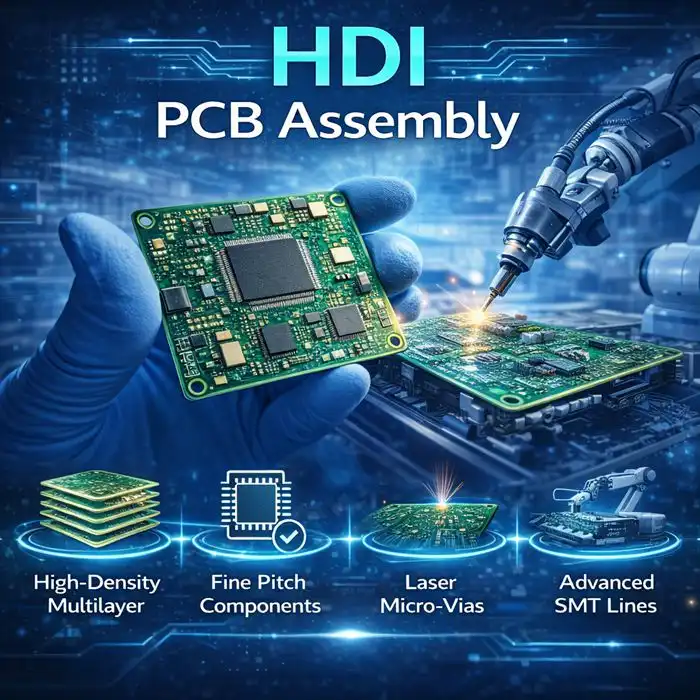
Surface Mount Technology (SMT) is the main part of modern Medical PCBA assembly. It includes printing solder paste onto precise stencils, using advanced pick-and-place equipment to place components accurately, reflow soldering in controlled atmosphere ovens, and using automated optical inspection (AOI) to check the quality. Dual In-line Package (DIP) assembly is used for parts that can't be put together using SMT methods, like big joints or certain electrolytic capacitors. These parts need to be wave-soldered and sometimes touched up by hand.
Quality Assurance and Testing Methods for ISO 13485 Medical PCBA
Medical electronics quality control goes far beyond standard industrial testing procedures. It includes thorough evaluation frameworks that check safety, performance, and long-term dependability.
Comprehensive Testing Protocols
Functional testing makes sure that all of the parts work within the limits that have been set in a variety of operating situations. As part of environmental testing, parts are put through high temperature changes, humidity exposure, vibration stress, and tests for corrosion protection to make sure they work well in the real world.
Electrical safety testing checks for things like separation, leakage currents, and safety against electrical dangers. Biocompatibility tests are important for gadgets that come into touch with patients to make sure that the materials won't have any bad effects on living things.
Advanced Inspection Technologies
Automated Optical Inspection (AOI) systems use high-resolution images and pattern recognition techniques to find flaws at the surface level, as well as problems with the placement of components and the quality of the solder joint. X-rays show flaws that aren't visible, like gaps appearing in solder joints, problems with component placement under packages, and the strength of internal connections.
Before the final assembly, in-circuit testing (ICT) checks the values, polarity, and basic operation of the parts. Functional testing makes sure that the whole system works in a situation that is like the real world. This makes sure that the devices meet all speed requirements.
Risk Management and CAPA Implementation
Risk management strategies look for possible failure modes throughout the duration of a product and take steps to stop them from happening as much as possible. Corrective and Preventive Actions (CAPA) methods give you a structured way to deal with quality problems, find out what's really going on, and provide long-lasting answers. Protocols for documentation make sure that everything can be tracked, from the raw materials to the final delivery. This creates audit trails that help with legal compliance and actions for monitoring after the product has been sold.
Choosing the Right Medical PCBA Supplier: A B2B Buyer's Guide
Medical electronics suppliers need to be carefully chosen based on the validity of their certifications, their production skills, and their ability to form long-term partnerships.

Certification Verification and Manufacturing Capabilities
ISO 13485 certification is the bare minimum for medical device sellers, but verification goes beyond just checking that the supplier has a certificate. It also checks the scope of the audit, the trustworthiness of the certification body, and ongoing compliance. More certifications, like ISO 9001, ISO 14001, and medical device registrations for each area, make the provider more trustworthy.
An evaluation of a company's manufacturing skills should look at things like its layer count, the technologies it uses, the accuracy of its impedance control, and how well its parts can be packaged together. New features like blind/buried via construction, high-density interconnect (HDI) technology, and flexible-rigid pairs make design options bigger.
Regional Manufacturing Considerations
Different parts of the world benefit in different ways from global industry settings. US medical equipment businesses can benefit from North American suppliers because they are close by, follow the same rules, and make communication easier. Precision engineering and medical uses are often areas where European companies really shine. Asian suppliers usually have lower prices and can make a lot of things at once while still meeting quality standards.
Partnership Evaluation Criteria
For a partnership to work in the long run, it needs to be able to provide technical help, know how to create things so they can be made, and have a strong supply chain. Suppliers should show that they have worked with similar medical products before, offer full paperwork support, and keep their quality systems strong.
Managing leads and deadlines is very important for medical device development, where prototype changes and regulatory reports make production needs time-sensitive. Rapid service choices and flexible production capacity help with meeting pressing project needs.
Procurement Best Practices for ISO 13485 Medical PCBA
Strategic procurement methods maximize cost-effectiveness while upholding the high quality standards required for Medical PCBA. Careful supplier selection, strict quality control systems, and compliance with regulatory requirements ensure that components meet the reliability and safety demands of healthcare applications, while still achieving long-term economic value.
Order Management and Lead Time Optimization
Procurement that works well manages order amounts to cut costs without hurting cash flow and strikes a balance between trial stages and production planning. The number of prototypes should allow for thorough testing and reports to regulatory bodies, while production orders should take advantage of price breaks that come with buying in bulk.
Managing lead times means making sure that the finalization of the design, the ordering of parts, and the schedule of production all work together smoothly. Setting aside buffer time allows for possible changes to the plan, problems with getting parts, and quality control processes.
Contract Negotiation and Quality Assurance
When negotiating prices, the total cost of ownership should be taken into account. This includes quality costs, shipping costs, and possible repair charges. Fixed-price deals help you plan your budget, and promises to buy a certain amount of goods get you better rates and priority scheduling for production. Quality agreements spell out exactly what is expected of employees in terms of performance, how to check, and how to take appropriate action. These contracts should spell out the requirements for tracking parts, the paperwork that needs to be turned in, and the support duties that come after delivery.
Supply Chain Resilience and Continuous Improvement
Managing the obsolescence of components requires constant tracking and different ways to get the parts. When suppliers work together, they can find possible problems with a component's lifecycle and make migration plans that have the least amount of effect on the design.
Technical support goes beyond production and includes things like design improvement suggestions, help with following the rules, and support activities after the product has been sold. These services are valuable because they cut down on development time and make products more reliable.
Conclusion
Medical PCBA production to ISO 13485 standards requires a lot of care when it comes to following the rules, making sure the quality is good, and choosing the right suppliers. Design standards, manufacturing methods, and quality control all work together in a complicated way that makes things hard. To solve these problems, medical device suppliers need to have a lot of experience. To be successful in buying medical electronics, you need to carefully evaluate suppliers, build strategic partnerships, and fully understand the rules that guide this very important industry section.
FAQ
What makes ISO 13485 certification essential for Medical PCBA suppliers?
ISO 13485 certification makes sure that providers keep up quality management systems that are meant to make medical devices. These systems provide the legal compliance, traceability, and quality controls that are needed to keep patients safe and make sure that the devices work properly.
How do medical circuit board assemblies differ from standard industrial PCBAs?
Medical assemblies require higher reliability standards, biocompatible materials, better resistance to environmental factors, and thorough recording procedures that go beyond what is normally required for industrial electronics.
What testing methods are mandatory for ISO 13485 Medical PCBA validation?
Mandatory testing includes functional verification, environmental stress testing, electrical safety validation, automated optical inspection (AOI), X-ray inspection, and biocompatibility evaluation are all tests that must be done on all devices, based on their classification and the needs of patients who will be using them.
How should procurement teams evaluate Medical PCBA supplier capabilities?
The evaluation should look at the company's ISO 13485 certification, its manufacturing technology, its quality system development, its experience with regulatory compliance, and its long-term relationship prospects, which should include expert support and supply chain resilience.
What lead times should be expected for Medical PCBA prototypes and production?
Depending on how complicated the product is, prototype wait times are usually between two and four weeks. Production numbers may take between four and eight weeks, which includes quality control steps, but expedited services can cut these times down by a lot.
How does component selection impact Medical PCBA compliance and performance?
Choosing the right components has a big impact on biocompatibility, reliability measures, regulatory approval processes, and the performance of the device over time. This is why medical-grade certifications, lifecycle availability, and performance requirements need to be carefully looked at.
Partner with Ring PCB for Your Medical PCBA Manufacturing Needs
Ring PCB Technology offers Medical PCBA solutions that are ISO 13485-certified. They have been making high-quality products for 18 years and have all kinds of quality standards. Our advanced production capabilities, available 24 hours a day, seven days a week, and cheaply priced services guarantee quick turnaround times that far exceed standard delivery schedules. We are experts at making complicated multilayer systems with up to 48 layers and precise impedance control.
Our work is backed by international ISO certifications and strict quality assurance processes. As your trusted Medical PCBA manufacturer, we provide complete turnkey services, from finding the parts to putting them together in the end. Our expert engineering teams are also available for ongoing technical support. Email our experts at [email protected] to talk about how to put together your medical gadget.
References
1. International Organization for Standardization. "Medical devices - Quality management systems - Requirements for regulatory purposes." ISO 13485:2016 Standard Documentation.
2. Food and Drug Administration. "Quality System Regulation for Medical Devices." CFR Title 21, Part 820 Regulatory Guidelines.
3. European Medicines Agency. "Medical Device Regulation (MDR) 2017/745 Implementation Guide." European Union Medical Device Compliance Framework.
4. Institute for Interconnecting and Packaging Electronic Circuits. "Requirements for Printed Boards." IPC-6012 Class 3 Medical Electronics Standards.
5. Association for the Advancement of Medical Instrumentation. "Electrical Equipment for Medical Practice." ANSI/AAMI ES60601 Safety Standards.
6. International Electrotechnical Commission. "Medical Electrical Equipment Safety Standards." IEC 60601 Series Compliance Requirements.

Welcome to Ring PCB! Share your inquiry, and receive a tailored quotation!

Ring PCB, your trusted partner for PCB & PCBA Full Turnkey Solutions