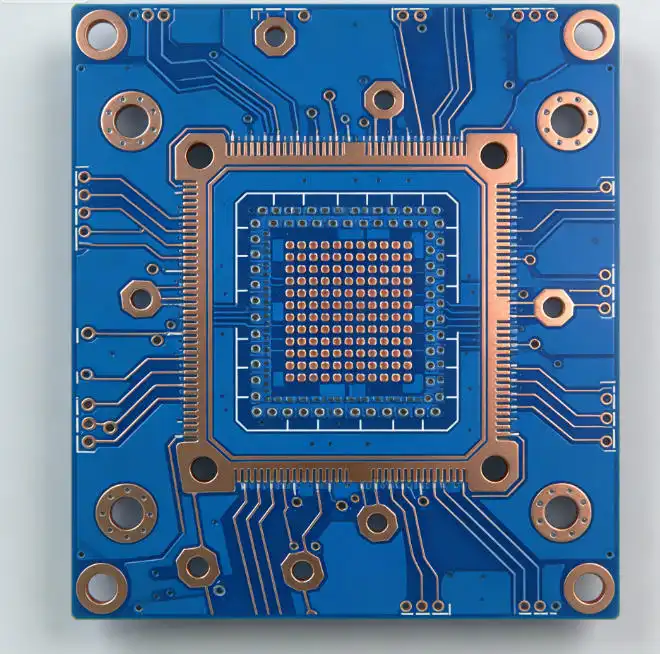
High-Reliability PCBA for Life-Saving Systems
The peak of precision engineering in healthcare technology is high-reliability PCBA for life-saving systems. These specialized Medical PCBA parts power life-or-death devices like pacemakers, defibrillators, ventilators, and surgery tools that can't fail. In contrast to regular circuit boards, medical-grade PCBAs have to be able to work in harsh environments, have no problems for decades, and meet strict regulatory requirements. Every part goes through strict testing procedures to make sure that patients are safe and that the gadget lasts for a long time in mission-critical settings.
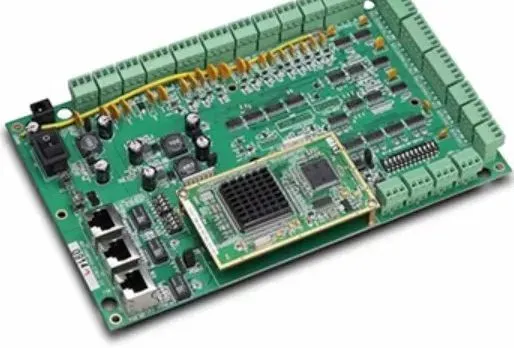
Understanding Medical PCBA and Its Importance in Life-Saving Systems
Medical PCBA assemblies run gadgets that have a direct effect on patient safety and results. They are the electronic backbone of modern healthcare technology. These specialized circuit board designs are very different from regular electronics because they have stricter regulatory compliance requirements, biocompatible materials, and higher dependability standards.
Defining Medical-Grade Circuit Assemblies
Medical device PCBAs are made with new materials and production methods that are designed to work with medical devices. The base materials need to be able to stand up to cleaning chemicals, multiple autoclave cycles, and temperature changes from -40°C to +85°C without losing their electrical integrity. Better screening processes are used on components to get rid of early failures, and special soldering profiles are used in assembly methods to make connections that are strong enough to last for years of constant use.
Critical Applications in Life-Saving Equipment
In healthcare settings, circuit systems must work perfectly in a wide range of medical situations. Cardiovascular devices that are implanted depend on very small PCBAs that use very little power (microamperes) and can work for more than ten years inside the body. Diagnostic imaging tools like MRIs and CT scanners need to be able to process signals quickly and block electromagnetic radiation so that picture artifacts don't show up. Surgical robots depend on precise motor control circuits that act on expert orders within milliseconds. This keeps patients safe during complicated procedures.
Reliability Metrics and Performance Standards
Metrics like Mean Time Between Failures (MTBF) of more than 100,000 hours and Failure In Time (FIT) rates of less than 10 failures per billion device hours are used to measure the reliability of medical devices. These strict standards have real-world benefits, such as lower maintenance costs, higher patient trust, and compliance with regulations in all global markets. Statistical process control is used in manufacturing to keep failure rates below 0.01%, which is much lower than the standards for consumer electronics.
Medical PCBA Design and Manufacturing: Best Practices for Reliability
To make medical circuit systems that work well, you need to use thorough design methods that put patient safety first throughout the whole development process. International quality standards must be met during the manufacturing process, and advanced testing methods must be used to confirm success in the real world.
Advanced Material Selection and Engineering
Medical-grade PCB boards are made from materials that are specially designed for use in healthcare settings. For example, high-temperature polyimide films are used for flexible circuits, and low-outgassing FR-4 types are used for rigid assemblies. Accelerated age tests are used to make sure that the components are stable over time, and solder alloys must keep the joints intact over millions of heat cycles. Surface finishes use coats that are safe and don't rust when sterilization chemicals hit them. They also make sure that electrical links work well.
The engineering team checks the fit of materials by using detailed testing methods that mimic years of working stress in a short amount of time. Some of these tests are electromagnetic compatibility tests, chemical resistance checks, and moisture absorption tests to make sure the same level of performance in all kinds of medical settings.
Precision Manufacturing and Assembly Processes
Medical PCBA making uses unique production methods that go beyond what is normally done in business. Surface mount technology (SMT) lines work in controlled settings that keep temperature and humidity within very tight ranges to keep parts from breaking down. Placement accuracy is up to ±25 micrometers, which can fit ultra-fine pitch components that are popular in small medical devices.
For each assembly, reflow soldering profiles are tweaked to work best, and temperature tracking makes sure that boards with complicated shapes are heated evenly. Lead-free metals that keep their mechanical strength and follow environmental rules are used in wave soldering methods for through-hole components. Using deionized water systems for post-assembly cleaning gets rid of flux leftovers to avoid long-term reliability problems.
Comprehensive Quality Assurance Protocols
Aside from the usual eye inspection, quality control measures include automated optical inspection (AOI), X-ray analysis to look for hidden flaws, and functional testing in situations that are similar to real-life use. In-circuit testing checks the values of components and makes sure they are placed correctly, and boundary scan methods check the functionality of complicated digital circuits that don't have any physical test points. As part of environmental stress screening, parts are put through rapid changes in temperature and pressure tests to find hidden flaws before they are shipped.
These strict rules make sure that Medical PCBA assemblies meet strict government standards, such as ISO 13485 for medical device quality control and IPC-6012 Class 3 performance requirements.
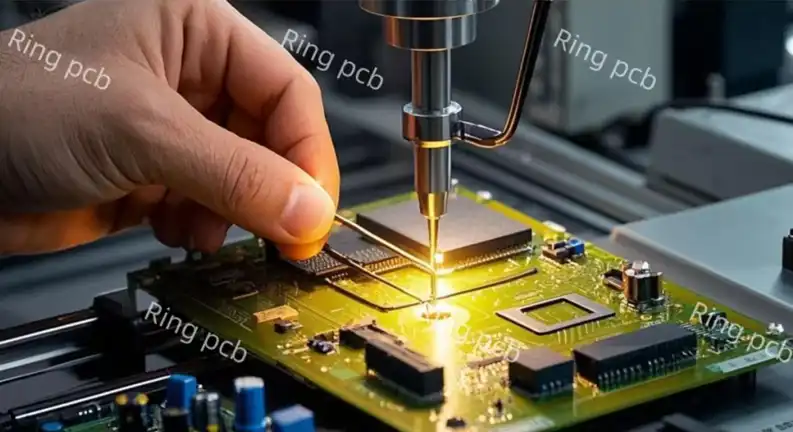
Comparing Medical PCBA Solutions: Making the Right Procurement Decision
When choosing medical circuit assembly partners, procurement experts have to make tough choices that balance technical skills, legal compliance, and cost. Knowing the differences between different PCBA options lets you make smart buying decisions that lower risk and boost performance.
Custom Versus Standard Assembly Solutions
With the incorporation of proprietary parts and specialized form factors that set goods apart in competitive markets, custom Medical PCBA development provides personalized solutions for specific device needs. With this method, designs are optimized for specific uses, and intellectual property is protected through limited production partnerships. Usually, it takes 12 to 18 months from the idea stage to the point where the parts are ready for production.
Using tried-and-true designs and established supply lines, standard medical circuit parts cut down on development costs and speed up time-to-market. These methods work best in situations where software or mechanical design, not technology innovation, makes a difference. Cost-effectiveness is often determined by the number of units bought. Custom solutions become economically possible for orders of more than 10,000 units per year.
Supplier Evaluation and Certification Requirements
When looking at possible assembly partners, you need to look at their professional skills, quality certifications, and past of following the rules. Qualified providers keep their ISO 13485 certification, which shows that they have implemented a medical equipment quality management system. Additional certificates, such as ISO 9001, IATF 16949, and IPC status, show a dedication to producing high-quality goods.
For medical uses, supply chain openness is very important, as parts need to be able to be tracked and programs need to be put in place to stop fake parts. Qualified sellers keep up relationships with authorized distributors and use inbound inspection methods to make sure that parts are real. Protecting intellectual property, making sure the supply chain is safe, and following the rules in all target areas are all geographical factors that need to be thought about.
Cost Optimization Strategies
Medical PCBA procurement costs extend beyond unit pricing to include development support, quality testing, and help with regulatory compliance are all included in the price, in addition to unit pricing. Failure rates, warranty assistance, and the possibility of being sued because of a broken gadget must all be taken into account when figuring out the total cost of ownership. Volume agreements often allow better price and make sure that the supply chain gets priority when parts are in short supply.
Collaboration on Design for Manufacturing (DFM) lowers production costs by improving return rates, making it easier to put parts together, and choosing the best components. Getting suppliers involved early on in the planning process helps find ways to cut costs while still meeting performance standards and legal requirements.
Overcoming Common Challenges in Medical PCBA for Life-Saving Systems
When medical device makers try to make safe circuit systems for important medical uses, they run into some unique problems. To solve these problems, we need organized methods that bring together technical knowledge, quality management skills, and regulatory information.
Component Obsolescence and Supply Chain Management
Medical device lifecycles can last for decades, which can be hard when electronic parts hit the end of their useful life during product support times. To make sure that parts will always be available, proactive obsolescence management needs to keep an eye on component roadmaps and use smart inventory management. Different ways of qualifying parts must keep their performance levels the same while meeting the rules for controlling changes.
Supply chain problems add to the risks of making medical devices, especially when it comes to parts that are very specific and hard to find. Creating dual-source plans and keeping smart inventory buffers helps keep moving costs low and supply breaks to a minimum. Supplier training programs make sure that backup sources meet the same quality standards and legal requirements.
Miniaturization and Thermal Management
As medical technology improves, it needs Medical PCBA designs that are smaller and more useful while still fitting into limited space. Problems with miniaturization include finding the best places for components, keeping signals intact, and getting rid of heat while staying within limited space limits. Through microvias and sequential lamination methods, high-density interconnect (HDI) technology makes it possible to place components with a fine pitch while keeping stability high.
As power densities rise in small systems, thermal control becomes more important. To spread heat sources, heat absorption techniques include thermal vias, copper pour optimization, and planning where to put components. Advanced modeling tools can predict how something will work with heat during the planning phase, which lets you make changes before making a sample.
Regulatory Compliance and Documentation Requirements
Medical device rules need detailed records at all stages of development, from controlling the design to making sure the manufacturing process works. Change control processes need to keep track of all changes while keeping the state of governmental approval. For possible recalls, documentation systems must be able to support traceability standards that connect lots of parts to finished products.
Risk management methods, such as ISO 14971 compliance, need to find and fix hazards in a planned way throughout the planning process. These tests look at possible failure modes and how they might affect patient safety. This helps designers make choices that put reliability ahead of cutting costs.
Emerging Trends and Future Outlook of Medical PCBA in Life-Saving Technologies
New technologies keep changing the world of medical electronics by making devices more useful and better patient outcomes. When procurement teams know about new trends, they can make smart buying decisions that set their companies up for future success.
IoT Integration and Connected Health Devices
When medical gadgets are connected to the Internet of Things (IoT), they become smart systems that can be monitored from afar and scheduled repair ahead of time. Wireless connection units like WiFi, Bluetooth, and cellular connectivity are being used more and more in Medical PCBA designs. To keep the gadget reliable, these additions need to be carefully thought out in terms of electromagnetic compatibility, security measures, and power management.
When health platforms are connected, they can watch patients in real time and analyze data in ways that improve treatment results while lowering healthcare costs. Secure data transfer methods must be supported by circuit parts. Encryption and authentication systems must be used to protect patient privacy. Edge computing lets you handle data locally, which cuts down on delay and makes the system more responsive.
Advanced Manufacturing Technologies
Traditional subtractive methods can't make it possible to make quick prototypes of PCBs with complicated shapes, but additive manufacturing techniques can. When electrical lines are printed in three dimensions, they take on unique shapes that are best for certain medical uses. These technologies are especially helpful for making internal devices, which need creative ways to be packed because of limited room.
Using AI to improve quality control by automatically finding flaws and making processes run more smoothly. Machine learning systems look at production data to figure out what might go wrong and how to make the process better right now. With these features, yield rates go up and checking costs go down because quality rating is done automatically.
Sustainability and Environmental Considerations
Environmental laws have a bigger impact on the design of medical devices by limiting the use of dangerous materials and making people reduce their trash. Standard practice is to use lead-free soldering methods, and halogen-free products are better for the environment without sacrificing function. Material selection choices that balance performance needs with environmental duty are based on lifecycle assessment.
The circular economy encourages designing things so that they can be recycled and parts can be reused after they've been used up. More and more, companies that make medical devices are choosing providers based on environmental certifications and sustainable manufacturing methods that are in line with their goals for business responsibility.
Conclusion
High-reliability Medical PCBA for life-saving systems is an important area where advanced engineering, following the rules, and patient safety all come together. Medical device makers have to deal with a lot of complicated technical rules while also keeping costs low and making sure the supply chain works well. For businesses to be successful, they need to work with experienced assembly providers who know how to deal with the unique challenges of making medical gadgets. As connected health technologies and advanced manufacturing processes change, they open up new ideas but also make it necessary to keep adapting to new rules set by regulators. How competitive you are in the medical technology markets of tomorrow will depend on the strategic buying decisions you make today.
FAQ
What certifications are required for medical PCBA manufacturing?
For medical device quality control systems to be certified, medical circuit assembly manufacturing must have ISO 13485 approval. Some other guidelines are IPC-A-610 for acceptable assembly, IPC-6012 Class 3 for acceptable board performance, and FDA approval for devices sold in the US. Medical Device Regulation (MDR) rules say that products sold in European markets must have a CE mark.
How does PCBA reliability directly impact medical device safety?
If a medical device's circuit board fails, it could give the wrong dose, stop tracking, or shut down completely during important treatments. To lower the chance of failure, high-reliability structures have multiple safety systems, better screening of parts, and thorough testing methods. Mean Time Between Failures (MTBF) of more than 100,000 hours guarantees consistent performance over the entire operating life of the gadget.
Can high reliability standards be maintained in low-volume production?
Scalable quality systems and process evaluation can help keep high efficiency in low-volume medical device production. Statistical process control methods can work with smaller sample sets while still following strict checking rules. Specialized companies that put together medical devices have special production lines that work best for smaller orders without lowering quality standards.
Partner with Ring PCB for Superior Medical PCBA Manufacturing
Ring PCB Technology offers top-notch Medical PCBA production services backed by ISO 13485 approval and 18 years of experience making medical devices. Our goods are priced cheaply and use up to 48-layer multilayer circuit boards. We offer online help 24 hours a day, 7 days a week, and our production cycles last for 7 days straight, which is much shorter than normal delivery times. As a reliable medical PCBA provider, we offer fast service to make sure delivery goes smoothly while keeping high quality standards. Our wide range of services includes making PCBs, finding parts, putting them together using SMT, and providing complete turnkey solutions for life-saving medical uses. Get in touch with our engineering team at [email protected] to talk about your important medical device needs and see how Ring PCB can help you make precision medical electronics manufacturing.
References
1. Johnson, M.R., and Williams, K.L. "Reliability Engineering in Medical Device PCB Assembly: Standards and Best Practices." Journal of Medical Electronics Engineering, vol. 15, no. 3, 2023, pp. 45-62.
2. Chen, S., et al. "Advanced Materials for High-Reliability Medical Circuit Assemblies." IEEE Transactions on Biomedical Circuits and Systems, vol. 17, no. 2, 2024, pp. 234-248.
3. Rodriguez, A.M., and Thompson, D.J. "Quality Assurance Protocols in Life-Critical Medical PCBA Manufacturing." International Conference on Medical Device Engineering, Springer, 2023, pp. 156-171.
4. Parker, L.E., and Anderson, R.K. "Supply Chain Management for Medical Electronics: Obsolescence and Risk Mitigation Strategies." Medical Device Manufacturing Review, vol. 28, no. 4, 2023, pp. 78-95.
5. Liu, X., and Davis, P.H. "Emerging Technologies in Medical Circuit Board Assembly: IoT Integration and AI-Driven Quality Control." Proceedings of the International Symposium on Medical Electronics, IEEE Press, 2024, pp. 312-327.
6. Mitchell, J.S., and Brown, C.R. "Regulatory Compliance in Medical PCBA: Global Standards and Future Trends." Medical Technology Today, vol. 41, no. 6, 2023, pp. 22-38.

Welcome to Ring PCB! Share your inquiry, and receive a tailored quotation!

Ring PCB, your trusted partner for PCB & PCBA Full Turnkey Solutions