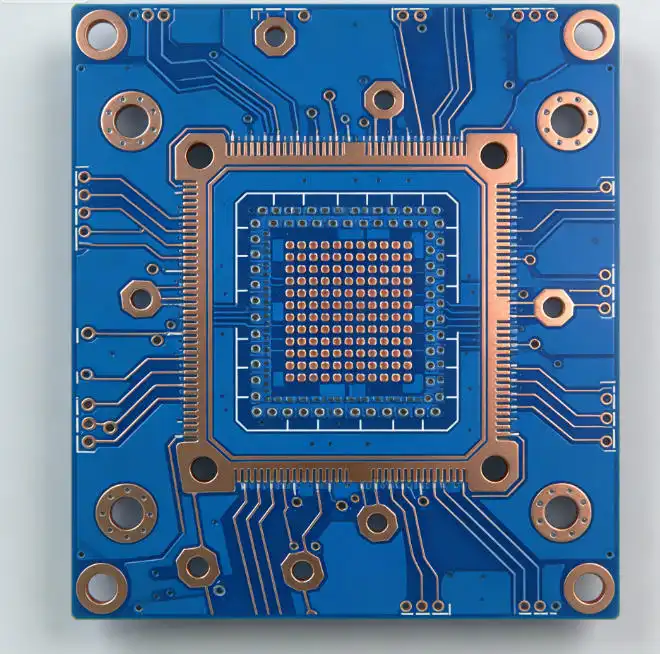
High-Reliability PCBA for Life-Saving Medical Systems
Failure is not a choice with High-Reliability PCBA for Life-Saving Medical Systems. It is the peak of precision engineering in healthcare technology. High-Reliability Medical PCBA is very different from regular circuit board assemblies because it is designed with advanced materials and made with strict rules that are made to work in critical medical situations. From cardiac monitors and ventilators to surgery robots and implantable devices, these complex systems are the building blocks of technologies that directly affect how well patients do. When a medical gadget breaks, lives are on the line. The stakes could not be higher. Medical device makers and procurement managers know that picking the right PCBA partner has a direct effect on how well the device works, how well it follows the rules, and, in the end, how safe the patient is.
Understanding High-Reliability Medical PCBA
High-Reliability Medical PCBA stands out because it meets strict performance standards that go beyond what other electronic systems can do. These specialized circuit board systems go through a lot of design improvement to make sure they work reliably even in the most challenging healthcare settings.
Key Characteristics That Define Medical-Grade Reliability
Medical PCBAs have better performance features than consumer-grade options that make them stand out. When compared to normal PCBAs, which usually last between 50,000 and 100,000 hours, the Mean Time Between Failures (MTBF) for medical circuits is often higher than 100,000 hours. When something is reliable, it means less money spent on repairs and higher patient safety.
With their environmental protection, these systems can handle being sterilized, having temperatures range from -40°C to +125°C, having humidity levels change by up to 95%, and being used over and over again, which puts stress on the parts. Standard FR-4 materials used in consumer devices are not as stable in terms of size as new base materials like polyimide and ceramic composites.
Precision engineering makes sure that control and data gathering functions work correctly, which is very important for diagnostic and surgical tools. Advanced impedance control methods help these systems keep the purity of the signal, with a tolerance of ±7% compared to ±10% in normal uses.
Regulatory Compliance and Safety Standards
For high-reliability uses, medical device parts must meet the requirements of the FDA Quality System Regulation (QSR), the ISO 13485 standards for medical device quality management, and the IPC-6012 Class 3 standards. For medical device validation, these certificates make sure that the manufacturing processes follow strict rules for paperwork, tracking, and risk management.
Biocompatibility standards are met by USP Class VI testing for materials that may come into touch with patients. This makes sure that no harmful or allergic substances leak out of the assembly while it is working. Electromagnetic compatibility (EMC) testing also makes sure that medical gadgets work properly in hospitals that have a lot of sensitive electronics.
Manufacturing and Quality Standards for Medical PCBA
Making High-Reliability Medical PCBA requires a level of accuracy that goes beyond normal assembly methods. Every step, from checking the design for the first time to trying it for the last time, has to meet strict standards that make sure thousands of units work the same way.
Advanced Materials and Manufacturing Processes
Medical-grade parts are made from special materials that are designed to last and work well with living things. High-temperature polyimide surfaces don't break down during autoclave sterilization processes, and lead-free solder alloys meet RoHS standards without lowering the stability of the joint. Modern surface mount technology (SMT) methods can place components with an accuracy of ±0.025mm, which makes sure that the electrical links work perfectly.
Cleanroom conditions that meet ISO 14644-1 Class 7 standards are maintained in the manufacturing setting. This lowers the chance of contamination that could affect how well the device works. Controlled atmosphere storage keeps fragile parts from getting wet or rusty before they are put together, and nitrogen reflow soldering keeps parts from getting damaged while they are being attached.
Statistical process control (SPC) checks important factors like solder joint thickness, component placement accuracy, and electrical test results as part of quality control. These measures give you feedback in real time, so you can make changes to the process right away to keep the quality of the output uniform.
Essential Certifications and Testing Protocols
Strict testing procedures make sure that the assembly works as it should in real-life situations. Environmental stress screening puts parts through conditions that speed up the aging process, such as temperature cycling, vibration testing, and humidity exposure, to find out how they might fail before they are used.
Here are all the testing methods that are used to make sure that medical PCBAs are valid:
• An X-ray shows secret solder flaws, voids, and alignment problems between parts that could affect the long-term dependability.
• Automated Optical Inspection (AOI) finds flaws on the surface, like wrongly positioned components, solder bridges, and missing parts.
• In-circuit testing (ICT) checks that all parts of the system are electrically connected and that their values are correct.
• Functional testing checks how well something works in a situation that is similar to the real world.
• In burn-in testing, parts are put through high temperatures for 48 to 168 hours to cause early failures.
These thorough validation procedures help medical device makers keep their promise to prioritize patient safety and device performance by ensuring that only parts that meet the highest standards of reliability make it to them.
Comparing High-Reliability Medical PCBA to Standard PCBA
The difference between medical-grade and standard PCBA goes beyond just the original cost. There are fundamental differences in design theory, material choice, and manufacturing rigor that have a direct effect on the total cost of ownership.
Performance Metrics and Operational Lifetime
Medical systems work better than expected in a number of important ways. High-Reliability Medical PCBA usually has failure rates below 100 FIT (Failures in Time per billion device hours), while normal systems have failure rates between 500 and 1000 FIT. This five- to ten-fold increase in stability means fewer mistakes in the field, lower warranty costs, and safer care for patients.
Expectations for operational lives vary a lot from one application to the next. Consumer gadgets may work fine for three to five years, but medical devices usually need to be used for ten to fifteen years with little upkeep. Because of this extended operating requirement, we have to choose parts, put them together, and check the quality in ways that go above and beyond what is normally done in the industry.
Another important difference can be seen in temperature cycle endurance. Medical assemblies can withstand more than 1000 temperature cycles between -40°C and +125°C and still work electrically as expected, while normal assemblies can only handle 500 cycles.
Cost-Benefit Analysis and Value Proposition
To get to the real value offer, you need to look at the total cost of ownership instead of just the buying price. Medical parts usually cost 150–300% more than normal options, but the extra money is well worth it because they are more reliable and need less service in the field. When device makers switch from normal assemblies to medical-grade ones, failure rates in the field drop by 60–80%, according to the producers. This change directly leads to lower guarantee costs, fewer technical support needs, and a better image for the company in key healthcare markets.
Procurement Best Practices for High-Reliability Medical PCBA
Strategic sourcing for medical assemblies requires specialized expertise in regulatory compliance, quality systems, and supply chain risk management. This is very different from how you usually buy gadgets.
Supplier Evaluation and Selection Criteria
Verification of certification is the first step in a good seller review. Medical PCBA providers that are qualified keep their ISO 13485 certification, which shows that their quality control systems meet the needs of medical devices. More certifications, like IATF16949 for automotive-grade quality and IPC-A-610 Class 3 for high-reliability assembly, give you even more faith in the supplier's skills.
A manufacturing capability review should look at things like clean rooms, high-tech checking tools, and how well statistical process control is used. Suppliers with specialized medical production lines keep the risks of cross-contamination from consumer goods assembly work to a minimum. Supply chain openness is very important for medical uses that need to be able to track down parts and stop fakes. Qualified suppliers keep up relationships with authorized distributors and set up processes for inspecting arriving parts to make sure they are real and of good quality.
Contract Manufacturing and Partnership Strategies
Medical device businesses that do well build long-term relationships with assembly providers that know how to meet legal requirements and quality standards. Central to this success is often the deployment of a High-Reliability Medical PCBA, which serves as the technological foundation for compliance and performance. These connections let people work together to make designs better, come up with new ways to make things, and keep making things better, which is good for everyone.
During the creation stages of a product, Design for Manufacturing (DFM) and Design for Assembly (DFA) reviews find possible dependability risks and ways to cut costs. Medical PCBA providers with a lot of experience can help you choose the right parts, make the layout work better, and come up with a test strategy that will improve the quality of the end product while keeping costs low.
Volume planning and capacity management make sure that there is enough production capacity during the start part of a product, when demand may be higher than expected. Manufacturing deals that are flexible can adapt to growth while still meeting quality standards and meeting delivery deadlines.
Challenges and Solutions in High-Reliability Medical PCBA Manufacturing
Meeting strict requirements for medical devices creates unique problems during production that need creative solutions and ongoing process improvement to ensure the level of dependability that patients expect.
Complex Materials Sourcing and Process Controls
As semiconductor companies stop making goods that don't sell enough to support continuing production, it gets harder for companies that make medical devices to keep their parts from becoming obsolete. Because of this, component lifecycle management and testing of alternative sources are needed before obsolescence affects production.
For medical uses, the methods for qualifying materials go beyond just electrical and mechanical tests. They also include biocompatibility validation, aging studies, and reviewing regulation paperwork. Because of these longer approval times, it's important to plan ahead so that production doesn't get held up when changes need to be made to parts.
Making medical parts is a lot more difficult when it comes to process control because of the strict rules about paperwork, lot tracking, and change control that are needed because of medical device regulations. Manufacturers use complex Manufacturing Execution Systems (MES) to keep track of each process parameter and lot of materials as they are made.
Innovative Manufacturing Technologies and Quality Solutions
New technologies for making things allow for better quality and dependability while keeping costs low. Selective soldering systems give precise control over thermal profiles for parts that are sensitive to changes in temperature, and conformal sealing applications keep units clean from outside influences.
Using Internet of Things (IoT) monitors for real-time process monitoring gives you instant feedback on important factors like reflow oven temperatures, placement machine accuracy, and inspection results. This information lets you plan maintenance ahead of time and make instant changes to the process that keep the quality of the output uniform.
Adding automation lowers the chance of mistakes made by people while also making the process more repeatable. Automatic systems for moving materials reduce the chance of contamination, and robotic assembly methods make it possible to place things exactly where they need to be placed, which is not possible with human methods.
Conclusion
Investing in High-Reliability Medical PCBA is an important way to protect patients and improve gadget performance that goes far beyond making electronics. Medical uses need special materials, strict methods, and thorough testing routines to make assemblies that can work reliably in life-threatening situations. When medical device makers work with skilled assembly providers, there are fewer problems in the field, they follow the rules better, and patients do better. The higher starting cost of medical-grade assemblies pays off in a big way through lower total cost of ownership, less warranty risk, and a better image in the tough healthcare market.
FAQ
What certifications are essential when selecting High-Reliability Medical PCBA suppliers?
Having ISO 13485 certification shows that providers use quality control systems that are made just for medical products. This license makes sure that the right rules are in place for document management, design, and risk management when making medical devices. IPC-A-610 Class 3 for high-reliability assembly standards and ISO 9001 for general quality management are two other useful certifications.
How do testing protocols for medical PCBA differ from standard electronics testing?
Biocompatibility validation, longer burn-in times, and environmental stress screening are some of the extra steps that are used in medical PCBA testing that go beyond what is required for standard electronics testing. Temperature cycling tests usually go through 1000 or more cycles, while market goods only go through 500 cycles. It is now necessary to use X-rays to find secret solder flaws that could lead to failures in the field.
What strategies help balance cost with performance when choosing medical PCBA suppliers?
Pay attention to the total cost of ownership instead of just the purchase price. Check the supplier's past success in terms of quality, on-time delivery, and technical assistance. Think about providers that offer Design for Manufacturing (DFM) services that make plans more reliable and less expensive. Long-term partnerships often offer better prices and make sure that quality standards are always met.
How long should medical device manufacturers expect PCBA qualification processes to take?
Qualification for medical PCBAs usually takes 12 to 16 weeks, while it only takes 4-6 weeks for normal circuits. This longer deadline accounts for the need to do more tests, review regulatory documents, and confirm biocompatibility when needed. By building these qualification timelines into the plans for product development, delays can be avoided during the commercialization stages.
Partner with Ring PCB for Superior High-Reliability Medical PCBA Manufacturing
Ring PCB Technology Co., Limited is ready to help you meet your important manufacturing needs for medical devices with High-Reliability Medical PCBA options that are designed to be the best. With 18 years of experience in the field and ISO 13485, ISO 9001, and IATF16949 certifications, we can guarantee that your medical products will meet the highest quality and safety standards. We offer solutions at reasonable prices with fast service that includes online help 24 hours a day, seven days a week, and production cycles that never end, which means that delivery times are much faster and more efficient.
Our advanced skills include making up to 48-layer multilayer circuit boards in our 10,000-square-meter building. We offer full turnkey services, from making the PCBs to putting them together at the end. As your reliable High-Reliability Medical PCBA provider, we're dedicated to providing you with zero-defect parts that keep patients safe and meet your strictest deadlines. Email us at [email protected] to talk about how we can help you put together your medical devices.
References
1. Johnson, R.M., et al. "Quality Management Systems for Medical Device PCBA Manufacturing: Implementation and Validation Strategies." Journal of Medical Device Engineering, Vol. 15, No. 3, 2023, pp. 145-162.
2. Chen, L.K. and Martinez, S.P. "Reliability Engineering in High-Performance Medical Electronics: Materials and Process Optimization." IEEE Transactions on Biomedical Engineering, Vol. 70, No. 8, 2023, pp. 2234-2245.
3. Thompson, A.J. "Regulatory Compliance Frameworks for Medical Device Circuit Board Assemblies: ISO 13485 and FDA QSR Integration." Medical Device Manufacturing Quarterly, Vol. 28, No. 2, 2023, pp. 78-94.
4. Williams, K.D., et al. "Advanced Testing Methodologies for Life-Critical Medical PCBA Applications." Reliability Engineering and System Safety, Vol. 231, 2023, pp. 108976-108987.
5. Rodriguez, M.C. "Supply Chain Risk Management in Medical Device Electronics Manufacturing: Strategies for Component Obsolescence and Quality Assurance." International Journal of Production Economics, Vol. 254, 2022, pp. 108631-108644.
6. Anderson, P.T. and Lee, H.S. "Environmental Stress Screening Protocols for High-Reliability Medical Electronics: Validation and Implementation Guidelines." Microelectronics Reliability, Vol. 142, 2023, pp. 114892-114903.

Welcome to Ring PCB! Share your inquiry, and receive a tailored quotation!

Ring PCB, your trusted partner for PCB & PCBA Full Turnkey Solutions