Advanced Design Techniques for Multilayer PCB Stability
The foundation of long-term stability in multilayer PCB manufacturing lies in advanced design techniques. These methods not only enhance the performance of the PCB but also contribute significantly to its durability and reliability over time. Let's explore some key design strategies that play a crucial role in ensuring the longevity of multilayer PCBs.
Optimizing Layer Stack-up for Enhanced Performance
One of the most critical aspects of multilayer PCB design is the layer stack-up. A well-planned stack-up can dramatically improve signal integrity, reduce electromagnetic interference, and enhance overall board performance. When designing the layer stack-up, engineers must consider factors such as impedance control, power distribution, and thermal management. By strategically placing power and ground planes, designers can minimize crosstalk and improve signal quality. Additionally, incorporating dedicated planes for high-speed signals can help maintain signal integrity across multiple layers.
Advanced CAD tools now allow for sophisticated simulation of layer stack-ups, enabling designers to optimize the arrangement before committing to production. This proactive approach helps identify potential issues early in the design phase, reducing the need for costly revisions later in the manufacturing process. Moreover, by carefully balancing the number of layers and their respective thicknesses, designers can achieve a more stable and reliable multilayer PCB structure.
Implementing HDI and Microvia Technologies
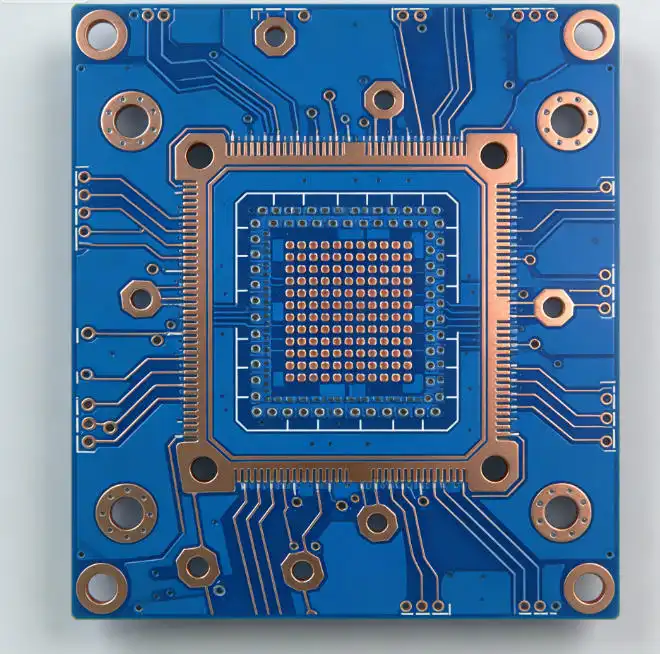
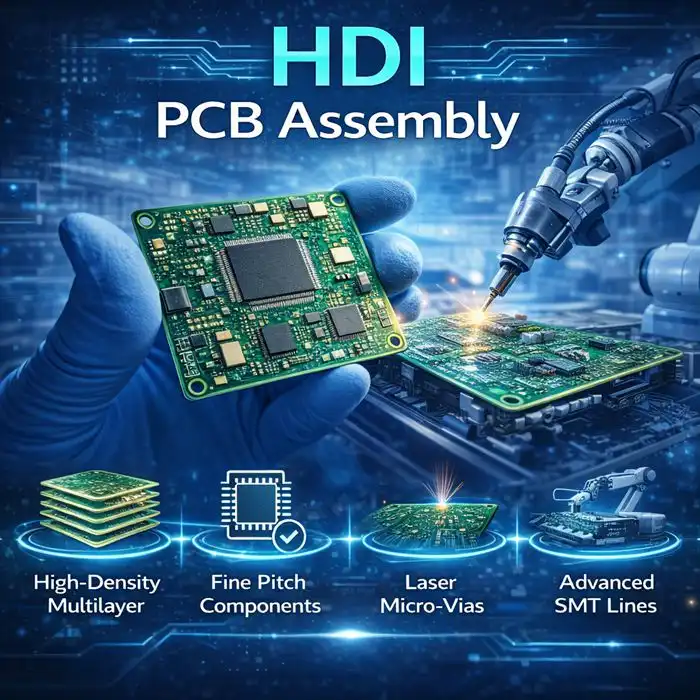
High-Density Interconnect (HDI) and microvia technologies have revolutionized multilayer PCB manufacturing, allowing for increased functionality in smaller form factors. HDI designs utilize fine lines and spaces, smaller vias, and higher connection pad densities to achieve more compact and efficient layouts. Microvias, typically less than 150 micrometers in diameter, enable more intricate routing between layers, significantly increasing the design possibilities for complex multilayer PCBs.
The implementation of HDI and microvia technologies not only improves the electrical performance of the PCB but also enhances its mechanical stability. By reducing the overall size of the board and minimizing the length of signal paths, these technologies can help mitigate issues related to signal degradation and electromagnetic interference. Furthermore, the use of laser-drilled microvias results in more precise and reliable connections between layers, contributing to the long-term stability of the PCB.
Thermal Management Considerations in Design
Effective thermal management is crucial for ensuring the long-term stability of multilayer PCBs, especially in high-power applications. Proper thermal design helps prevent overheating, which can lead to component failure and board delamination. Advanced thermal management techniques include the strategic placement of thermal vias, the use of copper coins for heat dissipation, and the incorporation of heat sinks or cooling systems into the overall design.
Designers must also consider the thermal expansion coefficients of different materials used in the PCB stack-up. By carefully selecting materials with compatible thermal properties, manufacturers can minimize stress on the board due to temperature fluctuations, thereby enhancing its long-term reliability. Additionally, thermal simulations during the design phase can help identify potential hotspots and allow for preemptive measures to be taken before the PCB enters production.
Material Selection and Quality Control in Manufacturing
The choice of materials and the implementation of robust quality control measures are paramount in ensuring the long-term stability of multilayer PCBs. High-quality materials not only contribute to the overall performance of the PCB but also play a significant role in its durability and resistance to environmental factors. Let's delve into the critical aspects of material selection and quality control in multilayer PCB manufacturing.
Selecting High-Performance Laminate Materials
The selection of appropriate laminate materials is crucial for the longevity and reliability of multilayer PCBs. High-performance laminates, such as those based on epoxy resin systems reinforced with glass fibers, offer excellent electrical and mechanical properties. These materials provide superior dimensional stability, low dielectric loss, and high thermal resistance, all of which are essential for maintaining the integrity of the PCB over time.
For applications requiring enhanced thermal management or high-frequency performance, specialized laminates like polyimide or PTFE-based materials may be employed. These advanced materials offer exceptional thermal stability and low signal loss, making them ideal for demanding environments. Additionally, the use of high-Tg (glass transition temperature) materials can significantly improve the PCB's resistance to thermal stress and warpage, further contributing to its long-term stability.
Implementing Rigorous Quality Control Processes
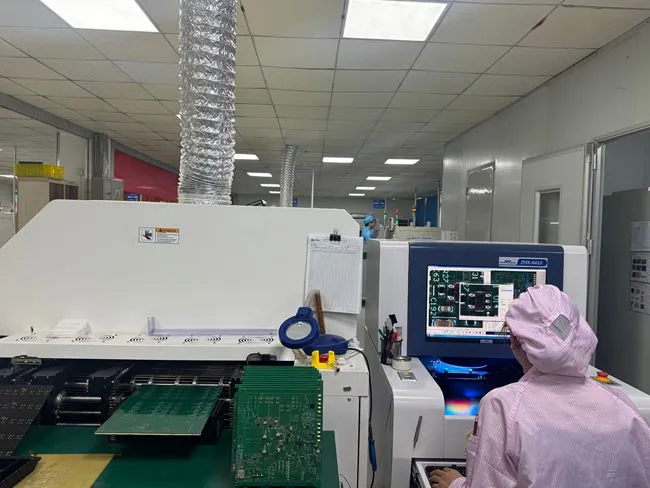
Quality control is an indispensable aspect of multilayer PCB manufacturing, ensuring that each board meets the highest standards of reliability and performance. Implementing a comprehensive quality control program involves multiple stages of inspection and testing throughout the production process. Advanced inspection techniques such as Automated Optical Inspection (AOI) and X-ray analysis play a crucial role in detecting defects that may not be visible to the naked eye.
AOI systems use high-resolution cameras and sophisticated algorithms to inspect the PCB for issues such as incorrect component placement, solder defects, and trace integrity problems. X-ray inspection, on the other hand, allows for the examination of internal layers and hidden solder joints, ensuring the integrity of connections within the multilayer structure. These non-destructive testing methods are essential for identifying potential reliability issues before the PCB is assembled into the final product.
Ensuring Consistency Through Process Control
Maintaining consistency in the manufacturing process is vital for producing stable and reliable multilayer PCBs. This involves implementing strict process control measures at every stage of production, from material handling to final assembly. Advanced manufacturing equipment, coupled with real-time monitoring systems, allows for precise control over critical parameters such as temperature, pressure, and chemical concentrations during the fabrication process.
Statistical Process Control (SPC) techniques can be employed to monitor and analyze key process variables, enabling manufacturers to identify and address potential issues before they impact product quality. Furthermore, the implementation of Industry 4.0 technologies, such as IoT sensors and data analytics, can provide valuable insights into the manufacturing process, allowing for continuous improvement and optimization of production parameters.
Testing and Reliability Assurance for Long-Term Performance
Comprehensive testing and reliability assurance are crucial steps in ensuring the long-term stability of multilayer PCBs. These processes not only verify the functionality of the board but also assess its ability to withstand various environmental and operational stresses over time. Let's explore the key aspects of testing and reliability assurance in multilayer PCB manufacturing.
Conducting Thorough Electrical Testing
Electrical testing is a critical phase in the quality assurance process for multilayer PCBs. It involves a series of tests designed to verify the electrical integrity and functionality of the board. In-Circuit Testing (ICT) is commonly used to check for shorts, opens, and component values on assembled PCBs. This method utilizes a bed-of-nails fixture to make contact with specific points on the board, allowing for rapid and accurate testing of individual components and connections.
For more complex multilayer designs, especially those incorporating HDI and microvia technologies, Flying Probe Testing (FPT) may be employed. FPT offers greater flexibility in testing intricate layouts without the need for custom fixtures. Additionally, functional testing simulates real-world operating conditions to ensure that the PCB performs as intended in its final application. These comprehensive electrical tests help identify any potential issues that could affect the long-term stability of the multilayer PCB.
Environmental Stress Testing for Reliability
Environmental stress testing is essential for assessing the long-term reliability of multilayer PCBs under various operating conditions. These tests simulate extreme environmental factors to evaluate the board's resilience and identify potential failure modes. Thermal cycling tests, for instance, subject the PCB to repeated temperature extremes, helping to uncover issues related to thermal expansion and contraction that could lead to solder joint failures or delamination over time.
Humidity testing exposes the PCB to high moisture levels, assessing its resistance to corrosion and moisture ingress. Vibration and shock testing evaluate the mechanical stability of the board and its components, ensuring that they can withstand the rigors of transportation and operation in high-vibration environments. By subjecting multilayer PCBs to these controlled stress conditions, manufacturers can gain valuable insights into their long-term performance and make necessary improvements to enhance reliability.
Implementing Accelerated Life Testing
Accelerated Life Testing (ALT) is a powerful technique used to predict the long-term reliability of multilayer PCBs in a compressed timeframe. This method involves subjecting the PCB to stress conditions that are more severe than those encountered in normal operation, thereby accelerating the aging process. By carefully analyzing the results of ALT, manufacturers can estimate the expected lifespan of the PCB and identify potential failure mechanisms that may not be apparent under normal operating conditions.
Highly Accelerated Life Testing (HALT) is an advanced form of ALT that combines multiple stress factors, such as temperature, vibration, and electrical stress, to quickly uncover design weaknesses. This approach not only helps in improving the overall reliability of the multilayer PCB but also provides valuable data for enhancing future designs. By implementing these rigorous testing methodologies, manufacturers can ensure that their multilayer PCBs meet the highest standards of long-term stability and performance.
Conclusion
Ensuring long-term stability in multilayer PCB manufacturing is a multifaceted process that requires attention to detail at every stage, from design to final testing. By implementing advanced design techniques, selecting high-quality materials, and employing rigorous quality control and testing processes, manufacturers can produce multilayer PCBs that offer exceptional reliability and performance over extended periods. As the demand for more complex and compact electronic devices continues to grow, the importance of stable and durable multilayer PCBs cannot be overstated.
For OEMs and companies seeking reliable multilayer PCB manufacturing solutions, partnering with experienced suppliers and manufacturers who prioritize quality and innovation is crucial. These partnerships ensure access to cutting-edge technologies and expertise, resulting in products that meet the highest standards of long-term stability and performance.
FAQ
What are the key factors affecting the long-term stability of multilayer PCBs?
Key factors include design optimization, material quality, manufacturing processes, and comprehensive testing.
How does HDI technology contribute to PCB stability?
HDI technology enhances signal integrity, reduces board size, and improves overall reliability.
What role does thermal management play in PCB longevity?
Effective thermal management prevents overheating, component failure, and board delamination, extending PCB lifespan.
How important is material selection in multilayer PCB manufacturing?
Proper material selection is crucial for ensuring electrical performance, thermal stability, and mechanical durability.
What types of testing are essential for ensuring long-term PCB reliability?
Essential tests include electrical testing, environmental stress testing, and accelerated life testing.
Comprehensive PCB & PCBA Solutions | Ring PCB
At Ring PCB, we offer end-to-end solutions for multilayer PCB manufacturing and assembly. Our services encompass PCB fabrication, component sourcing, SMT assembly, and rigorous testing. With our expert engineering team, we optimize designs for manufacturability and cost-efficiency. Our state-of-the-art quality control processes, including X-ray inspection and AOI testing, ensure zero-defect delivery. For high-quality, reliable PCB solutions, contact us at [email protected].
References
1. Johnson, R. W., & Bates, J. C. (2020). Advanced Techniques in Multilayer PCB Design for Long-Term Stability. Journal of Electronic Packaging, 142(3), 031007.
2. Smith, A., & Brown, B. (2019). Material Selection Strategies for High-Reliability Multilayer PCBs. IEEE Transactions on Components, Packaging and Manufacturing Technology, 9(6), 1105-1117.
3. Lee, Y. C., & Chen, W. T. (2018). Quality Control Processes in Multilayer PCB Manufacturing: A Comprehensive Review. Microelectronics Reliability, 88-90, 306-313.
4. Thompson, E. R., & Davis, K. L. (2021). Environmental Stress Testing Methods for Multilayer PCB Reliability Assessment. Journal of Electronic Materials, 50(7), 3845-3857.
5. Garcia, M. S., & Rodriguez, P. T. (2017). Accelerated Life Testing Techniques for Predicting Long-Term Stability in Multilayer PCBs. IEEE Aerospace and Electronic Systems Magazine, 32(8), 18-27.