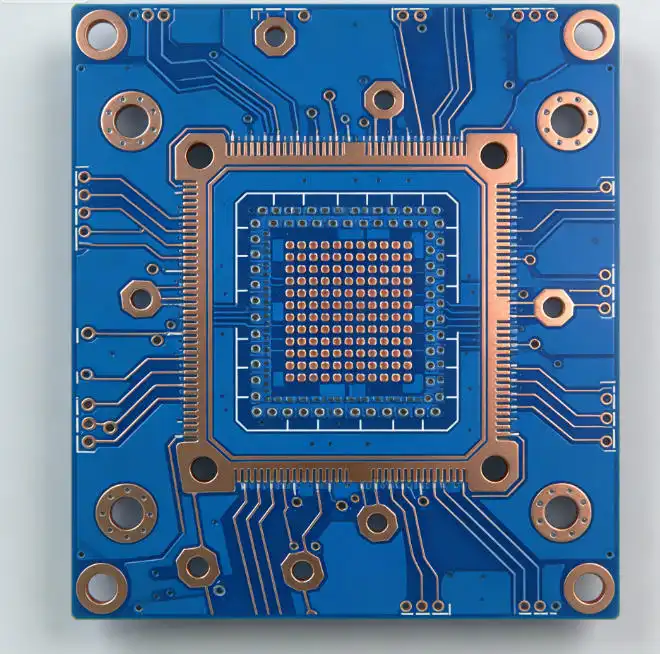
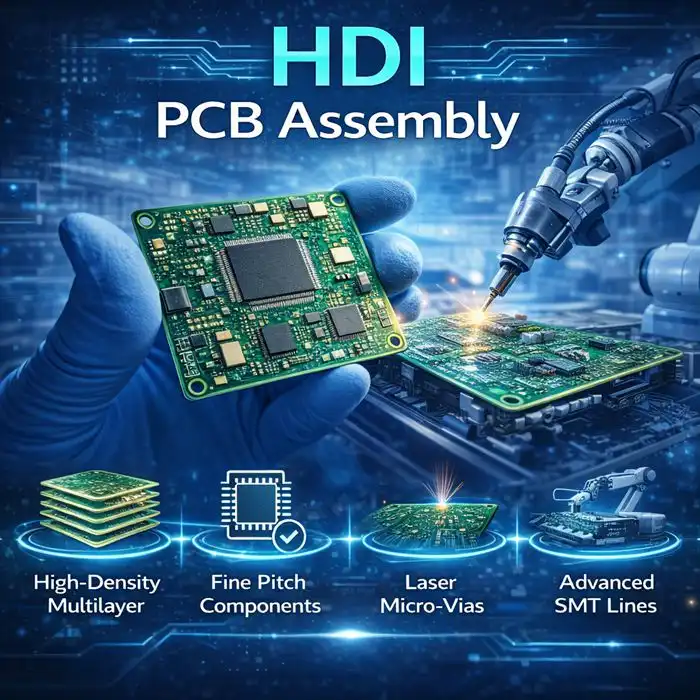
When foreign buyers get PCBA OEM services from China, they need a methodical way to check the reliability of the supplier and the manufacturing skills of the company. Certifications, quality control systems, technical know-how, and compliance with foreign standards are all looked at as part of the verification process. Buyers can find reliable Chinese PCBA OEM partners who deliver consistent results while minimizing procurement risks and ensuring long-term manufacturing success by using a thorough checklist that checks factory credentials, production capacity, quality assurance protocols, and the clarity of communication.
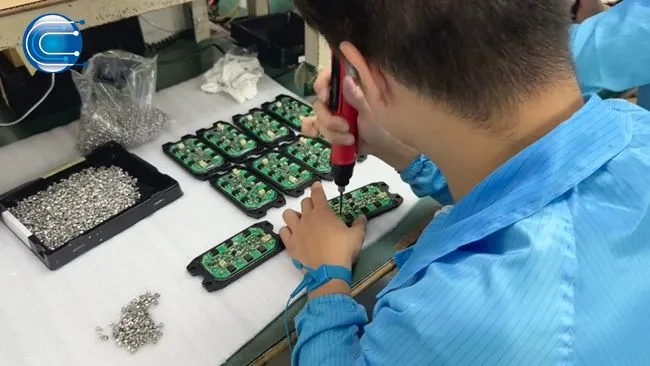
Introduction
PCBA OEM suppliers in China are becoming more and more important to overseas buyers for their global purchasing needs in consumer electronics, automotive systems, medical devices, and industrial uses. The ecosystem for making electronics in China has unmatched production capability, cutting-edge technology, and low-cost solutions that have changed the way goods are shipped around the world.
But foreign procurement comes with its own problems that need to be carefully avoided. Quality assurance issues, making sure that regulations are followed, protecting intellectual property, and setting up good communication lines are all big problems that buyers need to deal with in a planned way. The situation gets more complicated when you think about how many suppliers there are in different areas, and how their levels of expertise and service quality change.
This detailed guide comes with a useful checklist that buyers can use to confidently evaluate Chinese PCBA OEM sellers. Some of the problems that the framework tries to solve are wait time management, negotiating the minimum order quantity, validating technical capabilities, and evaluating after-sales support. When foreign buyers use these verification strategies, they can lower their risks, make sure they get reliable results from their sourcing, and build long-lasting partnerships that help their businesses grow and run more smoothly.
Understanding the Core Criteria for Verifying PCBA OEM Suppliers
PCBA OEM includes making whole printed circuit board assemblies based on what the buyer wants. The seller takes care of everything, from finding parts to putting the whole thing together, but the buyer keeps control of the design and the brand name. This is very different from ODM agreements, in which suppliers help with design, and EMS agreements, where suppliers only do manufacturing and don't own the production process.
Essential Quality Standards and Certifications
Reliable PCBA makers follow strict certification rules that make sure they follow global rules for making electronics. ISO 9001 certification shows that quality management is done in a planned way, and IPC standards talk about specific requirements for printed circuit board assembly, such as the quality of the soldering, the accuracy of the component placement, and the inspection routines.
Environmental compliance is another important area that needs to be checked. RoHS certification makes sure that goods follow rules about dangerous substances, and REACH compliance handles chemical safety rules for European markets. UL certification adds to the confidence of goods coming into North American markets, especially those that need to be safety tested, like medical devices and car electronics.
PCBA Testing Methodologies and Quality Control
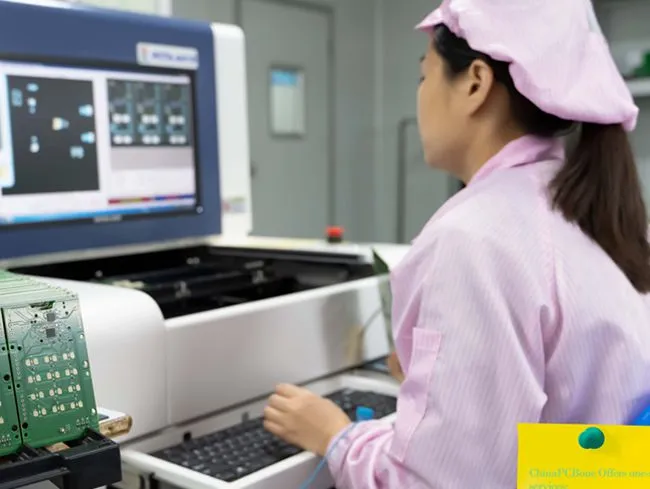
suppliers use several levels of testing to make sure that their products are reliable and work consistently. Automated Optical Inspection (AOI) systems find mistakes in where parts are placed, problems with gluing, and strange assembly issues during production. With X-ray inspection, you can check for hidden solder joints, which is especially important for Ball Grid Array (BGA) parts and complicated multilayer systems.
In-Circuit Testing (ICT) checks that electrical connections are correct and that parts work, while functional testing makes sure that the whole system works properly when it's needed. Advanced suppliers also offer environmental stress screening and boundary scan testing for complicated digital circuits to find any possible reliability problems before the goods are shipped.
Comprehensive Checklist for Evaluating PCBA OEM Manufacturers in China
Systematic supplier review needs a structured method that looks at many aspects of a company's ability to make things and its dependability as a business. The following outline covers all the important areas of evaluation that have a direct effect on the success of procurement and the long-term viability of partnerships.
Legal Documentation and Factory Verification
To start the verification process, you should ask for all of the paperwork related to registering the business, such as company licenses, tax registration certificates, and export permission permits. Check the supplier's legal status in formal government databases and make sure they are allowed to do business in other countries.
Factory audits are very important because they show how well quality control systems and manufacturing capabilities really work. During in-person or online factory walks, look at how the production floor is organized, how equipment is maintained, how employees are trained, and how the environment is managed. Keep track of any certified quality management systems that are present and watch the real production process to make sure the claimed abilities are true.
Manufacturing Capabilities Assessment
The technical capability review looks at how well production equipment is managed, how well process controls are developed, and how well production equipment is controlled. Modern PCBA OEM factories use advanced SMT lines with high-precision placing machines, reflow ovens with different temperature zones, and quality control systems that are built into every step of the production process.
Check to see if the seller can handle different types of component packages, such as those with fine-pitch parts, BGA assemblies, and through-hole parts. Check to see if they have experience with the rules and laws that apply to your industry, like those that govern medical devices, cars, or industrial control systems. Check to see what kinds of turnkey services they offer, such as buying parts, managing stockpiles, and coordinating the supply chain.
Quality Control System Evaluation
Professional makers are different from basic assembly operations because they have strong quality control systems. Check out their methods for inspecting incoming materials, keeping an eye on work-in-progress, and making sure the final result is good. Good providers use statistical process control systems to keep an eye on defect rates, spot patterns in the data, and take proactive steps to fix problems before they happen.
Check out how they keep records of quality, such as inspection records, test results, and how they handle nonconformances. Check to see if they can give you the detailed traceability information and certificate of compliance paperwork that regulated businesses need.
Comparing Chinese PCBA OEM Suppliers with Other Sourcing Options
When it comes to service span flexibility and customization options, Chinese PCBA OEM suppliers are clearly better than EMS and ODM options. EMS providers only do manufacturing, but PCBA OEM sellers often offer extra services that add value, such as designing products to be as easy to make as possible, managing parts that become obsolete, and lowering supply chain risk.
Geographic Advantages and Considerations
China's ecosystem for making electronics has an unmatched supply chain depth, with key production regions being the only places where you can find all the parts you need, specialized tooling services, and the ability to make prototypes quickly. This regional concentration makes it easier to respond quickly to changes in engineering, make small batches at a low cost, and get access to new technologies.
Cost-effectiveness is still a big plus, thanks to economies of scale in manufacturing, low labor costs, and better supply chain operations. But buyers have to weigh the costs of doing business against the risks that might come up, such as protecting intellectual property, the need to coordinate communication, and the difficulty of planning logistics for foreign shipments.
Innovation Capacity and Design Support
Leading Chinese PCBA makers are offering more and more advanced design support services that speed up product development and lower the pressure to get products to market. Their engineering teams offer design for manufacturing (DFM) research, help with choosing the best parts, and suggestions for lowering costs based on a lot of production experience.
A lot of suppliers have their own research and development centers that keep up with new technologies. This lets them support new product ideas and improved manufacturing methods. Startups and companies making cutting-edge electronics goods find this feature to be very useful.
Practical Steps for Overseas Buyers to Perform Due Diligence
Effective due diligence requires systematic validation of supplier claims through practical testing and verification methods. This proactive approach helps identify potential issues before committing to large-scale production agreements and establishes clear performance expectations for ongoing collaboration.
Sample Orders and Prototype Testing
Initiate supplier relationships with small-scale sample orders that allow comprehensive evaluation of manufacturing quality, communication effectiveness, and delivery performance. These initial orders provide valuable insights into the supplier's attention to detail, process control consistency, and problem-solving capabilities when issues arise.
Conduct thorough testing of prototype assemblies using your own quality standards and testing equipment. Compare results against your specifications and industry benchmarks to validate the supplier's ability to meet your quality requirements consistently. Document any discrepancies and evaluate the supplier's responsiveness to feedback and corrective action requests.
Communication and Project Management
Establish clear communication protocols that address time zone differences, language considerations, and technical documentation requirements. Effective suppliers provide dedicated project management support with English-speaking engineers who understand international business practices and technical standards.
Evaluate their project management systems, including progress reporting methods, milestone tracking capabilities, and change management procedures. Strong suppliers utilize collaborative platforms that provide real-time visibility into production status, quality metrics, and delivery schedules.
Payment Terms and Contractual Safeguards
Negotiate payment terms that balance supplier cash flow needs with buyer protection requirements. Typical arrangements include initial deposits for material procurement, progress payments tied to production milestones, and final payment upon delivery acceptance. Consider letter of credit arrangements for large orders or new supplier relationships.
Include comprehensive quality clauses in purchase agreements that define acceptance criteria, inspection procedures, and remedy actions for non-conforming products. Address intellectual property protection, confidentiality requirements, and dispute resolution mechanisms to minimize legal risks and ensure smooth collaboration.
Ring PCB: Your Trusted PCBA OEM Manufacturing Partner
Ring PCB specializes in providing high-quality PCBA OEM services that are suited to the needs of global buyers in a wide range of industries, such as medical devices, automotive systems, consumer electronics, and industrial control. Our full range of manufacturing services includes making custom PCBs, finding parts, putting them together using SMT, and checking their functionality in a fully integrated production environment.
Advanced Engineering for Precision PCB Manufacturing
We know a lot about technology and can handle 2-48-layer boards with blind/buried vias, 3/3mil trace/spacing accuracy, and ±7% impedance control accuracy. We can also do high-density stack-up. We can support demanding applications in 5G communications, industrial control systems, medical devices, and automotive electronics that need to be reliable and perform well thanks to these advanced standards.
Our building, which we own, has cutting-edge tools like LDI laser exposure systems, vacuum lamination technology, and flying probe testers to make sure that the quality always meets IPC-6012 Class 3 standards. This smart way of making things uses both automatic production control and skilled technical oversight to get better results.
Integrated PCBA Services and Quality Assurance
We offer full turnkey solutions that include making PCBs, finding parts, putting them together using SMT, and checking their functionality thoroughly. Our DFM/DFA optimization services help lower design risks and bill of materials (BOM) costs while making sure that the product can be made and is reliable throughout its lifecycle.
Our quality control method uses three levels of assurance: AOI inspection, impedance testing, and thermal cycling validation. This helps us keep our defect rate below 0.2%, which is lower than the average for the industry, which is less than 1%. This strict method guarantees delivery with no problems and customer satisfaction.
Ring PCB has global certifications like ISO9001, IATF16949, and RoHS approval, which show that we follow international quality standards and government rules. Our method to vertical integration gives us full control over the whole supply chain, from getting the raw materials to testing them and delivering them.
Conclusion
To check PCBA OEM suppliers in China, you need to go through thorough due diligence processes that look at their manufacturing skills, quality systems, and business dependability. Successful supplier relationships rely on a careful look at certifications, technical know-how, how well people can communicate, and the possibility of working together for a long time.
This guide's verification checklist gives foreign buyers useful tools to figure out tricky supplier selection issues and build useful partnerships with qualified manufacturers. By using these evaluation methods, buyers can be sure to find sellers who consistently provide high quality goods at reasonable prices and with reliable service that helps businesses grow.
FAQ
What documentation should I request to verify a Chinese PCBA OEM supplier's legitimacy?
Request business registration certificates, tax registration documentation, export licenses, ISO certifications, and financial references. Verify these documents through official government databases and third-party verification services to confirm the supplier's legal standing and operational authorization.
How can I ensure the quality of PCBA assemblies from Chinese suppliers?
Implement a multi-stage verification process including sample order testing, factory audits, quality system reviews, and ongoing inspection programs. Require detailed test reports, certificates of compliance, and traceability documentation for all delivered products.
What are typical lead times for PCBA OEM services in China?
Prototype orders typically require 2-4 weeks including PCB fabrication and assembly, while mass production lead times range from 6-12 weeks depending on complexity and volume. Rush orders may be accommodated with expedited processing for critical projects.
Partner with Ring PCB for Superior PCBA OEM Manufacturing
Ready to experience reliable, high-quality PCBA OEM services with competitive pricing and expedited delivery? Ring PCB offers 24/7 online support and continuous production capabilities that significantly outperform standard delivery times, ensuring efficient and faster completion of your projects. Our advanced manufacturing utilizes up to 48-layer multilayer circuit boards backed by international ISO certifications and proven quality systems.
As a trusted PCBA OEM supplier, we combine technical expertise with customer-focused service to deliver exceptional results for your electronics manufacturing needs. Contact us at [email protected] today for comprehensive consultations, detailed quotations, and personalized manufacturing solutions that drive your business success.
References
1. Smith, J. & Chen, L. (2023). "Global Electronics Manufacturing: Quality Assessment Strategies for International Procurement." Journal of Supply Chain Management, 15(3), 45-62.
2. International Electronics Manufacturing Association. (2023). "PCBA Supplier Verification Guidelines: Best Practices for Overseas Buyers." Technical Publication IEM-2023-07.
3. Rodriguez, M. (2022). "Risk Management in Electronics Outsourcing: A Comprehensive Framework for Supplier Evaluation." Industrial Engineering Quarterly, 28(4), 112-128.
4. Zhang, W. & Thompson, R. (2023). "Quality Control Systems in Chinese Electronics Manufacturing: Current Standards and Future Trends." Asia Pacific Manufacturing Review, 19(2), 78-95.
5. Electronic Industries Alliance. (2022). "International Supplier Assessment Protocol: Standards and Methodologies for PCBA Procurement." EIA Technical Standard EIA-2022-15.
6. Kumar, A. & Liu, X. (2023). "Cross-Border Electronics Manufacturing Partnerships: Communication Strategies and Quality Assurance." Global Business Operations Journal, 11(1), 23-41.