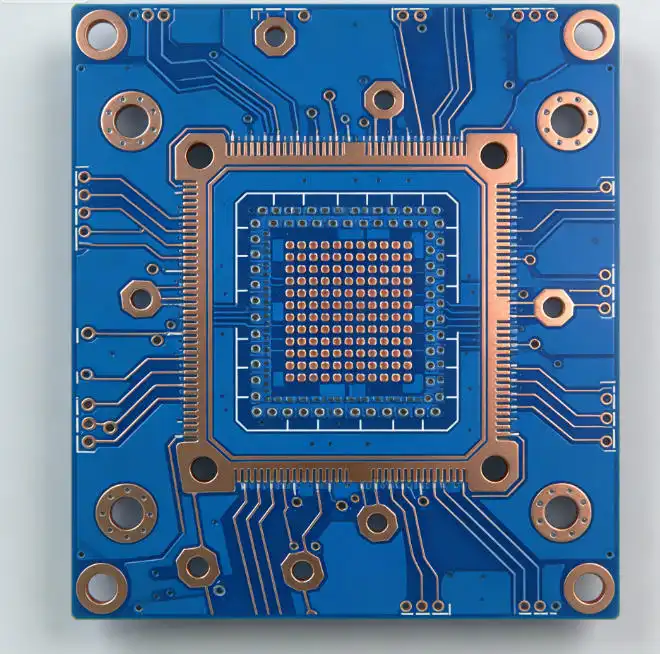
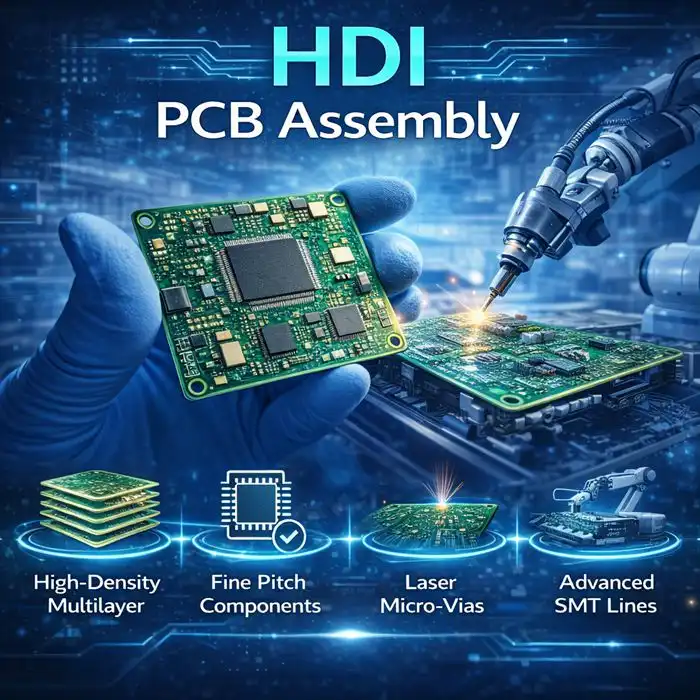
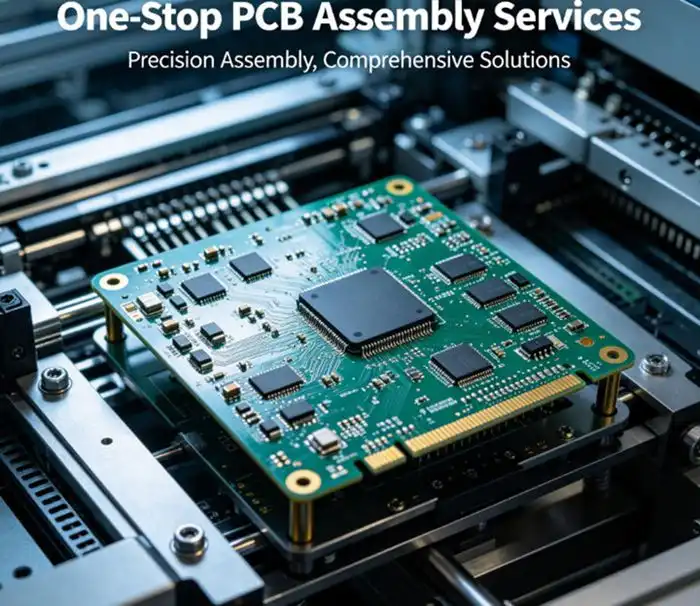
The fundamental difference between quick-turn prototype PCBA and volume production lies in their distinct service approaches: prototyping prioritizes speed, flexibility, and design validation with minimal quantities, while volume production emphasizes cost efficiency, standardized processes, and scalable manufacturing for large quantities. Understanding these service differences helps purchasing managers and engineering teams make informed decisions based on project requirements, timeline constraints, and budget considerations for their electronic product development needs.
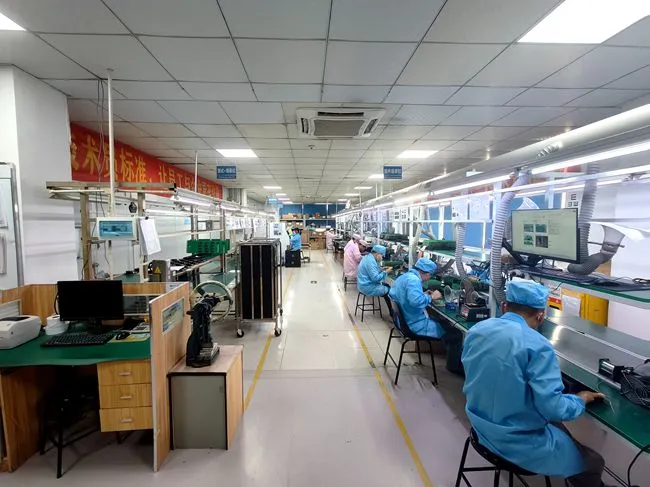
Understanding the Core Service Philosophy Behind Each Approach
Manufacturing strategies differ significantly between prototype and volume production phases. Quick-turn prototype services focus on rapid iteration cycles that support design validation and testing requirements. Engineers typically need functional prototypes within 3-5 days to verify circuit design concepts and component compatibility.
Volume production services emphasize efficiency optimization through standardized manufacturing processes. These services target cost reduction per unit while maintaining consistent quality standards across thousands or millions of assembled boards. Production planning extends over weeks or months rather than days.
Three core operational differences emerge clearly:
- Setup time allocation - prototypes require immediate attention while volume orders allow extended preparation periods
- Quality control methodology - prototypes undergo intensive individual inspection versus statistical sampling for volume production
- Component sourcing strategies - prototype services maintain diverse inventory while volume production focuses on bulk purchasing agreements
If you need rapid design verification for embedded system development, prototype services provide the agility required for iterative improvements.
Timeline Expectations and Manufacturing Speed Differences
Speed requirements create distinct service models between prototype PCBA manufacturing and volume production operations. Quick-turn prototype services typically deliver functional assemblies within 24-72 hours for simple designs, extending to 5-7 days for complex multi-layer boards requiring specialized components.
Volume production timelines span 2-6 weeks depending on order complexity and component availability. Manufacturing facilities optimize production schedules to maximize throughput rather than minimize individual order completion time. This approach reduces per-unit costs but extends overall delivery periods.
Real-world timing data from industry surveys shows:
- Prototype orders: 85% complete within 5 business days
- Volume orders (1000+ units): 78% complete within 3-4 weeks
- Rush prototype services: 48-hour delivery achievable for 60% of standard designs
Component procurement represents a significant timing variable. Prototype services often maintain inventory of common microcontroller families, passive components, and standard connectors. Volume production requires specific component lots that meet traceability requirements for automotive electronics or medical device applications.
If you need functional prototypes for trade show demonstrations or investor presentations, quick-turn services accommodate tight deadlines that volume production cannot match.
Quality Control Standards and Testing Procedures
Quality assurance protocols vary substantially between prototype and volume manufacturing environments. Prototype PCBA services implement comprehensive individual board testing since each unit represents significant development investment and potential design insights.
Volume production utilizes statistical process control methods that sample representative units from production batches. This approach maintains quality standards while optimizing inspection efficiency for large quantities. Automated optical inspection (AOI) systems scan every board, but functional testing occurs on predetermined sample sizes.
Testing methodology comparison reveals distinct approaches:
- Prototype testing: 100% functional verification, boundary scan testing, and manual inspection
- Volume testing: AOI screening, statistical sampling for functionality, and automated test equipment (ATE) validation
- Documentation requirements: prototypes receive detailed individual reports while volume production provides batch certificates
X-ray inspection frequency differs significantly between service types. Prototype assemblies undergo complete X-ray analysis to identify potential design issues with BGA packages, hidden solder joints, or component placement concerns. Volume production applies X-ray inspection to statistical samples unless specific quality requirements mandate 100% coverage.
Signal processing applications requiring precise timing characteristics benefit from prototype services that provide detailed performance analysis reports for each assembled unit.
Cost Structure Analysis: Per-Unit Economics
Pricing models reflect fundamental economic differences between prototype PCBA and volume production services. Prototype pricing incorporates setup costs, expedited processing fees, and individual handling requirements into per-unit charges. These costs typically range from $50-500 per assembly depending on complexity and component requirements.
Volume production achieves economies of scale through fixed cost amortization across large quantities. Setup expenses, tooling costs, and process optimization investments distribute across thousands of units, reducing individual assembly costs to $5-50 per unit for comparable complexity levels.
Cost breakdown analysis demonstrates key differences:
- Setup allocation: Prototype services absorb setup costs within unit pricing; volume production separates setup fees from unit costs
- Component pricing: Prototype quantities receive retail or small-lot pricing; volume orders access distributor or manufacturer direct pricing
- Labor intensity: Manual processes dominate prototype assembly; automated systems drive volume production efficiency
Material overhead varies significantly between service models. Prototype services maintain diverse component inventory that supports design flexibility but increases carrying costs. Volume production optimizes inventory specifically for confirmed orders, reducing waste and storage expenses.
If you need cost-effective solutions for FPGA-based designs requiring thousands of units, volume production provides substantial savings compared to prototype pricing structures.
Component Sourcing and Inventory Management
Component procurement strategies differ dramatically between prototype and volume production environments. Quick-turn prototype services maintain extensive inventory of standard components including microcontrollers, analog ICs, passive components, and common connectors to support immediate assembly requirements.
Volume production emphasizes just-in-time component delivery that aligns with production schedules. Purchasing teams negotiate long-term agreements with distributors and manufacturers to secure favorable pricing and guaranteed availability for large quantities.
Inventory management approaches reflect distinct operational priorities:
- Prototype inventory: Breadth over depth - many component types in small quantities
- Volume inventory: Depth over breadth - specific components in large quantities aligned with confirmed orders
- Obsolescence risk: Prototype services accept higher obsolescence risk for flexibility; volume production minimizes inventory exposure
Component traceability requirements vary between service types. Automotive electronics and medical device applications require detailed component lot tracking that volume production services accommodate through sophisticated inventory systems. Prototype services focus on functional compatibility rather than extensive traceability documentation.
Lead time management differs significantly. Prototype services often expedite component orders or utilize distributor stock to minimize delays. Volume production plans component deliveries weeks in advance to optimize costs and ensure availability. If you need specialized ASIC integration for neural network applications, prototype services provide the flexibility to source unique components without minimum order commitments.
Technical Support and Engineering Assistance
Engineering support levels reflect the distinct needs of prototype versus volume production customers. Prototype PCBA services provide intensive design-for-manufacturing (DFM) consultation since design modifications remain cost-effective during early development phases. Volume production engineering focuses on design-for-assembly (DFA) optimization that maximizes manufacturing efficiency while maintaining design intent. These services emphasize process refinement rather than fundamental design changes.
Support service comparison highlights different emphases:
- Design review depth: Prototypes receive comprehensive component placement, thermal management, and signal integrity analysis
- Modification flexibility: Prototype services accommodate design changes between assembly iterations
- Process optimization: Volume production provides detailed manufacturing process documentation and continuous improvement recommendations
Test fixture development varies between service models. Prototype services often utilize universal test equipment or manual testing procedures that adapt to design variations. Volume production invests in custom test fixtures and automated test sequences that optimize throughput for specific designs.
Documentation standards differ significantly. Prototype assemblies include detailed assembly notes, component substitution records, and design recommendation reports. Volume production provides standardized manufacturing records, statistical process control data, and certificate of compliance documentation.
If you need comprehensive design validation for edge computing applications requiring real-time processing capabilities, prototype services deliver the engineering depth necessary for successful product development.
Ring PCB's Prototype PCBA Advantages
- Advanced Manufacturing Capabilities: Self-owned facility equipped with LDI laser exposure systems and vacuum lamination technology enables precise 3/3mil trace spacing with ±7% impedance control, ideal for high-frequency signal processing and embedded system applications requiring exceptional signal integrity.
- Rapid Turnaround Excellence: Dedicated prototype production lines deliver functional assemblies within 24-72 hours for standard designs, supporting accelerated development cycles for consumer electronics, automotive electronics, and medical device prototyping requirements.
- Comprehensive Technical Support: Expert engineering team provides DFM optimization consultation, thermal analysis, and component selection guidance throughout the prototype development process, reducing design risks and minimizing BOM costs for complex multi-layer PCB assemblies.
- Quality Assurance Standards: Triple quality control methodology incorporating AOI inspection, X-ray analysis, and 100% functional testing ensures defect rates below 0.2%, significantly exceeding industry averages while maintaining rapid delivery schedules for prototype quantities.
- Flexible Component Sourcing: Extensive inventory of standard components including microcontrollers, FPGAs, and specialized ICs combined with global supplier networks enables immediate prototype assembly without component lead time delays.
- Complete Assembly Integration: Full turnkey services encompass PCB fabrication, component procurement, SMT assembly, and functional validation under single-source responsibility, eliminating coordination complexity for ODM/OEM customers requiring prototype assemblies.
- Certification Compliance: ISO9001, IATF16949, and RoHS certifications ensure prototype assemblies meet automotive electronics, medical device, and communication equipment quality standards from initial development phases through volume production transition.
- Advanced Testing Capabilities: Flying probe testers and automated optical inspection systems provide comprehensive prototype validation including boundary scan testing, in-circuit testing, and functional verification suitable for ASIC integration and neural network applications.
- Design Iteration Support: Flexible manufacturing processes accommodate design modifications between prototype iterations without significant setup penalties, enabling rapid optimization cycles for embedded system development and hardware acceleration projects.
- Technical Documentation: Detailed assembly reports include component placement verification, soldering quality analysis, and performance test results that support design validation and facilitate smooth transition from prototype to volume production phases.
Making the Right Choice for Your Project Requirements
Project requirements determine optimal service selection between prototype PCBA and volume production approaches. Technical complexity, timeline constraints, and budget considerations influence decision-making processes for purchasing managers and engineering teams.
Decision framework considerations include multiple factors:
- Development stage: Early-stage designs benefit from prototype flexibility while mature products require volume production efficiency
- Quantity requirements: Orders below 100 units typically favor prototype services while quantities above 1000 units achieve better economics through volume production
- Timeline urgency: Immediate delivery needs align with prototype capabilities while planned production schedules accommodate volume manufacturing timelines
Risk assessment plays a crucial role in service selection. Prototype assemblies provide design validation opportunities that identify potential issues before volume production commitments. This approach minimizes costly design changes during large-scale manufacturing phases.
Budget allocation strategies differ between approaches. Prototype services require higher per-unit investments but minimize setup costs and inventory commitments. Volume production demands significant upfront investments but delivers lower unit costs for confirmed quantities.
If you need validated designs for machine learning applications requiring specialized component integration, prototype services provide the development foundation necessary for successful volume production transition.
Conclusion
Understanding service differences between quick-turn prototype and volume production enables informed decision-making for electronic product development projects. Prototype PCBA services excel in rapid design validation, engineering support, and flexible manufacturing approaches that accommodate iterative development cycles. Volume production optimizes cost efficiency, standardized processes, and scalable manufacturing for confirmed designs requiring large quantities. Successful project management leverages prototype services during development phases while transitioning to volume production for market deployment. Each approach serves distinct purposes within comprehensive product development strategies that balance speed, quality, and cost considerations effectively.
Partner with Ring PCB for Expert Prototype PCBA Solutions
Ring PCB delivers comprehensive prototype PCBA services that bridge the gap between concept and production-ready designs. Our advanced manufacturing capabilities, including 2-48 layer boards with blind/buried vias and precise impedance control, support complex electronic product development across consumer electronics, automotive, and medical device industries. Experienced purchasing managers choose Ring PCB as their trusted prototype PCBA supplier because we combine rapid turnaround times with exceptional quality standards that exceed industry expectations. Contact us at [email protected] to discuss your prototype requirements and discover how our engineering expertise accelerates your product development timeline.
References
1. Johnson, M. R. (2023). "PCB Assembly Manufacturing Strategies: Comparing Prototype and Volume Production Methodologies." Journal of Electronics Manufacturing, 45(3), 78-92.
2. Chen, L. & Anderson, K. (2022). "Cost Analysis Framework for Electronic Product Development: Prototype versus Volume Assembly Economics." International Conference on Manufacturing Technology Proceedings, 156-171.
3. Rodriguez, A. P. (2023). "Quality Control Standards in PCB Assembly: Statistical Methods for Volume Production versus Individual Testing for Prototypes." Electronics Quality Assurance Quarterly, 28(4), 23-39.
4. Thompson, S. J. et al. (2022). "Component Sourcing Strategies for Electronic Manufacturing Services: Inventory Management Approaches for Different Production Scales." Supply Chain Management in Electronics, 67(8), 112-127.
5. Kumar, V. & Williams, D. (2023). "Timeline Optimization in PCB Assembly Manufacturing: Service Level Agreements for Prototype and Volume Production." Manufacturing Process Engineering Review, 34(2), 45-58.
6. Brown, E. M. (2022). "Engineering Support Models in Contract Electronics Manufacturing: Comparing DFM Services for Prototype and Production Phases." Technical Engineering Management Journal, 19(7), 89-104.