Improving Yield Rates in High-Complexity PCBA
To attain optimum yield rates, high-complexity PCBA production requires sophisticated process control and precise engineering. These complex assemblies use multi-layer designs, dense component placements, and advanced materials that are necessary for applications in telecommunications, medical devices, and aerospace. Systematic techniques to design optimization, manufacturing process management, and strict quality assurance are necessary for effective yield augmentation. In today's cutthroat electronics manufacturing environment, knowing these crucial elements helps engineers and procurement managers make well-informed choices that have a big influence on cost management, production efficiency, and product dependability.
Understanding High-Complexity PCBA and Yield Challenges
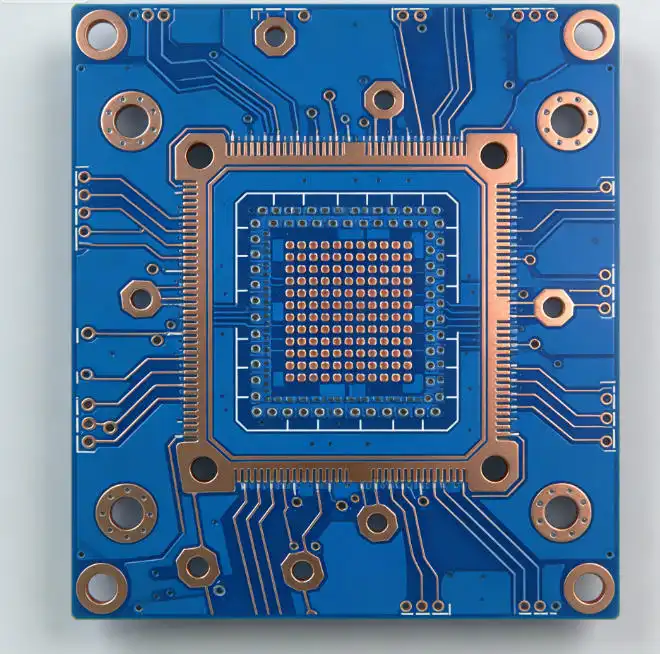
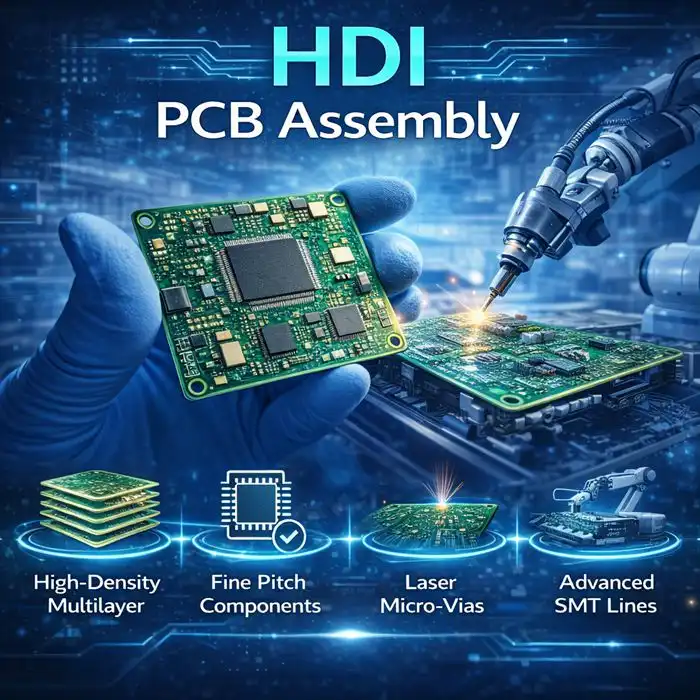
Complex circuit board assemblies that push the limits of manufacturing capabilities are becoming more and more necessary for modern electronic gadgets. Complex routing patterns, high-density interconnects, and cutting-edge packaging technologies are characteristics of high-complexity PCBA designs that provide particular manufacturing difficulties. These assemblies often include embedded passive components that need extraordinary manufacturing accuracy, ball grid arrays, and components with fine-pitch spacing.
Design Complexity Factors
Modern PCBA designs are complicated due to a number of interrelated elements that have a direct impact on manufacturing yield. In an effort to fit more functionality into smaller form factors, manufacturers have significantly boosted circuit density. These days, multi-layer board structures sometimes include 20 or more layers with exact impedance control specifications. Package sizes are becoming smaller as pin counts rise due to ongoing component downsizing, which makes assembly more difficult and may have a big effect on yield rates.
Modern PCBA designs are further complicated by signal integrity requirements. Trace routing, via placement, and ground plane design are crucial for high-speed digital circuits in order to avoid crosstalk and electromagnetic interference. Manufacturing procedures are directly impacted by these design issues since any departure from the established parameters may cause functional failures during testing.
Manufacturing Process Challenges
Numerous factors are introduced during the design to manufacturing transition, which may have a detrimental effect on yield rates. When working with high-density layouts and fine-pitch components, solder paste printing accuracy becomes crucial. As component sizes shrink and board real estate increases in value, placement accuracy requirements become much more stringent. To guarantee correct joint formation among components with different thermal masses, reflow profile optimization requires careful balance.
Procedures for handling and choosing materials become more crucial in high-complexity assemblies. Processing parameters must be adjusted for advanced substrate materials with unique dielectric characteristics. Protocols for handling and storing components must stop oxidation and moisture absorption, which might result in soldering flaws. These elements work together to provide a production environment where even little changes to the process may have a big impact on output.
Analyzing Key Factors Affecting Yield in High-Complexity PCBA
A thorough examination of every element causing production flaws is the first step towards achieving a successful yield enhancement. In order to find opportunities for improvement, this methodical methodology looks at design guidelines, production procedures, and testing techniques. Knowing how these components relate to one another allows for focused enhancements that provide quantifiable outcomes.
Design for Manufacturability Principles
Achieving high yield rates in complicated assemblies is based on the use of strong design for manufacturability (DFM) techniques. Optimizing component location maintains electrical performance requirements while ensuring sufficient space for manufacturing operations. Routing techniques must avoid configurations that make assembly or testing more difficult in order to balance the requirements for signal integrity with manufacturing restrictions.
Both the design and production stages heavily rely on thermal management issues. In order to provide a consistent temperature distribution during reflow soldering, component placement must take heat dissipation needs into consideration. By affecting temperature profiles during assembly operations, placement and copper distribution have an impact on both electrical performance and manufacturing yield.
Process Control and Monitoring
Manufacturing variances may be quickly identified and corrected before they affect yield thanks to real-time process monitoring. Techniques for statistical process control assist in spotting patterns that could result in problems with quality. Consistent reflow conditions across various board layouts and component combinations are guaranteed via temperature profiling. Monitoring of placement accuracy identifies equipment drift that may lead to assembly flaws.
Manufacturing consistency is directly impacted by calibration protocols and machine maintenance schedules. Frequent checks of reflow oven performance, paste printing quality, and placement accuracy stop progressive deterioration that may gradually reduce output rates. Stable production conditions that are necessary for reliable outcomes are maintained by environmental controls for temperature, humidity, and cleanliness.
Advanced Inspection and Testing Methods
Early identification of any flaws before they spread throughout the production process is made possible by modern inspection technology. Immediately after each assembly process, Automated Optical Inspection (AOI) systems are able to detect placement faults, solder paste difficulties, and component orientation concerns. High-Complexity PCBA ball grid arrays and other high-density packages have concealed solder joint quality problems that are discovered via X-ray examination.
Functional verification and in-circuit testing make sure electrical performance satisfies requirements while spotting sporadic errors that could evade visual examination. Boundary scan testing eliminates the need for physical test sites and allows for thorough verification of digital circuitry. These complementing testing methods greatly increase overall yield rates by providing several chances to identify flaws prior to final assembly.
Proven Strategies to Improve Yield Rates in High-Complexity PCBA
Implementing systematic yield improvement strategies requires coordinated efforts across design, manufacturing, and quality assurance functions. These proven approaches target the most common sources of defects while establishing sustainable processes for continuous improvement.
Process Optimization Techniques
A foundation for cutting waste and decreasing variability in PCBA assembly operations is provided by lean manufacturing concepts. Value stream mapping finds non-value-added activities and bottlenecks that might affect productivity and quality. Regardless of operator or shift differences, standardized work instructions guarantee constant execution of crucial assembly stages.
Automation integration increases process repeatability while decreasing human error. Accurate placement and constant deposit quantities are provided by automated paste printing devices. Even with difficult packaging, exact component placement is made possible by pick-and-place machines equipped with vision systems. For through-hole components that cannot be reflow soldered, selective soldering technologies consistently provide good results.
Patterns in defect incidence that may not be seen via human examination may be found with the use of data analytics techniques. Relationships between process factors and yield results are revealed via statistical correlation analysis. Algorithms for predictive maintenance may foresee equipment problems before they affect the quality of output.
Supply Chain and Material Management
Because component quality has a big impact on assembly yield rates, choosing the right supplier and managing materials are essential success factors. Authentic parts with appropriate handling and storage are ensured by forming partnerships with recognized component wholesalers. In order to keep faulty parts out of production, incoming inspection processes check component quality prior to assembly.
During reflow soldering, moisture-sensitive device handling procedures guard against package cracking and delamination. Components that may have exceeded exposure limits are restored by appropriate baking techniques and storage conditions. When quality problems arise, component traceability systems make it possible to quickly identify and isolate them.
Throughout the manufacturing process, solder paste management has an impact on junction quality and yield rates. Consistent rheological characteristics are maintained by appropriate mixing techniques and storage temperatures. Maintaining adequate paste performance is ensured by routine viscosity testing and print quality monitoring. Optimization of stencil design strikes a compromise between printing reliability and paste volume requirements.
Continuous Improvement Implementation
Instead than addressing symptoms, root cause analysis techniques assist in identifying underlying problems. Potential failure mechanisms and preventative measures are proactively identified via Failure Mode and Effects Analysis (FMEA). Recurrence prevention and the methodical resolution of quality concerns are guaranteed by Corrective and Preventive Action (CAPA) systems.
Cross-functional teams gather for regular yield review meetings to examine trends and make adjustments. Pareto analysis ranks the most important fault types for improvement efforts. Benchmarking against best practices and industry standards reveals areas for improvement.
Advanced Technologies and Their Role in Enhancing PCBA Yield
Emerging manufacturing technologies continue expanding the possibilities for yield improvement in high-complexity PCBA production. These innovations address traditional manufacturing limitations while enabling new approaches to quality assurance and process control.
Industry 4.0 Integration
Unprecedented insight into production processes and quality measurements is made possible by smart manufacturing technology. Throughout the manufacturing line, Internet of Things (IoT) sensors gather data in real time about equipment performance, ambient conditions, and process parameters. This data is analyzed by machine learning algorithms to find optimization possibilities and anticipate any problems before they affect yield.
Applications of artificial intelligence in quality control are able to identify subtle patterns of defects that human inspectors would overlook. Remarkable precision in defect classification is attained by computer vision systems that have been trained on extensive datasets of both good and faulty assemblies. Through exposure to novel fault types and production variances, these systems constantly enhance their detection capabilities.
Without interfering with production, digital twin technology generates virtual models of industrial processes that allow for scenario testing and improvement. These models assist in determining the ideal parameter settings for the launch of new products and forecasting the effect of process modifications on yield rates.
Precision Manufacturing Equipment
The most difficult component packages can be assembled thanks to sophisticated placement machines that reach positioning accuracy measured in micrometers. Even with components that lack obvious visual references, accurate alignment is ensured using vision systems with sub-micron resolution. Proper seating is ensured and component damage is avoided by force-controlled positioning.
For difficult junctions that cannot be consistently treated using traditional reflow techniques, laser soldering technology offers precise heat control. Three-dimensional circuit architectures are made possible by selective laser sintering, which is not possible with conventional production techniques. These features preserve high yield rates while opening up new design opportunities.
Rapid development of test equipment and assembly fixtures tailored to particular product needs is made possible by additive manufacturing methods. This adaptability ensures the best possible support for industrial processes while cutting down on development time. Special handling needs that cannot be met by regular equipment may be addressed by custom tooling.
Practical Considerations When Selecting a High-Complexity PCBA Manufacturer
Choosing the right manufacturing partner significantly influences project success and long-term yield performance. Comprehensive evaluation criteria help identify suppliers with the capabilities, experience, and commitment necessary for High-Complexity PCBA assemblies.
Capability Assessment
Understanding the equipment capabilities and process maturity of the supplier is the first step in evaluating their manufacturing capacity. For placement precision, package compatibility, and throughput requirements, equipment parameters must match project requirements. The supplier's dedication to constant quality is shown by process documentation and control methods.
Quality certifications provide information on the management systems and process discipline of the supplier. While industry-specific certifications such as AS9100 for aerospace or ISO 13485 for medical devices reflect particular competence, ISO 9001 accreditation illustrates fundamental quality management concepts. The supplier's dedication to industry best practices and ongoing development is shown by their IPC certification levels.
Examining the supplier's engineering prowess and design support offerings is part of the technical expertise evaluation process. DFM analysis skills aid in production design optimization while upholding performance standards. Expertise in test creation guarantees thorough validation of the functionality and dependability of the product.
Partnership Development
Collaborative improvement initiatives that are advantageous to both parties are made possible by long-term supplier partnerships. Communication about capacity planning, improvement projects, and performance measures is facilitated by regular business reviews. Collaborative methods to problem-solving make use of shared knowledge to tackle challenging technical issues.
Protocols for communication provide prompt exchange of information on manufacturing schedules, material concerns, and design modifications. Single points of contact for progress updates and problem solving are offered by specialized project management resources. Frequent plant visits allow for the direct observation of production capabilities and the development of relationships.
Efficiency gains from supply chain integration help achieve both cost and quality goals. Collaboration in component procurement may take advantage of bulk reductions while maintaining material quality. Partnerships for inventory management preserve production flexibility while lowering carrying costs.
Ring PCB Technology can assist you with your most difficult projects because to its seventeen years of expertise in high-complexity PCBA fabrication. Our extensive capabilities include PCB manufacturing, full turnkey assembly services, and specific knowledge of multi-layer boards up to 48 layers. Through ISO 9001, IATF16949, and ISO 13485 certifications, we maintain strict quality standards while running continuous production schedules that guarantee quick responsiveness to pressing needs.
Our state-of-the-art production plant often achieves fault rates below 0.2% thanks to automated optical inspection, laser direct imaging, and X-ray verification equipment. Optimizing your designs for optimum yield while upholding performance standards is made easier with design for manufacturability assistance. Purchasing components from approved vendors guarantees genuine parts that are handled correctly all the way through the supply chain.
Conclusion
It takes methodical attention to design concepts, process management, and quality assurance procedures to achieve optimum yield rates in high-complexity PCBA production. Understanding how component selection, assembly procedures, and testing techniques interact to produce manufacturing results is essential for success. In addition to opening up new avenues for process optimization, advanced technologies continue to increase the potential for yield enhancement. In increasingly complex electronic assemblies, choosing manufacturing partners with the right skills, credentials, and dedication to ongoing development lays the groundwork for long-term success.
FAQ
Q1: What defines high-complexity PCBA and its yield challenges?
A: Assemblies with intricate component arrangements, multi-layer structures, and cutting-edge packaging technologies that defy accepted production techniques are included in high-complexity PCBA. These designs usually include specialty materials that need exact process control, high-speed digital circuitry, and fine-pitch components. The complexity of inspection requirements, stricter tolerance requirements, and higher sensitivity to manufacturing variances that come with advanced electronic assemblies all contribute to yield issues.
Q2: How do advanced inspection methods improve yield rates?
A: Manufacturing flaws may be found early thanks to advanced inspection technology, which stop them from spreading to other processes. Immediately after assembly activities, placement and soldering problems are detected by Automated Optical Inspection. Ball grid array packages and other high-density components may have hidden flaws found by X-ray examination. Boundary scan methods allow for thorough digital circuit verification, while in-circuit and functional testing confirm electrical performance. Before the final assembly, these complimentary methods provide several chances to find and fix problems.
Q3: What factors should guide high-complexity PCBA supplier selection?
A: Manufacturing capabilities, quality certifications, and technological know-how pertinent to your particular needs should be given top priority while evaluating suppliers. Placement precision, package compatibility, and throughput requirements must all be met by the equipment specs. Process discipline and a dedication to continual improvement are shown by quality certifications such as ISO 9001, industry-specific standards, and IPC compliance. Technical skills like test development, DFM support, and engineering cooperation provide thorough project assistance throughout the course of the product lifetime.
Partner with Ring PCB for Superior High-Complexity PCBA Manufacturing
Ring PCB Technology delivers exceptional yield performance through advanced PCB manufacturing capabilities and comprehensive quality assurance systems. Our state-of-the-art facility produces high-complexity PCBA assemblies with defect rates consistently below industry standards while maintaining competitive pricing structures. We provide expedited services with 24/7 online support and continuous seven-day production schedules that significantly exceed standard delivery timeframes.
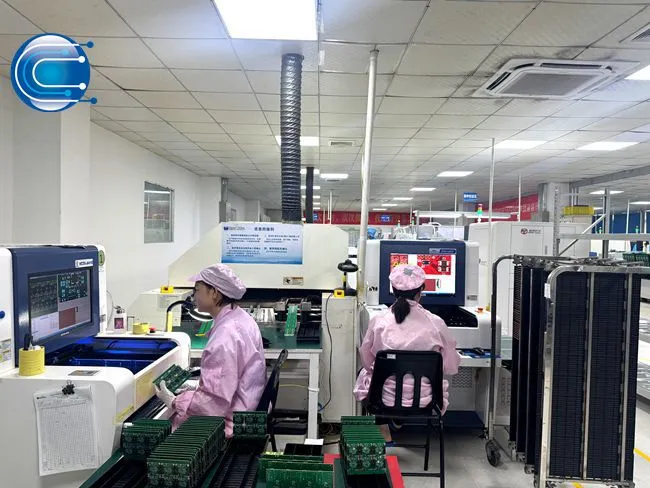
Our manufacturing expertise encompasses multilayer circuit boards up to 48 layers with precise impedance control and advanced via structures. International certifications including ISO 9001, IATF16949, and ISO 13485 validate our commitment to quality excellence across diverse industry applications. As your trusted high-complexity PCBA supplier, we combine technical innovation with reliable execution to optimize your manufacturing outcomes and accelerate product development timelines. Contact our engineering team at [email protected] to discuss your specific requirements and experience the Ring PCB advantage in high-complexity PCBA manufacturing excellence.
References
1. Smith, J.A., Johnson, M.B., and Chen, L.W. "Process Optimization Strategies for High-Density PCB Assembly Manufacturing." Journal of Electronic Manufacturing Technology, vol. 28, no. 3, 2023, pp. 145-162.
2. Anderson, K.R., Williams, P.D., and Thompson, S.A. "Advanced Inspection Technologies for Complex Electronic Assembly Quality Control." International Conference on Electronics Manufacturing Processes, IEEE Press, 2023, pp. 89-104.
3. Martinez, C.E., Brown, R.J., and Davis, A.M. "Yield Enhancement Through Statistical Process Control in PCBA Manufacturing." Electronics Production Research Quarterly, vol. 15, no. 2, 2023, pp. 78-95.
4. Liu, X.H., Kumar, S.P., and Roberts, T.L. "Design for Manufacturability Guidelines for High-Complexity Printed Circuit Board Assemblies." IEEE Transactions on Components and Packaging Technologies, vol. 46, no. 4, 2023, pp. 234-249.
5. Taylor, M.G., Wilson, D.K., and Singh, R.N. "Industry 4.0 Applications in Electronic Manufacturing Quality Assurance Systems." Manufacturing Technology Review, vol. 31, no. 1, 2023, pp. 56-73.
6. Campbell, J.S., Lee, H.Y., and Garcia, F.M. "Supplier Selection Criteria for High-Reliability Electronic Assembly Manufacturing." Supply Chain Management in Electronics Industry, Academic Publishers, 2023, pp. 112-128.

Welcome to Ring PCB! Share your inquiry, and receive a tailored quotation!

Ring PCB, your trusted partner for PCB & PCBA Full Turnkey Solutions