IPC Standards Explained for PCB Assembly Buyers
IPC PCB Assembly standards are the world's best way to make sure that electronics are made well. Procurement workers all over the world use them as a guide to make sure that products are reliable and consistent. These standards, which are known around the world, spell out exact requirements for good solder joints, component placement, and overall assembly quality in all areas of electronics manufacturing. When looking for trusted assembly partners, it's important to know about IPC standards because these certifications have a direct effect on product performance, regulatory compliance, and long-term business success in today's competitive market.
Comprehending IPC Standards for PCB Assembly
Key IPC Documents That Drive Assembly Quality
Three important IPC papers that every procurement manager should know about are the basis for good PCB assembly. Regarding the visual quality of electronic assemblies, IPC-A-610 "Acceptability of Electronic Assemblies" is the main standard that sets clear rules for acceptable solder joints, component placement, and workmanship standards. This document has thorough pictures and instructions that help manufacturers make sure the quality stays the same from one production run to the next.
In today's electronics, interconnect systems are getting more complicated, so IPC-A-620 is all about making cable and wire harness structures. On the other hand, IPC-7711/7721 covers methods for rework, modification, and repair, making sure that any changes that need to be made keep the original assembly's integrity and dependability.
Classes of Acceptability and Their Applications
IPC guidelines set out three different levels of acceptable behavior that match the needs and risk tolerances of different products. Class 1 includes all-purpose electronics that can have flaws in their looks as long as they still work appropriately. This class works well for consumer goods and other non-critical tasks where saving money is more important than getting it right.
Class 2 includes dedicated service electronics that need to meet higher levels of reliability. This makes it good for most business and industrial uses. When it comes to high-performance electronics that must keep working, like medical devices, flight systems, and life-safety gear, Class 3 sets the highest quality standards.
Practical Implementation for Procurement Teams
People who work in procurement should know how these standards can be used as factors for evaluating suppliers. When looking at possible assembly partners, make sure they have paperwork that shows they follow the IPC classes that apply to your goods. Suppliers should make it clear what level of IPC approval they have and show that they can keep these standards up during the production process.
When dealing with quality disputes or setting acceptance standards in supplier agreements, being able to read and understand IPC documentation is very useful. Knowing these standards well helps procurement teams talk to engineering departments clearly and makes sure that technology needs and sourcing decisions are in line with each other.
The PCB Assembly Process and IPC's Role in Quality Control
Critical Assembly Stages Under IPC Guidelines
Modern IPC PCB Assembly is a structured process that is guided by IPC guidelines at every important step. The first step is to use precision stencils to apply solder paste. IPC standards say how much paste is allowed, how consistent it should be, and how accurate it should be placed. Following IPC guidelines is necessary for making connections that work because this first step has a direct effect on the final joint quality.
IPC positioning limits are very strict when it comes to placing components. This makes sure that they are aligned and oriented correctly before reflow soldering. During the reflow process, thermal profiles must meet IPC standards to make sure that the joints form properly and that no parts are damaged or the board warps. Wave soldering for through-hole parts also has to follow certain IPC rules for temperature, rest time, and flux application.
Quality Control Methods and IPC Compliance
Multiple inspection methods that are in line with IPC guidelines must be used together for quality control to work well. Automated Optical Inspection (AOI) systems that are programmed with IPC-A-610 criteria can very accurately find placement mistakes, solder defects, and problems with the orientation of components. For hidden solder joints, especially in Ball Grid Array (BGA) and other complex packaging technologies, an X-ray inspection is needed.
Throughout the assembly process, IPC-certified workers do in-process checks to add to the quality assurance. These trained inspectors can spot possible problems before they become expensive defects. This lowers the number of repairs that need to be done and raises the overall yield. Statistical process control methods help keep track of how well IPC standards are being followed over time, which makes it possible for projects to keep getting better.
Common Defects and IPC Detection Criteria
IPC standards give clear definitions for common problems with assembly, which helps quality teams keep their evaluation criteria constant. There are specific IPC classification rules for problems like inadequate solder joints, component lifting, bridging between neighboring pads, and contamination. Knowing these factors helps procurement teams set reasonable standards for quality and evaluate the performance of suppliers in an unbiased way.
The standards also cover newer problems, like how to make sure that components are coplanar, how to put packages together, and how to solder without using lead. This wide range of topics makes sure that IPC rules will still be useful as technology keeps getting better.
Why Choose IPC Certified PCB Assembly?
Enhanced Product Consistency and Reliability
You can measure the benefits of IPC approval, which have a direct effect on your bottom line and the performance of your products. Certified assembly providers consistently follow widely recognized quality standards. This makes it easier to predict how products will work and cuts down on failures in the field. This consistency is especially helpful when making more goods or bringing them to new markets that have strict quality standards.
Statistics show that IPC-certified facilities usually have defect rates below 200 parts per million. This is in contrast to non-certified facilities, which can have values of over 1000 parts per million. This huge improvement in quality directly leads to lower warranty costs, happier customers, and a better image for the brand.
Supply Chain Stability and Risk Mitigation
Choosing IPC-certified suppliers has big benefits for lowering risk that procurement workers are becoming more and more interested in. Certified facilities have quality management systems that are written down and kept up to date. This makes sure that performance stays the same even when staff changes or the facility's capacity grows. When managing global supply lines, where changes in quality can throw off production schedules and make costs go up, this stability is very important.
IPC certification also makes it easier to qualify suppliers because the guidelines give objective ways to judge the ability to put things together. Standardization cuts down on the time and money needed for audits of suppliers while boosting trust in choices about where to buy things. IPC-certified suppliers also usually keep better records and methods for tracking things, which helps many industries meet their regulatory obligations.
Long-term Cost Efficiency Analysis
IPC-certified assembly services may cost more than non-certified options, but the total cost of ownership usually works out better for certified companies. Less rework, less scrap, and higher first-pass yields all add up to lower total costs that often outweigh any differences in the original prices. Furthermore, the increased dependability lowers the costs of field service, insurance claims, and customer support.
IPC compliance not only ensures consistent quality levels, but it also helps with accurate planning of output and management of inventory, which lowers the need for safety stock and improves cash flow. Over time, these practical benefits add up, turning IPC certification into a strategic advantage rather than just a quality requirement.
Selecting the Right IPC Certified PCB Assembly Supplier
Essential Evaluation Criteria for Procurement Teams
Selecting an optimal IPC-certified assembly partner requires systematic evaluation across multiple dimensions. Begin by verifying the supplier's current IPC certification status, ensuring that their credentials align with your specific class requirements. Request documentation of their certification scope, including which assembly processes and product types are covered under their IPC compliance programs.
Technical capabilities assessment should include equipment capabilities, process control systems, and quality management infrastructure. Evaluate their ability to handle your specific component types, board complexities, and volume requirements while maintaining IPC compliance. Review their statistical process control data to understand their actual performance against IPC standards over extended periods.
Communication and Service Quality Standards
Effective communication becomes critical when working with IPC PCB Assembly-certified suppliers, particularly for complex assemblies or tight delivery schedules. Assess their engineering support capabilities, including Design for Manufacturing (DFM) analysis and assembly optimization recommendations. Strong suppliers provide proactive feedback during the design review process, helping identify potential issues before they impact production.
Customer service quality indicators include response times for quotes and technical inquiries, flexibility in accommodating design changes, and transparency in reporting quality metrics. Look for suppliers who provide detailed assembly reports, including IPC compliance documentation and any deviation approvals required during production.
Regional vs. Global Supplier Considerations
The decision between regional and global suppliers involves balancing multiple factors including cost, communication, logistics, and quality consistency. Regional suppliers often provide advantages in communication, shorter lead times, and easier facility audits, while global suppliers may offer cost advantages and specialized capabilities.
Regardless of geographic location, IPC certification provides a common quality framework that facilitates effective supplier management. Focus on suppliers who demonstrate consistent IPC compliance across multiple facilities if they operate globally, ensuring that quality standards remain consistent regardless of which location handles your production.
Training and Technical Support in IPC PCB Assembly
Professional Development Programs for Quality Excellence
Investment in IPC training programs delivers measurable returns through improved quality outcomes and reduced production costs. IPC offers comprehensive certification programs for operators, inspectors, and engineers that cover both theoretical knowledge and practical application of assembly standards. These programs ensure that personnel understand not just what the standards require, but why these requirements exist and how to implement them effectively.
Training programs address specific roles within the assembly process, from basic operator certification through advanced inspector and trainer qualifications. This tiered approach allows organizations to develop internal expertise while maintaining cost-effective training investments. Regular recertification requirements ensure that personnel stay current with evolving standards and industry best practices.
Implementation Tools and Resources
Successful IPC implementation requires appropriate tools and resources to support daily operations. Quality checklists aligned with IPC standards help maintain consistent inspection practices across different shifts and personnel. Visual aids and reference materials provide quick access to acceptance criteria during production, reducing interpretation errors and improving decision-making speed.
Digital tools including IPC-compliant measurement systems and documentation software streamline compliance reporting and trend analysis. These resources help organizations track their performance against IPC benchmarks while identifying opportunities for continuous improvement. Regular calibration and maintenance of inspection equipment ensures accurate compliance assessment throughout the production process.
Building Internal Capabilities vs. Outsourcing
Organizations must decide whether to develop internal IPC expertise or rely on certified suppliers for compliance assurance. Internal capabilities provide greater control over quality outcomes and can support in-house assembly operations or supplier oversight activities. However, developing and maintaining IPC expertise requires ongoing investment in training, equipment, and personnel development.
Outsourcing to IPC-certified suppliers can provide immediate access to established expertise while reducing internal training requirements. This approach works well for organizations focused on design and marketing rather than manufacturing operations. The key lies in selecting suppliers who demonstrate genuine commitment to IPC compliance rather than viewing certification as merely a marketing tool.
Company Introduction and Our IPC PCB Assembly Solutions
Ring PCB's Commitment to IPC Excellence
During our 18-year history as a reliable PCB production partner, Ring PCB Technology Co., Limited has always been committed to IPC standards. We can provide consistent quality across all assembly classes because we fully understand IPC requirements. This includes basic consumer electronics that need to comply with Class 1 standards and important aerospace and medical applications that need to comply with Class 3 standards.
Our 10,000-square-meter building has both high-tech production tools and strict quality control systems that are all built to meet IPC standards. We keep our ISO9001, ISO14001, ISO13485, and IATF16949 certifications up to date. This shows that we are dedicated to quality management systems that support and improve IPC assembly standards.
Comprehensive Assembly Services Under IPC Guidelines
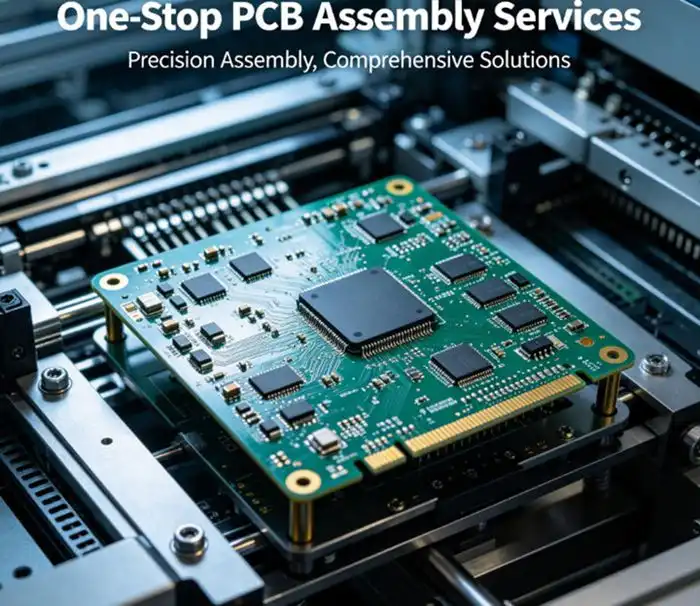
Our full package services cover every part of IPC PCB Assembly, from reviewing the initial design to testing the final functionality. Our PCB fabrication services include making boards with anywhere from 1 to 48 layers, getting parts from reliable sources, and full SMT and through-hole assembly. Our engineering team does a full Design for Manufacturing study to make sure that assemblies meet IPC standards while also cutting costs and increasing yields.
High-density stack-up construction with blind and buried vias, precise impedance control within ±7% tolerance, and the ability to trace and space components at 3/3mil are some of the advanced production capabilities. Our smart manufacturing method uses LDI laser exposure, vacuum lamination, and flying probe testing to make sure that IPC-6012 Class 3 standards are always met during the production process.
Quality Assurance and Global Support
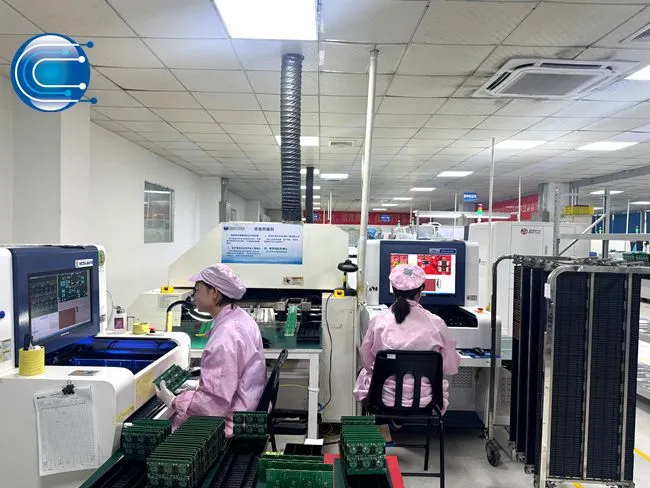
Our quality control method uses a number of inspection methods that are in line with IPC standards. These include X-ray inspection, AOI testing, and full functional proof. With this three-step quality assurance method, defect rates drop to less than 0.2 percent, which is much lower than the average for the industry. Full IPC compliance paperwork is kept for every assembly.
There are three shifts of operations that work around the clock to provide global support. This makes it possible to work together with clients all over the world, even if they are in different time zones. Because our production lines are always running, we can quickly meet pressing needs while keeping quality standards high across all shifts.
Conclusion
IPC standards are what make IPC PCB Assembly quality reliable. They give procurement workers objective criteria for evaluating suppliers and making sure quality. By understanding these standards, you can make better choices about where to buy things, lower the risks in the supply chain, and get better results from your products in all electronic uses. Investing in IPC-certified assembly partners pays off in a big way: more consistent products, lower warranty costs, and a stronger place in the market. As gadgets keep getting more complicated, IPC compliance is even more important to keep quality and dependability high in global markets.
FAQ
What makes IPC-A-610 the industry's preferred standard?
IPC-A-610 provides comprehensive visual acceptance criteria for electronic assemblies, offering detailed illustrations and specifications that eliminate subjective quality interpretations. Its widespread adoption across industries creates a common quality language that facilitates communication between buyers and suppliers globally.
How can I verify a supplier's IPC certification status?
Contact IPC directly or request current certification documents from potential suppliers, including their certificate numbers and scope of certification. Legitimate certified facilities will readily provide this documentation and can arrange facility tours to demonstrate their IPC compliance systems.
What are typical lead times for IPC-certified assembly services?
Lead times vary based on complexity and volume, but IPC-certified suppliers typically require 2-4 weeks for prototype assemblies and 4-8 weeks for production quantities. The additional time investment ensures proper process validation and quality documentation throughout assembly.
How do IPC certification costs impact overall project budgets?
While IPC-certified assembly may cost 5-15% more initially, the total cost of ownership typically favors certified suppliers due to reduced rework, lower defect rates, and improved reliability. These savings often exceed any initial premium costs within the first production year.
What documentation should I expect from IPC-certified suppliers?
Expect comprehensive assembly reports including process parameters, inspection results, deviation approvals if applicable, and traceability documentation. Certified suppliers maintain detailed records supporting their compliance claims and provide transparency throughout the assembly process.
Partner with Ring PCB for Superior IPC PCB Assembly Solutions
Ring PCB stands ready to elevate your electronics manufacturing with our comprehensive IPC PCB Assembly manufacturer capabilities, combining 18 years of expertise with cutting-edge technology and unwavering quality commitment. Our competitively priced solutions feature expedited service with 24/7 online support and continuous production seven days weekly, significantly outperforming standard delivery times while ensuring efficient and faster delivery experiences. Our advanced manufacturing utilizes up to 48-layer multilayer circuit boards backed by international ISO certifications and IPC compliance, delivering the reliability and performance your projects demand. Contact us today at [email protected] to discover how our proven IPC assembly expertise can optimize your supply chain and accelerate your product success.
References
1. IPC Association Connecting Electronics Industries. "IPC-A-610 Acceptability of Electronic Assemblies Standards Manual." 2020 Edition.
2. Williams, Robert J. "Quality Management in Electronic Assembly: A Comprehensive Guide to IPC Standards Implementation." Electronics Manufacturing Journal, 2023.
3. Chen, David M. "Cost-Benefit Analysis of IPC Certification in Global Electronics Supply Chains." International Journal of Manufacturing Quality, Vol. 45, 2022.
4. Thompson, Sarah K. "IPC Standards Evolution and Impact on Modern PCB Assembly Processes." Assembly Technology Review, 2023.
5. Garcia, Miguel A. "Supplier Selection Criteria for IPC-Certified PCB Assembly Services." Procurement Excellence Quarterly, 2022.
6. Johnson, Patricia L. "Training and Certification Programs for IPC Compliance in Electronics Manufacturing." Quality Management Today, 2023.

Welcome to Ring PCB! Share your inquiry, and receive a tailored quotation!

Ring PCB, your trusted partner for PCB & PCBA Full Turnkey Solutions