ISO Certified PCB Assembly: Why It Matters?
ISO approved PCB assembly is the best way to make electronics because it meets strict quality standards and uses structured process controls to make sure results are always the same and reliable. When businesses hire a skilled PCB Assembly Service with ISO certifications, they can use manufacturing methods that meet widely accepted standards for quality control, environmental responsibility, and needs specific to their industry. These approvals make sure that the whole assembly process—from putting in the parts to checking the finished product—follows written steps that cut down on mistakes and boost product reliability.
Understanding ISO Certified PCB Assembly: A Comprehensive Guide
Demystifying the PCB Assembly Process
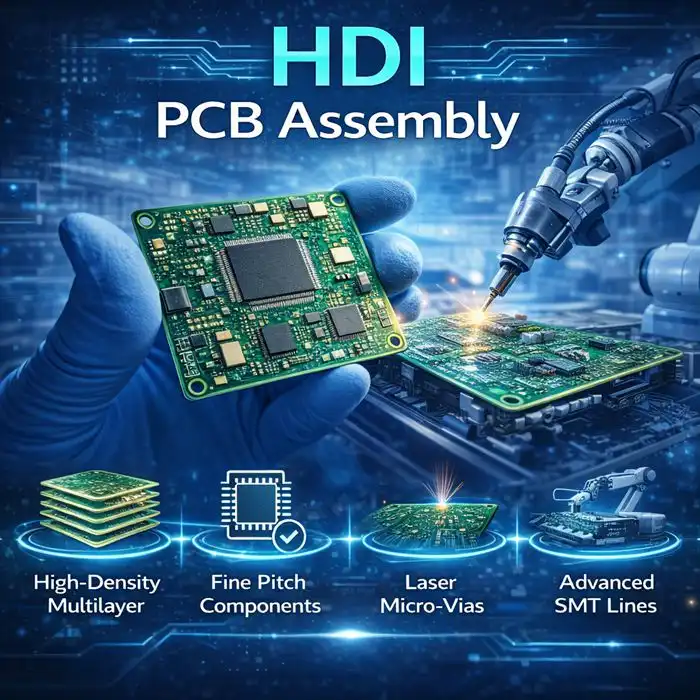
There are several complex steps in the printed circuit board assembly process that turn bare PCBs into working electronics. Modern PCB Assembly Service providers utilize two primary assembly methods: surface mount technology (SMT) and through-hole assembly. Pick-and-place tools are used to place surface mount components directly on the PCB surface. Through-hole components, on the other hand, need to be put in through holes that have already been drilled in the board.
The assembly sequence begins with a full Design for Manufacturability (DFM) review. This is where engineering teams look at circuit layouts, component space, and any problems that might come up during production. This very important step helps find ways to improve things that can cut down on mistakes in building and make the whole process more efficient. The solder paste is put on using precise molds that make sure it goes on the right component pads after the design review.
The Significance of ISO Certifications in Manufacturing
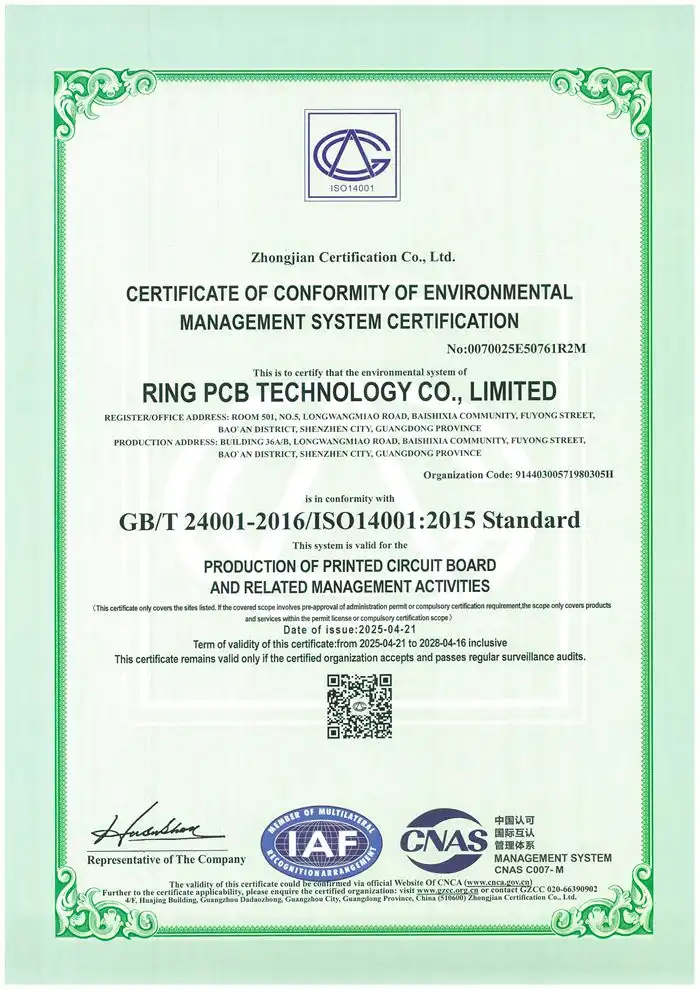
Industry-specific standards like IATF 16949 and ISO certifications like ISO 9001 and ISO 14001 set clear guidelines for quality control, caring for the environment, and making the best cars. For these certifications, producers have to follow written rules, keep up with frequent audits, and keep up with processes for constant growth that have a direct effect on the quality and consistency of the assemblies.
IPC standards, like IPC-A-610 Class 3, go along with ISO certifications because they set clear guidelines for what kinds of computer systems are acceptable. Products that need to be very reliable, like medical devices, flight systems, and industrial control tools, must meet Class 3 standards. These standards set very specific requirements for the quality of solder joints, the accuracy of component placement, and the level of cleanliness that are needed to make sure that products will last for a long time.
Quality Control and Process Consistency
Global B2B buyers know that ISO-certified centers can consistently produce high-quality results by using strict process controls. These standards require that equipment be calibrated on a regular basis, that workers go through training programs, and that thorough records of the manufacturing factors be kept. The result is a more reliable supply chain and products that work the same way in different production runs.
Why ISO Certification Matters in PCB Assembly: A Performance Optimization Approach
Addressing Manufacturing Challenges Through Certification
Companies often face big problems when they work with assembly providers that aren't qualified. These problems include inconsistent quality levels, flaws that weren't expected, and delivery delays that throw off production plans. These problems usually happen because process controls, quality management systems, and plans for systematic growth are not up to par.
Standardized working processes, quality audits, and systems for constant tracking are all part of ISO certification, which directly addresses these problems. Facilities that want to be certified must show that they can regularly meet certain standards and keep accurate records of process parameters and quality metrics. This methodical technique makes it easier to predict what products will be made and lowers the chance of expensive production interruptions.
Measurable Performance Improvements
Using ISO models has measurable benefits that have a direct effect on how well operations run and how costs are managed. Industry statistics shows that ISO-certified sites usually have failure rates below 0.2%, while the average for the industry is around 1%. Because of these changes, the cost of rework goes down, wait times get shorter, and customer happiness goes up.
Lean manufacturing principles are built into ISO systems. These principles help improve performance even more by cutting down on waste, speeding up work processes, and making the best use of resources. When businesses work with approved PCB Assembly Service providers, they often see 20–30% changes in delivery times and big drops in the costs of quality issues.
Real-World Benefits in Global B2B Markets
Leading electronics companies always choose partners that are ISO approved to stay competitive in the world's tough markets. These relationships give companies access to modern manufacturing tools, strict quality controls, and a reliable supply chain that helps them meet their tight time-to-market goals. ISO standards require a methodical approach that makes sure that quality changes last and can be applied to different production numbers.
How to Choose the Right ISO Certified PCB Assembly Partner: A Decision Support Framework
Defining Procurement Scenarios and Requirements
To make good buying choices, you need to start with clear standards that match the needs of the project and the demands of the industry. When prototyping, you usually need a variable minimum order quantity, the ability to turn things around quickly, and a lot of design support services. Production standards stress the importance of being able to increase production volumes, keeping costs low, and maintaining quality over long production runs.
Some industries, like medical devices and car electronics, have extra rules about how to track products, make sure they follow the rules, and do special tests. IoT uses a lot of designs that need to be very low power, able to be made smaller, and tested in harsh environments to make sure they work well in all kinds of situations.
Key Evaluation Metrics for Supplier Selection
Procurement managers should look at possible partners in a number of different areas that have a direct effect on the success of the project and the long-term survival of the relationship. Here are the most important things that make a great PCB Assembly Service stand out:
• Validity and scope of certifications: Use independent registrar databases to check current ISO 9001, ISO 14001, and industry-specific certifications. Make sure they cover the right industrial methods and product categories.
• Technical skills and capacity: Look at what kind of equipment is available, how many layers it can hold, how well it can package parts, and any special services like conformal coating or potting.
• Quality management systems: Look over statistical process control methods, review routines, and corrective action plans that show a dedication to always getting better.
• Supply chain management: Look at methods for getting parts, tools for keeping track of inventory, and ways to make sure suppliers are qualified so that materials are available and real.
With these thorough evaluation factors, procurement teams can find partners who can meet both present needs and growth goals in the future, all while keeping quality standards high.
Auditing and Verification Processes
On-site facility audits, document verification for certifications, and reference checks with current customers in similar businesses should all be part of the due investigation process. These tasks give useful information about practical skills, quality culture, and relationship styles that might not be clear from regular procurement reviews.
Technical Dimensions of ISO Certified PCB Assembly for Industry Applications
Complex and Multilayer PCB Assembly Challenges
More and more, modern electronics depend on complicated layered PCBs, which pose special challenges during production in terms of managing heat, keeping signals intact, and making sure the boards are reliable. A lot of the time, these assemblies have high-density interconnects, embedded parts, and special materials that need accurate process controls and advanced production skills to make.
ISO standards meet these needs for accuracy by systematically documenting factory parameters, methods for calibrating equipment, and training programs for operators. The standard method makes sure that important process factors stay within certain limits during production, which lowers the chance of mistakes that could affect how well the product works.
Specialized Certification Requirements for Regulated Sectors
Automotive electronics must follow IATF 16949 standards, which are based on ISO 9001 requirements but pay more attention to supply chain management, the approval process for production parts, and methods for ongoing growth. Change management, supplier growth, and quality planning must follow certain rules set by these standards. This makes sure that performance is the same across global production networks.
Making medical devices needs to be certified by ISO 13485, which focuses on risk management, design controls, and tracking tools that help with patient safety and following the rules. These standards cover the whole process of making something, from inspecting the raw materials as they come in to making sure the finished product works right and keeping an eye on it after delivery.
Turnkey and Flexible Assembly Services
ISO-certified companies give full turnkey services that include making PCBs, buying parts, putting them together, and checking them one last time, all under one quality management system. This unified method makes the supply chain simpler while making sure that all production processes meet the same quality standards.
ISO frameworks are flexible enough to meet a wide range of customer needs, such as small-scale production runs, fast prototyping services, and custom testing methods. PCB Assembly Service can be seamlessly integrated into these quality management systems, as ISO standards require that methods be written down so that changes to processes can be made quickly while still keeping quality standards and following the rules.
Overcoming Common Challenges in PCB Assembly Through ISO Certification
Dispelling Manufacturing Misconceptions
A lot of people still make bad choices about buying based on a few persistent myths, which can hurt the success of projects and long-term competitiveness. People who think that the cheapest providers are the best ones often don't look at the secret costs that come up because of things like extra work, delays, and quality problems that happen during production or field rollout.
Specification mistakes can happen when people don't understand the rules for lead-free assembly and environmental compliance, which can lead to expensive design changes or part replacements. Facilities that are ISO certified stay up to date on legal requirements and take steps to address compliance problems during the plan review process.
Risks of Non-Certified Provider Relationships
Companies that work with non-ISO certified providers run a lot of operating risks that can hurt their brand's image and make it hard for them to keep customers. Product recalls, warranty claims, and unhappy customers often cost a lot more than the original cost savings because of higher defect rates, uneven quality levels, and poor process controls.
Instability in the supply chain is another major risk factor, since non-certified providers might not have strong source approval processes, inventory management systems, or the ability to plan for what could go wrong. These flaws can cause production delays, lack of parts, and quality problems that hurt project deadlines and break customer promises.
ISO Framework Benefits for Supply Chain Stability
The requirements for ISO certification set up full tracking systems, standard operating procedures, and corrective action methods that are very important for keeping quality and delivery problems at bay. Problems can be found and fixed quickly with these systems, and they won't happen again thanks to thorough root cause analysis and process changes.
Verification of certifications, clear sharing of requirements, and setting of success measures that are in line with project goals should all be important parts of practical procurement strategies. Regular performance reviews and checks of suppliers make sure that quality standards are always being met and that manufacturing skills are always getting better.
Conclusion
ISO certified PCB Assembly Service providers offer measured benefits that have a direct effect on the success of projects, the speed of operations, and the long-term ability to compete in tough global markets. ISO standards require strict process controls, structured quality management systems, and methods for ongoing growth. These make sure that manufacturing results are consistent and lower the risks of mistakes, delays, and problems in the supply chain. When companies choose suppliers based on ISO certification, they can access advanced production capabilities, thorough quality assurance programs, and relationship methods that meet both current needs and growth goals for the future.
FAQ
How does ISO certification improve PCB assembly quality?
ISO certification sets up organized quality control systems that make sure that manufacturing processes are always the same, that constant monitoring methods are used, and that regular audits are carried out to make sure that performance stays the same. These models cut down on process variation, lower the number of defects, and set up accounting systems that keep improving the quality and dependability of assemblies.
Which ISO and IPC standards are most relevant for PCB assembly?
Some of the most important standards are ISO 9001 for quality management systems, ISO 14001 for environmental management, and certifications specific to each business, like ISO 13485 for medical devices and IATF 16949 for car uses. IPC-6012 Class 3 sets the standards for making PCBs for demanding uses, and IPC-A-610 Class 3 sets the acceptance criteria for high-reliability electronic assemblies.
Can ISO certified services accommodate prototypes and small batch orders?
Companies that are ISO approved usually provide flexible manufacturing services that can help with making prototypes, small batches, and meeting tight deadlines without lowering quality standards or not following the rules. The written steps that ISO frameworks demand make it possible for processes to be scaled up efficiently while keeping quality controls the same for all production levels.
Partner with Ring PCB for Superior ISO Certified Assembly Solutions
Ring PCB Technology offers excellent PCB Assembly Service thanks to its full range of ISO 9001, ISO 14001, ISO 13485, and IATF 16949 certifications, which guarantee consistent quality and legal compliance in a wide range of business settings. Our advanced manufacturing center is open 24 hours a day, seven days a week, for production. This, along with 24-hour engineering support, greatly exceeds normal delivery times, allowing projects to be finished faster and improving the responsiveness of the supply chain.
We are experts at making complicated multilayer systems with up to 48 layers that meet the strictest technical standards. Our advanced features include blind/buried vias, 3/3mil trace spacing, and ±7% impedance control. Our full range of services includes making PCBs, getting parts from reliable sources, SMT assembly, and full turnkey solutions that make your supply chain run more smoothly while keeping high quality standards. Email our skilled staff at [email protected] to talk about your unique needs and find out how our certified PCB Assembly Service maker can help you improve your production processes and meet your time-to-market goals faster.
References
1. Institute for Printed Circuits. "IPC-A-610 Acceptability of Electronic Assemblies." Standards and Guidelines for Electronic Manufacturing. 2022.
2. International Organization for Standardization. "Quality Management Systems in Electronic Manufacturing: ISO 9001 Implementation Guide." ISO Technical Committee Documentation. 2021.
3. Johnson, Michael R. "Certification Impact on PCB Assembly Quality: A Comparative Analysis of ISO Certified vs Non-Certified Facilities." Journal of Electronic Manufacturing Quality. Vol. 45, No. 3. 2023.
4. Electronics Manufacturing Services Association. "Global Survey of PCB Assembly Quality Metrics and Certification Benefits." Industry Research Report. 2023.
5. Chen, Lisa and Roberts, David. "Supply Chain Risk Management in Electronic Component Assembly: The Role of International Standards." International Journal of Manufacturing Excellence. 2022.
6. Advanced Manufacturing Institute. "Technical Requirements for High-Reliability PCB Assembly in Regulated Industries." Professional Development Series. 2023.

Welcome to Ring PCB! Share your inquiry, and receive a tailored quotation!

Ring PCB, your trusted partner for PCB & PCBA Full Turnkey Solutions