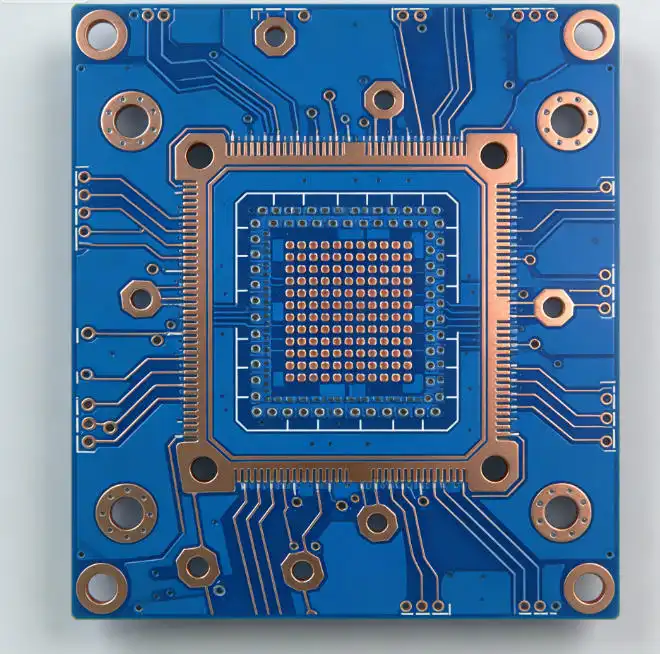
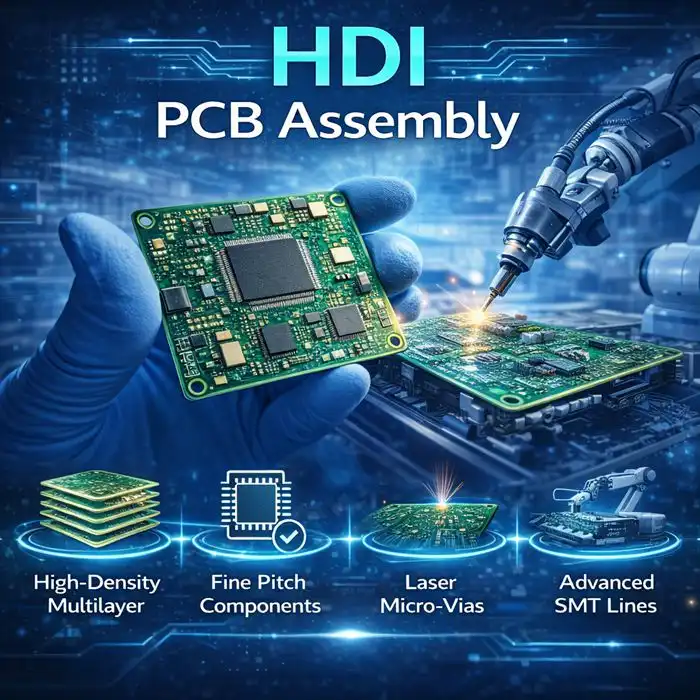
Low volume PCBA manufacturing is an important step between making a prototype and full-scale production. It helps organizations who require specialized electronic assemblies without having to place significant orders. This kind of manufacturing allows for different component needs across different product lines. This lets firms test the market, provide specialized applications, and stay flexible in their supply chain strategy. Procurement managers and engineering teams may uncover big benefits in time-to-market, cost control, and product customization by learning how low-volume high-mix manufacturing works.
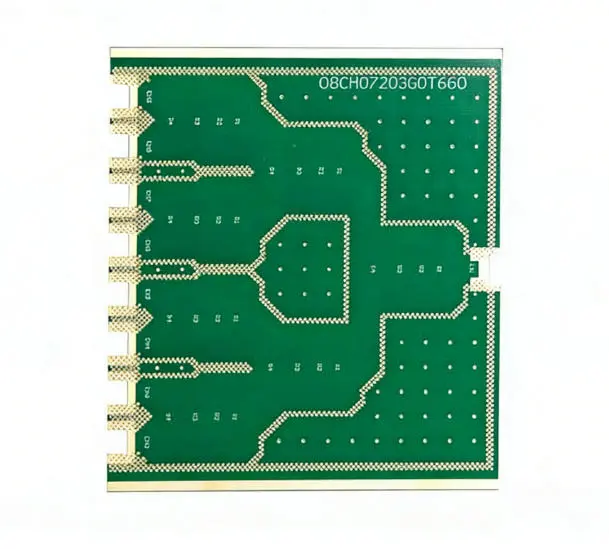
Understanding Low-Volume High-Mix PCBA Manufacturing
Low-volume high-mix PCBA manufacturing is quite different from standard mass production methods because it puts flexibility ahead of volume efficiency. This method usually includes making between 50 to 5,000 units at a time, with different parts and assembly needs for each batch. The production approach focuses on rapid setup changes, competent technicians, and flexible quality control procedures.
Key Characteristics of Low-Volume Production
The distinctive benefits of this production approach come from its distinguishing traits. Manufacturers may make frequent design modifications, swap out parts, and meet special needs without having to pay a lot of extra costs for setup. When volumes are low, the emphasis on quality becomes stronger. Each unit gets greater individual attention and thorough testing procedures.
Manufacturing equipment used in low volume PCBA production often features modular configurations that support rapid changeovers between different product types. Advanced placement machines, selective soldering systems, and flexible test fixtures enable efficient handling of diverse component packages and board geometries. This equipment versatility proves essential when managing multiple customer projects simultaneously.
Technical Requirements and Capabilities
To run a successful low-volume, high-mix business, you need advanced technical skills in design support, procuring parts, and putting things together. When dealing with prototype designs that may not have been optimized for production, design for manufacturability (DFM) analysis is very important. Engineering teams need to identify any problems with assembly early on and suggest design changes that make the process easier and increase yield rates.
When making a small number of parts, it might be hard to find the right ones since traditional distribution methods may not be able to meet small quantity needs in a cost-effective way. Experienced manufacturers keep in touch with niche wholesalers and component brokers who may provide them limited amounts of hard-to-find or outdated parts. This capacity to find sources typically decides if a project is possible and how long it will take.
The Low-Volume PCBA Process: Step-by-Step Implementation
The first step in the low-volume PCBA manufacturing process is to thoroughly evaluate the project and examine the design. Engineering teams look at PCB designs, component specs, and assembly needs to find possible problems with production and ways to make the process better. This first review process usually lasts 1 to 3 days and lays the groundwork for a successful production run.
Design Optimization and DFM Analysis
When looking at design for manufacturability in low-volume manufacturing, the goal is to find parts that might slow down assembly or create quality problems. Engineers look at how close together the parts are, how to regulate heat, and how easy it is to get to the test points. Mixed-technology assemblies that include both surface-mount and through-hole components need extra attention since they need more than one assembly method and careful scheduling of those procedures.
While DFM analysis is going on, sourcing teams check the lead times and prices for all the parts that are needed. During this phase, suggestions for other components may come up, especially for parts that take a long time to get or that have minimum order numbers that are higher than what the project needs.
Assembly Process Planning
When preparing the process for low-volume PCBA, you need to provide thorough work instructions that fit the needs of each assembly variation. Manufacturing engineers develop setup sheets, programming files, and quality checkpoints that are specific to the amount and difficulty of the work. This planning stage makes sure that manufacturing runs smoothly and that all completed pieces are of the same high quality.
Quality control planning focuses on thorough testing methods that check the performance of both individual parts and the whole system. In-circuit testing, functional verification, and environmental stress screening are all common parts of test methods. They help find any reliability problems before shipping.
Comparing Low-Volume PCBA with Alternative Production Models
When procurement teams know the differences between low-volume high-mix production and other manufacturing methods, they can choose the best strategies for their needs. Each kind of manufacturing has its own pros and cons that are best for particular corporate goals and market situations.
Low-Volume vs. Prototype Production
In prototype production, the main goals are to check the design and verify how well it works, with little attention on making the process more efficient or cheaper. Low-volume production fills this gap by adding discipline to manufacturing while yet allowing for design freedom. When you go from prototyping to low-volume production, the criteria for quality systems, documentation, and traceability go up a lot.
These two methods have quite different cost structures. Prototype manufacturing focuses on speed and flexibility instead than lowering unit costs. Low-volume manufacturing takes use of economies of scale while keeping prices per unit affordable by carefully arranging processes and finding parts.
Scalability Considerations
Low-volume manufacturing has natural means to scale that prototype production can't match. The manufacturing procedures, quality systems, and supplier relationships that are built during low-volume production provide the groundwork for moving up to bigger numbers. This scalability advantage is useful for items whose market demand is unclear or whose sales patterns change with the seasons.
When manufacturing is done in small batches, the production data may help make judgments about future manufacture by showing trends in yield rates, cycle durations, and quality. This information is really helpful when you want to add more capacity or look at other ways to make things.
Procurement Insights: Supplier Selection and Partnership Development
When choosing the right low volume PCBA suppliers, you need to carefully look at their technical skills, quality processes, and business practices. For a partnership to work, the capabilities of the supplier and the needs of the customer must match up in many areas, such as technical knowledge, capacity to be flexible, and ability to communicate well.
Supplier Evaluation Criteria
When evaluating technical capabilities, you should look at both the equipment's capabilities and the engineers' knowledge. When evaluating manufacturing equipment, you should look at how well it fits, how well it works with other parts, and how advanced its process control is. When you analyze someone's engineering skills, you look at their DFM knowledge, their networks for procuring components, and their experience addressing problems with comparable products.
Quality certifications are good signs that a provider is reliable and that a process is mature. ISO 9001 certification shows that a fundamental quality management system has been put in place. Industry-specific certificates, like IATF16949 for cars or ISO 13485 for medical products, show that someone has specialist knowledge in regulated industries.
Partnership Development Strategies
For supplier relationships to work in low-volume manufacturing, everyone has to know how to communicate well and what the project's goals are. Regular design reviews, updates on progress, and talks about quality measures help keep everyone on the same page throughout production cycles. Setting up these ways of talking to each other early on eliminates misconceptions and lets people solve problems before they happen.
Better prices, priority scheduling, and better technical assistance are some of the advantages of a long-term collaboration. When suppliers think they will have long-term commercial relationships with customers, they put more money into customer-specific capabilities. This investment typically leads to greater service and a competitive edge for client initiatives.
Ring PCB's Specialized Low-Volume Manufacturing Capabilities
Ring PCB has created a full range of low-volume, high-mix manufacturing capabilities that solve the specific problems that firms who need prototype and niche product assembly services confront. We use an integrated strategy that combines cutting-edge manufacturing technology with professional technical assistance to provide dependable, affordable solutions for complicated electronic assembly projects.
Advanced Manufacturing Technology
Our factory has the latest equipment that is designed for flexible, high-quality production. LDI laser exposure systems let you make PCBs with trace widths as small as 3 mils and spacing tolerances of ±7%. Vacuum lamination technique makes sure that all the layers on multilayer boards, from 2 to 48 layers, stick together evenly. This is important for complicated, high-density designs that are widespread in 5G communication, medical devices, and automotive electronics.
Automated optical inspection (AOI), X-ray examination, and flying probe testing are all parts of quality assurance systems. These technologies make it possible to find all kinds of defects while keeping manufacturing efficient enough for low-volume needs. Following IPC-6012 Class 3 standards makes sure that our products are reliable enough for mission-critical uses.
Comprehensive Turnkey Services
Ring PCB's turnkey service approach makes supply chain management easier by putting all of the responsibilities for PCB manufacturing, component procurement, and assembly processes in one place. This integration cuts down on lead times, makes collaboration easier, and gives one person full responsibility for the project's success. We have connections with authorized distributors, specialist suppliers, and component brokers that can meet a wide range of needs via our component sourcing network.
DFM and DFA optimization services assist clients find ways to save costs and reduce production risks early on in the design phase. Our engineering staff gives thorough recommendations on choosing parts, optimizing layouts, and thinking about the assembly process, all of which affect quality and cost.
Conclusion
Low volume PCBA manufacturing gives organizations the tools they need to go from making prototypes to making products that are ready for the market. This manufacturing approach has distinct benefits in terms of flexibility, quality emphasis, and scalability that fit well with how products are made today and what customers want. To be successful in low-volume manufacturing, you need to choose your suppliers carefully, have clear communication rules, and know the technical and commercial elements that affect the result of a project. Companies who do these things right have big advantages over their competitors in terms of getting their products to market faster, managing costs, and making sure the quality of their products is high.
FAQ
Q1: What are typical lead times for low-volume PCBA projects?
A: Low-volume PCBA manufacturing gives organizations the tools they need to go from making prototypes to making products that are ready for the market. This manufacturing approach has distinct benefits in terms of flexibility, quality emphasis, and scalability that fit well with how products are made today and what customers want. To be successful in low-volume manufacturing, you need to choose your suppliers carefully, have clear communication rules, and know the technical and commercial elements that affect the result of a project. Companies who do these things right have big advantages over their competitors in terms of getting their products to market faster, managing costs, and making sure the quality of their products is high.
Q2: How can companies reduce costs in low-volume production without sacrificing quality?
A: Cost optimization tactics include making sure that all product lines use the same parts, giving realistic demand projections to help with better sourcing planning, and spending money on DFM optimization throughout the design process. Consolidating orders and keeping good connections with suppliers also saves money by getting better prices and priority in scheduling.
Q3: What quality control measures are most important for low-volume PCBA?
A: Important quality measures include checking all parts that come in, watching the assembly process, and testing all parts that are finished. Documentation and traceability mechanisms make ensuring that people are responsible and help problems be fixed quickly. Statistical process control for low-volume manufacturing helps find patterns and keep quality from going down.
Partner with Ring PCB for Superior Low-Volume PCBA Solutions
Ring PCB offers great low-volume PCBA manufacturing options that are made just for your prototype and niche product needs. Our services are fairly priced and include fast delivery, 24/7 online assistance, and production that never stops, seven days a week. This is far faster than normal delivery times, which makes for a better experience. We are experts in putting together complicated things using multilayer circuit boards with up to 48 layers. We also have ISO certifications and follow IATF16949 and RoHS rules. As your trusted low volume PCBA supplier, we combine advanced manufacturing capabilities with personalized engineering support to ensure project success. Contact us at [email protected] to discuss your specific requirements and experience our commitment to quality and service excellence.
References
1. Smith, John A. "Modern PCB Assembly Techniques for Prototype and Low-Volume Production." Electronics Manufacturing Journal, vol. 45, no. 3, 2023, pp. 78-92.
2. Chen, Maria L., and Robert K. Johnson. "Supply Chain Management Strategies for Low-Volume High-Mix Electronics Manufacturing." International Journal of Production Engineering, vol. 28, no. 7, 2023, pp. 156-171.
3. Williams, David P. "Quality Control Systems in Small-Batch PCB Assembly: Best Practices and Implementation Guidelines." Quality Assurance in Electronics, vol. 19, no. 2, 2023, pp. 234-248.
4. Anderson, Sarah M. "Cost Optimization Techniques for Prototype-to-Production Transitions in Electronics Manufacturing." Manufacturing Economics Review, vol. 31, no. 4, 2023, pp. 445-462.
5. Thompson, Michael R., et al. "Design for Manufacturability in Low-Volume Electronics Production: A Comprehensive Analysis." Design Engineering Quarterly, vol. 67, no. 1, 2023, pp. 89-104.
6. Rodriguez, Carlos J. "Component Sourcing Strategies for Niche Electronics Products: Market Analysis and Procurement Best Practices." Supply Chain Management Today, vol. 22, no. 6, 2023, pp. 312-327.