Low-Volume Industrial PCBA: Perfect for Pilot Runs and Testing
Finding the right Low-Volume Industrial PCBA Supplier is very important when putting a new electronic product on the market. Not doing so can cost a lot of money. Low-volume printed circuit board assembly is an important step between initial ideas and full-scale production. It lets engineers and procurement managers make sure designs work, test functions, and improve processes without committing to large production runs. This adaptable method lowers financial risk and speeds up time-to-market, which is why it is essential for pilot runs and thorough testing steps in many fields, from medical devices to car electronics.
Understanding Low-Volume Industrial PCBA
What Defines Low-Volume Production
Low-Volume Industrial PCBA is usually made in small batches, from 10 units to several hundred pieces. In contrast to mass production, these smaller amounts put flexibility ahead of savings of scale. For both new and established makers, this method has changed how they come up with new products. The great thing about it is that it's flexible—you can change designs between batches based on test results without throwing away thousands of units or spending a lot of money on retooling.
Why Pilot Runs Matter in Product Development
Pilot production is important for more than just making prototypes. It checks how well production processes work in the real world, finds possible assembly problems before they become expensive ones, and gives real samples for testing on the market and sending in for certification. Engineering teams learn a lot about how well parts work, how they react to heat, and how reliable an assembly is that computer models just can't do. Purchasing managers like how test runs lower the risk of supply chain choices by making sure that parts are available and suppliers can do what they say they can do before signing long-term contracts.
Applications Across Industrial Sectors
Low-Volume PCBA is in high demand in specialized areas where customization is more important than standardization. Medical device makers depend on small-batch assembly for FDA filing samples and limited tools for clinical trials. Before putting a new safety system through certification testing, its makers use trial runs to make sure it works well. Designers of industrial control systems use low-volume production to make automation solutions that are unique to each factory setting. Communication equipment companies use this method to create niche networking gear for specific uses where demand in the market doesn't support mass production.
The Low-Volume Industrial PCBA Manufacturing Process Explained
Design Finalization and Pre-Production Planning
The first step is a thorough design review, where experienced engineers at a Low-Volume Industrial PCBA Supplier check blueprints and PCB models to make sure they can be made. Design for Manufacturing (DFM) analysis finds possible problems like not enough space between parts, bad placement of vias, or problems with part direction that could make assembly harder. Because everyone is working together, changes later won't be as expensive. Verification of the Bill of Materials (BOM) makes sure that all the stated parts can be bought in small amounts. This can be hard because many distributors have minimum order numbers that are much higher than what is needed for low volumes.
Material Sourcing Strategies
Getting components in small batches needs a different method. We keep in touch with wholesalers who understand our low-volume needs and can get us real parts in smaller amounts without charging too much. In small-batch situations, the chance of counterfeit parts goes up, which is why source verification is so important. Lead times for specialized or old parts often set the schedule for a project, so buying teams have to find a mix between what is available and what the designer wants. Strategic component selection during the design phase—picking parts that are easy to find—significantly lowers these buying issues.
Assembly Techniques and Quality Control
Surface mount technology is still the most important part of current PCBA, but in low-volume production, more work has to be done by hand than in fully automated high-volume lines. This mixed method helps small amounts because it gives more options for different types of parts and lets changes be made in real time. Special care is taken to make sure that the joints form correctly on through-hole parts that need wave soldering or selective soldering. More thorough quality checks are done on each unit; Automated Optical Inspection (AOI) finds mistakes in placement, X-ray inspection checks for secret solder joints on Ball Grid Array (BGA) components, and functional testing makes sure the electrical work is correct. Even when production is small, these strict checks keep reliability standards high.
Certifications and Traceability
Industrial clients have every right to expect strong quality systems that are backed by well-known standards. Standard ISO 9001 sets the basic rules for quality management. Other standards, like ISO 13485 for medical devices or IATF 16949 for car uses, show more specific skills. Full traceability from raw materials to final assembly makes sure that everyone is responsible and makes it easier to find the root cause of problems if they happen. Keeping track of the lots of parts that go into a product, keeping thorough records of how it was put together, and storing test data are all things that procurement managers need in order to find new sources or support product certifications.
Comparing Low-Volume vs High-Volume Industrial PCBA
Cost Considerations and Break-Even Points
Costs per unit will always be higher in low-volume production because setup costs are spread out over fewer pieces. For a Low-Volume Industrial PCBA Supplier, tooling, programming, and setup costs are spread out over thousands or millions of units in high-volume production, which greatly lowers the price of each individual piece. But this small comparison of costs doesn't show the bigger picture of money. Low-volume runs get rid of the costs of keeping inventory, lower the risk of failure if designs change, and avoid the capital lock-up that comes with buying a lot of parts at once. Smart buying teams look at the total cost of ownership instead of just the price per unit for assembly.
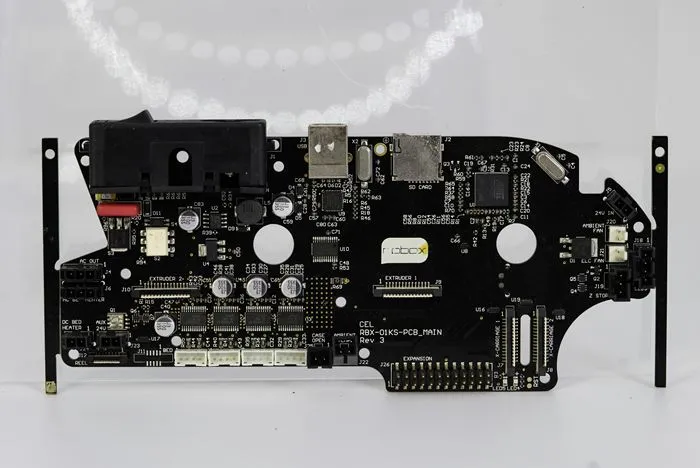
Flexibility and Iteration Speed
The best thing about low-volume output is that it allows for flexible design. When testing shows places where things could be better, small-batch makers can make changes quickly—often in days instead of the weeks or months it takes to change high-volume tools and processes. This flexibility speeds up the growth process by a lot. In low-volume settings, engineering changes that would stop high-volume production lines or need expensive change orders are just something that is done. This freedom is very helpful during the approval process, since changes to the design are often needed based on feedback from regulators.
Supplier Capabilities and Specialization
High-volume PCBA makers make sure their processes are as fast and efficient as possible, and they usually only deal with a few different types of boards and components. Their strength is mass production that can be done over and over again, not meeting specific needs. Low-volume experts focus on developing different core skills, such as engineering support for design optimization, flexible sourcing networks for small-quantity parts, and flexible assembly processes that can work with different types of boards. When looking at possible business partners, knowing these basic practical differences helps make sure that the source chosen fits the needs of the project, instead of just picking one based on claims of company size or production capacity.
How to Choose the Right Low-Volume Industrial PCBA Supplier
Essential Evaluation Criteria
The choice of a supplier should be carefully considered in a number of different areas. Technical skills are the basis. Make sure the company has experience with multilayered boards, knows how to package components (especially advanced packages like QFN or BGA), and can handle the unique methods your design needs. Quality standards make sure that management systems and process rules work the way they should. Misunderstandings can be avoided in the future by having clear minimum order amounts and clear pricing systems. We've learned that suppliers who are ready to give us thorough quotes that break down the prices of materials, assembly, and testing show that they are professional and sure of their value offer.
Communication and Technical Support
Respondent and informed contact is what sets great suppliers apart from just-good ones. Check to see how quickly possible partners answer your questions and if their expert staff can have a meaningful conversation about design issues. Language barriers and different time zones make international partnerships really hard. However, many foreign companies have found ways to get around these problems by having expert liaisons who speak English and business hours that overlap. Help from engineers during DFM review, suggestions for replacing parts, and fixing during assembly is very helpful, especially for new companies or teams that don't have a lot of production experience.
Lead Times and Delivery Reliability
Expectations for timelines must match up with project plans. Depending on how complicated the design is, how many parts are available, and how busy the seller is, wait times for low-volume PCBAs are usually between one and four weeks. When dates are getting close, expedited services can cut down on wait times by a lot, but there are rush fees. We judge delivery performance by looking at references and case studies, because we know that steady on-time delivery is more important than making big claims at the start. Supply chain problems have shown how important it is for sellers to keep extras of popular parts in stock and build relationships with multiple distributors to avoid running out of materials.
Evaluating After-Sales Support
Support after delivery shows how committed a seller really is to working with you. For a Low-Volume Industrial PCBA Supplier, rework policies, return processes for defective parts, and expert troubleshooting help all show how providers deal with problems that happen from time to time. Traceability records, detailed test reports, and full assembly paperwork all help your downstream processes and meet customer needs. We give more weight to suppliers who see themselves as extensions of our tech teams than to sellers who are only there to do business with us.
Maximizing Value from Your Low-Volume Industrial PCBA Orders
Strategic Procurement Planning
Getting bids is not the first step to successful low-volume PCBA buying. Aligning assembly schedules with larger project goals keeps people from making hasty decisions and gives designers enough time to make their work better. When you get quotes from more than one provider, you can compare prices and learn about different ways to meet your needs. For example, differences in planned assembly methods or component substitutions can often reveal useful information. Specifications, Bill of Materials, and test standards that are well written down remove any doubt and allow for accurate pricing.
Leveraging Contract Manufacturing Partnerships
A lot of value can be unlocked by seeing your PCBA seller as a strategic partner instead of a commodity provider. Building connections over several projects gives us a lot of information about your design tastes, quality standards, and communication styles. This familiarity lowers the costs of future orders and often leads to better prices and faster booking. Contract makers that offer full turnkey services, which include making PCBs, buying parts, and putting them together, make operations easier and increase responsibility. However, consignment models, in which you supply parts, give you more control over where to get important parts.
Integrating Pilot Runs Into Product Launch Strategies
Low-volume production works well with staged product launch methods. Initial practice runs prove that the product can be manufactured and make samples for testing on the market and sending to regulators. Small amounts that follow include improvements found during the first testing, lowering the design's risk over time before it is committed to in large quantities. This step-by-step method keeps design control and market response while learning more about how to make things. Planning production amounts to match approval milestones, trade show demos, and early customer orders helps both technical and business goals reach their full potential.
Conclusion
Low-Volume Industrial PCBA is an important tool for developing new products, making prototypes, and other specific uses where freedom is more important than cost-per-unit. To find the best manufacturing partner, you need to look at more than just price. You need to look at their technical skills, quality processes, communication, and strategy alignment. When done carefully, small-batch assembly shortens the time it takes to get a product to market, lowers the risk of development, and allows for iterative improvements that lead to better end goods. Finding a capable and responsive low-volume PCBA source is an investment that pays off over the full lifetime of the product.
FAQ
What lead times should I expect for low-volume orders?
Standard wait times for low-volume PCBAs are 10 to 20 business days from the time an order is confirmed. However, this can change depending on the complexity of the design and the supply of parts. For pressing needs, expedited services can cut wait times down to 5–7 days. It could take up to four weeks to get complex systems that need a lot of testing or specialized parts that need to be ordered in long rounds. When you and your suppliers first talk, being clear about when things need to be done helps them divide their resources correctly and meet your timing needs.
How do quality standards compare between low and high-volume production?
When you work with reputable makers, quality standards stay the same no matter how much you order. Low-volume suppliers often do more thorough inspections of each unit because automatic high-speed testing systems made for mass production don't work well for small amounts. More thorough validation is often possible at lower numbers with manual functional testing and close eye inspection. Certifications in the same industry, like ISO 9001, ISO 13485, and IATF 16949, use the same quality control rules no matter how much is being made.
Can I get custom prototypes with flexible minimum order quantities?
A lot of low-volume PCBA experts can work with orders as little as 5–10 pieces, but the minimum order amounts depend on the supplier and the complexity of the design. Due to setup costs, prototype numbers cost more per unit, but they are necessary for testing before committing to bigger batches. Talking about your whole project plan—from the prototype to pilot production and finally to mass production—helps providers set prices and minimum order quantities (MOQs) that support your whole growth journey instead of just focusing on the current order.
Partner with Ring PCB for Your Low-Volume PCBA Manufacturing Needs
We know that choosing a low-volume industrial PCBA maker is more than just looking at prices. You need a partner who is dedicated to your success throughout the whole product development process. Since 2008, Ring PCB Technology has helped companies that make electronic goods by providing full package services that include everything from PCB manufacturing to final assembly. We can make complicated 2-48 layer boards that meet IPC-6012 Class 3 standards in our 10,000-square-meter building, which has high-tech tools like LDI laser exposure systems and flying probe testers.
What makes our method unique is that we are ready to work around the clock. Our production lines are open 24 hours a day, seven days a week, and there are three shifts of sales and engineering staff. This means that we can turn things around much faster than the average industry schedule. We offer competitive prices because we control the whole supply chain, from getting the raw materials to checking the finished product. We also keep quality standards high, as shown by our ISO 9001, ISO 13485, IATF 16949, and RoHS certifications. Before production starts, our engineering team does full DFM/DFA optimization to lower design risks and Bill of Materials (BOM) costs. They also do strict quality control to make sure that failure rates stay below 0.2%.
Our experienced team is ready to talk about your needs, whether you're a new company putting out your first product or a well-known company that needs help with a test run. As a Low-Volume Industrial PCBA Supplier, you can email us at [email protected] to get detailed prices and technical advice that fit your specific needs.
References
1. Coombs, C. F. (2007). Printed Circuits Handbook (6th ed.). McGraw-Hill Professional.
2. Judd, M., & Brindley, K. (2018). Soldering in Electronics Assembly (2nd ed.). Newnes Publishing.
3. Prasad, R. (2013). Surface Mount Technology: Principles and Practice (2nd ed.). Springer Science & Business Media.
4. Blackwell, G. R. (2000). The Electronic Packaging Handbook. CRC Press.
5. Licari, J. J., & Enlow, L. R. (1998). Hybrid Microcircuit Technology Handbook: Materials, Processes, Design, Testing and Production (2nd ed.). William Andrew Publishing.
6. IPC Association Connecting Electronics Industries. (2010). IPC-A-610: Acceptability of Electronic Assemblies (Revision F). IPC Publications.

Welcome to Ring PCB! Share your inquiry, and receive a tailored quotation!

Ring PCB, your trusted partner for PCB & PCBA Full Turnkey Solutions