Medical PCB Assembly with Full Traceability
Medical PCB Assembly with full traceability represents the pinnacle of precision production for medical uses. This unique process combines advanced methods for putting together printed circuit boards with full tracking systems that keep an eye on every part, material, and step of the production process. Full traceability makes sure that all the paperwork is in order, from where the raw materials come from to where the finished device is delivered. This lets makers meet strict government rules while still keeping the highest quality standards that are necessary for patient safety and device dependability.
Understanding Medical PCB Assembly and Full Traceability
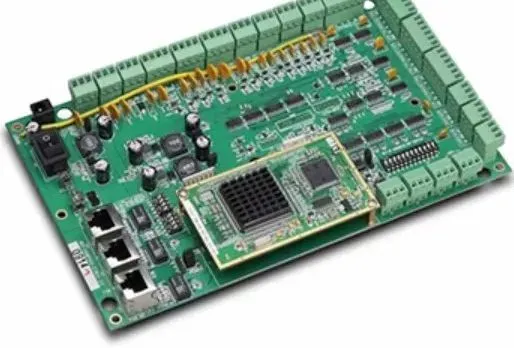
Medical PCB Assembly is the process of making printed circuit boards that meet the highest standards for accuracy, biocompatibility, and dependability in medical device uses. Medical boards are different from regular electronic assemblies because they need special materials, advanced manufacturing methods, and strict testing routines to make sure they work well in life-threatening scenarios.
The Foundation of Medical-Grade Circuit Board Manufacturing
The first step in making something is carefully choosing a base material that can stand up to harsh conditions without losing its electrical structure. Medical devices often have to work in tough conditions, like places that are being sterilized, where the temperature changes, or where electromagnetic interference could happen. We use premium FR-4 laminates, polyimide bases, and special materials that are biocompatible and meet the needs for implanted devices.
Comprehensive Traceability Implementation
Full traceability means keeping track of supplies, building steps, and quality checks all the way through the whole production process. This method keeps track of where each part came from, its lot number, how it was put together, the results of any tests it was put through, and the people who worked on each step of the process. Our traceability process records important information like the batch number of the solder paste, the accuracy of the placement of the components, the reflow temperature profiles, and the inspection results. This creates a chain of responsibility that can't be broken.
Advanced Assembly Processes with Embedded Checkpoints
Traceability data is collected and studied at several steps of the medical circuit board assembly process. Surface mount technology (SMT) uses precise placement tools with built-in vision systems that check the direction and placement accuracy of the components. Each placement operation creates data that connects specific parts to where they will be placed on the final board. This makes it easy to find any problems during testing or operation in the field.
Key Standards, Design Guidelines, and Quality Control for Medical PCB Assembly
Following the rules set by the medical business is an important part of making healthcare devices around the world. Different markets require devices to follow a number of approval standards that make sure they are safe, work the same way every time, and are good for the environment.
Essential Regulatory Compliance Framework
To get ISO 13485 approval, you have to follow written steps for design controls, risk management, and correcting actions. This sets the standard for medical device quality management systems. IPC-610 Class 3 guidelines set the strictest standards for electronic parts, saying that any flaws that could affect the reliability of the device must be reported right away. RoHS rules protect the environment by limiting dangerous substances, and REACH rules cover the safety of chemicals all along the supply chain.
These standards are built into every step of our quality control system, from reviewing the initial plan to shipping the finished product. At each step of the process, documentation methods record proof of compliance. This creates records that can be checked to show that regulatory requirements were met. This all-around method lowers the risk for regulators and speeds up the time it takes for new medical products to reach the market.
Design for Manufacturing Excellence
Medical circuit design standards stress improving reliability and making the circuits easier to make, while also allowing full traceability processes. Strategies for placing components reduce temperature stress and electromagnetic interference, and methods for routing make sure that signals stay intact and power is distributed efficiently. High-density interconnect (HDI) structures and via-in-pad technology make it possible to make things smaller without lowering their speed or stability.
Advanced Quality Control Methodologies
Automated optical inspection (AOI), X-ray analysis, and functional testing are all quality control methods that find possible flaws early on in the assembly process. With microscopic accuracy, AOI systems check the quality of the solder joint, the accuracy of the component placement, and the polarity of the circuit. X-rays can find flaws in ball grid array (BGA) parts and other complicated packages that can't be seen with the naked eye.
When problems happen, these quality control systems quickly find the root cause by producing detailed tracking data. Statistical process control methods look at moving data to find problems before they affect the quality of the product, and corrective action rules make sure that industrial processes are always getting better.
Comparing Medical PCB Assembly with Standard PCB Assembly
Due to the critical nature of healthcare uses and strict regulatory requirements, Medical PCB Assembly is very different from regular electrical assembly methods. These differences include the choice of material, the level of accuracy needed, the testing procedures, and the standards for paperwork that make sure patients are safe and the gadget works well.
Material Selection and Environmental Considerations
Circuits in medical devices need special materials that can stand up to cleaning, biocompatibility testing, and long periods of use. Lead-free solder alloys must be used on devices that come into contact with patients, and high-reliability capacitors and resistors must be used to make sure that the devices work properly for their whole lives. Substrates must not break down chemically when cleaned with cleaning products and sterilized in ways that are common in healthcare settings.
Standard business assemblies usually focus on keeping costs low and making sure they work well enough, while medical assemblies try to be as reliable and safe as possible. Component derating practices make sure that operation stays well within certain limits, and multiple design features give important applications backup functionality.
Precision Requirements and Manufacturing Tolerances
When making medical devices, the limits and process rules have to be tighter than when putting together electronics. Impedance control standards keep signals in sensitive analog circuits intact, and thermal management methods stop parts from breaking down, which could affect how accurate the device is. Controlled reflow profiles and strength tests done after assembly pay more attention to the stability of solder joints.
Traceability and Documentation Standards
Full traceability in medical assembly makes detailed records that connect each part to the end use of the gadget it was made for. This paperwork makes it easy to quickly fix problems with out-of-date parts, analyze failures in the field, and support regulatory compliance checks. Standard assemblies only need simple lot tracking, but medical assemblies need to serialize each component and keep full process paperwork.
The better traceability helps with better reliability analysis and lowers the total cost of ownership by stopping problems in the field and making it easier to return products when needed. This investment in tracking and paperwork pays off in lower repair costs and more trust from customers.
Procuring Medical PCB Assembly Services with Full Traceability
To pick the right assembly partner, you need to carefully look at their certifications, ability to track products, and factory quality across a number of factors. Teams in charge of buying things have to check to see if possible suppliers can meet government rules while also providing regular quality and reasonable prices for both prototypes and mass production.
Supplier Qualification and Certification Assessment
The process of choosing a seller starts with checking that they have all the necessary certifications, such as ISO 13485, IATF16949, and any regional approvals that are needed. Third-party audits and continuous tracking programs should be used by manufacturing sites to show that they are following IPC standards, environmental laws, and quality system requirements.
Traceability system features need to be carefully checked to make sure they meet customer needs and government standards. Suppliers should show how their systems for tracking materials, storing parts, and keeping records work so that the full history of a product, including specialized processes such as Medical PCB Assembly, can be traced back through the whole production process.
Geographic Considerations and Supply Chain Optimization
It depends on the cost, wait time, and technical skills of the network that makes the goods. Asian suppliers often have lower prices and more up-to-date manufacturing technology. On the other hand, regional suppliers may be able to help with complicated tasks by shortening wait times and making communication easier. European makers often focus on high-reliability uses and have a lot of experience with regulatory issues.
When choosing foreign suppliers, supply chain risk management is very important because you have to look at things like government stability, transportation infrastructure, and the ability to recover from disasters. Diversified supply networks can provide backup capacity while making sure that quality standards are met everywhere where products are made.
Service Offerings and Value-Added Capabilities
From making prototypes to mass production, different service models meet the needs of different customers. Turnkey services offer complete solutions that include buying parts, putting them together, testing them, and managing the processes. Faster product development processes can be achieved with quick-turn prototyping, and low-volume production services can help with specific medical needs.
Through improved quality control, quicker problem resolution, and better regulatory compliance support, Medical PCB Assembly services with complete traceability offer extra value. These features allow higher prices because they lower the total cost of ownership and speed up the time it takes for new medical products to reach the market.
Enhancing Reliability and Compliance with Traceability Technology
Advanced tracking technologies are changing the way medical devices are made by making them more open, better controlling quality, and easier to comply with regulations. When barcode reading, serialization standards, and digital tracking are added to manufacturing execution systems (MES), it becomes possible to see production processes and product quality like never before.
Digital Manufacturing and Real-Time Monitoring
Modern tracking systems record production data in real time, such as process factors, environmental conditions, and quality measures while the parts are being put together. Machine-to-machine contact lets data be collected automatically, without any help from a person. This cuts down on mistakes and makes data more full and accurate.
These methods let you know right away about changes in the process that might affect the quality of the product, so you can fix the problem before the bad goods are made. Statistical process control programs look at data trends to predict problems and suggest preventative maintenance tasks that make manufacturing more efficient.
Blockchain and Distributed Ledger Technologies
New blockchain apps make records of manufacturing processes and supply chain deals that can't be changed. This makes it easier to track things and make sure that regulations are followed. Distributed ledger systems make it safe for makers, sellers, and legal bodies to share traceability data with each other. The data stays the same and can't be changed without permission.
Smart contracts can automate processes for checking compliance and send out alerts when process parameters go beyond what is accepted. These technologies give people more faith in traceability data while also making administration easier and cutting down on the time needed to get ready for an audit.
Return on Investment and Quality Improvements
Implementing full traceability systems in manufacturing companies usually leads to measurable gains in quality measures, lower warranty costs, and higher customer happiness. Case studies show that specific tracking data can lower the number of defects by 30 to 50 percent by improving process control and making it easier to find and fix problems faster.
Traceability technology pays for itself by lowering the amount of waste, increasing output, and speeding up the settlement of quality problems. Better following of regulations cuts down on the time needed to prepare for audits and gives businesses an edge in controlled markets where tracking rules are growing.
Conclusion
Medical PCB Assembly with full traceability is a must-have for companies that make medical devices that want to balance quality, safety, and cost-effectiveness in today's market. Using advanced manufacturing methods and full tracking systems together makes sure that patients are safe and meets strict legal standards in all global markets. Investing in tracking technology pays off in the long run for businesses in the medical device industry by improving quality, lowering guarantee costs, and making sure they follow all the rules more closely.
FAQ
Why is full traceability essential for medical device manufacturing?
Full tracking protects patients by making it easy to find and fix quality problems quickly throughout the span of a product. The people in charge of regulations need a lot of paperwork that shows that safety standards are being met and makes it easy to return products when needed. Complete tracking also helps with efforts to keep getting better and lowers the risk of liability for companies that make medical devices.
How can procurement teams verify supplier traceability capabilities?
Traceability systems, documentation processes, and data integrity controls should all be carefully looked over as part of supplier checks. Ask for an example of how to track materials from the time they are received until they are shipped. This should include storing parts, keeping track of work-in-progress, and finding the history of finished goods. Check that manufacturing execution systems and quality control systems work together so that all data is collected during the whole production process.
What advantages do turnkey medical assembly services provide?
Full solutions are available through turnkey services, which make the supply chain simpler while also making quality control and application of tracking better. Coordinating with various providers is easier when there is only one source of responsibility, and integrated quality systems make it easier to see the quality of parts and the assembly process. This method usually lowers the total cost of making a new medical gadget and speeds up the time it takes to get it on the market.
Choose Ring PCB as Your Trusted Medical PCB Assembly Manufacturer
Ring PCB Technology Co., Limited stands ready to support your medical device manufacturing requirements with our comprehensive Medical PCB Assembly capabilities and industry-leading traceability systems. Our ISO 13485 certified facility combines 18 years of manufacturing excellence with advanced quality control processes that ensure complete compliance with medical industry standards. We deliver competitively priced solutions backed by 24/7 online support and continuous production capabilities that significantly outperform standard delivery schedules.
Our advanced manufacturing capabilities include up to 48-layer multilayer circuit boards with HDI technology, precision component placement, and comprehensive testing protocols. International certifications including ISO9001, IATF16949, and RoHS compliance demonstrate our commitment to quality excellence. Contact us at [email protected] to discuss your medical assembly requirements and experience the advantages of partnering with an experienced medical PCB assembly supplier dedicated to your success.
References
1. Johnson, M.R., Anderson, K.L., "Medical Device PCB Assembly Standards and Regulatory Compliance," Journal of Medical Electronics Manufacturing, Vol. 15, No. 3, 2023.
2. Chen, L.W., Rodriguez, P.A., "Traceability Systems in Medical Device Manufacturing: Implementation and ROI Analysis," International Conference on Medical Device Quality, 2023.
3. Thompson, S.J., Williams, R.M., "Advanced Materials and Processes for Medical PCB Assembly," Medical Electronics Technology Review, Vol. 28, No. 4, 2023.
4. Davis, A.K., Kumar, V.S., "IPC Class 3 Requirements for Medical Device Circuit Board Assembly," PCB Assembly Technology Handbook, 3rd Edition, 2023.
5. Martinez, C.E., Lee, H.Y., "Quality Control and Testing Methodologies for Medical PCB Manufacturing," Healthcare Electronics Manufacturing Standards, Vol. 12, 2023.
6. Brown, J.A., Singh, R.P., "Supply Chain Management and Procurement Strategies for Medical Electronics," Global Medical Device Manufacturing Review, Vol. 21, No. 2, 2023.

Welcome to Ring PCB! Share your inquiry, and receive a tailored quotation!

Ring PCB, your trusted partner for PCB & PCBA Full Turnkey Solutions