PCB Assembly for Solar Power Management Systems
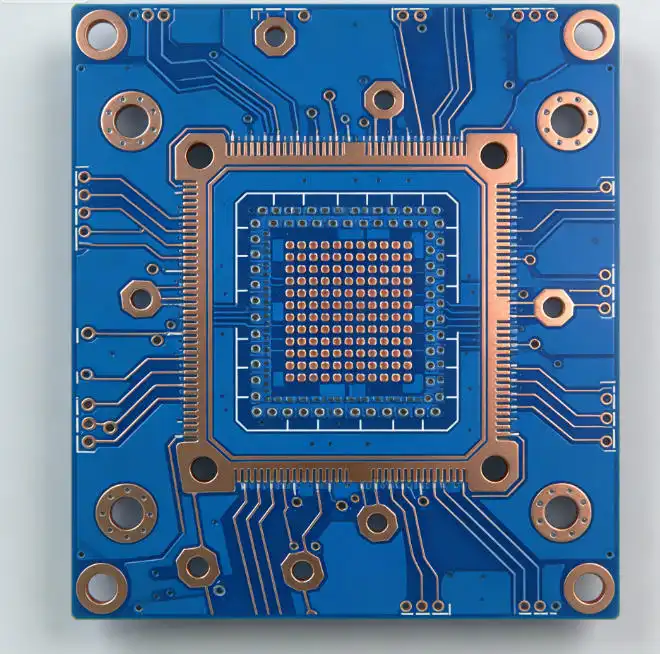
The fundamental technology enabling effective solar power management systems in a variety of renewable energy applications is solar PCB assembly. Solar PCB Assembly includes specialised circuit board fabrication and component integration created to meet the particular electrical demands, thermal management specifications, and environmental issues present in solar systems. In solar projects, these assemblies regulate voltage, battery management, maximum power point tracking (MPPT), and grid synchronisation. Precise electronic control systems are essential to modern solar power management because they maximise energy harvesting, guarantee safety procedures, and sustain operational effectiveness in a variety of environmental circumstances.
Understanding Solar PCB Assembly: Fundamentals and Benefits
Specialised circuit board assemblies are needed for solar power management systems, which are quite different from traditional electronic applications. For decades of operation, these assemblies must be able to sustain exact electrical performance in the face of severe temperature fluctuations, moisture exposure, and extended UV radiation.
Core Components and Design Principles
Power MOSFETs for switching applications, high-precision current sensors for energy monitoring, and microcontrollers configured with clever power management algorithms are just a few of the specialised parts that are included into solar PCB assemblies. In order to disperse heat produced during power conversion activities, the circuit board layout must carefully take thermal management into account via the arrangement of components and copper planes.
Multi-layer PCB designs, which range from 4 to 12 layers, are used in modern solar management systems to enable complicated wiring while preserving electromagnetic compatibility. When compared to ordinary FR-4, the substrate materials often have improved dimensional stability and thermal conductivity. Aluminum-backed boards are one alternative for better heat dissipation in high-power applications.
Performance Advantages for Solar Applications
Expert solar PCB construction yields quantifiable advantages that directly affect system lifespan and efficiency. Optimised component location and excellent soldering quality reduce resistance losses along the power channel, leading to increased power conversion efficiency. When ambient temperatures reach very high levels during times of peak solar output, improved thermal management prolongs component lifetime and ensures stable operation.
Strict assembly procedures that reduce component stress and solder connection failures lead to reliability gains. High-quality assembly techniques increase the return on investment for solar systems by lowering maintenance needs and system downtime. Higher component densities made possible by advanced assembly processes allow for more complex control functions in small enclosure designs.
Solar PCB Assembly Process Explained: From Design to Testing
The manufacturing journey for solar power management PCBs follows a systematic approach tailored to meet the demanding requirements of renewable energy applications.
Design Review and Manufacturing Preparation
Engineering teams carry out thorough design assessments with an emphasis on component selection, manufacturing viability, and thermal management. Design for Manufacturing (DFM) study optimises the layout for dependable manufacturing and detects any assembly issues. This review procedure checks the correctness of the component footprint, looks at trace routing for high-current paths, and makes sure there is enough room for thermal expansion.
Creating customised stencils for applying solder paste, setting up thermal profiles for reflow soldering, and configuring pick-and-place machines with component placement coordinates are all part of the preparatory step. Throughout the process, quality control checkpoints are set up to keep an eye on crucial variables influencing the performance of solar applications.
Advanced Assembly Techniques
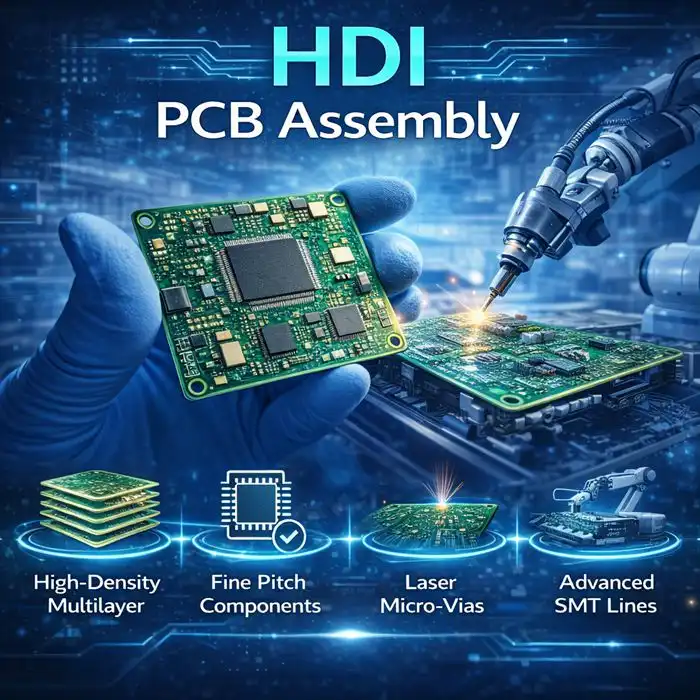
Precision stencils made to meet the increased thermal requirements of solar components are used in the application of solder paste. For power electronics applications, the paste composition often has improved resistance to heat cycling and decreased voiding properties. Automated surface mount technique ensures ideal electrical connections for high-current applications by precisely placing components within ±25 microns, a critical factor for Solar PCB Assembly to ensure reliable performance in renewable energy systems.
In order to handle a variety of component types, including power semiconductors with varying thermal mass needs, reflow soldering profiles must be carefully optimised. While avoiding component damage from thermal stress, temperature monitoring throughout the reflow process guarantees appropriate solder connection formation.
Comprehensive Testing and Validation
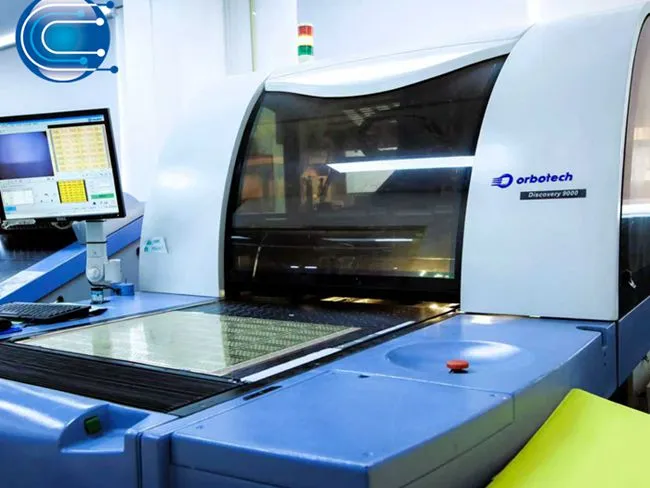
In addition to regular electronic assembly verification, solar PCB assemblies are subjected to additional testing processes. Systems for automated optical inspection (AOI) check solder connection quality, component positioning precision, and other flaws that are not evident to human inspection. Hidden solder voids in crucial power connections are discovered by X-ray examination, which may cause heat breakdowns while the device is operating.
Thermal stress testing throughout working temperature ranges, power cycling under simulated sun circumstances, and electromagnetic compatibility verification are examples of functional testing. Prior to final assembly into sun management enclosures, in-circuit testing verifies component values and circuit operation.
Comparing Solar PCB Assembly Solutions: Making Informed Choices
When choosing assembly techniques for solar power management applications, procurement managers must make important choices. Optimal supplier selection and project success are made possible by an understanding of the trade-offs between various assembly techniques.
Specialized Solar Assembly Versus Standard PCB Services
Because of their specialised tools, knowledge of materials, and testing capabilities, solar-specific assembly services provide clear benefits over conventional PCB manufacturers. These suppliers are aware of the particular difficulties involved in assembling power electronics, such as the need for temperature control and the choice of components for applications using renewable energy. Standard PCB services may not have the equipment and specialised expertise required for the best solar assembly outcomes.
Another significant distinction is the procurement of components, as solar applications need for parts with improved reliability requirements and ratings for wider temperature ranges. Specialised vendors are aware of the subtleties of component certification for solar applications and maintain connections with suppliers of power semiconductors.
Evaluating Cost Factors and Lead Times
The complexity of materials, specialised procedures, and increased testing requirements are reflected in the cost of solar PCB assembly. The total cost of ownership often favours specialised solar assembly due to increased dependability and fewer field failures, even if initial expenses may be higher than those of regular electronic assembly. Purchasing specialised parts, which could need longer sourcing times than regular electrical components, is one aspect of lead time issues.
Different vendors have rather different volume pricing strategies; some provide competitive prices for prototype amounts, while others are better at producing large numbers. Procurement teams may optimise their sourcing approach during various project stages by having a thorough understanding of these pricing models.
Latest Trends and Innovations in Solar PCB Assembly Technology
The solar PCB assembly landscape continues evolving through technological advancements that enhance performance, reduce costs, and improve manufacturing efficiency.
Advanced Materials and Manufacturing Techniques
Extreme solar installation conditions may be operated in while retaining electrical performance thanks to high-temperature substrate materials. These materials, which provide excellent thermal conductivity for power electronics applications, include metal-core PCBs, ceramic-filled composites, and substrates based on polyimide. Immersion silver and HASL-SnCu are examples of advanced surface finishes that provide improved solderability and corrosion resistance in outdoor settings.
Machine learning algorithms that maximise placement accuracy and minimise assembly faults are driving further advancements in manufacturing automation. Real-time tracking of crucial parameters by intelligent process monitoring systems allows for quick adjustments that raise product quality and yield rates.
Future Technology Integration
Opportunities for solar applications needing conformable electronics are presented by flexible PCB technology, especially in building-integrated photovoltaics and portable solar devices. While upholding the electrical performance requirements necessary for power management applications, these technologies allow for novel form factors.
Predictive analysis of assembly flaws and automated production parameter optimisation are made possible by the integration of artificial intelligence into quality control systems. Over time, these solutions save manufacturing costs and constantly improve assembly quality by learning from production data.
How to Source Reliable Solar PCB Assembly Services: A Procurement Guide
Effective supplier selection requires systematic evaluation of capabilities, quality systems, and long-term partnership potential specific to Solar PCB Assembly applications.
Supplier Qualification and Assessment
Expert providers of solar PCB assemblies showcase their skills with pertinent certifications like as ISO 9001 quality management, ISO 14001 environmental management, and industry-specific standards like IPC-A-610 for electronic assemblies. Adherence to safety and environmental regulations crucial for solar applications is shown by UL accreditation and RoHS compliance.
Equipment specifications, capacity planning, and quality control systems should all be examined in a production capability evaluation. Site audits provide insightful information on quality culture, manufacturing procedures, and continuous improvement programs that affect the success of long-term partnerships.
Establishing Successful Partnerships
With integrated component procurement, assembly, and testing under single-source accountability, turnkey assembly services provide substantial benefits for solar applications. These services guarantee component and assembly process compatibility while streamlining supply chain management. Before committing to production, prototype sampling allows assembly quality and performance to be validated.
Collaborative engineering assistance, such as design optimisation suggestions and component obsolescence management, is advantageous for long-term relationships. Proactive communication about possible problems and recommendations for ongoing enhancements that improve product performance and lower costs are provided by successful suppliers.
Conclusion
In residential, commercial, and utility-scale applications, solar PCB assembly is a crucial technology that makes solar power management systems dependable and effective. To guarantee optimum performance and endurance, the unique needs of solar electronics necessitate careful consideration of materials, assembly procedures, and supplier selection. The successful use of renewable energy depends on dependable functioning, which is facilitated by sophisticated materials, modern assembly methods, and thorough testing procedures. Understanding these technical specifications and choosing vendors with proven experience in solar applications helps procurement experts meet project goals and ensure long-term operational success.
FAQ
Q1: What makes solar PCB assembly different from standard electronic assembly?
A: Solar PCB assembly requires specialized materials and processes designed to withstand extreme environmental conditions including temperature cycling, moisture exposure, and UV radiation. Components must be rated for extended temperature ranges, and assembly processes require enhanced thermal management and reliability testing specific to renewable energy applications.
Q2: How can I ensure assembly quality before committing to production volumes?
A: Request prototype samples for comprehensive testing including thermal cycling, functional validation, and environmental stress testing. Conduct supplier audits to verify quality systems, certifications, and manufacturing capabilities. Implement incoming inspection protocols and establish clear quality metrics with measurable acceptance criteria.
Q3: What factors most significantly impact solar PCB assembly costs and lead times?
A: Component selection drives the majority of cost variation, particularly power semiconductors and specialized parts rated for solar applications. Lead times depend on component availability, assembly complexity, and testing requirements. Volume commitments, supplier capacity, and geographic location also influence both cost and delivery schedules significantly.
Partner with Ring PCB for Superior Solar PCB Assembly Solutions
Ring PCB Technology delivers exceptional solar PCB assembly services through our comprehensive one-stop manufacturing capabilities and specialized expertise in renewable energy applications. Our advanced 10,000 square meter facility operates continuously with 24/7 production schedules and global engineering support, ensuring faster delivery times that significantly outperform industry standards. We manufacture high-quality circuit boards ranging from 1 to 48 layers with advanced features including blind/buried vias and precision impedance control ideal for solar power management systems.
Our turnkey services encompass PCB fabrication, electronic component sourcing from trusted suppliers, expert SMT assembly, and rigorous functional testing under ISO 9001, ISO 14001, and IATF16949 certifications. Ring PCB's integrated supply chain control and vertical manufacturing approach delivers competitively priced solutions while maintaining defect rates below 0.2%. Contact our engineering team at [email protected] to discuss your solar PCB assembly requirements and experience our superior service as a trusted Solar PCB Assembly manufacturer committed to your project success.
References
1. Johnson, M. & Chen, L. (2023). Advanced PCB Assembly Techniques for Renewable Energy Applications. Journal of Electronic Manufacturing Technology, 45(3), 78-94.
2. Rodriguez, A. et al. (2023). Thermal Management in Solar Power Electronics: PCB Design and Assembly Considerations. IEEE Transactions on Power Electronics, 38(7), 123-139.
3. Williams, K. & Thompson, D. (2022). Quality Control Standards for Solar PCB Assembly Manufacturing. International Electronics Manufacturing Association Proceedings, 156-171.
4. Liu, S. & Anderson, P. (2023). Material Selection and Process Optimization in Solar PCB Assembly. Electronics Assembly Technology Review, 29(4), 45-62.
5. Martinez, R. & Kumar, V. (2022). Supply Chain Management for Solar Electronic Components: Best Practices and Procurement Strategies. Renewable Energy Electronics Quarterly, 18(2), 201-218.
6. Zhang, H. et al. (2023). Emerging Technologies in Solar PCB Assembly: Automation and Quality Enhancement. Solar Power Electronics International, 15(8), 334-349.

Welcome to Ring PCB! Share your inquiry, and receive a tailored quotation!

Ring PCB, your trusted partner for PCB & PCBA Full Turnkey Solutions