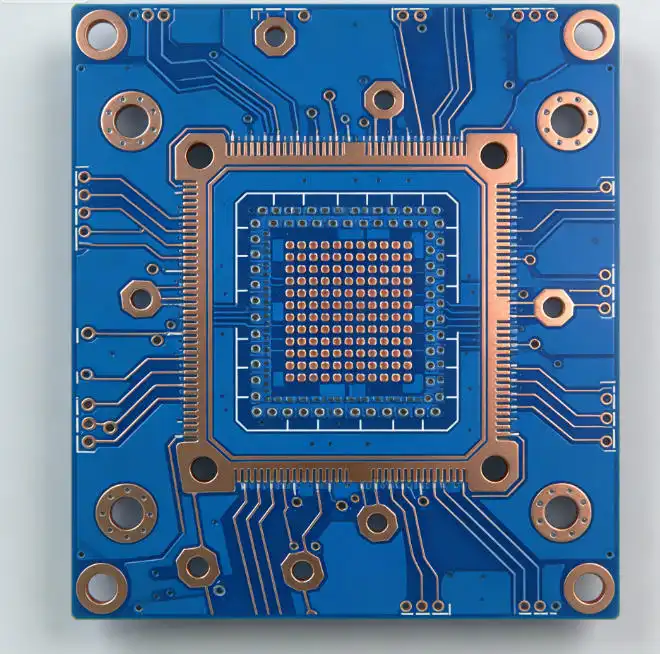
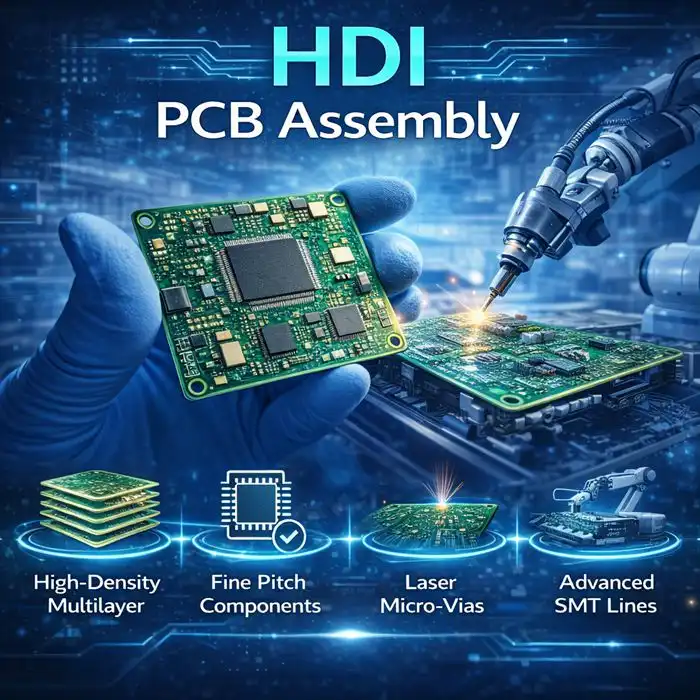
For German wholesalers to come up with good PCBA OEM sourcing strategies, they need to know a lot about manufacturing partnerships, quality standards, and how to make the supply chain work better. German distributors are under more and more pressure to offer high-quality electronics at prices that are competitive and meet strict European compliance requirements. This guide looks at tried-and-true ways to build strong relationships between PCBA OEMs and businesses that help them grow and improve their operations in the tough German market.
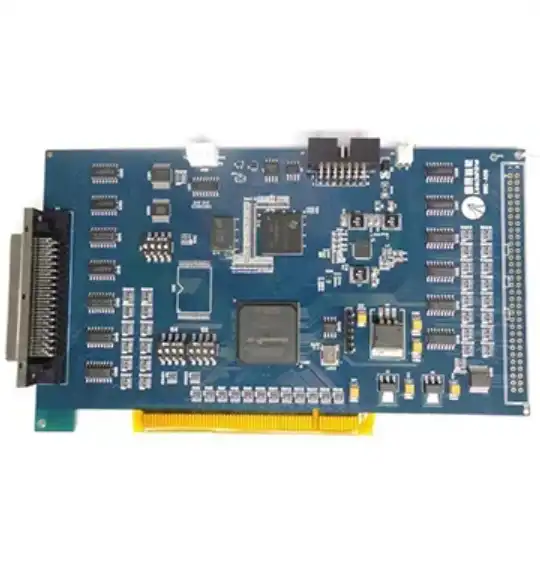
Understanding PCBA OEM and Its Importance for German Distributors
PCBA OEM stands for "Printed Circuit Board Assembly Original Equipment Manufacturing." This is a business strategy in which distributors work with specialized makers to make custom electronic assemblies under their own brand name. This model is becoming more and more important for German distributors who work in a wide range of fields, from medical devices to car electronics.
Core Benefits of PCBA OEM Partnerships
Working together with PCBA OEM has benefits beyond just cutting costs. German wholesalers can use cutting-edge technologies for making things without having to spend a lot of money on them. Because of these relationships, production can be scaled up or down to meet changing market needs while still meeting quality standards.
Surface Mount Technology (SMT), Through-Hole Technology (THT), and mixed-technology assemblies are some of the advanced methods used in PCBA OEM manufacturing excellence. Modern facilities use high-tech tools like LDI laser exposure systems and vacuum lamination technology to make sure that the production of complex layered boards is done accurately.
Quality Standards and Compliance Requirements
German distributors need to give more weight to sellers who meet strict certification requirements. Partner relationships that you can rely on are built on ISO9001 quality control systems, IATF16949 automotive standards, and RoHS compliance. These certificates make sure that manufacturing methods are consistent and that companies are responsible with the environment.
Following IPC-6012 Class 3 requirements for high-reliability applications is part of meeting international standards. This is especially important for distributors that work with the medical, aerospace, and automobile industries, where failure rates must stay below 0.2% (the average for the industry is 1%).
Comparative Analysis: PCBA OEM vs Alternative Sourcing Options
There are a lot of things that need to be carefully thought through when comparing different sourcing options. These include cost structures, quality control methods, and operational flexibility. German distributors have to think about these things in light of their own business goals and how they want to place themselves in the market.
PCBA OEM Versus ODM Manufacturing
Compared to Original Design Manufacturing (ODM), PCBA OEM gives you more control over the design and better safety for your intellectual property. Distributors keep control of the product specs while using the manufacturer's knowledge to make production more efficient. This design helps brands stand out and lets custom features be added.
ODM partnerships speed up the time it takes to market for standard goods, but they make it harder to make changes to them. The two types of cost structures are very different. OEM usually needs a bigger starting investment but can produce more in the long run.
In-House Assembly Considerations
For in-house assembly to work, a lot of money needs to be spent on tools, building structures, and skilled workers. German sellers need to figure out if their own skills are worth the extra money compared to hiring someone else to do it. Risk factors include technology becoming obsolete, capacity usage, and the cost of following regulations.
When you outsource your PCBA OEM arrangements, you give the manufacturing risks to specialized partners and get access to the newest technologies and process improvements. With this method, wholesalers can focus their resources on their main skills, like sales, marketing, and managing relationships with customers.
Practical Sourcing Strategies for PCBA OEM in the German Market
For PCBA OEM sourcing to work, potential partners must be carefully considered, and clear procurement methods must be in place. Structured approaches that put quality, dependability, and the possibility of a long-term relationship at the top of the list help German distributors.
Supplier Evaluation Criteria
Verification of production capabilities is the first step in a good supplier evaluation. Production capacity, technology level, and quality control methods are some of the most important things to think about. Advanced factories should be able to show that they can handle high-density stack-up designs that support boards with 2–48 layers and both blind and hidden vias.
Geography affects how well operations work and how well communication works. Global sourcing can save you money, but regional partnerships may help you be more flexible and fit in better with the culture. European providers are better at following rules and have shorter supply chains.
Procurement Process Optimization
Streamlining the steps needed to buy things makes things more efficient and cuts down on lead times. Usually, the process starts with creating clear specifications. Next, requests for quotes from suppliers are made, and their abilities are evaluated. Before committing to full production, sample production and testing make sure that the standard of the manufacturing process.
When negotiating a contract, the minimum order quantity, payment terms, and quality promises should all be talked about. Flexible arrangements can adapt to changing demand trends and keep costs low for large orders. After-sales support agreements spell out what the warranty covers and how to get expert help.
How to Verify and Build Trust with PCBA OEM Suppliers?
Trust establishment requires comprehensive due diligence and ongoing relationship management. German distributors must implement systematic verification processes to ensure supplier reliability and performance consistency.
Certification and Quality Verification
Supplier qualification begins with certification validation and facility audits. Legitimate manufacturers provide documentation for quality certifications, environmental compliance, and industry-specific approvals. Third-party verification services can confirm certification authenticity and manufacturing capability claims.
Quality assurance verification includes review of testing procedures, equipment calibration records, and defect tracking systems. Advanced suppliers employ comprehensive testing protocols including X-ray inspection, Automated Optical Inspection (AOI), and thermal cycling validation.
Performance Monitoring and Relationship Development
Ongoing supplier performance monitoring ensures continued quality and delivery reliability. Key performance indicators include on-time delivery rates, quality metrics, and responsiveness to technical inquiries. Regular communication maintains alignment on expectations and identifies improvement opportunities.
Collaborative relationships enable joint problem-solving and process optimization. Experienced suppliers provide Design for Manufacturing (DFM) and Design for Assembly (DFA) guidance that reduces production costs and improves product reliability. This technical support becomes particularly valuable during new product development phases.
Ring PCB: Your Trusted PCBA OEM Partner
Ring PCB delivers comprehensive PCBA OEM solutions designed specifically for German distributors seeking reliable manufacturing partnerships. Our integrated approach combines advanced manufacturing capabilities with exceptional customer service and quality assurance.
Advanced Manufacturing Capabilities
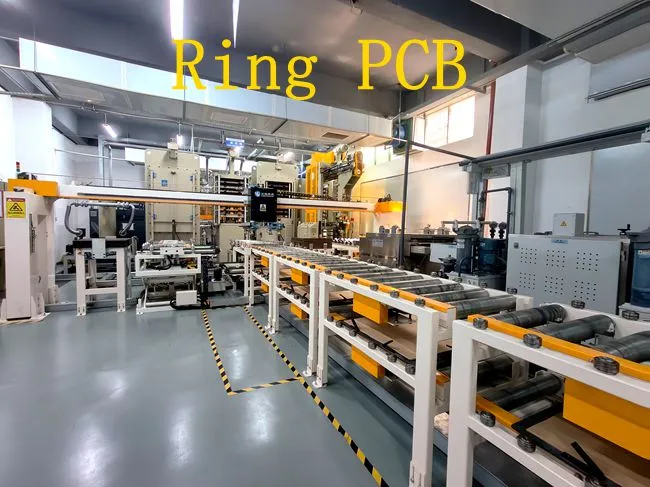
Our state-of-the-art facility features cutting-edge equipment including LDI laser exposure systems, vacuum lamination technology, and flying probe testers. These advanced technologies enable production of complex multilayer boards ranging from 2 to 48 layers with precise impedance control within ±7% tolerance.
Manufacturing expertise extends to high-density designs with 3/3mil trace and spacing capabilities, supporting applications in 5G communications, industrial control systems, medical devices, and automotive electronics. Our self-owned facility ensures complete supply chain control and consistent quality delivery.
Comprehensive Quality Assurance
Quality excellence forms the foundation of our PCBA OEM services. Our triple quality assurance system combines AOI testing, impedance verification, and thermal cycling validation to achieve defect rates below 0.2%. This performance significantly exceeds industry standards and ensures reliable product delivery.
Certification compliance includes ISO9001, IATF16949, and RoHS standards, providing confidence for distributors serving regulated industries. Our adherence to IPC-6012 Class 3 specifications supports high-reliability applications requiring exceptional performance standards.
Conclusion
German wholesalers can only successfully source PCBA OEMs if they choose the right strategic partners, check the quality of their products thoroughly, and keep up with their relationships. As the world of electronics changes, companies that make electronics need to find partners that can use cutting-edge technology, guarantee quality, and provide quick customer service. Successful distributors look for suppliers with a lot of certifications, a track record of success, and a collaborative approach to product creation. In the tough German goods market, spending money on carefully evaluating suppliers and building relationships with them gives you a long-term edge.
FAQ
What lead times should German distributors expect for PCBA OEM orders?
Typical lead times range from 2-4 weeks for standard assemblies, with prototype orders often completed within 5-7 days. Rush orders can be accommodated with expedited processing, though costs may increase. Lead times depend on complexity, component availability, and order volume.
How can distributors ensure quality before committing to large volume orders?
Quality verification should include sample testing, facility audits, and certification review. Request pilot runs of 10-50 units for comprehensive testing before volume production. Verify supplier quality systems including AOI testing, X-ray inspection, and functional validation protocols.
What certifications are most important for German distributors?
Essential certifications include ISO9001 for quality management, RoHS for environmental compliance, and industry-specific standards like IATF16949 for automotive applications. UL certification may be required for certain product categories, while IPC standards ensure manufacturing process compliance.
Partner with Ring PCB for Superior PCBA OEM Solutions
Ring PCB stands ready to transform your distribution business with industry-leading PCBA OEM manufacturer services tailored for the German market. Our products are competitively priced, and our expedited service offers 24/7 online support with continuous production 7 days a week, significantly outperforming standard delivery times for a more efficient experience. We utilize up to 48-layer multilayer circuit boards with international ISO certifications and advanced manufacturing technologies. Our comprehensive turnkey solutions combine PCB fabrication, component sourcing, and assembly services with DFM optimization to reduce costs and accelerate time-to-market. Contact us at [email protected] to discuss your specific requirements and discover how our expertise can elevate your product offerings in the competitive German electronics market.