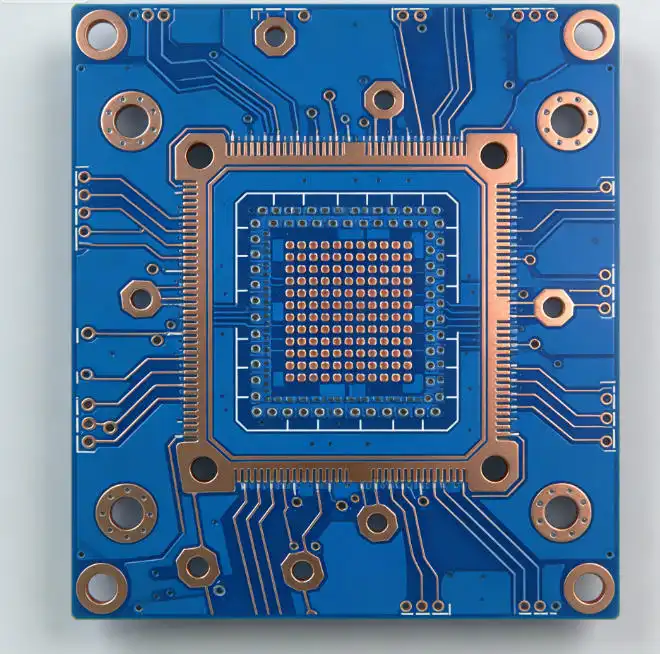
Reducing PCB Assembly Defects Through Proper Testing
Achieving outstanding PCB Assembly Quality in today's demanding production environment relies heavily on reducing PCB assembly flaws through effective testing. Thorough testing processes are crucial for retaining competitive advantages, as manufacturing mistakes can cost organizations as much as 15% of their whole production budget. Manufacturers and their clients are safeguarded from expensive reworks, late deliveries, and compromised product reliability in a wide range of industries by implementing strong quality assurance frameworks that are a byproduct of effective testing methodologies.
Understanding PCB Assembly Defects and Their Root Causes
Several types of defects are encountered by manufacturing professionals, and these defects can have a major influence on production results and customer satisfaction. Procurement management and engineering teams can better address certain risks in their assembly processes by understanding these flaws and developing targeted prevention methods.
Common PCB Assembly Defects in Manufacturing
PCB assembly defects encompass numerous issues that can compromise product functionality and reliability. When components migrate from their intended locations during reflow soldering, a common issue known as component shift occurs. When components float on top of molten solder, it can lead to misalignment. This happens frequently when the geometry of the parts and pads are not properly matched or when thermal control is not effective during assembly
Open joints, bridges, and inadequate solder covering are examples of solder joint faults, which are another important class of issues. Inadequate flux application, dirty surfaces, or incorrect reflow profiles are common causes of these problems. As a consequence of not applying enough heat during soldering, a device's performance could be negatively affected by cold solder junctions, which seem dull and gritty
Concerns about the long-term durability of constructed boards are raised by corrosion caused by flux residues. Even while flux compounds make soldering easier by lowering oxide production, boards can still have organic acid residue if cleaning isn't done properly. Overall PCB Assembly Quality might be significantly affected by these residues because of their acidic qualities, which erode copper traces and component leads over time, especially in humid operation situations
Environmental and Process Factors Contributing to Defects
It is crucial for manufacturers to have strict control over process variables and environmental factors since they are common causes of assembly failures. The quality of the connection formation, the precision with which components are placed, and the behavior of the solder paste are all impacted by changes in humidity and temperature that occur during assembly. Contamination or oxidation can threaten solderability if components and materials are not stored adequately.
Inadequate reflow profiles, wrong pick-and-place programming, and faulty stencil design are all process-related issues. Small changes in one area can have a domino effect on other areas, leading to major quality problems, because of how these variables interact with each other. When production teams are aware of these connections, they may take preventative actions that deal with the causes, not the symptoms.
The Role of Proper Testing in Reducing PCB Assembly Defects
Throughout the production lifecycle, comprehensive testing procedures are essential for decreasing defect rates and ensuring consistent quality standards. While keeping production costs low, modern testing procedures offer many checkpoints that detect possible flaws at various stages, ensuring that only defect-free items reach consumers.
Visual and Automated Inspection Technologies
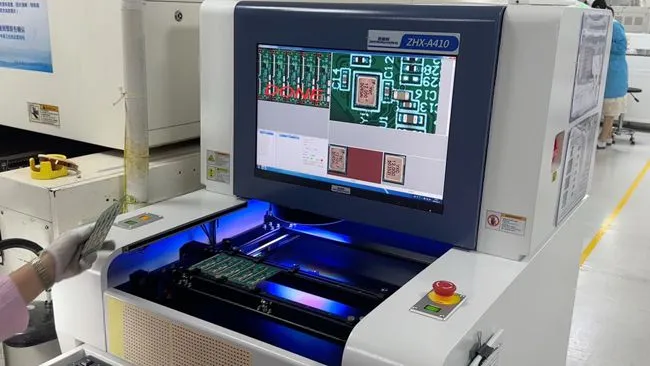
Although automated optical inspection (AOI) systems offer improved accuracy and consistency, visual inspection is still a key testing approach. As a substitute for human inspectors, AOI systems use high-resolution cameras and complex algorithms to spot surface flaws, solder joint abnormalities, and incorrectly placed components. These systems can quickly process boards and keep full records of inspection outcomes.
Hidden solder junctions, especially those under ball grid array (BGA) components and other high-density packages, can be examined with X-ray inspection's unique capabilities. Surface inspection is insufficient for detecting voids, bridges, and inadequate solder conditions; this non-destructive testing procedure discloses them. High PCB Assembly Quality is ensured by the use of advanced X-ray equipment, which offer three-dimensional imaging for accurate defect diagnosis and root cause analysis.
Flexible in-circuit testing capabilities are provided via flying probe testing, which does not require bespoke fixtures. Moveable test probes are used in this method to check fundamental functioning, component values, and electrical connectivity across all constructed boards. When fixture costs are too high, as they would be for low-volume production or prototypes, this solution shines.
Electrical and Functional Testing Methods
The bed-of-nails fixtures used in in-circuit testing (ICT) provide for thorough electrical verification of component values, connections, and fundamental functionality. This approach is incredibly fast and accurate in detecting assembly problems, missing components, and wrong values. Also, information and communication technology systems check that components are positioned correctly, which can detect flaws that a human eye could overlook.
By subjecting the assembled boards to real-world operational circumstances, functional testing verifies full system operation. If you want to be sure that your circuits are working properly and find any small problems that static electrical tests could miss, this is the way to go. Analog performance verification for mixed-signal systems and boundary scan techniques for sophisticated digital circuits are commonplace in functional testing.
Best Practices for Improving PCB Assembly Quality Through Testing
Systematic methods that incorporate testing into every step of production are essential for implementing quality improvement initiatives that actually work. Consistent performance, cost efficiency, and satisfying delivery promises are all aided by these approaches.
Quality Control vs. Quality Assurance Frameworks
Unlike quality assurance, which aims to prevent faults through process improvement and regular monitoring, quality control focuses on finding and repairing defects after they have already occurred. Keeping assembly quality is important for both methods, but quality assurance is more beneficial in the long run because it gets to the bottom of things instead of just treating the symptoms.
There should be well-defined protocols for inspecting materials, keeping tabs on processes, and striving for constant improvement in quality assurance programs. Statistical process control methods are a common component of such programs; they monitor critical metrics and spot patterns before they lead to faulty goods. To keep quality systems effective and up-to-date with changing requirements, audits and evaluations of processes should be conducted often.
By giving quick feedback on manufacturing results, quality control operations supplement quality assurance. The procedure begins with the inspection of arriving materials and components and continues through the monitoring of assembly in progress and finally the final inspection prior to export. Robust systems that consistently sustain high-quality output are created by combining proactive quality assurance with reactive quality management.
Advanced Testing Tools and Techniques
Artificial intelligence and machine learning capabilities are integrated into modern testing equipment to enhance the accuracy of defect identification while minimizing the rates of false positives. These high-tech devices can adjust to different component types or types of defects by learning from inspection data and improving their algorithms. Better inspection results with less need for human intervention are the end outcome.
By integrating various inspection techniques at strategic times throughout the assembly process, multi-stage testing processes offer thorough coverage. In this method, the paste is inspected after stencil printing, the component placement is verified after mounting, and thorough testing is performed after reflow soldering. Superior PCB Assembly Quality is ensured at each stage by catching particular error types while minimizing corrective expenses.
By linking production records with testing data, traceability systems allow for in-depth examination of quality trends and quick responses to new problems. Complete documentation for quality investigations and customer needs can be provided by these systems, which follow individual boards through the whole production process.
Choosing Reliable PCB Assembly Quality Testing Services and Partners
It is important to thoroughly assess the testing partner's skills, credentials, and industry expertise when choosing them. The correct collaboration can offer cost-effective solutions that help businesses achieve their goals while also greatly improving the quality of the results.
Certification and Compliance Requirements
A testing partner's competence and dedication to quality might be better gauged by looking at their industry certifications. Both the ISO 9001 and IATF 16949 certifications attest to the company's commitment to systematic quality management, but the former is more tailored to the needs of the automotive sector. It is recommended that companies making medical devices look for business associates who have the ISO 13485 accreditation, which pertains to medical device quality systems.
To ensure that all suppliers and consumers have the same expectations when it comes to quality, technical standards like IPC-A-610 outline the requirements for electronic assembly acceptance. You can trust the testing services provided by partners more when they show they understand these standards and keep their certifications up to date.
As products enter worldwide markets with different needs, the ability to comply with regulations becomes more vital. Partners need to show that they are familiar with environmental rules like RoHS and REACH as well as industry standards for things like aircraft, medicine, and cars.
Evaluating In-House vs. Third-Party Testing Options
For high-volume production or products with particular requirements, in-house testing offers direct control over operations and rapid access to data. Nevertheless, advanced testing technologies necessitate specialized knowledge and can entail a large investment in equipment, training, and upkeep.
If you don't have the funds to invest in state-of-the-art equipment and expert knowledge in-house, you can still benefit from testing services provided by third parties. For prototype testing, low-volume production, or rare, specialized needs, these services might be invaluable. The most important thing is to locate partners who are responsive and have a good grasp of the unique needs of your sector.
When it comes to regular testing, hybrid approaches leverage in-house resources while outsourcing to third parties for more complex needs. Costs are optimized while essential quality milestones are maintained with this technique. To achieve a happy medium between adaptability and cost-effectiveness, this strategy is used by many prosperous firms.
Conclusion
A thorough strategy that takes into account both the technical and operational obstacles is necessary to reduce PCB assembly defects through appropriate testing. A well-designed testing program will incorporate several inspection techniques, provide explicit quality standards, and keep improvement processes going strong to meet changing needs. Reduced rework costs, more customer satisfaction, and a better reputation for PCB Assembly Quality and Dependability are all benefits of investing in the right testing infrastructure and relationships. Companies that put an emphasis on systematic testing methods are better able to weather the storm of rising quality standards in today's cutthroat business climate.
FAQ
What are the most effective testing methods for different production volumes?
High-volume production typically benefits from automated inspection systems such as AOI and ICT, which provide fast, consistent results with detailed documentation. Low-volume and prototype production often uses flying probe testing and manual inspection methods that avoid fixture costs while maintaining thorough coverage.
How frequently should quality checks be performed during manufacturing?
Quality checkpoints should occur at critical stages including incoming material inspection, post-placement verification, post-reflow inspection, and final functional testing. The specific frequency depends on product complexity, volume, and customer requirements, but most manufacturers implement checks after each major process step.
Can testing protocols be customized for specific industry standards?
Testing protocols can be tailored to meet automotive, medical, aerospace, and other industry-specific requirements. This customization includes compliance with relevant standards, specialized test procedures, and documentation requirements that support regulatory submissions and customer audits.
Partner with Ring PCB for Superior PCB Assembly Quality Solutions
Ring PCB Technology Co., Limited delivers comprehensive testing services that ensure exceptional PCB Assembly Quality for manufacturers seeking reliable supplier partnerships. Our advanced inspection capabilities include AOI, X-ray, and functional testing systems that maintain defect rates below 0.2%, significantly outperforming industry averages. As a certified manufacturer with ISO9001, IATF16949, and RoHS compliance, we provide 24/7 production support and expedited services that reduce standard delivery times while maintaining superior quality standards.
Our 48-layer multilayer circuit board capabilities and full turnkey solutions streamline your supply chain from fabrication through final assembly, ensuring the highest standards for PCB Assembly Quality manufacturers. Contact our engineering team at [email protected] to discuss your specific testing requirements and discover how our proven quality assurance processes can enhance your product reliability and manufacturing efficiency.
References
1. Smith, J.A., "Advanced Testing Methodologies for Electronic Assembly Quality Assurance," Journal of Manufacturing Excellence, 2023.
2. Chen, L.K., "Statistical Analysis of PCB Assembly Defects and Prevention Strategies," International Electronics Manufacturing Review, 2022.
3. Rodriguez, M.P., "Automated Optical Inspection Systems: Performance Evaluation and Best Practices," Electronic Assembly Technology Quarterly, 2023.
4. Thompson, R.D., "Quality Management Systems for Electronic Manufacturing: Implementation and Optimization," Manufacturing Quality Standards Publication, 2022.
5. Williams, S.T., "X-Ray Inspection Techniques for Hidden Solder Joint Analysis," Advanced Electronics Testing Journal, 2023.
6. Anderson, K.L., "Cost-Benefit Analysis of Testing Strategies in PCB Assembly Operations," Production Engineering Research, 2022.

Welcome to Ring PCB! Share your inquiry, and receive a tailored quotation!

Ring PCB, your trusted partner for PCB & PCBA Full Turnkey Solutions