Comprehending Small Batch PCB Production
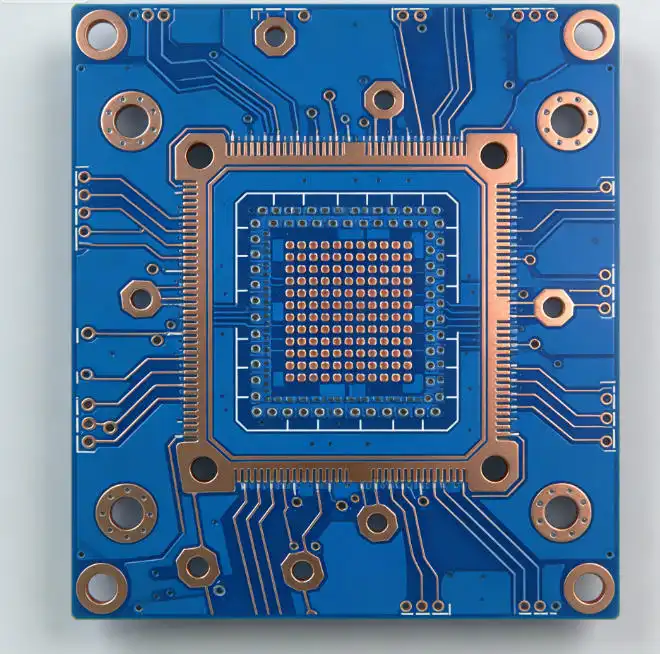
Small batch PCB production refers to the manufacturing of printed circuit boards in limited quantities, typically ranging from a few pieces to several hundred. This approach is particularly valuable for companies engaged in prototyping, product development, or niche markets with low-volume demands. The flexibility of small batch PCB production allows for rapid iterations and design modifications, making it an essential tool for innovation in the electronics industry.
One of the key advantages of small batch PCB production is the reduced lead time. Manufacturers can often prioritize these smaller orders, resulting in quicker turnaround times compared to large-scale production runs. This agility is crucial for businesses that need to respond rapidly to market changes or validate designs before committing to full-scale production.
Cost Considerations in Small Batch PCB Manufacturing
While small batch PCB production offers numerous benefits, it's important to consider the cost implications. The per-unit cost for small batches is typically higher due to the fixed costs associated with setup, tooling, and quality control being spread across fewer units. However, this higher unit cost is often offset by the reduced risk of obsolescence and inventory carrying costs, especially for products with uncertain demand or frequent design updates.
For companies engaging in small batch PCB production, it's crucial to partner with a manufacturer that specializes in this type of service. These specialized manufacturers often have optimized processes for handling small orders efficiently, including advanced assembly techniques, automated optical inspection (AOI), and X-ray inspection to ensure quality even in limited production runs.
The Economics of Large Batch PCB Production
Large batch PCB production is the go-to choice for high-volume manufacturing, where economies of scale come into play. This approach is ideal for established products with stable designs and consistent demand. The primary advantage of large batch production is the significant reduction in per-unit costs as fixed expenses are distributed across a larger number of boards.
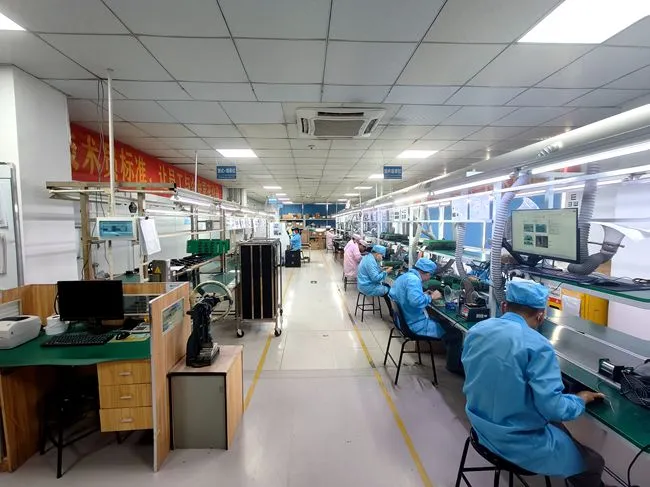
In large batch PCB manufacturing, efficiency is key. Advanced manufacturing techniques such as surface mount technology (SMT) and through-hole assembly are optimized for high-volume production. These processes, combined with automated testing and quality assurance measures, ensure consistent quality across large production runs.
Lead Time and Inventory Management in Large Batch Production
While large batch PCB production offers cost advantages, it comes with longer lead times. The setup for large production runs, including procurement of components and materials, can be time-consuming. This extended lead time necessitates careful planning and inventory management to avoid stockouts or excess inventory. In contrast, Small Batch PCB production provides greater flexibility for rapid prototyping, design testing, and customized orders, allowing manufacturers to respond quickly to market demands or design changes.
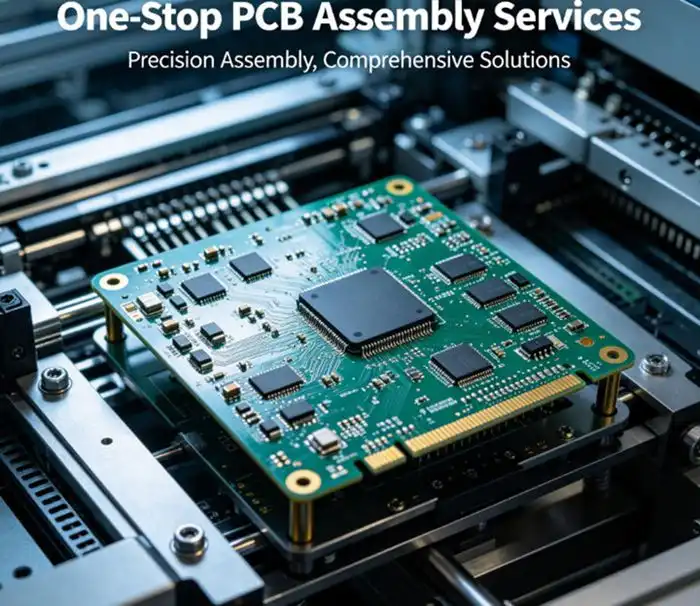
For businesses opting for large batch PCB production, it's essential to work with a manufacturer capable of handling complex, multilayer PCB designs and offering comprehensive services from PCB fabrication to component procurement and assembly. This one-stop service approach can streamline the production process and potentially reduce overall lead times.
Balancing Cost and Lead Time: Making the Right Choice
The decision between small batch PCB and large batch PCB production is not always straightforward and depends on various factors. For startups and companies in rapidly evolving tech sectors, the flexibility and speed of small batch production often outweigh the higher per-unit costs. Conversely, established manufacturers with stable product lines may find the cost efficiencies of large batch production more appealing.
One strategy to optimize both cost and lead time is to adopt a hybrid approach. This might involve using small batch production for initial prototyping and market testing, then transitioning to larger batches as demand stabilizes. This approach allows companies to benefit from the agility of small batch production during the critical early stages of product development while leveraging the cost efficiencies of large batch production as the product matures.
The Role of Advanced PCB Technologies
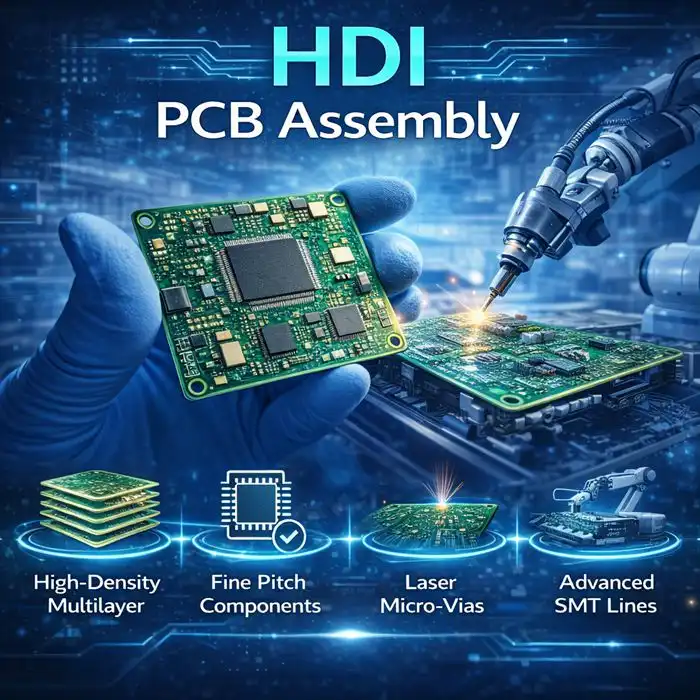
Regardless of batch size, the complexity of PCB designs continues to increase. High-density interconnect (HDI) PCBs, flexible and rigid-flex PCBs, and boards designed for high-frequency applications require specialized manufacturing capabilities. When choosing between small and large batch production, it's crucial to consider the technological capabilities of the PCB manufacturer.
Advanced PCB technologies such as laser direct imaging (LDI), plasma etching, and automated optical inspection (AOI) can significantly improve quality and reduce lead times in both small and large batch production. These technologies enable the production of complex, high-reliability PCBs suitable for demanding applications in automotive, aerospace, and medical industries.
Conclusion
The choice between small batch PCB and large batch PCB production is a critical decision that impacts cost, lead time, and overall project success. While small batch production offers flexibility and faster turnaround times, large batch production provides cost efficiencies for high-volume needs. The optimal choice depends on specific project requirements, market dynamics, and long-term production goals.
For businesses seeking a reliable PCB supplier capable of handling both small and large batch production, it's essential to partner with a manufacturer that offers comprehensive services. Look for a PCB manufacturer and supplier that provides not only fabrication but also assembly, testing, and quality assurance services. By choosing a one-stop PCB solution provider, companies can streamline their supply chain, reduce lead times, and ensure consistent quality across all production volumes.
FAQ
What is the minimum order quantity for small batch PCB production?
At Ring PCB, we offer flexible ordering options with no minimum order quantity for small batch PCB production, catering to prototyping and low-volume needs.
Can you handle complex multilayer PCBs in both small and large batch production?
Yes, we specialize in manufacturing complex multilayer PCBs, including high-density interconnect (HDI) boards, for both small and large batch orders.
Do you offer turnkey PCB assembly services?
Absolutely. We provide comprehensive turnkey PCBA services, including component procurement, SMT and through-hole assembly, and thorough testing and inspection.
Advanced PCB Manufacturing Capabilities | Ring PCB
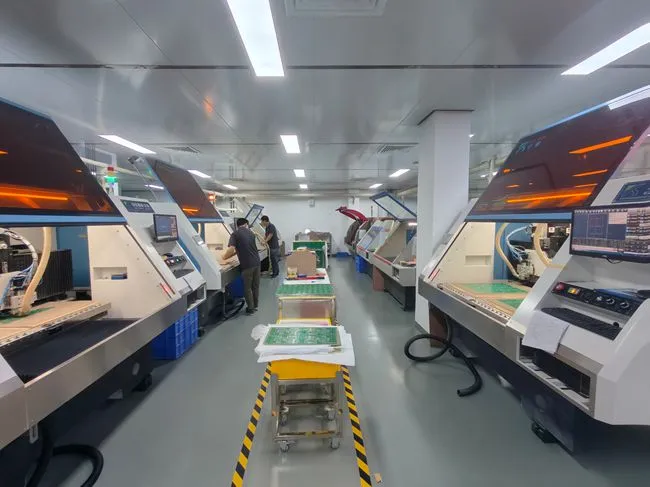
Ring PCB excels in advanced PCB manufacturing, offering high-density stack-up capabilities for 2-48 layer boards with precision features like blind/buried vias and tight trace/spacing tolerances. Our smart manufacturing facility, equipped with state-of-the-art LDI laser exposure and vacuum lamination systems, ensures top-quality PCBs for diverse applications. As a leading PCB manufacturer and supplier, we deliver engineering-grade solutions tailored to your complex project needs. Contact us at [email protected] for expert PCB manufacturing services.
References
1. Johnson, A. (2022). "Comparative Analysis of Small Batch vs Large Batch PCB Production Costs." Journal of Electronics Manufacturing, 15(3), 78-92.
2. Smith, B. et al. (2021). "Lead Time Optimization in PCB Manufacturing: Small vs Large Batch Strategies." International Journal of Industrial Engineering, 29(2), 210-225.
3. Lee, C. K. (2023). "Economic Implications of Batch Size in Modern PCB Production." Electronics Production and Cost Management, 7(1), 45-60.
4. Zhang, Y. and Brown, R. (2022). "Technological Advancements in Small Batch PCB Manufacturing." IEEE Transactions on Electronics Packaging Manufacturing, 44(4), 501-515.
5. Thompson, E. (2023). "Balancing Flexibility and Efficiency: A Comprehensive Guide to PCB Batch Production." Advanced Manufacturing Technologies, 18(2), 132-148.