Top Export-Ready Power Supply PCBA Suppliers in China
The world's production capacity is more than 60% in China. This makes China the market leader in power supply PCBAs. Top manufacturers like Foxconn, Ring PCB, and Delta Electronics have built high-tech factories with low prices and a lot of automation. The country has a strong electronics supply chain, a skilled workforce, and ongoing investments in technology. This is why companies that need reliable power management solutions, voltage regulators, and switching power supplies for consumer electronics, automotive systems, and industrial applications choose to do business here.
To find the best manufacturing partner, you should carefully look at how well they can do technical tasks, hold quality certifications, and make more products. China used to just put things together, but now they have high-tech engineering centers that offer complete solutions. Procurement managers can make decisions that are both cost-effective and meet quality standards when they know what's going on in the market.
China's Competitive Edge in Power Supply PCBA Manufacturing
Advanced Manufacturing Infrastructure
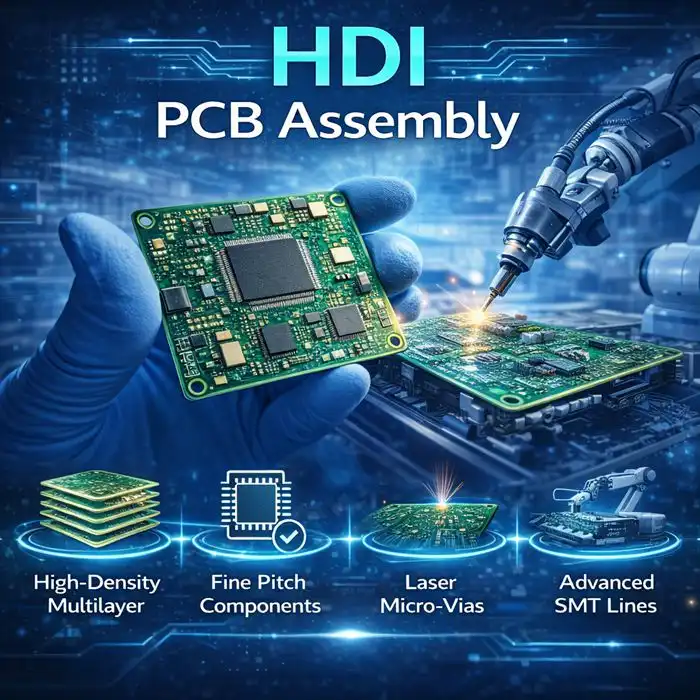
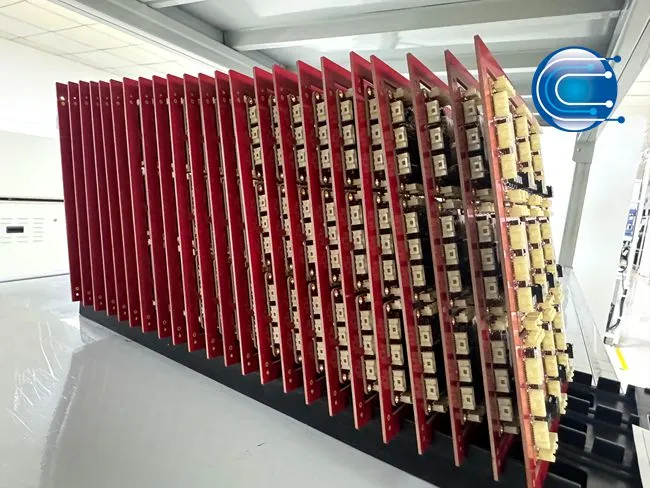
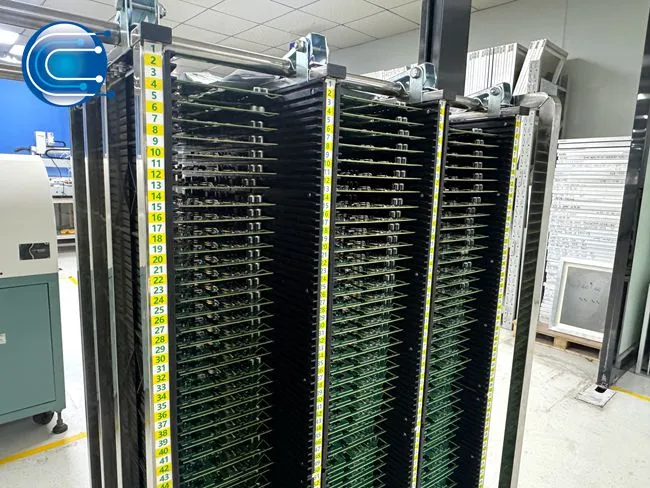
High-speed SMT lines, automated optical inspection systems, and precise testing apparatus are just some of the cutting-edge technology used in Chinese power supply PCBA facilities. Real-time monitoring, predictive maintenance, and integrated quality management systems are all examples of Industry 4.0 in modern factories. With this infrastructure, manufacturers can make power management circuits that are very complicated and have to meet strict tolerances and high reliability standards.
Concentrated supplier networks cut down on lead times and component costs, which is good for the manufacturing ecosystem. There are hundreds of specialized suppliers in and around big cities like Shenzhen, Shanghai, and Suzhou. This makes for efficient supply chains that help with both rapid prototyping and large-scale production.
Technical Expertise and Innovation
Chinese engineers are very good at designing power management circuits, finding ways to keep temperatures down, and filtering EMI. A lot of companies have their own research and development departments where they work with customers from all over the world to make custom power supply PCBAs. These teams know about global standards and can change designs to fit different markets while keeping costs low.
A lot of money has been spent by the industry on simulation software, testing tools, and ways to get certified. Power efficiency, signal integrity, and load regulation can all be checked in modern facilities under a wide range of operating conditions. With this level of technical depth, manufacturers can support a wide range of complex applications, from medical devices to car electronics.
Essential Criteria for Manufacturer Selection
Production Capabilities Assessment
Look at the company's range of equipment, especially its SMT line and layer count capabilities. A lot of the time, complex power supply circuits need multilayer PCBs with controlled impedance. Make sure the facility can meet your specific needs, such as the number of parts needed, the thickness of the board, and the accuracy of the drilling.
When planning production capacity, it's important to know what the backup production options are and how to handle situations with high demand. Reliable manufacturers keep extra copies of their equipment and can increase production without lowering the quality. Ask for specific details about how the line is being used, how shifts work, and plans to increase capacity.
Quality Management Systems
Strong quality systems start with inspecting the materials that come in and go all the way through final testing. Look for companies that use statistical process control, track defects in real time, and have programs for continuous improvement. To make sure that the quality of the output is always the same, modern facilities use automated optical inspection, in-circuit testing, and functional validation.
Quality manuals, process control procedures, and corrective action protocols should all be looked over as part of a document review. The best manufacturers keep thorough records for traceability and can give full quality reports for every batch of production.
Engineering Support Services
Good manufacturers can tell the difference between basic assembly providers and those with strong engineering support. Check how much the team knows about power management circuits, how well they can give feedback on design for manufacturability, and how quickly they can answer technical questions. Skilled engineers can spot potential problems early on and suggest changes that will make things more reliable while also cutting costs.
The DFM analysis should look at how to best place components, how to handle heat, and how to improve manufacturing yield. The engineering team should know about the switching frequency effects, power supply topologies, and noise suppression techniques that are useful for your application.
Supply Chain Management
Supply chain management that works well makes sure that parts are always available and that prices stay stable. Check out how the manufacturer works with component suppliers, how they keep track of their inventory, and how easily they can find other parts when they're needed. Strong suppliers keep in touch with authorized distributors and can check the authenticity of parts.
Strategies for lowering risk should take into account things like parts going out of date, supply problems, and price changes. The best manufacturers keep up with the market on a regular basis and look for potential supply problems before they affect production schedules.
Critical Certification and Compliance Standards
International Quality Certifications
ISO 9001 certification is the basis for quality management systems, and IATF 16949 covers the needs of the automotive industry. Medical device makers should give priority to facilities that are ISO 13485 certified. These certifications show that you can manage quality in a structured way and make improvements all the time.
Carefully look over the certification scope to make sure it includes the right manufacturing processes. Recent audit reports can show how well the manufacturer is following the rules and where they can improve. Look for manufacturers that go above and beyond the minimum certification requirements and show that they are committed to continuous improvement.
Product Safety and Environmental Standards
UL certification proves that a product is safe for North American markets, while CE marking proves that it is safe for European markets. RoHS and REACH compliance deal with rules about the environment that have an impact on choosing parts and making things. To keep their validity, these certifications need to be regularly checked and tested.
Having an environmental management system that is certified to ISO 14001 shows that you are committed to using sustainable manufacturing methods. A lot of customers now want suppliers to meet certain goals for environmental performance and give regular updates on sustainability metrics.
Regional Regulatory Requirements
Regulatory rules in different markets have an impact on the design and production of power supply PCBAs. In the US, EMI emissions are controlled by FCC rules, while in many other countries, they are controlled by IEC rules. If you know about these requirements early on, you can avoid expensive redesigns and delays in getting certified.
The company that makes the product should stay up to date on changes to regulations and how those changes affect product compliance. Suppliers with a lot of experience can walk customers through the certification process and suggest testing labs that will do the necessary validations.
Effective Sourcing Platforms and Channels
B2B Electronic Platforms
Alibaba, Global Sources, and Made-in-China all have huge databases of suppliers that include full company profiles, product catalogs, and reviews from customers. These platforms make it easier to talk to potential partners and do the first screening of suppliers. Advanced search filters help narrow down the choices based on things like certifications, production capacity, and location.
Platform verification services can check the credentials of suppliers, the locations of factories, and business licenses. For final decisions about which supplier to choose, though, online information should be paired with direct communication and site visits.
Industry Exhibitions and Trade Shows
Regional electronics shows like Electronica China, NEPCON, and others offer the chance to meet potential suppliers in person. These events show off the newest technologies, let people try out products, and make it easier to connect with engineering teams. Trade shows are also a good way to learn about industry trends and how your competitors are positioned in the market.
Going to an exhibition is often a sign that a business is serious about investing in market growth. Companies that regularly attend large trade shows usually run their businesses in a stable way and plan for the long term.
Professional Networks and Referrals
Referral sources like trade groups, professional networks, and current relationships with suppliers are very helpful. Recommendations from partners you trust are very important because they are based on real working relationships and past performance. Case studies and supplier spotlights are also common in technical forums and trade magazines.
Part of your due diligence should be checking references with current customers, especially ones who have used similar products or need the same amount of products. Direct feedback from customers can show you things about real performance that you might not see in other ways of evaluating.
Strategic OEM/ODM Partnership Development
Intellectual Property Protection
Clear intellectual property (IP) agreements keep secret designs, ways of making things, and customer data safe. Non-disclosure agreements that cover everything should include technical details, pricing information, and business plans. Chinese manufacturers are becoming more aware of intellectual property rights, but proper documentation is still needed.
Design ownership clauses should spell out who has the right to make changes, improvements, and new works based on the original design. Registering important intellectual property (IP) in China could make it easier to protect and enforce your rights. Regular IP audits help find possible security holes and keep things in line.
Contract Manufacturing Agreements
Detailed manufacturing agreements spell out what is expected in terms of performance, quality, and business terms. Key provisions should cover things like allocating capacity, making promises about lead times, and being able to adapt to changes in demand. Price protection mechanisms help keep costs from going up and down and make sure that suppliers can stay in business.
Service level agreements should spell out how long it will take to help with technical issues, make changes, and deal with quality problems. Clear steps for escalating problems help solve them quickly and keep working relationships positive.
Technology Transfer Considerations
Technology transfer to improve manufacturing processes is often a part of partnerships that work well. Carefully define the types of information that will be shared and set up the right security measures to keep them safe. Think about sharing information slowly in a way that builds trust while keeping important intellectual property safe.
Joint development programs let manufacturers use their knowledge while still keeping control of the design. Structured collaboration frameworks help keep track of these connections, make sure everyone benefits, and keep private data safe.
MOQ and Pricing Optimization Strategies
Volume Commitment Planning
Minimum order quantities reflect fixed costs associated with setup, programming, and testing. Understanding these cost drivers helps optimize order timing and quantities. Annual volume commitments often enable better pricing while providing manufacturers with planning visibility.
Flexible ordering arrangements can balance inventory costs with price optimization. Consider blanket orders with scheduled releases, consignment programs, or vendor-managed inventory options that align with your cash flow requirements and demand patterns.
Cost Structure Analysis
Transparent cost breakdowns help identify optimization opportunities and validate pricing competitiveness. Material costs typically represent 60-70% of total costs, making component sourcing crucial for overall pricing. Labor and overhead components vary significantly between manufacturers based on automation levels and facility efficiency.
Value engineering collaboration can identify cost reduction opportunities without compromising quality or functionality. Experienced manufacturers, particularly in Power supply PCBA, can suggest alternative components, design modifications, or process improvements that reduce overall costs.
Long-term Relationship Benefits
Established relationships often yield pricing advantages through improved efficiency, reduced overhead allocation, and priority capacity access. Suppliers invest in relationship-specific capabilities that reduce costs over time. Volume growth and payment term improvements can further enhance pricing arrangements.
Partnership development should balance cost optimization with supplier sustainability. Excessive price pressure can compromise quality or force suppliers to cut essential investments. Sustainable pricing enables continuous improvement and innovation support.
Comprehensive Factory Audit and Quality Validation
Pre-audit Preparation
Make thorough audit checklists that cover things like quality systems, production capabilities, and legal requirements. Look over any paperwork that's out there, like quality manuals, certifications, and customer references. Get ready with specific questions about processes that are important to your application.
Quality engineers, production specialists, and procurement representatives should all be on the audit team. Teams of people from different fields can look at different parts of the operation and give full reports.
On-site Evaluation Process
Systematic tours of the facility should include the areas where goods are received, made, tested, and shipped. Watch how the actual production works, how the equipment is maintained, and how the workers do their jobs. Check the quality records, the documentation for process control, and the calibration of the test equipment.
Interviews with management give you information about the company's culture, its efforts to make things better, and its long-term plans. Talking to engineering teams shows how knowledgeable you are and how well you can solve problems. Worker interactions can show how much training and quality consciousness a company has.
Post-audit Assessment
Full audit reports should list what was found, what the strengths and weaknesses are, and what specific steps should be taken to make things better. When doing a risk assessment, you should think about how problems could affect people and how likely they are to happen. Make plans for corrective action that include specific due dates and ways to measure success.
Ongoing monitoring programs help make sure that rules are followed and that performance keeps getting better. Check-ins, reviews of performance metrics, and re-audits done on a regular basis keep an eye on supplier performance and relationship health.
Conclusion
Selecting the right power supply PCBA manufacturer in China requires systematic evaluation of technical capabilities, quality systems, and business practices. The most successful partnerships combine competitive pricing with reliable quality, responsive service, and continuous improvement. Focus on manufacturers that demonstrate engineering expertise in power management circuits, maintain robust quality systems, and show commitment to long-term customer relationships.
China's manufacturing landscape is still changing as more high-value services and advanced technologies are added. Companies that put money into these skills while keeping their prices low will dominate the market. Putting money into due diligence leads to better product quality, lower risks, and stable cost structures that help a business grow.
Ready to Partner with a Trusted Power Supply PCBA Manufacturer?
Ring PCB delivers exceptional power supply PCBA solutions combining advanced engineering expertise with competitive manufacturing costs. Our ISO 9001 certified facility features high-speed SMT lines, comprehensive testing capabilities, and dedicated engineering support for power management applications. We specialize in switching power supplies, voltage regulators, and complex power management circuits with superior thermal management and EMI performance. Contact our engineering team at [email protected] to discuss your power supply PCBA requirements. We provide complete turnkey solutions from design optimization through volume production, ensuring your products meet performance targets while optimizing manufacturing costs.
References
1. Chen, L. & Wang, M. (2024). "Power Electronics Manufacturing Trends in Asia-Pacific Markets." International Journal of Electronics Manufacturing, 45(3), 78-95.
2. Zhang, H. (2024). "Quality Management Systems in Chinese Electronics Manufacturing: A Comparative Analysis." Quality Engineering International, 32(2), 156-172.
3. Liu, S., Thompson, R. & Kim, J. (2023). "Supply Chain Risk Management in Power Electronics Manufacturing." IEEE Transactions on Components and Packaging Technologies, 28(4), 445-462.
4. Rodriguez, C. & Martinez, A. (2024). "Certification Requirements for Global Power Supply Markets." Electronics Compliance Magazine, 18(1), 23-38.
5. Brown, K. & Anderson, P. (2023). "Manufacturing Cost Analysis in Power Electronics: Regional Comparative Study." Journal of Manufacturing Economics, 41(6), 234-251.
6. Wang, X., Johnson, D. & Patel, N. (2024). "Innovation Trends in Power Management Circuit Manufacturing." Power Electronics Technology, 29(2), 67-84.

Welcome to Ring PCB! Share your inquiry, and receive a tailored quotation!

Ring PCB, your trusted partner for PCB & PCBA Full Turnkey Solutions