What Are Turnkey PCBA Services and How Do They Work?
Turnkey PCBA Services represent a comprehensive manufacturing solution that transforms your circuit board designs into fully functional, ready-to-use electronic assemblies. These end-to-end services encompass every critical stage of production, from initial PCB fabrication and component procurement to precision assembly, rigorous testing, and final delivery. Unlike traditional manufacturing approaches that require managing multiple vendors, turnkey solutions consolidate the entire supply chain under one provider, delivering streamlined operations, enhanced quality control, and accelerated time-to-market for electronics manufacturers across industries including automotive, medical devices, telecommunications, and industrial automation.
What Are Turnkey PCBA Services and How Do They Work?
Procurement professionals can make better choices about their manufacturing partnerships when they know the basics of complete printed circuit board assembly services. Through combined production processes, these all-in-one solutions turn raw designs into electronic goods that are ready to go on the market.
Complete End-to-End Manufacturing Solutions
Turnkey PCBA Services follow a thorough plan in which makers take care of every part of making circuit boards under one roof. When you give the service provider design files like Gerber data and Bills of Materials (BOMs), they are in charge of turning these standards into working electronic parts. This method gets rid of the hassle of managing multiple providers and makes sure that all steps of production run smoothly together.
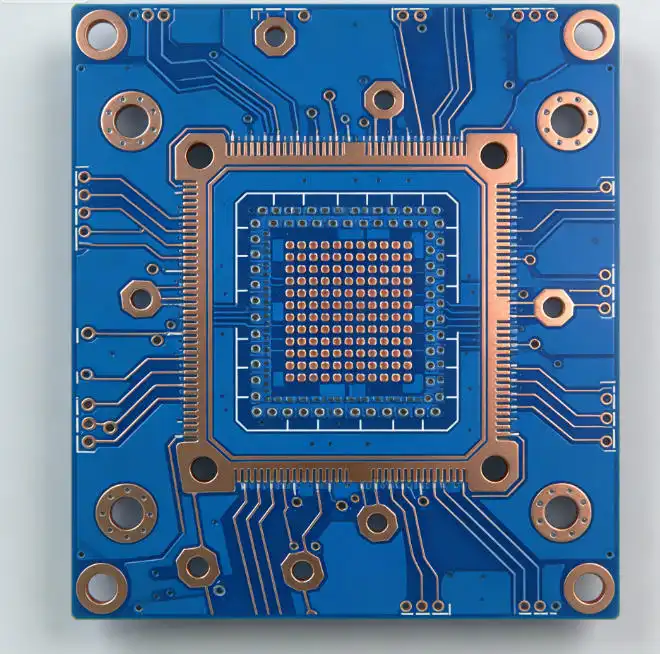
In the first step of the production process, called "bare PCB fabrication," advanced technologies like laser direct imaging (LDI) and vacuum lamination are used to make high-precision circuit boards with designs that range from simple single-layer layouts to complex 48-layer layouts. Modern electronics need to be able to use dense component layouts, which are made possible by advanced stack-up features that allow blind and hidden vias with trace spacing as tight as 3/3 mil.
Integrated Supply Chain Management
Professional turnkey companies have large networks of suppliers that they use to quickly find original parts. This includes resistors, capacitors, microcontrollers, integrated circuits, and other parts that are specific to a job. Established connections with authorized dealers guarantee the validity of the parts, and buying in bulk saves money in ways that individual makers can't do on their own.
Throughout the supply chain, quality control methods include inspecting inbound materials, making sure that parts are correct, and auditing suppliers to make sure that everything stays the same. Advanced inventory management systems keep track of which parts are available and how long it will take to get them. This lets you make smart purchases that keep production from being held up.
Advanced Assembly and Testing Capabilities
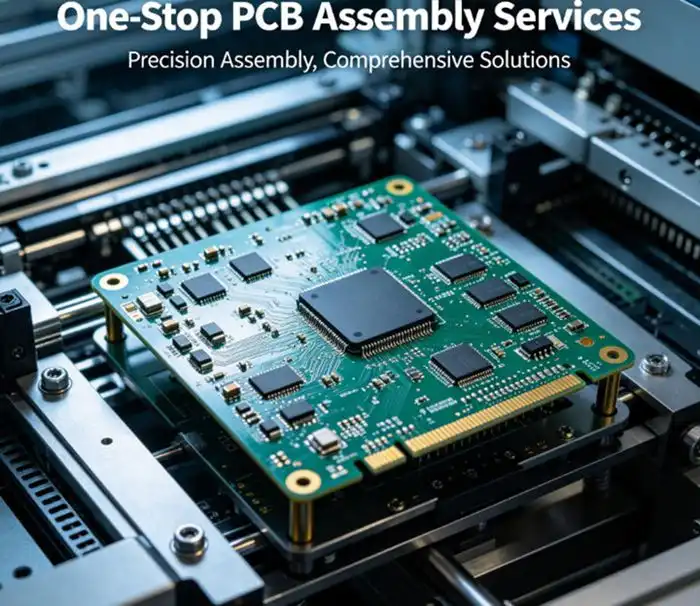
Modern PCBA production is based on surface mount technology (SMT) assembly, which uses high-speed placement tools that can place parts with tiny accuracy. Perfect solder joints are made in reflow ovens with exact temperature profiles, and placement mistakes are found by automated optical inspection (AOI) systems before the final assembly is finished.
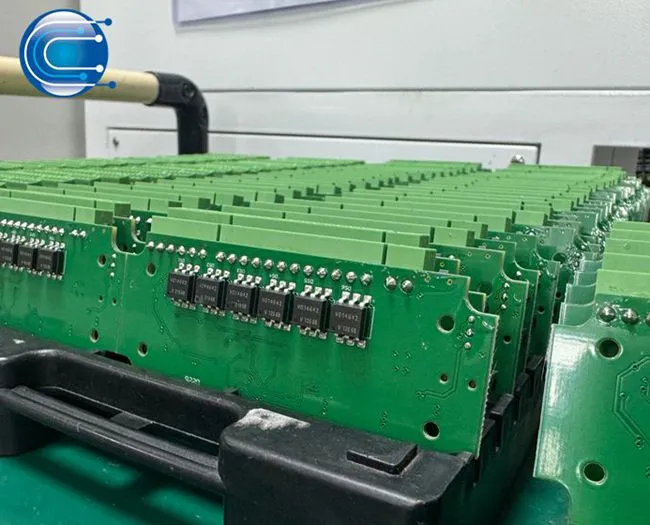
Mixed-technology assemblies can be made with through-hole component placement and selective wave soldering. Specialized methods are used for things like press-fit connectors, heat sink attachment, and cable assembly integration. These complex assemblies often benefit from comprehensive Turnkey PCBA Services, which manage both the component sourcing and the specialized assembly methods. In-circuit testing (ICT), functional validation, and environmental stress screening are all part of thorough testing procedures that make sure a product is reliable in all kinds of operating circumstances.
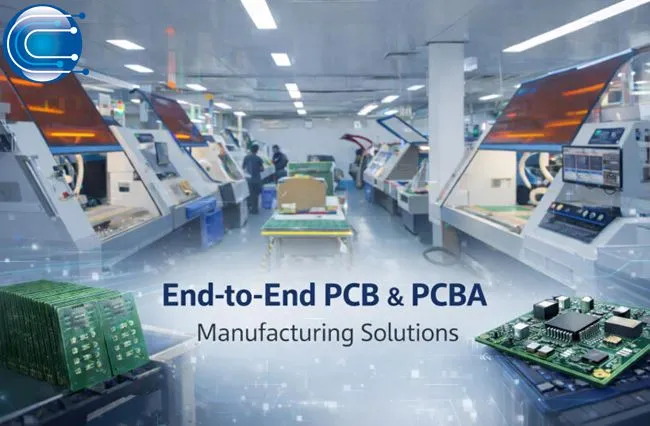
Turnkey PCBA vs Other Assembly Options: How to Choose the Right Service?
Before you can choose the best PCBA service model, you need to know the pros and cons of each production method. Each choice meets a different set of business goals and brings up different issues related to cost, control, and running the company more efficiently.
Comprehensive Service Model Comparison
Full manufacturing duty is given by turnkey assembly, where companies buy parts, store them, put them together, and test them. This plan gives you the most convenience and reduces your risk, but you have to trust your supplier's skills and choices about where to get parts. Assembled fees are often added to the cost of parts, so it's important to know what the prices are so you can plan your budget.
For consignment assembly, buyers provide all the parts, and makers do the assembly and testing. This method gives you more control over component costs and insight into the supply chain, but it also makes buying things more complicated and adds to your inventory management duties. Even though this model has higher running costs, it is often preferred by companies that already have ties with suppliers or need specific parts.
Evaluating Service Model Suitability
Turnkey services are often helpful for prototypes and low-volume production because they make handling easier and lower the minimum order quantity. Engineering teams can focus on making designs better while makers handle the complicated parts of buying things and managing when parts stop working. With rapid prototyping, design changes can be made more quickly, and it takes less time for new products to reach the market.
When making choices about high-volume production, it's important to look at the total cost of ownership, which includes the prices of parts, the costs of keeping stockpiles, and the management of supply chain risk. Companies that are good at buying things may be able to save money by using barter models, but companies that want things to be easy and quick usually prefer turnkey methods.
Different service models and companies have very different quality assurance powers. Problems with parts can be found early in the production process by turnkey makers that have integrated testing capabilities. On the other hand, consignment models may need more organization for the qualification and arriving screening processes for parts.
How to Procure Turnkey PCBA Services Efficiently for Your Business?
To get complete manufacturing services efficiently, you need to plan ahead and think about technical needs, business concerns, and operational limitations. Partnerships that work well together start with clear communication and grow through ongoing work together and improving performance.
Strategic Procurement Planning
For procurement to work well, there needs to be a lot of information about the project, like thorough bills of materials, assembly plans, test specs, and quality requirements. Clear specs cut down on confusion, allow for accurate quotes, and make it easier for production to move from one stage to the next. Having engineering support during the buying step helps make designs better so they can be made and cost less.
Minimum order quantity talks are important for balancing cost-effectiveness with inventory flexibility. This is especially true for goods whose demand patterns change seasonally or without warning. Before agreeing to large-volume orders, sample production and test runs let you check that the supplier can meet your needs and make processes better.
Streamlined Communication and Documentation
Professional sellers offer specialized project management tools to make it easier to communicate during the whole process of buying and making something. Regular progress updates, reviews of milestones, and creative problem-solving help keep projects on track and find ways to make them better. These project management benefits are often amplified when engaging a partner for comprehensive Turnkey PCBA Services, as it integrates both the supply chain and production oversight. Having access to technical advice lets you make design changes that lower costs and make things easier to make.
Complete paperwork, such as assembly directions, test methods, and inspection standards, makes sure that the quality of production stays the same from one order to the next. Version control systems keep track of changes to designs and keep traceability throughout the lifespan of a product. This is very important for regulated industries like medical devices and automotive electronics.
International Logistics and Delivery Optimization
Shipping methods, customs paperwork, and delivery schedules that work with production needs are all things that need to be thought about in the global supply chain. Express shipping choices help with pressing sample needs, and low-cost freight services keep costs low for mass production. The rules for packaging make sure that fragile parts are safe during international shipping and that they meet environmental and legal standards.
Choosing the Right Turnkey PCBA Supplier: Criteria and Best Practices
To find a trusted manufacturing partner, you need to look at their professional skills, quality processes, and ability to make money. For long-term success, you need to build relationships that meet both your present needs and your goals for future growth.
Essential Certification and Quality Standards
Industry licenses are an objective way to check that a supplier's skills and quality control methods are good. ISO 9001 certification shows basic quality management principles, and ISO 14001 certification covers environmental management standards that are becoming more and more important for global supply lines. Suppliers to the automotive industry need to be IATF 16949 certified, while companies that make medical devices need to be ISO 13485 compliant.
IPC standards control how PCBs are made and put together. For example, IPC-6012 Class 3 standards support high-reliability uses like medical and military equipment. UL approval lets safety-critical uses reach the market, and RoHS compliance makes sure that environmental rules are followed in all global markets.
Technical Capabilities Assessment
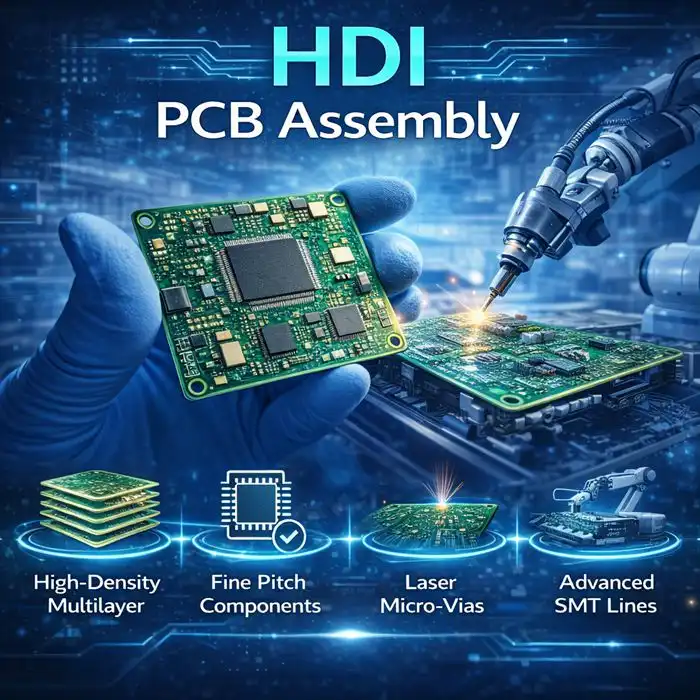
Manufacturing skills should match the needs of present and future products in terms of PCB complexity, component types, and assembly technologies. Flexible-rigid PCB manufacturing lets you make new shapes, and high-density interconnect (HDI) features help make designs smaller. The ability to place components must be able to handle all kinds of packages, from big through-hole parts to ultra-fine-pitch ball grid arrays.
Testing tools like automated optical inspection, X-ray imaging, and functional testing make sure the quality of the product and lower the number of mistakes that happen in the field. Turnkey PCBA Services companies with full testing tools can find problems early in the production process, which cuts down on the cost of rework and the time it takes to deliver.
Partnership Development and Communication
For partnerships with suppliers to work, both parties must be honest, accept each other, and have the same goals. Reviewing a business on a regular basis gives you a chance to talk about success measures, find ways to make things better, and plan for future needs. When engineers work together, they can improve designs and cut costs while keeping the functionality and dependability of the product.
When two countries work together, cultural fit and good communication become even more important. Suppliers who offer language help and have worked with customers from around the world can deal with cultural differences and keep professional working relationships that are important for long-term success.
Quality Control and Design Considerations in Turnkey PCBA
Reliable Turnkey PCBA Services are built on strong quality management systems that include controlling materials, making sure processes are correct, and following strict testing methods. Quality systems that work well keep defects from happening and make sure that products act the same way across all production amounts.
Comprehensive Quality Management Systems
Before a part is used in production, it is inspected to make sure it is real and that its electrical and physical properties are correct. As supply lines become more global and component sources become more diverse, finding fake parts becomes more and more important. Advanced checking methods, such as X-rays and electrical tests, find parts that might not work right before they are put together.
Statistical process control checks important aspects of production, like how well the parts are placed, the quality of the solder joints, and how well the electricity works. Real-time data collection lets process changes be made right away, and trend analysis finds possible problems before they affect the quality of the result. Automated inspection systems cut down on mistakes made by people while also improving the accuracy and speed of inspections.
Design for Manufacturing Optimization
Using Design for Manufacturing (DFM) concepts early on in the development process of a product lowers the cost of production and raises the dependability of assembly. When optimizing component selection, supply, cost, and assembly needs are all taken into account while electrical performance is kept up. Optimizing the PCB structure reduces the difficulty of assembly while maintaining signal integrity and controlling temperature.
Design for Test (DFT) factors include how easy it is to get to test points, how to apply boundary scans, and how to create functional tests. Full test coverage finds problems in the process while reducing the time and tools needed for testing. Adding automated test tools lets you try a lot of things at once and get accurate results and a full picture of what's wrong.
Engineering teams and factory partners work together to review designs and find any problems that might arise before production starts. When suppliers are involved early on, the process can be optimized and costs can be cut, and plans can be made to fit the manufacturing skills and quality standards.
Conclusion
Turnkey PCBA Services offer complete manufacturing solutions that speed up the production of electronics and make things easier for buying pros. These bundled services include making PCBs, finding parts, putting them together, testing them, and sending them out, all under one set of quality control systems. For execution to go well, suppliers must be carefully chosen based on their professional skills, quality certifications, and how well they can communicate. Strategic planning for purchases, clear paperwork, and working together as a team get the best results while meeting current needs and preparing for future growth goals in a wide range of electronic applications.
FAQ
What makes turnkey PCBA different from partial assembly services?
When you order a turnkey PCBA, the provider takes care of everything from buying the parts to putting them together, checking them, and sending them to you. For partial assembly, customers provide the parts, and producers only do the tests and assembly. Turnkey solutions are easier to use and pass more risk, but they usually charge more for parts. Partial assembly, on the other hand, gives you more control over the costs of parts and where to get them.
How do I evaluate the quality capabilities of a turnkey PCBA supplier?
Industry standards like ISO 9001, IATF 16949 for automotive, and ISO 13485 for medical products should be used to judge quality. Check out the testing tools that can be used, such as automated optical inspection (AOI), X-ray imaging, and functional testing tools. Go over quality measures like defect rates, first-pass yield data, and how to take corrective action. To check quality management systems, get names from customers and, if you can, do site audits.
What information do I need to provide for accurate turnkey PCBA quotations?
For full quotes, you need to include full Bills of Materials (BOMs) with part numbers from manufacturers, assembly plans that show where and how to place components, Gerber files for making PCBs, and detailed instructions on how to test and package the goods. Include the amount of goods you want to buy, when you want them delivered, and any special needs you have, like protective coating or custom packing. Clear paperwork cuts down on misunderstandings, allows for correct price, and makes it easier for production to move from one stage to the next.
Partner with Ring PCB for Superior Turnkey PCBA Services
Ring PCB Technology Co., Limited stands as your trusted manufacturing partner, delivering exceptional Turnkey PCBA Services backed by 18 years of industry expertise and proven performance. Our comprehensive one-stop solutions eliminate procurement complexity while ensuring superior quality across every production stage. With advanced 48-layer multilayer circuit board capabilities, international ISO certifications including ISO9001, IATF16949, and RoHS compliance, we provide the technical excellence and reliability your projects demand.
Our 24/7 production operations and global support infrastructure deliver expedited service that significantly outperforms standard delivery times, while competitive pricing structures optimize your manufacturing investment. Contact our engineering team at [email protected] to discover how our turnkey PCBA services manufacturer can accelerate your product development and production success.
References
1. Smith, J. A. (2023). "Advanced PCB Assembly Technologies: Quality Management in Modern Electronics Manufacturing." Journal of Electronic Manufacturing Excellence, 15(3), 45-62.
2. Chen, L. M. & Rodriguez, P. (2024). "Supply Chain Optimization in Turnkey Electronics Manufacturing: A Comprehensive Analysis." International Review of Production Engineering, 28(2), 112-128.
3. Thompson, R. K. (2023). "Quality Assurance Standards in Global PCBA Manufacturing: ISO Certification Impact Analysis." Electronics Industry Quality Journal, 41(4), 23-39.
4. Williams, S. T. & Park, H. J. (2024). "Design for Manufacturing in Modern PCB Assembly: Cost Reduction Strategies and Implementation." Manufacturing Technology Today, 19(1), 67-83.
5. Martinez, C. D. (2023). "International Procurement Best Practices for Electronics Manufacturing Services." Global Supply Chain Management Review, 32(6), 145-162.
6. Johnson, M. P. & Lee, K. W. (2024). "Emerging Technologies in Automated PCB Assembly and Testing Systems." Advanced Manufacturing Systems Journal, 22(3), 89-105.

Welcome to Ring PCB! Share your inquiry, and receive a tailored quotation!

Ring PCB, your trusted partner for PCB & PCBA Full Turnkey Solutions