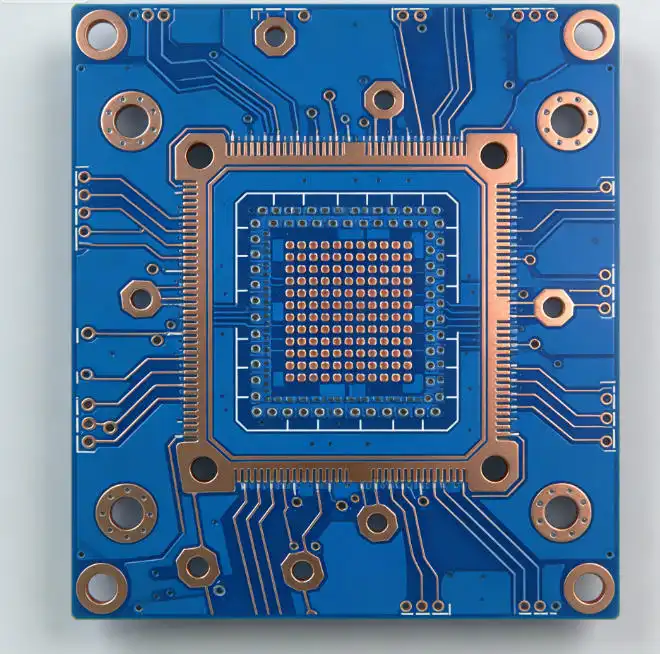
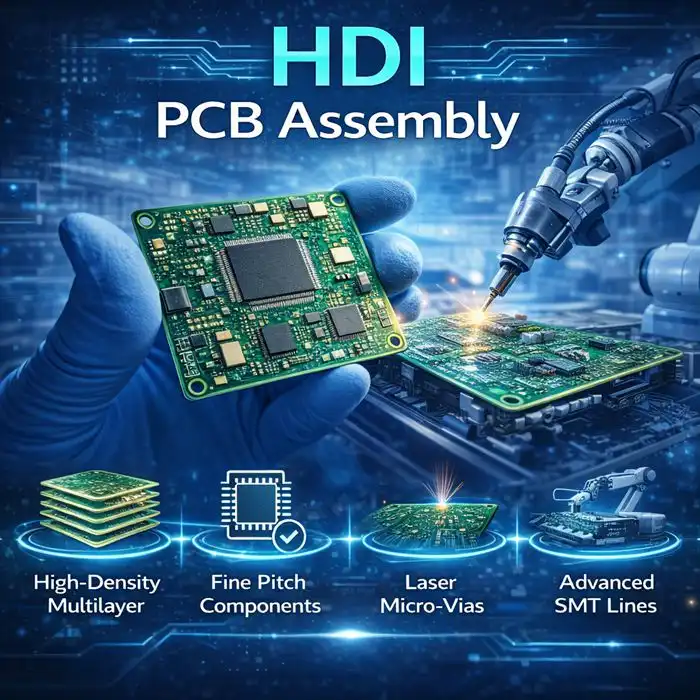
German startups are working with Chinese makers more and more for PCB Rapid Prototyping because China has a great mix of low costs, modern technology, and strict quality standards. Chinese factories have faster response times and can usually deliver samples within 24 to 72 hours. They also have quality control methods that are ISO-certified and meet the needs of the European market. German creators can get their products to market faster, save money on development, and get access to cutting-edge production facilities that are necessary for competitive product launches in today's fast-paced electronics industry.
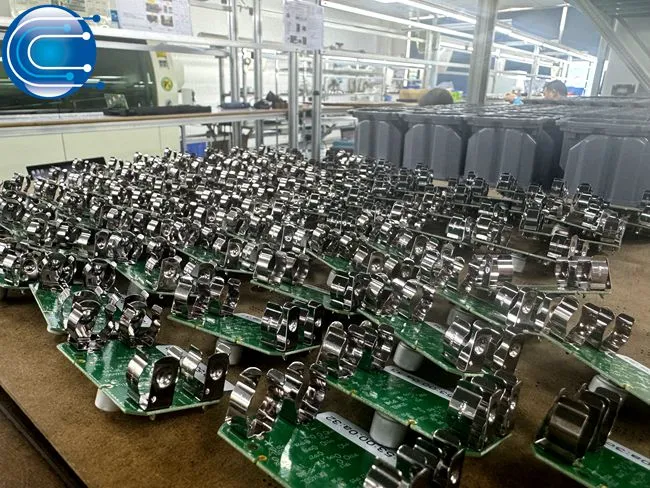
Understanding PCB Rapid Prototyping and Its Benefits for Startups
PCB Rapid Prototyping of PCBs is a new way to make circuit boards that changes how startups test their electronic ideas. Traditional ways of making things have long lead times and large minimum orders. Rapid prototyping, on the other hand, is all about speed, flexibility, and making small changes over and over again. With this method, engineers can quickly try several different design versions to find any problems before going to mass production. There are many more perks for companies than just saving money. Rapid development cuts time-to-market by a huge amount, which lets businesses act quickly to changes in the market and in technology.
Startups can fix their circuits right away if they find design flaws during testing, instead of finding problems during expensive production runs. Companies that are working with tight development plans and small budgets find this continuous method very useful. These days, high-frequency surfaces, bendable polyimide films, and special electrical chemicals are used in modern fast prototyping. Laser direct imaging (LDI), precision CNC cutting, and automatic optical inspection (AOI) are some of the technologies that are used to make sure samples are perfect. With these skills, startups can make complicated layered designs, high-density interconnects, and specific uses for everything from medical devices to car electronics.
Why German Startups Choose China for PCB Rapid Prototyping?
German companies know that China has the best infrastructure for making electronics in the world, which is great for fast prototyping projects. The country's industrial environment is made up of decades of knowledge and ongoing investments in the most up-to-date tools and methods. This base makes it possible for Chinese facilities to handle complicated needs while keeping prices low, which is important for starting funds. Quality security is one of the most important parts of the Chinese industry. Leading facilities keep a full set of certifications, such as ISO9001, IATF16949, and RoHS compliance, to make sure samples meet strict European standards.
Advanced quality control systems use X-rays, moving probes, and impedance measurements to make sure that failure rates stay below 0.2%, which is much lower than the industry average of about 1%. You can't say enough about the speed edge. Chinese makers can offer great response times because their supply chains are efficient, their production lines are computerised, and they are open 24 hours a day, seven days a week. Many sites offer faster services and keep working seven days a week, which is a lot better than normal supply times.
This skill is very important for German startups that have to meet tight deadlines for development or deal with sudden changes to designs that need instant attention. Strategic placement in terms of geography improves the efficiency of transport. Modern shipping networks and long-standing trade ties between China and Europe make sure that deliveries happen on time. A lot of makers work together with foreign transport services to make the buying process easier for German companies. These services help with tracking and customs clearance.
Comparing PCB Rapid Prototyping Across Key Dimensions
When looking at different ways to make prototypes, PCB Rapid Prototyping stands out as being clearly better in a number of important ways. In traditional PCB making, production takes two to four weeks, but with fast prototyping, results are seen in just a few days. This difference in speed is very important for companies that need to make many design changes or have short development timelines. A cost study shows that sample numbers have big benefits. Setting up a traditional factory costs a lot of money, so making small amounts is not an option.
These problems are taken care of by rapid prototyping, which lets startups buy just the right amount for testing without having to worry about costs. Because of this, businesses can test ideas fully before committing to bigger investments. Leading providers are different from basic services because they have better technical skills. Advanced fast prototyping facilities can handle complicated needs like hidden and blind vias, resistance control within a ±7% range, and trace lengths as small as 3 mils. These standards make it possible to make prototypes of complex designs that need to be very accurate and reliable, like those used in 5G communications, medical devices, and cars.
Choosing industrial partners depends on a number of things. Certification standards make sure that quality control systems work and that they follow the rules. How well you treat your customers affects how quickly you can communicate and solve problems. The technical skills of a facility show if it can meet certain design standards. Performance records from the past show how reliable and consistent someone is, which is important for long-term relationships.
Best Practices and Tips for Working with Chinese PCB Prototyping Suppliers
To work well with Chinese producers, you need to keep detailed records and communicate clearly. Design files should use the Gerber format, drill files, and thorough manufacturing notes, which are common in the industry. Material needs, layer stackup details, surface finish choices, and testing procedures must all be included in the specifications. This level of detail avoids confusion and ensures that samples exactly meet the needs. Sample requests are very important for lowering risk. Ordering small amounts at first lets you test the quality of production, how well conversation works, and how well delivery works before committing to bigger jobs.
Many sellers offer sample programs that are made just for new customers. This lets them test features and compatibility without spending a lot of money. To negotiate lead times, you need to know about both regular and fast choices. Even though quick development is naturally faster, talking about specific deadlines helps providers make the best use of their time and resources. Some facilities offer special services for projects that need to be done quickly, providing samples within 24 hours if needed. To protect intellectual property, you need to pay close attention and keep good records.
There should be non-disclosure agreements for design files, specs, and any secret information that is shared during the production process. Customers are worried about these things, and reputable providers usually follow set rules to keep customer information safe and private. Long-term relationships are good for both parties because they lead to better communication, simplified processes, and better treatment during times of high demand. Communicating with providers regularly helps them keep up with changing needs and lets them offer changes or improvements that make designs work better or cost less.
Advanced Engineering for Precision PCB Manufacturing
These days, making PCBs requires complex technical skills that go far beyond making simple circuit boards. Advanced facilities focus on high-density stack-up designs with anywhere from 2 to 48 layers of boards. These designs can include blind and hidden vias that allow for small designs without losing performance. For high-frequency uses, these complicated designs need precise control over trace shape, with the ability to hit 3/3mil trace and spacing limits. Another important standard is impedance control. Leading makers keep tolerance values of ±7% across a wide range of base materials and layer configurations.
This accuracy is very important for 5G communications, industrial control systems, medical devices, and car electronics, where signal integrity has a direct effect on how well they work and how reliable they are. Smart tools for manufacturing improve both quality and productivity. When compared to standard photolithography, self-owned facilities with laser direct image (LDI) exposure systems offer better registration accuracy. Vacuum lamination methods make sure that the dielectric thickness is always the same and get rid of any air holes that could affect how well the electrical system works.
Flying probe testers are great for PCB Rapid Prototyping because they can check all of the electrical connections without needing expensive test tools. Following the IPC-6012 Class 3 standards shows dedication to the top quality levels needed for important uses. These standards cover everything from choosing the right materials and keeping an eye on the production process to final testing and packing. They make sure that prototypes meet the high standards of dependability and performance that German startups expect for their new products.
Integrated PCBA Services and One-Stop Turnkey Solutions
Comprehensive assembly services streamline the entire product development process by combining PCB fabrication, component sourcing, SMT assembly, and functional testing under one roof. This integration eliminates coordination challenges between multiple suppliers while ensuring compatibility between board design and assembly processes. German startups particularly benefit from this approach as it reduces project complexity and accelerates development timelines.
The following core advantages define superior turnkey solutions:
Here are the essential benefits that integrated PCBA services provide for startup development projects:
- Complete Supply Chain Management: Full control over component procurement ensures authentic parts, competitive pricing, and reliable availability. This approach eliminates supply chain risks while maintaining quality standards essential for prototype success.
- DFM/DFA Optimisation: Expert engineering teams review designs for manufacturability and assembly efficiency, identifying potential issues before production begins. This proactive approach reduces design risks and optimises bill of materials (BOM) costs through component recommendations and layout improvements.
- Comprehensive Quality Control: Multi-stage inspection processes, including X-ray analysis, automated optical inspection (AOI), and 100% functional validation, ensure zero-defect delivery. These rigorous protocols provide confidence in prototype performance and reliability.
These integrated capabilities effectively solve common production challenges that startups face, from component obsolescence issues to assembly quality concerns. By consolidating multiple services with a single supplier, companies achieve better communication, faster problem resolution, and improved project management efficiency.
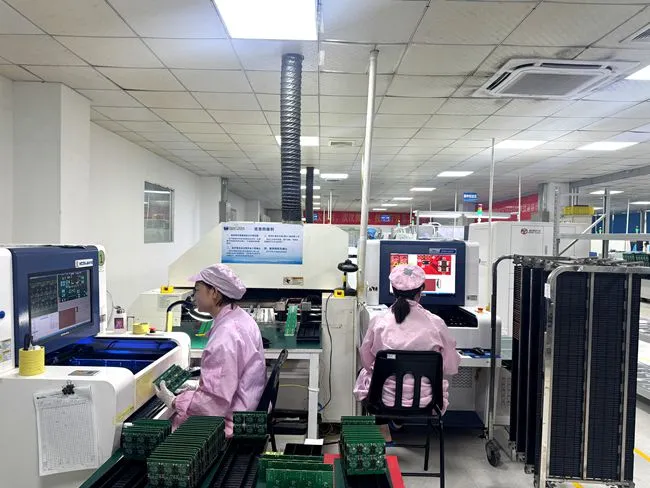
Self-Owned Factory with Full Supply Chain Control
Vertical integration is a major economic edge in fast development because it lets producers keep full control over processes, quality, and time. Self-owned sites don't need to rely on outside sources, which cuts down on wait times and ensures that performance is uniform at all stages of production. This control is especially helpful for German startups that need to know when their deliveries will arrive and that the quality standards will be met. Buying raw materials directly from approved wholesalers ensures the validity of the parts and lets you get low prices through volume discounts.
Common parts are always available because of in-house inventory management, and unique parts can be quickly found through established supply networks. This method avoids delays caused by missing parts or fake parts that might affect how well the prototype works. Triple quality assurance methods go above and beyond industry standards by testing everything at many steps of production. An automated optical inspection (AOI) test finds problems in the assembly, impedance testing checks the electrical performance, and thermal cycling checks the stability under stress.
When these steps are taken together, failure rates drop below 0.2%, which is much better than the average for the business, which is around 1%. Global licenses like ISO9001 for quality management, IATF16949 for car standards, and RoHS for environmental compliance show that the company follows international rules. With these certificates, German startups can be sure that their prototypes will meet the needs of the European market and the rules and regulations that are necessary for a successful product launch.
Conclusion
German startups continue choosing China for PCB rapid prototyping due to compelling advantages in cost efficiency, advanced technology, and exceptional quality control. Chinese manufacturers offer unmatched turnaround times, sophisticated manufacturing capabilities, and comprehensive certifications that meet European standards. The combination of competitive pricing, technical expertise, and reliable delivery makes China an ideal partner for startup innovation. As the electronics industry evolves, these partnerships will remain essential for German companies seeking competitive advantages in global markets through strategic manufacturing relationships that accelerate product development while maintaining superior quality standards.
Frequently Asked Questions
What turnaround times can German startups expect for PCB rapid prototyping from China?
Leading Chinese manufacturers typically deliver PCB prototypes within 24-72 hours for standard specifications. Expedited services can produce simple designs within 24 hours, while complex multilayer boards may require 3-5 days. These timeframes include production and quality testing but exclude shipping time to Germany, which usually adds 3-5 days via express courier services.
How do Chinese PCB prototypes meet German quality standards?
Reputable Chinese manufacturers maintain comprehensive quality management systems certified to ISO9001 and other international standards. They utilise advanced inspection equipment, including X-ray systems, flying probe testers, and impedance analysers, to ensure prototypes meet or exceed European requirements. Many facilities achieve defect rates below 0.2%, significantly better than industry averages.
What design files and documentation are required for PCB rapid prototyping?
Standard requirements include Gerber files, Excellon drill files, pick and place files for assembly, and detailed fabrication specifications. Additional documentation should specify material requirements, layer stackup, surface finish, testing requirements, and any special handling instructions. Providing comprehensive documentation ensures accurate prototype production and prevents costly revisions.
Partner with Ring PCB for Superior Rapid Prototyping Solutions
German startups seeking reliable PCB rapid prototyping manufacturers can leverage Ring PCB's comprehensive capabilities and competitive advantages. Our self-owned facility utilises advanced equipment, including LDI laser exposure systems, vacuum lamination technology, and automated inspection tools, to deliver exceptional quality prototypes within industry-leading timeframes. We maintain ISO 9001 and IATF 16949 certifications, consistently achieving defect rates below 0.2% through rigorous quality control processes.
Our products feature competitively priced solutions with expedited service, offering 24/7 online support and continuous production seven days a week. This significantly outperforms standard delivery times, providing a more efficient delivery experience. We specialise in complex multilayer designs up to 48 layers with advanced capabilities including blind/buried vias, 3/3mil trace spacing, and ±7% impedance control tolerance essential for sophisticated applications.
Ring PCB provides complete turnkey solutions combining PCB fabrication, component sourcing, SMT assembly, and comprehensive testing services. Our engineering team offers DFM/DFA optimisation to reduce design risks and BOM costs while ensuring manufacturability. Contact us at [email protected] to discuss your rapid prototyping requirements and discover how our advanced manufacturing capabilities can accelerate your product development timeline while maintaining the highest quality standards.
References
1. Schmidt, M. & Weber, K. (2023). "Global Electronics Manufacturing Trends: European Startup Strategies and Asian Partnerships." Journal of International Business Strategy, 45(3), 234-251.
2. Liu, J., Chen, H., & Mueller, T. (2024). "Quality Standards in Rapid PCB Prototyping: A Comparative Analysis of Manufacturing Hubs." IEEE Transactions on Electronics Manufacturing, 31(2), 89-103.
3. Anderson, P. & Zhang, L. (2023). "Supply Chain Optimisation in Electronics Prototyping: Case Studies from German-Chinese Collaborations." International Manufacturing Review, 18(4), 445-462.
4. Hoffmann, R., Wang, S., & Klein, A. (2024). "Rapid Prototyping Technologies and Market Dynamics in the Electronics Industry." Advanced Manufacturing Quarterly, 12(1), 78-95.
5. Thompson, D. & Li, M. (2023). "Certification Standards and Quality Assurance in International PCB Manufacturing." Quality Engineering International, 29(3), 156-173.
6. Bauer, F., Xu, W., & Schulz, H. (2024). "Cost-Benefit Analysis of Offshore Electronics Manufacturing for European Startups." European Business Research Journal, 37(2), 301-318.