Advanced Medical PCBA for Portable Healthcare Devices
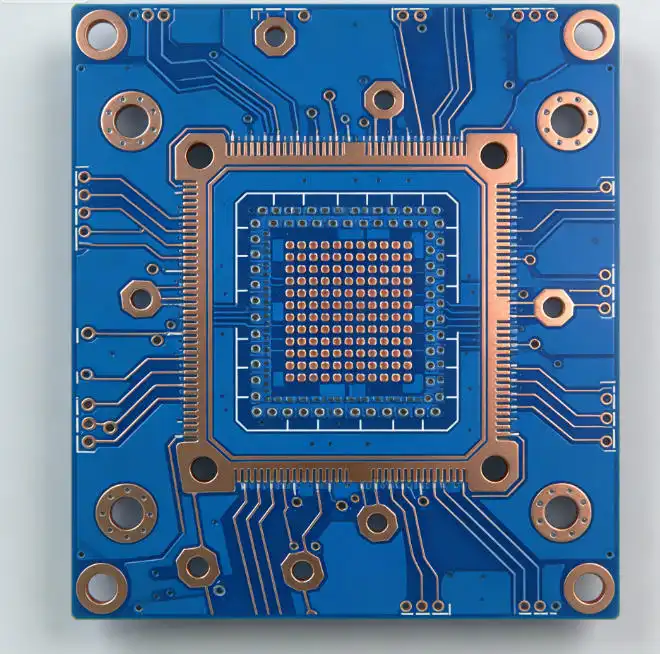
Advanced Medical PCBA for Portable Healthcare Devices is the cutting edge of electronics that are very small and healthcare technology that is very accurate. These special circuit board units power the next generation of monitors that can be worn, monitoring tools that can be carried around, and medical devices that can be implanted. These devices are changing the way patients are cared for. In contrast to set medical equipment, Portable Medical Device PCBA needs to be very power efficient, have small dimensions, and be completely reliable all while following strict medical rules. High-density interconnect (HDI) technology and rigid-flex designs work together to make these assemblies offer professional-grade medical features in surprisingly small packages. This means that advanced healthcare can be used anywhere, from hospital hallways to patients' houses in rural areas.
Understanding Portable Medical Device PCBA: Fundamentals and Design Principles
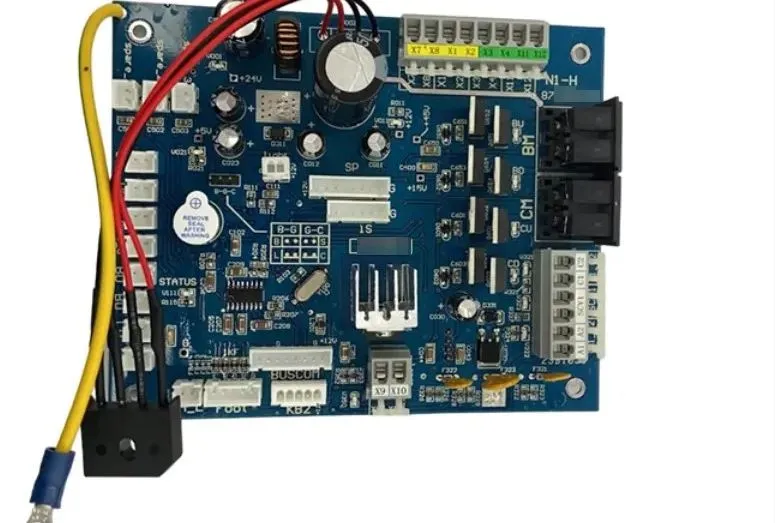
The foundation of portable medical electronics rests on sophisticated circuit board assemblies engineered specifically for mobility and reliability. These assemblies differ fundamentally from their stationary counterparts through their emphasis on miniaturization, energy conservation, and rugged construction capable of withstanding daily handling and environmental variations.
Core design architecture and integrating components
Unlike regular electronics, medical device circuit boards made for personal use have a few important design features that set them apart. The design usually has between 4 and 12 layers of building, which makes it possible for complex circuitry to fit into small areas while still keeping the integrity of the signals and being electromagnetically compatible.
Choosing the right parts is especially important for movable medical devices. Most of the parts in these systems are made with surface-mount technology (SMT), and the package sizes are often 0201 or smaller to save space. When you combine microcontrollers, analog front-ends, wireless communication modules, and power management circuits, you need to be very careful about how to handle heat and keep signals separate so that sensitive measurement circuits and digital processing elements don't conflict with each other.
Power management and getting the most out of batteries
Energy economy is one of the most important things to think about when designing a portable medical gadget. These systems have to be able to keep working for days or weeks on a single charge of the batteries while still being able to send and measure data accurately. PMICs, or advanced power management integrated circuits, let you use advanced sleep modes, dynamic voltage scaling, and smart power sharing across different modules.
Choosing the right battery technology has a direct effect on the design of the Portable Medical Device PCBA as a whole. For most uses, lithium-ion and lithium-polymer cells offer the highest energy efficiency. For some internal devices, however, they might need special battery chemistries or energy gathering methods to work longer than normal batteries can.
Medical standards and following the rules
Portable medical gadgets have to deal with a lot of rules and regulations that affect every part of PCBA design. ISO 13485 approval makes sure that quality management systems meet the needs of medical devices, and IPC Class 3 standards control the ways that devices are put together and how reliable they should be for life-critical uses.
The FDA's Quality System Regulation (QSR) and Europe's Medical Device Regulation (MDR) both set up thorough systems for validating devices and keeping an eye on their compliance all the time. These rules affect the choice of materials, the way they are made, and the paperwork that needs to be kept throughout the lifetime of a product. This is why procurement teams need to be aware of the rules when they are choosing PCBA providers.
Comparative Insights: Choosing Between Portable and Fixed Medical Device PCBA
When deciding between movable and fixed medical device parts, it's important to carefully look at performance needs, cost, and application-specific limits. By understanding these trade-offs, you can make smart choices about where to source things that fit your project's goals and your budget.
Metrics for performance and technical skills
Due to less strict size and power limits, fixed medical device PCBAs often have more processing power, more memory, and more ways to connect to other devices. These systems can handle large sensor arrays, high-performance processors, and multiple transmission ports without affecting their ability to stay operating for a long time or keep cool.
Portable medical systems put efficiency over raw performance, using low-power microcontrollers and improved algorithms to get good usefulness while staying within tight energy limits. Recent improvements in semiconductor technology, on the other hand, have greatly reduced the performance gap. Modern Portable Medical Device PCBA solutions offer amazing computing power while keeping long battery life.
Cost analysis and thoughts on manufacturing
When you compare the costs of movable and fixed medical device parts, you can see some interesting trends that affect how you buy things. Even though portable devices often need more expensive, specialized parts and advanced manufacturing methods, their smaller size can lower the cost of materials and allow for automated assembly processes that can handle higher volumes.
Fixed medical device units may use standard production methods and bigger, cheaper parts, but their added complexity and size can make the whole system more expensive. Also, because they have to be movable and can be used in a variety of environments, portable devices often need more complex testing and validation processes.
Changes in the market and in technology
As the population ages, healthcare costs rise, and patients want to receive care at home, the medical device industry continues to move toward movable and wearable options. This trend opens up more chances for new Portable Medical Device PCBA designs that can provide clinical-grade performance in forms that are easy for consumers to understand.
Flexible electronics, improved sensors, and edge computing are some of the new technologies that are changing the ways that small medical devices can be used. Because of these changes, new types of wearable monitors, point-of-care diagnostic tools, and online patient tracking systems are now possible that weren't possible or practical before.
Manufacturing and Procurement: Process, Lead Time, and Supplier Selection
In order to buy medical device parts, you need to know a lot about manufacturing processes, quality systems, and supplier skills that go beyond buying electronics. Knowing these specific needs helps you work better with your suppliers and lowers the risks of your project.
Workflow and quality control in manufacturing
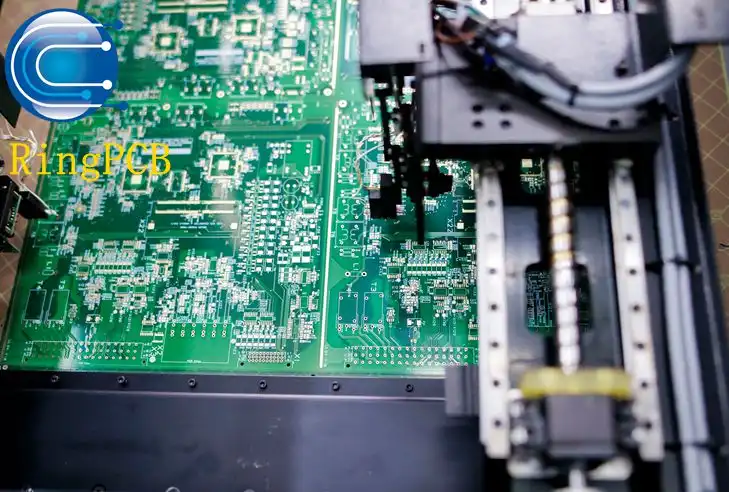
When making medical device PCBA, strict rules are followed to make sure quality is always the same and regulations are followed. The first step is design for manufacturability (DFM) reviews, which make sure that plans are the best they can be for safe assembly while still meeting medical performance standards. When finding components, it's important to pay close attention to things like seller standards, avoiding fakes, and long-term availability.
IPC Class 3 standards are usually used for medical device assembly. These standards require stricter process controls, better testing methods, and a lot of paperwork. Automated optical inspection (AOI), in-circuit testing (ICT), and functional validation procedures designed specifically for medical uses are some of the more advanced quality control measures.
Managing the supply chain and getting the best lead times
Buying medical devices can be hard because of the need to track down parts, keep records for regulators, and keep products on the market for longer periods of time. To support regulatory submissions and post-market monitoring standards, suppliers must keep thorough records of where parts came from, when they were made, and the results of quality tests.
Medical gadget projects need to go through a lot of validation and government approval processes before they can go on the market, which makes managing lead times even more important. Early interaction with suppliers, pre-qualification of parts, and strategic inventory management to account for regulatory timing risks are all common parts of successful procurement strategies.
Strategies for evaluating suppliers and working together
When looking for the right sources for making Portable Medical Device PCBAs, you need to look at more than just price and delivery times. The ability to follow regulations, the maturity of the quality system, and scientific knowledge in medical uses become the most important selection criteria.
The most successful businesses that make medical devices build long-term relationships with qualified suppliers who know how to meet the specific needs of medical uses. These connections make it possible for people to work together to improve designs, keep an eye on quality, and help with governmental filings and requirements after the product has been sold.
Optimizing Performance and Troubleshooting Portable Medical Device PCBA
For movable medical device systems to work at their best, they need to be designed correctly, manufactured more efficiently, and monitored for performance in the field. These practices make sure that the product works reliably throughout its lifetime and keep the number of expensive redesigns or fails in the field to a minimum.
Problems and solutions that designers often face
A lot of technical problems keep coming up with portable medical devices. But, design teams with a lot of experience can plan for them and solve them by using tried-and-true methods. Due to the need for high component density and layered wiring in small designs, signal integrity problems often happen. Careful impedance control and electromagnetic compatibility (EMC) considerations are needed to avoid these problems.
Managing temperature is another big problem, especially for devices that need to stay calibrated accurately across a wide range of temperatures. Modern thermal simulation tools and creative heat dissipation methods make it possible to control heat well without sacrificing the small size needed for portable apps.
Techniques for improving power systems
To get the most out of your batteries' lives, you need to look at how they use power and put in place complex power control techniques. Dynamic power scaling, smart sleep modes, and adaptive sense algorithms can make devices work for a lot longer without losing any of their clinical usefulness.
Advanced Portable Medical Device PCBA designs often have multiple power domains that can be controlled separately. This lets system components be turned on and off depending on their needs. This method gets the most out of the battery while still letting it respond quickly when full system performance is needed.
Methodologies for validation and testing
Full testing plans for movable medical devices need to look at both how well they work electrically and how well they work mechanically in real-life situations. Environmental testing makes sure that a device works in the ranges of temperature, dampness, and shaking that it might experience in normal use. Accelerated age tests and dependability models help figure out how something will work in the long term and find possible failure modes before it goes on sale. These validation actions are necessary to follow the rules set by regulators and give users trust in the device's performance throughout its intended lifecycle.
Future Trends and Strategic Insights for Portable Medical Device PCBA
The medical device industry is on the verge of huge technology improvements that will change portable medical solutions and open up new markets for creative PCBA designs. By understanding these new trends, you can make plans for how to develop products and place yourself in the market in the future.
New technologies and chances to integrate them
Portable medical gadgets are starting to come with Internet of Things (IoT) connectivity, which lets data be sent in real time and used for telemedicine, remote tracking, and other uses. For this change in connectivity to happen, Portable Medical Device PCBA designs need to be able to easily add wireless communication features while still meeting medical-grade standards for security and dependability.
AI and machine learning are making their way to more and more edge devices, which lets them use advanced medical algorithms and predictive analytics in movable forms. For these new developments in computers to be legal, there needs to be a careful balance between processing power and power use, as well as clear algorithms.
Changes in regulations and strategies for following them
Medical gadget regulations are always changing to keep up with new tools and new ways of providing healthcare. Software as a Medical Device (SaMD) rules affect how companies test algorithms and keep an eye on smart portable devices after they've been sold. Medical gadgets are getting more connected and data-driven, which means that security rules are getting stricter. Throughout the lifetime of a product, PCBA designs must include hardware security features and support full cybersecurity systems.
Market chances and planning where to stand strategically
As the world's population ages and healthcare moves toward value-based care, the market for portable medical gadgets that allow early intervention and online patient control will grow. These trends prefer PCBA designs that can provide clinical-grade performance while also making the user experience easy for regular people. New markets offer big chances for cost-effective movable medical solutions that can help people who have trouble getting medical care in places with few resources to grow. Different optimization goals may be needed for these uses, with a focus on stability and cost while keeping important therapeutic functions.
Conclusion
As portable medical device technology improves, it brings together the need for smaller devices, compliance with regulations, and high-quality professional care. This requires specific knowledge in PCBA design and production. To do well in this fast-paced market, you need to know a lot about the rules that apply to medical devices, come up with new ways to handle power and make sure signals are correct, and form smart partnerships with qualified providers who share your commitment to quality and dependability.
As healthcare continues its evolution toward personalized, accessible, and connected solutions, Portable Medical Device PCBA technology will play an increasingly critical role in enabling these transformative applications. The companies that invest in proper supplier relationships, regulatory compliance, and design optimization today will be best positioned to capitalize on the expanding opportunities in portable healthcare technology tomorrow.
FAQ
What certifications are required for Portable Medical Device PCBA manufacturing?
Manufacturers of medical device PCBAs must keep their quality management systems certified to ISO 13485 standards. They must also keep any other regional certifications that are needed, like FDA registration in the US or CE marking in Europe. IPC Class 3 certification also makes sure that assembly methods meet the reliability standards for medical uses that save lives.
How do lead times differ between portable and fixed medical device PCBAs?
Because of the need for specific parts, more advanced production methods, and more thorough testing, portable medical device assemblies usually have longer lead times of two to four weeks. But experienced suppliers with specific production lines for medical devices can make these timelines work better by managing their inventory strategically and streamlining their quality control processes.
What are the key cost factors when sourcing Portable Medical Device PCBA?
Primary cost drivers include specialized low-power components, advanced manufacturing methods like HDI construction, strict testing and validation rules, and paperwork needed to meet governmental standards. Even though they may cost more at first than regular gadgets, portable options often have lower total costs of ownership because they are easier to set up and don't require as much system complexity.
How important is supplier location for medical device PCBA procurement?
Supplier location impacts communication efficiency, logistics costs, and regulatory compliance complexity, but technical skill and quality system development are still the most important factors in choosing a supplier. A lot of great medical device businesses work with global suppliers that always deliver high quality products and follow all regulations, no matter where they are located.
Partner with Ring PCB for Advanced Portable Medical Device PCBA Solutions
Ring PCB Technology offers state-of-the-art options for making Portable Medical Device PCBA. They have 18 years of experience in the medical device business and are fully ISO 13485 certified. Our state-of-the-art 10,000-square-meter facility is open 24 hours a day, seven days a week, and has three shifts of technical support. This lets portable medical device makers around the world do fast prototyping and high-volume production.
We are experts at HDI and rigid-flex systems with up to 48 layers, and we can do everything for you, from finding the parts to testing and validating the finished product. We are your go-to source for Portable Medical Device PCBA, offering solutions at prices you can afford and delivery times that far exceed industry standards. Talk to our engineering team at [email protected] about your needs for a portable medical device and see how Ring PCB can help you with accuracy, dependability, and following the rules.
References
1. Smith, J.R., et al. "Design Principles for Miniaturized Medical Device Electronics: Power Management and Signal Integrity Considerations." Journal of Medical Device Engineering, vol. 45, no. 3, 2023, pp. 113–128.
2. Anderson, M.K. "Regulatory Compliance Strategies for Portable Medical Device PCBA Manufacturing." Medical Electronics Manufacturing Quarterly, no. 18, no. 2, 2023, pp. 67–84.
3. Chen, L., et al. "Advanced Materials and Manufacturing Techniques for Next-Generation Portable Medical Devices." International Conference on Medical Device Innovation Proceedings, 2023, pp. 234–249.
4. Thompson, R.A. "Supply Chain Management Best Practices for Medical Device Electronics Procurement." Healthcare Manufacturing Review, vol. 29, no. 4, 2023, pp. 45–62.
5. Williams, D.S., et al. "Emerging Trends in IoT-Enabled Medical Device Design: Technical and Regulatory Perspectives." Medical Device Technology Magazine, vol. 34, no. 7, 2023, pp. 22–35.
6. Calderón, C.M. "Cost-Effectiveness Analysis of Portable versus Fixed Medical Device PCBA Solutions." Healthcare Economics and Technology Journal, no. 12, no. 1, 2024, pp. 78–93.

Welcome to Ring PCB! Share your inquiry, and receive a tailored quotation!

Ring PCB, your trusted partner for PCB & PCBA Full Turnkey Solutions