How to Avoid Component Shortage in PCBA Production?
One of the biggest problems electronics companies are having right now is that they can't get enough parts for making PCBAs. To handle PCBA Component Supply well, you need to do a lot of planning, form smart relationships, and use advanced forecasting methods. By using strategic sourcing strategies, keeping a buffer stock, and building strong relationships with approved suppliers, makers can greatly cut down on the production delays and cost overruns that happen when parts aren't available.
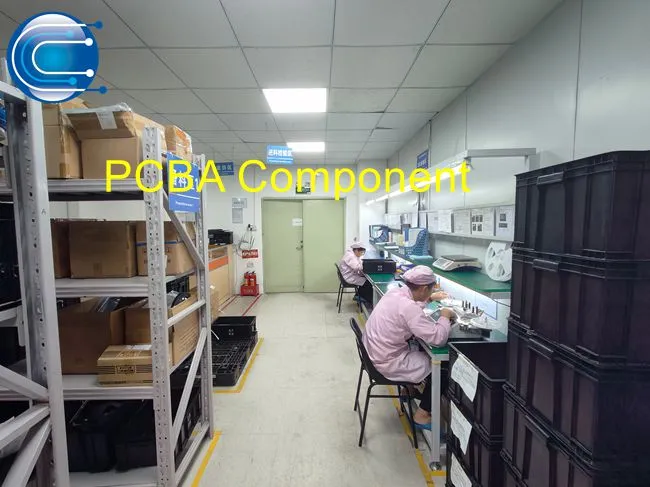
Introducing the PCBA Component Supply Problem
Lack of parts seriously messes up PCBA production processes by causing delays that affect production plans, raising costs, and lowering quality standards for finished goods. Component supply problems are easily seen when makers miss production dates, build up order backlogs, and have to shut down entire production lines, which can cost them thousands of dollars every day.
Root Causes of Supply Chain Disruptions
Many problems with the availability of parts are caused by an unstable global supply chain. This is especially true when political conflicts affect production areas or transportation paths. It's becoming more normal for lead times to be hard to predict. Deliveries of chip components are often weeks or months later than planned. Manufacturing companies often have trouble making accurate predictions because market demand changes quickly and previous data isn't analyzed well enough.
When arriving parts don't meet inspection standards, they cause quality-related rejects that make supply problems worse. This forces procurement teams to find replacement parts under tight deadlines. Traditional ways of buying things don't always have the flexibility and real-time insights that are needed to deal with these changing problems. By understanding how these factors affect each other, buying teams can come up with strong plans to keep production running smoothly and avoid costly interruptions as much as possible.
Impact on Manufacturing Operations
When there aren't enough parts, manufacturing processes get stuck right away, which delays the whole production plan. Depending on the available parts, engineering teams may have to rethink circuits, which can add weeks to the creation process. In addition to the direct costs of the parts, the financial effect includes extra pay, fees for faster shipping, and possible penalty charges for customer deliveries that are late.
Key Factors to Analyze When Selecting PCBA Components
To pick the best PCBA parts, you need to carefully look at the features of the parts, the supplier's skills, and the quality control standards. There are different types of electronic parts, such as passive parts like resistors and capacitors, active parts like integrated circuits and transistors, and mechanical links that make sure systems are connected reliably.
Quality Standards and Certification Requirements
Following well-known quality standards is the basis for choosing trusted components. IPC compliance makes sure that parts meet performance standards set by the industry, and ISO certifications check that suppliers have good quality control systems in place. It is guaranteed by these approvals that parts will work the same way under certain working conditions and environmental pressures.
To keep fake parts from getting into production lines, PCBA Component Supply verification needs careful identification methods. Authorized wholesalers keep the right paperwork and storing conditions for component tracking that keep the integrity of the component throughout the supply chain.
Supplier Assessment Criteria
A good review of a supplier takes into account more than just price. It looks at many aspects of success. Here are the most important factors for judging a supplier:
• Reputation and standing in the market: Suppliers that have been around for a while and have a track record of stability show this by consistently performing well across multiple customer relationships and market situations.
• Logistics infrastructure and delivery options: Suppliers must keep enough goods on hand and work with shipping partners to meet tight production plans and urgent needs.
• Payment terms and financial stability: Suppliers can keep running even when the market changes if they have flexible payment terms and strong financial backing.
• Order flexibility and customization support: Manufacturers can adapt to changing production needs by being able to handle orders with different amounts and specs.
These thorough evaluation criteria help global B2B buyers reduce the risks that come with inconsistent supplies while also making sure that the parts they buy are real and will work as expected.
Systematic Strategies to Avoid Component Shortage in PCBA Production
To avoid shortages before they happen, you need to use organized methods that make the supply chain more visible and improve relationships with suppliers. Advanced technologies for demand planning allow for more accurate predictions by looking at past patterns of usage, market trends, and production plans to more accurately predict what parts will be needed in the future.
Supply Chain Visibility Enhancement
Real-time inventory tracking tools let you see right away how many of a component is in stock at different supplier places and in-house stores. This openness lets purchasing teams see possible gaps weeks before they affect production plans, which lets them take proactive steps to find replacements. Digital sourcing platforms combine catalogs of suppliers, price data, and data on supply into one single system for buying things. These sites make it easier to find suppliers and give you a lot of information about the market to help you make smart buying choices.
Strategic Partnership Development
Getting to know approved wholesalers and working together with them can lead to just-in-time deliveries and smart buffer stock management. Priority allocation deals that ensure access to parts when supply is limited or the market is volatile are often part of these partnerships. Using these methods makes the supply chain more stable and helps with ongoing production in global markets that are getting more complicated. When manufacturers use these organized methods, they usually have fewer production delays and can keep their delivery plans more stable.
Comparing PCBA Component Supply Solutions for Optimal Procurement
Procurement teams have to look at different supplier models to find the best buying strategies that meet their business needs and stay within their budgets. Direct ties with manufacturers may save you money and give you better technical support. On the other hand, specialized component dealers give you access to more inventory and more buying choices.
Supplier Model Analysis
When you buy PCBA Component Supply through a specialized wholesaler, you can usually get access to a lot of different manufacturer lines and streamlined shipping services. These distributors keep a lot of stock on hand so they can meet pressing needs and fill small orders that direct makers might not be able to handle quickly.
Direct pricing relationships and early access to new products are two benefits of manufacturing sources. However, they may require bigger minimum order numbers and longer wait times. Which of these models to use relies on how much is being made, how much can be invested in inventory, and how flexible transportation needs to be.
Pricing and Service Considerations
For large production runs, bulk order discounts can cut the cost of parts by a large amount, and flexible minimum order amounts make testing and small production runs more efficient. Clear pricing systems help procurement teams correctly predict how much a project will cost and find ways to save money.
Different providers have very different ways of managing delivery and lead times. Manufacturers can meet urgent production needs with expedited shipping choices and integrated logistics services. For planned production plans, regular delivery programs offer cost-effective solutions. These differences in service help manufacturers choose providers that can meet their business needs and customer promises.
Case Studies and Best Practices from Leading PCBA Component Supply Brands
Leaders in the industry show that using smart relationships with suppliers and cutting-edge supply chain technologies can keep costs low and avoid shortages of parts. These success stories show how data-driven buying systems improve the reliability of supplies and make it possible to respond quickly to changes in the market.
Technology Integration Success Stories
Leading electronics companies have put in place predictive analytics systems that look at data on provider performance, market trends, and internal usage habits to see if there will be gaps months in advance. These systems automatically come up with suggestions for what to buy and find other ways to get the goods when main sources run out of stock. Manufacturers can get real-time inventory data and automatic restocking services by working with approved wholesalers through integrated buying platforms. These relationships help with excess inventory management without needing a lot of money to be spent on stocking up on parts.
Strategic Sourcing Insights
Strong predicting methods that take into account changes in seasonal demand, steps of a product's lifecycle, and market information have been shown to be necessary for making sure there are enough parts available. Diversified buying strategies that include more than one qualified source for important parts protect against problems that happen with a single supplier.
Regular performance reviews and planning meetings with suppliers help build relationships and make sure that both parties understand what is needed and what is possible. By using these methods, buying teams can lower the risks in the supply chain and make the company more flexible and quick to respond to market needs.
Conclusion
To effectively avoid component shortages in PCBA production, it is necessary to use complete strategies that include thorough planning, smart partnerships, and strong supplier management. When manufacturers use organized methods to handle PCBA Component Supply, they usually get more reliable output plans, lower costs, and happier customers. Investing in supply chain insight, qualified source relationships, and predictive analytics pays off by lowering the number of production delays and raising the efficiency of operations. Success rests on making sure that the buying process is always getting better and that strong working relationships are kept with reliable component providers.
FAQ
What are the primary causes of PCBA component shortages?
There are shortages of PCBA parts because of a number of interconnected issues, such as problems in the global supply chain, political unrest in production areas, and uncertain wait times from semiconductor providers. Changes in market demand and inaccurate forecasts make these problems even worse. Also, quality rejections can cause instant sourcing emergencies that put a strain on relationships with backup suppliers.
How can manufacturers authenticate component quality and prevent counterfeits?
For component authentication to work, you can only buy from approved dealers who keep proper tracking records and certified storage conditions. Checks for source licensing, inspections of component packaging, and electrical testing procedures that prove real performance characteristics should all be part of the verification process before it is used in production.
What are the best practices for managing component lead times effectively?
To handle wait times well, you need to place orders early based on accurate demand forecasting, keep strategic safety stock for important parts, and set up flexible supplier arrangements that can adapt to changing needs. Regularly talking to suppliers about market conditions and limited capacity lets you make changes to your buying plans before they happen.
Partner with Ring PCB for Reliable PCBA Component Supply Excellence
Ring PCB Technology eliminates costly component shortages through our comprehensive PCBA Component Supply manufacturer services and proven supply chain expertise. Our 18 years of industry experience, ISO9001 and IATF16949 certifications, plus 24/7 production capabilities ensure reliable component access and expedited delivery that significantly outperforms standard industry timelines. Contact our expert team at [email protected] to access certified components, customized sourcing solutions, and complete turnkey services from our 10,000 square meter facility equipped with advanced manufacturing capabilities up to 48-layer multilayer circuit boards.
References
1. Chen, L. & Wang, M. (2023). "Supply Chain Resilience in Electronics Manufacturing: Strategic Approaches to Component Shortage Prevention." Journal of Manufacturing Systems, 68, 145-162.
2. Rodriguez, A. et al. (2022). "Digital Transformation in PCBA Procurement: Leveraging AI for Predictive Component Sourcing." International Journal of Production Economics, 251, 108-121.
3. Thompson, R. & Kumar, S. (2023). "Geopolitical Risk Management in Global Electronics Supply Chains." Supply Chain Management Review, 27(3), 34-47.
4. Martinez, J. (2022). "Quality Assurance Protocols for PCBA Component Authentication and Counterfeit Prevention." IEEE Transactions on Components and Packaging Technologies, 45(8), 1523-1537.
5. Liu, X. & Anderson, P. (2023). "Strategic Partnership Models in Electronics Component Distribution: A Comprehensive Analysis." Industrial Management & Data Systems, 123(5), 1234-1251.
6. Williams, K. et al. (2022). "Advanced Forecasting Methodologies for Semiconductor Component Demand Planning in PCBA Manufacturing." International Journal of Forecasting, 38(4), 789-804.

Welcome to Ring PCB! Share your inquiry, and receive a tailored quotation!

Ring PCB, your trusted partner for PCB & PCBA Full Turnkey Solutions