Long-Term PCBA Supply Strategy for OEM
To make a complete OEM PCBA Supply strategy, you need to plan strategically so that you can balance quality, cost-effectiveness, and the robustness of your supply chain. OEM manufacturers have a hard time finding trusted partners for printed circuit board assembly who can keep quality high while production numbers grow. OEMs can focus on what they do best while making sure their electronic goods meet strict market and legal requirements when they have long-term, successful relationships with specialized PCBA providers.
Understanding OEM PCBA Supply: Foundations and Benefits
OEM PCBA Supply is a unique way of making things that is meant to meet the needs of original equipment makers who need custom circuit board assembly solutions. OEM (Original Design Manufacturer) or contract manufacturing methods are different from OEM PCBA services. OEM PCBA services focus on turning customer requirements into high-quality assembled boards while strictly adhering to quality standards and unique designs.
Key Differentiators of OEM PCBA Manufacturing
The main difference between OEM and other types of manufacturing is how much customizing and control is kept during the whole production process. OEM PCBA providers work closely with clients to make sure that designs are optimized for both manufacturing feasibility (DFM) and assembly efficiency (DFA), which makes sure that the finished products are exactly what was wanted. With this collaborative method, producers can keep control of their intellectual property while using specialized production skills.
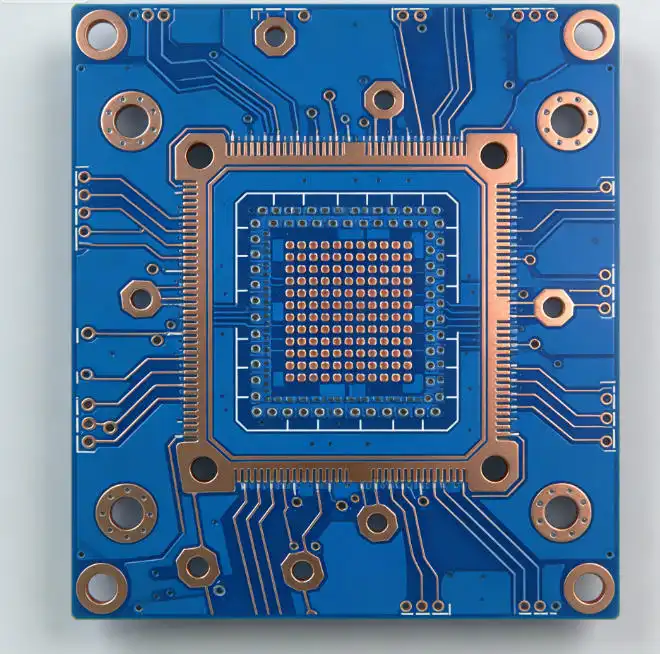
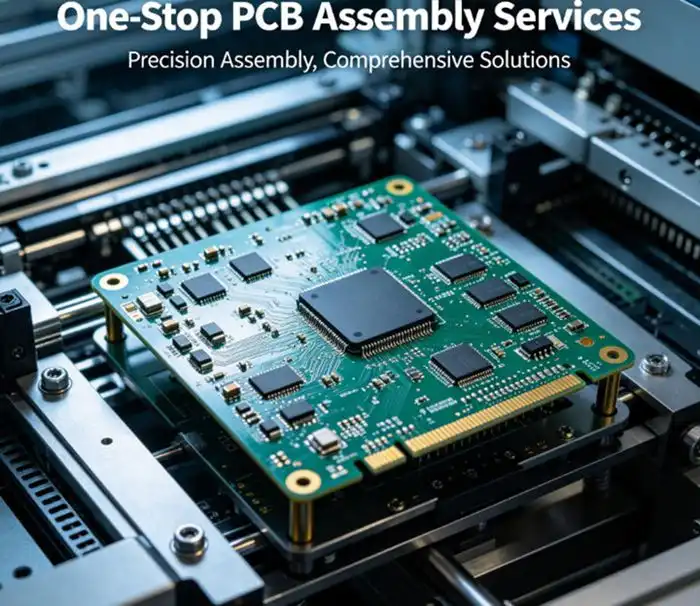
Precision SMT (Surface Mount Technology) placement, selective wave welding for through-hole components, and thorough testing procedures that confirm both functional and environmental performance are some of the advanced production techniques used by OEM PCBA Supply. With these features, you can make complicated multi-layer PCB structures that can be used for everything from basic consumer electronics to high-tech medical devices and cars.
Quality Assurance and Industry Compliance
OEM PCBA relationships that you can count on are built around strong quality control systems. Leading providers in their fields keep certificates like ISO 9001, ISO 14001, IATF 16949, and UL recognition, which shows they are dedicated to always delivering high-quality goods. These certifications make sure that the ways things are made meet international standards for quality control, caring for the environment, and meeting the needs of the automobile industry.
Comprehensive inspection routines include checking arriving parts, keeping an eye on the assembly process, and trying the finished product before sending it out. Automated optical inspection (AOI), X-ray inspection for secret solder joints, and practical testing that proves how well the product works in real life are all examples of advanced quality control measures.
Strategic Comparison: OEM PCBA Supply vs Alternative Sourcing Models
Choosing a manufacturing strategy has a big effect on costs, the ability to customize products, and the general quality of the end product. Procurement teams can make choices that are in line with long-term business goals when they know the pros and cons of different buying strategies.
OEM vs ODM Manufacturing Models
When compared to ODM options, OEM making gives you more control over product specs, choosing which parts to use, and quality standards. ODM providers offer pre-designed solutions that cut down on development time. OEM partnerships, on the other hand, allow for full customization, which helps protect intellectual property and makes products stand out. This flexibility is especially helpful for businesses that are making new goods or supporting specific groups of people.
Different manufacturing models have very different cost factors to think about. Due to the need for tailoring, OEM solutions usually require a bigger initial investment. However, they offer better long-term cost control through better designs and relationships with suppliers. ODM choices may have lower up-front costs, but they make it harder to make changes in the future and give suppliers less freedom.
In-House Assembly vs Outsourced Production
For in-house PCB manufacturing to work, a lot of money needs to be spent on tools, space, and skilled workers. This method gives you the most power over the production process, but to stay competitive, you have to keep spending money on new technology and training your workers. Most businesses find that hiring PCBA production lets them focus their resources more on their core business while still getting access to specialized knowledge and advanced manufacturing tools.
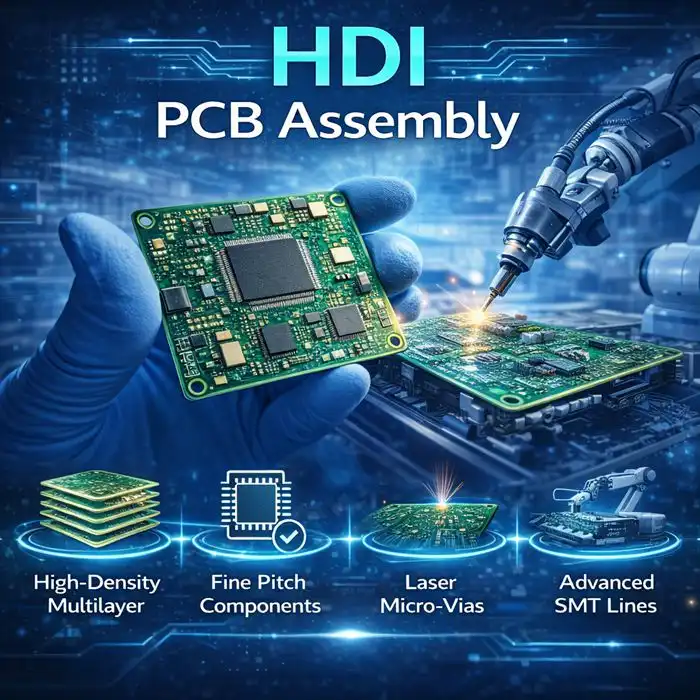
Outsourced OEM PCBA Supply partnerships give companies access to cutting-edge technologies like high-density interconnect (HDI), fine-pitch component placement, and advanced testing tools that most companies could not afford to keep up on their own. These skills help come up with new products and lower the general risk of production.
Global Supplier Landscape Analysis
When choosing a regional provider, you have to weigh cost savings, quality standards, and the logistics of the supply chain. Asian suppliers often offer low prices and advanced production skills. North American and European suppliers, on the other hand, are closer and make logistics management easier. Multi-regional provider networks that balance lowering costs with making the supply chain more resilient are often used in successful buying strategies.
When judging a supplier, you should look at their ability to make things, their quality standards, their financial security, and how well they fit in with your culture. Leading providers show consistent quality performance by using statistical process control, full tracking systems, and early warnings about possible problems in the supply chain.
Step-by-Step OEM PCBA Supply Process for OEMs
Clear communication of technical needs and quality standards is the first step to building a good OEM PCBA Supply relationship. This way of working together makes sure that everyone involved in the project knows what the goals are and builds the basis for good long-term relationships.
Design Specification and Prototype Development
During the early stages of a project, circuit board designs, component specs, and assembly needs are carefully looked over. PCBA suppliers with a lot of experience give comments on design for manufacturability (DFM) that shows possible production problems and offers ways to make things better. This process of reviewing together cuts down on production costs while increasing product quality and output.
Before committing to full production numbers, prototype development lets you test design ideas and manufacturing processes. Rapid prototyping lets you make changes quickly, which helps you stick to your product development schedule and make sure that the final designs meet all practical and quality standards.
Production Planning and Contract Negotiation
To make sure the supply chain works consistently, full production planning includes predicting volume, managing wait times, and allocating capacity. To keep things clear during production, detailed contracts should spell out quality standards, testing requirements, packing guidelines, and transportation plans.
When negotiating prices, the total cost of ownership should be taken into account. This includes the costs of tools, setup, buying parts, assembly work, testing, and shipping. Price levels based on volume encourage cost reduction, and minimum order quantities (MOQs) combine the needs of customers for freedom with the needs of suppliers to be efficient.
Manufacturing Execution and Quality Control
Modern PCBA production uses high-tech automation methods like laser direct imaging (LDI) for accurate circuit printing, vacuum lamination for building multi-layer boards, and flying probe testing for full electrical verification. These technologies make sure that the quality is always the same and can handle the complicated designs and tight specs that are needed for high-tech electronics.
Real-time quality checking during the whole production process lets problems be found and fixed right away, before they affect the quality of the result. Statistical process control (SPC) systems keep an eye on key performance measures and let you know right away if there are changes in the process that could affect the trustworthiness of the end product.
Long-Term OEM PCBA Supply Strategy: Best Practices and Trends
To keep PCBA supply ties going, you have to keep investing in supplier growth, technology progress, and process improvement. Leaders in an industry know that long-term relationships give them a competitive edge by improving quality, lowering costs, and making it easier to come up with new ideas.
Technology Integration and Automation Trends
The PCBA business is still being changed by new methods for making things. When used in quality control, artificial intelligence can predict when a mistake will happen and help improve the speed of the whole production process. Smart manufacturing systems collect data in real time and make changes to the process automatically. This keeps quality uniform and lowers the variation in production.
Environmental sustainability programs encourage the use of lead-free soldering methods, recyclable packing, and production equipment that uses less energy. These trends are in line with goals for business duty and meet the needs of markets around the world that are becoming more regulated.
Risk Management and Supply Chain Resilience
Diversifying suppliers, optimizing stockpiles, and finding other ways to get supplies are all parts of comprehensive risk management strategies that deal with possible supply chain problems. Successful businesses keep working ties with a number of qualified suppliers in various parts of the world to make sure that output keeps going even when things go wrong.
Managing component obsolescence means keeping an eye on the state of semiconductors throughout their lives and coming up with new ways to get them. Leading OEM PCBA Supply partners offer component engineering help that finds good options and handles transfer processes to keep production running as smoothly as possible.
How to Choose the Best OEM PCBA Supply Partner: A Decision Support Framework
To find the best PCBA partners, you need to carefully look at the suppliers' skills, quality processes, and culture fit. Comprehensive evaluation methods make sure that the partners that are picked can meet both present needs and growth goals in the future.
Supplier Capability Assessment
When evaluating technical capabilities, you should look at things like manufacturing tools, quality systems, engineering help, and the ability to add more capacity. Leading suppliers show advanced skills like putting together 48-layer PCBs, placing components with a fine pitch down to 01005 packages, and testing the whole thing thoroughly, including border scans and functional checks.
An evaluation of a supplier's financial security makes sure that the chosen ones can support long-term partnerships and make the necessary investments in technology updates. Quality systems, process controls, and programs for ongoing growth that show a commitment to practical excellence should be looked at in supplier audits.
Performance Metrics and Relationship Management
Clear performance measures, such as quality indicators, service performance, cost competitiveness, and responsiveness to customer needs, are needed for provider relationships to work well. Regular business reviews give you a chance to talk about performance trends, find ways to make things better, and make sure that your strategic goals are aligned.
Suppliers can help improve designs and the production process through collaborative innovation programs, which are good for both parties. Costs often go down, quality gets better, and product development processes get shorter, all of which make companies more competitive.
Conclusion
Strategic OEM PCBA Supply partnerships are important for making sure that the creation and production of electrical products go smoothly. Companies that put money into thorough supplier review, clear communication methods, and working relationships with other companies get better quality results while also lowering costs and improving delivery times. As technology changes, companies that supply it need to show that they are always coming up with new ideas, have strong quality systems, and are dedicated to long-term relationship success.
FAQ
What are the main benefits of OEM PCBA supply over other ways of making things?
OEM PCBA Supply gives you full control over modification, protects your intellectual property, and offers designs that are designed for specific uses. In contrast to ODM solutions, OEM agreements allow companies to create their own products while also using specialized manufacturing knowledge and advanced production tools.
How do I choose which PCBA companies to work with in the long term?
A full study of a supplier should include checks on their technical skills, their ability to maintain quality systems, their financial security, and their ability to work with other cultures. To check if a supplier is telling the truth, you should ask for samples to be tested, visit the building, and look at customer references.
What kinds of quality marks should I look for in PCBA suppliers?
ISO 9001 for quality management, IATF 16949 for car uses, ISO 13485 for medical devices, and UL recognition for safety compliance are all important certificates. Getting extra certifications like RoHS and REACH shows that you care about the environment.
How can I deal with the risk of parts going out of date in long-term supply agreements?
Set up proactive lifetime tracking for components, keep a buffer stock of key components, and come up with different ways to get them. Work with suppliers who offer technical help for components and can suggest good options when products become obsolete.
What should be in PCBA supply contracts to make sure they work?
Contracts that cover everything should spell out quality standards, testing requirements, delivery terms, pricing systems, ways to protect intellectual property, and ways to handle changes. To support long-term relationships, include success metrics, audit rights, and promises to keep getting better.
Partner with Ring PCB for Your OEM PCBA Supply Solutions
Ring PCB Technology offers excellent OEM PCBA Supply services, backed by 18 years of consistently high-quality production and a wide range of quality approvals. Our solutions are reasonably priced and come with online help that's available 24/7 and production schedules that run continuously for 7 days. These schedules far exceed standard delivery times and make sure that services are delivered faster and more efficiently. We offer trustworthy OEM PCBA Supply maker relationships that grow with your business thanks to our advanced capabilities that support up to 48-layer multilayer circuit boards and our international ISO certifications, such as ISO 9001, IATF 16949, and ISO 13485. Email our tech team at [email protected] to talk about your particular needs and see how committed we are to quality, innovation, and customer success.
References
1. Institute for Printed Circuits. "IPC-A-610 Acceptability of Electronic Assemblies Standard." IPC International Standards and Publications, 2020.
2. Smith, Robert J. "Strategic Supply Chain Management for Electronics Manufacturing." Journal of Operations Management, vol. 45, 2019, pp. 123-142.
3. Chen, Michael and Liu, Sarah. "Quality Management Systems in PCB Assembly: A Comparative Analysis." International Journal of Manufacturing Technology, vol. 78, 2020, pp. 567-589.
4. Williams, David R. "Cost Optimization Strategies for OEM Electronics Manufacturing." Supply Chain Management Review, vol. 24, no. 3, 2019, pp. 34-48.
5. Thompson, Jennifer L. "Risk Management in Global Electronics Supply Chains." Operations Research Quarterly, vol. 71, 2020, pp. 445-467.
6. Anderson, Mark P. "Technology Trends in Printed Circuit Board Assembly Manufacturing." IEEE Transactions on Electronics Packaging Manufacturing, vol. 43, no. 2, 2021, pp. 78-92.

Welcome to Ring PCB! Share your inquiry, and receive a tailored quotation!

Ring PCB, your trusted partner for PCB & PCBA Full Turnkey Solutions