How We Source Authentic Components Globally?
At Ring PCB Technology Co., Limited, we have perfected our global sourcing methodology to deliver Authentic Electronic Components that meet the stringent requirements of modern B2B manufacturing. Our comprehensive approach combines rigorous supplier verification, advanced quality control systems, and strategic partnerships with authorized distributors worldwide. Since 2008, we have built an extensive network of certified suppliers across multiple continents, ensuring our clients receive genuine components that comply with international standards while maintaining competitive pricing and reliable delivery schedules.
Understanding the Importance of Authentic Electronic Components
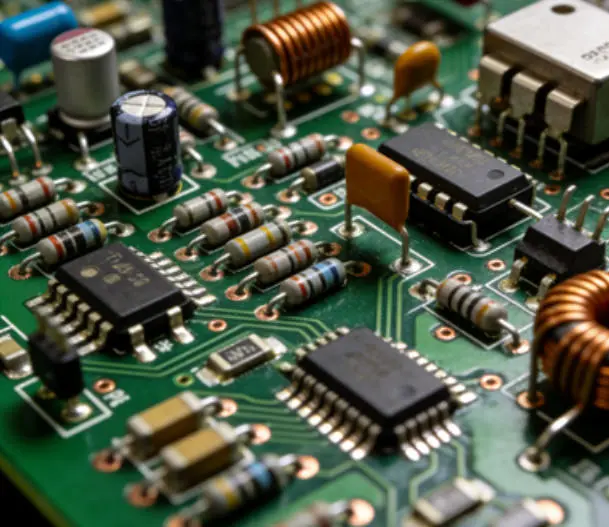
Authentic Electronic Components are the building blocks of solid industrial goods in every field, from medical devices to car systems. These original parts go through a lot of testing and approval steps to make sure they meet the standards set by the maker and the industry. There are many more differences between real and fake parts than just quality. These differences affect safety, dependability, and long-term performance.
Defining Authentic Components and Their Critical Role
Real electrical parts have official marks like UL, RoHS, and ISO compliance marks that show they are real and meet safety standards. Big companies that make parts, like Texas Instruments, Analog Devices, and Microchip, spend billions of dollars on research and development to make parts that work the same way every time under certain conditions. Many tests are done on these real parts to see how well they work with electricity, how well they handle different temperatures, and how long they last mechanically.
Reports from the chip business say that fake parts fail up to 1,000 times more often than real ones. This big difference is caused by using low-quality materials, not checking them properly, and production methods that put cutting costs ahead of quality control. Because authentic components have predictable performance qualities, engineers can create goods with trust and manufacturers can give their customers reliable solutions.
Real-World Impact of Counterfeit Components
Using fake electronic parts has effects that go beyond just breaking the product right away. In 2019, there were more than 2,000 reports of fake electronics being used in the aerospace business. These reports led to millions of dollars being spent on safety probes and recalls. Similar problems have been reported by companies that make medical devices, with fake parts breaking down equipment and putting patients at risk.
When fake parts get into the supply lines of manufacturing companies, they run big financial risks. Businesses have to think about more than just the instant cost of replacing a part. They also have to think about production delays, quality assurance investigations, and possible liability problems. The damage to a brand's image over time can be even more expensive than the short-term loss of money.
Challenges in Sourcing Authentic Components Globally
Global component buying comes with a lot of problems that need complicated answers and a lot of knowledge about the business. It's hard for procurement workers to find reliable component sources because there are so many illegal sellers, certification requirements vary by area, and technology is changing so quickly.
Identifying Reliable Suppliers in Complex Markets
There are thousands of wholesalers, brokers, and middlemen in the global electronics supply chain, which makes checking suppliers a very difficult task. The process of identification is made harder by the fact that different areas have different licensing standards and legal requirements. Professionals in procurement have to deal with all of these issues while keeping costs low and supply dates on track.
Gray market sellers often offer good deals on parts that might be real but don't come with the right paperwork or a guarantee. Some examples of these parts are parts that were taken out of the markets they were meant for, devices that have been marked, or goods that have gone past their suggested shelf life. Authentic Electronic Components can sometimes be found in these channels, but even though these parts aren't always fake, makers who need to be sure of performance and tracking run more risks when they use them.
Regional Certification and Standards Variations
Different sets of rules govern international markets, which affects how parts are verified and the quality of the final product. RoHS and REACH rules are very important in European markets, while UL and FCC standards are more important in North American markets. For Asian areas, extra certifications are often needed that are special to the rules and safety standards in that area.
These different rules make things harder for global sourcing teams that have to make sure parts meet the needs of many markets. For different licensing standards, suppliers need to keep records, and procurement experts need to know how to check compliance across multiple legal frameworks.
Our Systematic Approach to Global Sourcing of Authentic Electronic Components
Ring PCB has come up with a complete way to source parts that uses technology, knowledge, and strategic relationships to make sure the parts are real. Our method puts a lot of weight on proof at every step of the buying process, from the initial screening of suppliers to the final confirmation of delivery.
Rigorous Supplier Selection and Verification Process
Our process for qualifying suppliers starts with thorough background checks and direct permission checks with component makers. We only work with authorized resellers and franchised providers who can provide full paperwork and trackability for all of their parts. Some of these providers are Arrow Electronics, Avnet, and Digi-Key, which have built direct partnerships with component makers.
Each possible seller is checked against a number of factors, such as their ability to pay, their quality licenses, and their history of delivering genuine parts. We check their permission status in files maintained by the manufacturers and, if needed, do audits on-site. The best standards for Authentic Electronic Components procurement are upheld by our source network thanks to this strict method.
Advanced Quality Control and Authentication Methods
Our quality assurance process uses a number of different authentication tools and checking methods to make sure that the parts we use are real. We use advanced methods like X-ray analysis to see the structures inside the parts, decapsulation to check the die, and electrical tests to make sure the performance specs match what the maker says they should be.
Serializing parts and keeping track of batches make it possible to follow them all the way from the maker to the final assembly. Throughout our supply chain, we keep thorough records of where parts come from, how they are handled, and how they are stored. This documentation makes it easy to find and fix any quality problems quickly, and it also gives users full sight into where their parts come from.
Transparent Logistics and Communication Systems
Our transportation network lets you track and talk to people in real time during the whole process of buying and delivering goods. Through our combined systems, we keep customers up to date on the state of their orders, let them track shipments, and confirm deliveries. This openness builds trust and lets people plan ahead for output schedules.
We keep strategic store sites in several regions so that we can quickly meet urgent needs while keeping shipping costs and delivery times as low as possible. Our operations are open 24 hours a day, seven days a week. This means that we can communicate and help people around the world even when they are in different time zones.
Comparing Authentic Components with Alternatives: What B2B Clients Need to Know
Being aware of the differences between real parts and other options helps you make smart purchasing choices that balance cost, quality, and danger. Each group has its own pros and cons that affect how well the product works and how well the business does in the long run.
Quality and Performance Characteristics
With manufacturer specs and guarantee coverage, Authentic Electronic Components deliver predictable performance qualities. During production, these parts are put through a lot of tests and have to meet high quality standards that make sure they work the same way in all temperature ranges, voltage levels, and weather conditions.
Because they are made with inferior materials and methods, counterfeit parts often have uncertain performance traits. Professional groups in the industry have found that fake parts often don't meet basic electricity requirements, don't work within the right temperature ranges, and break down too soon when used normally.
Parts that have been used before and have been fixed up are in the middle between real new parts and fake copies. High-quality repair methods can bring parts back to almost their original state, but they need to be carefully checked against refurbishment standards and testing methods.
Cost Analysis and Hidden Expenses
It may seem like buying fake parts will save you money at first, but when you add up the costs of replacements, warranty claims, and possible legal problems, they often end up being more expensive than buying real parts. Companies that make things say that when a fake part fails, it can cost 10 to 50 times the price of the real part. This is because of the costs of customer service, production delays, and repairs.
Authentic parts have known prices over their entire life, and the maker backs them up with guarantees and expert support. This level of dependability makes it possible to accurately plan costs and lowers the financial risks that come with parts failing or not working as expected.
Best Practices for Procuring Authentic Electronic Components: Tips for B2B Clients
To guarantee constant access to Authentic Electronic Components at low pricing, effective procurement strategies mix technical know-how, seller relationship management, and risk mitigation techniques. These methods have changed over time as the industry has grown and technology has improved, in order to meet the needs of today's supply chains.
Strategic Supplier Relationship Development
When you form long-term relationships with approved wholesalers, you can get better technical help, better prices, and priority placement during shortages of parts. For these relationships to work, both people must consistently communicate, accept each other, and agree to meet high standards.
Diversified seller networks keep quality standards high while lowering the risks that come with relying on a single source. For crucial parts, procurement teams should build relationships with multiple authorized sellers and stay away from unauthorized sources that could pose a risk of counterfeiting.
Here are some important parts of a good business partnership:
• Certification Verification: Check the supplier's permission status on a regular basis by searching maker databases and keep records of all certifications and quality standards up to date.
• Performance Monitoring: Keep an eye on seller performance measures like on-time deliveries, the quality of parts, and how quickly they respond to help requests to make sure that service levels stay the same.
• Communication Protocols: Make sure there are clear ways for technical help, order management, and problem settlement to communicate with each other so that operations run smoothly.
• Risk Assessment: Look at how financially stable your suppliers are, how spread out they are geographically, and how much extra capacity they have to make sure your supply chain can handle market shocks.
These parts of a partnership help build long-lasting ties with suppliers that ensure the authenticity of parts and help with successful long-term buying.
Quality Assurance and Risk Management
Putting in place thorough quality assurance procedures keeps operations running smoothly and protects against fake parts. These steps should include ways to check arriving parts, ways to make sure they are real, and systems for keeping track of everything that happens so that quality problems can be fixed quickly.
Diversified sources, smart inventory management, and finding other parts are all part of risk management strategies that deal with possible supply chain disruptions. Purchasing teams should stay up to date on the market, the state of each component's lifecycle, and any possible obsolescence problems that could affect the long-term supply of goods.
Conclusion
Global sourcing of Authentic Electronic Components necessitates the development of knowledge, technology, and strategic alliances that guarantee the genuineness of the components while keeping affordable prices and timely delivery. At Ring PCB, we use a methodical approach that includes strict source verification, advanced quality control, and open communication to make sure that our customers get the real parts they need for successful product development and manufacturing. With 18 years of experience and a wide range of certifications, we are a reliable partner for businesses looking for reliable ways to source components in today's complicated global market.
FAQ
How can I be sure that the parts I'm buying are real before I place big orders?
Verifying the validity of a component involves a number of steps, such as confirming the supplier's permission, inspecting the component, and reviewing the paperwork. Authorized sellers provide validity papers and tracking paperwork that prove where parts came from. Checking the markings on the box, analyzing the die, and doing electrical tests are all physical inspection methods that can be used to make sure that the part specifications match the manufacturer's standards.
What kinds of approvals should I look for in part suppliers?
Some important certificates are ISO 9001 for managing quality, AS9120 for distributing aerospace products, and specific maker authorizations for part lines. Suppliers should also make sure they follow any regional rules that apply, like those for RoHS, REACH, and reporting conflict minerals.
How do I find a good mix between cutting costs and making sure that the parts are authentic?
To get real parts at low prices, you need to use smart sourcing techniques, like negotiating big deals with approved distributors, planning your product's lifecycle to avoid paying extra for old parts, and forming partnerships with suppliers that give you better prices. Avoiding fake parts lowers the total cost of ownership in the long run by making the system more reliable and lowering the number of times it breaks.
What kind of paperwork should sellers give to make it easy to track down parts?
Manufacturer certificates of compliance, date codes, lot numbers, storage condition records, and chain of custody paperwork are all parts of full tracking documentation. This knowledge makes it easy to quickly find out where parts came from and helps with quality investigations when they're needed.
How can I avoid problems with parts becoming obsolete?
To handle obsolescence, you need to keep an eye on the state of a component's lifecycle, find similar components, and plan your inventory strategically. Working with sellers who let you know when an item is no longer available and suggest alternatives helps keep production going while avoiding the risk of fakes from unofficial sources.
Partner with Ring PCB for Reliable Authentic Electronic Components Sourcing
Through our global network of certified sources and cutting-edge quality assurance systems, Ring PCB provides unmatched experience in Authentic Electronic Components Sourcing. Our reasonable prices and availability 24 hours a day, seven days a week mean that we can quickly meet your purchasing needs while still upholding the greatest standards for genuine components. Get in touch with us at [email protected] to learn more about our full package solutions, which include 48-layer multilayer circuit boards and foreign ISO certifications that go above and beyond what the industry requires.
References
1. Institute for Electrical and Electronics Engineers Standards for Component Authentication and Supply Chain Security, IEEE Press, 2023.
2. Electronic Components Industry Association Global Supply Chain Risk Assessment Report, ECIA Publications, 2023.
3. International Association of Electronics Recyclers Counterfeit Component Detection Guidelines, IAER Technical Standards, 2022.
4. Semiconductor Industry Association Best Practices for Component Sourcing and Authentication, SIA Industry Guidelines, 2023.
5. Association Connecting Electronics Industries Standards for Electronic Component Procurement and Quality Assurance, IPC Standards Documentation, 2022.
6. Global Electronics Council Sustainable Electronics Initiative Component Sourcing Guidelines, GEC Publications, 2023.

Welcome to Ring PCB! Share your inquiry, and receive a tailored quotation!

Ring PCB, your trusted partner for PCB & PCBA Full Turnkey Solutions