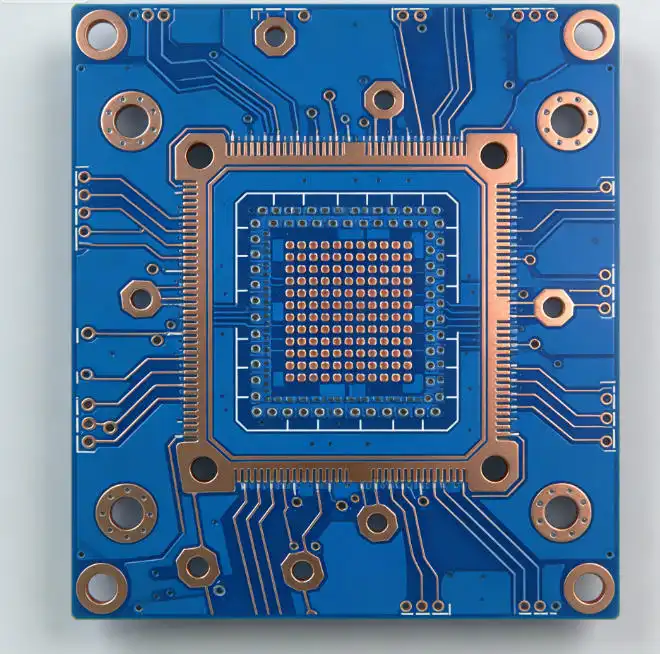
Automotive electronics PCBA is a kind of circuit board assembly that is designed to work under very harsh circumstances in current cars. Unlike regular consumer electronics, these tough assemblies have to keep important vehicle operations going while withstanding temperature changes from -40°C to +125°C, strong vibrations, wetness, and electromagnetic interference. The automotive electronics PCBA industry has very high criteria for dependability since failure might put safety-critical systems like engine control units, sophisticated driver assistance systems, and electric vehicle power management modules at risk.

Comprehending Automotive Electronics PCBA in Harsh Environments
The car sector works in very harsh environmental conditions that drive electronic parts to their limits. Vehicle systems are always exposed to engine heat, road shocks, temperature changes, humidity changes, and chemical pollutants. For procurement experts looking for dependable electronic solutions, it's important to know how automotive PCBA assemblies deal with these problems.
What is Automotive Electronics PCBA?
Automotive electronics PCBA is made up of printed circuit boards that have been carefully chosen and put together for use in vehicles. These assemblies include microcontrollers, sensors, power management circuits, and communication interfaces that are made to fulfill automotive-grade standards. The main distinction between automotive PCBA and consumer electronics is how parts are tested, how materials are chosen, and how they are put together.
Automotive-qualified semiconductors that have been put through a lot of testing according to AEC-Q requirements are some of the most important parts. These parts can work in a wider range of temperatures, are better at withstanding vibrations, and last longer. To make sure that products last a long time, manufacturing methods include extra quality controls including heat cycling, vibration testing, and environmental stress screening.
How Does Automotive Electronics PCBA Work in Harsh Conditions?
Automotive PCBA assemblies use a number of technical techniques to keep working even in very bad situations. Thermal management methods include optimizing copper pours, using thermal vias, and integrating heat sinks to get rid of heat from power components. When designing a mechanical system, you need to think about things like flexible routing, where to put components, and what substrate material to use to make sure it can handle vibration and shock loads.
Conformal coatings that keep moisture and corrosion out and EMI shielding that keeps electromagnetic interference from affecting sensitive circuitry are two examples of environmental protection methods. Power supply circuits include a broad variety of input voltages and protection against short-term electrical problems that are typical in car electrical systems.
Key Benefits of Automotive PCBA Customized for Harsh Environments
Customized automobile PCBA solutions are far better than conventional assemblies in many ways. Better dependability means fewer warranty claims and field failures, which protects the brand's reputation and keeps customers happy. Extended operating temperature ranges in Automotive electronics PCBA make it possible to use them in engine compartments and outside without losing performance.
Following vehicle safety standards like ISO 26262 makes ensuring that functional safety criteria are satisfied, which lowers the risk of liability. Cost-effectiveness comes from less maintenance, longer replacement cycles, and more time on the road for the vehicle. These benefits provide automobile manufacturers and system integrators a clear edge over their competitors.
Design Principles and Reliability Standards for Automotive Electronics PCBA
To build a successful automotive PCBA, you need to follow established rules and industry standards that make sure the PCBA works well for the whole life of the vehicle. Design engineers have to fulfill strict safety and quality standards while also balancing performance needs with environmental limits.
Fundamental Design Principles for Harsh Environment PCBA
Choosing the right materials is the most important part of designing a dependable automobile PCBA. FR-4 substrates that can handle high temperatures and have Tg values above 170°C stay stable when the temperature changes. Lead-free solder alloys that satisfy automotive standards make sure that joints are strong and follow environmental rules.
When choosing components, automotive-qualified parts are more important than commercial-grade parts. Compared to through-hole components, surface mount technology is better at resisting vibrations. When placing components, you need to think about how to regulate heat and distribute mechanical stress. Ground plane optimization, thermal vias placement, and component derating are all examples of thermal management procedures that make sure devices work reliably within a certain temperature range.
Automotive Electronics PCBA Reliability and Industry Standards
Standards in the industry provide guidelines for making sure that automotive PCBA is safe and reliable. ISO 26262 sets standards for the functional safety of electronic systems in cars. It requires methods for hazard analysis and risk assessment. IPC-A-610 Class 3 sets requirements for high-reliability electronics work, including standards for solder connections, component positioning, and assembly quality.
The AEC-Q100 certification rules for automotive semiconductor parts say that they must go through temperature cycling, humidity testing, and electrical stress screening. These standards make guarantee that parts work as they should throughout the life of a car. Accelerated life testing, thermal shock testing, and vibration testing are all parts of reliability testing that check long-term performance.
Common Failure Modes and Mitigation Strategies
Automotive PCBA assemblies are prone to several failure mechanisms in adverse situations. Thermal cycling stress makes solder joints weak, especially in big parts where the thermal expansion coefficients don't match. When conductive traces and component terminals are exposed to moisture and salt, they corrode.
Some ways to reduce the damage are to optimize the solder alloy, apply underfill to the components, and use conformal coating protection. Changes to the design, such adding thermal relief patterns, optimizing component positioning, and choosing the right substrate material, lower stress concentrations. Controls in the manufacturing process, such as optimizing the reflow profile and controlling the humidity, stop assembly mistakes that might cause problems in the field.
Manufacturing Process and Testing Methods of Automotive PCBA
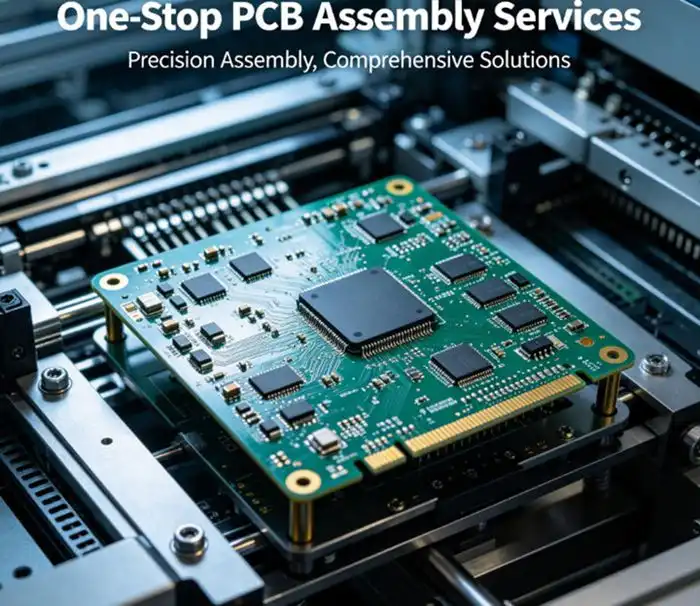
To make automotive PCBA that is reliable for cars, you need unique methods and strict quality standards. To make sure that the quality is always the same, production facilities must have environmental controls in place, set up traceability systems, and follow thorough testing processes for Automotive electronics PCBA.
Step-by-Step Manufacturing Process for Automotive Electronics PCBA
The first step in the production process is to check the materials that come in to make sure they are real and meet quality standards. PCB manufacture follows automotive standards and includes features like blind vias, regulated impedance, and materials that can handle high temperatures. Precision stencils made for automotive solder alloys and component packages are used to apply solder paste.
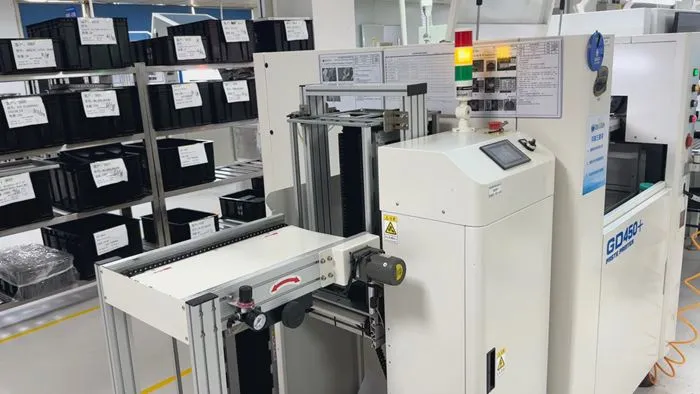
For proper placement, component placement uses high-precision pick-and-place machines with vision systems. Reflow soldering uses temperature profiles that are best for automotive solder alloys and the needs of the components. Automated optical inspection, in-circuit testing, and functional verification are all parts of quality control that happen throughout the process. They help find problems before final assembly.
Advanced Testing Methods to Ensure PCBA Performance
There are many steps in automotive PCBA testing to make sure that it works reliably. Automated optical inspection finds problems with the arrangement of parts, solder joints, and contamination. Using bed-of-nails fixtures, in-circuit testing checks the values, polarity, and fundamental operation of components.
Environmental stress screening puts assemblies through temperature cycling and vibration testing to bring out any hidden problems. Functional testing checks that the whole system works by running it under simulated operational scenarios. Thermal cycling tests check the stability of solder joints by making them go through repeated temperature changes. Mechanical stress tests check the integrity of an assembly by putting it under vibration and shock loads.
Lead Time and Cost Considerations for Procurement
The time it takes to get an automotive PCBA depends on how complicated it is, how many you need, and how easy it is to get the parts. For prototype numbers, quick-turn services usually take 2 to 3 weeks. For production levels, they may take 6 to 8 weeks, including qualification testing. Flexible production methods that keep setup costs low while keeping quality requirements high are good for low-volume orders.
Choosing the right materials, making the assembly more complicated, and testing requirements are all cost issues. Compared to commercial parts, parts that are certified for use in cars cost more. The cost of labor goes up when the manufacturing process is complicated, and the cost of testing goes up when there are a lot of tests to do. Volume pricing benefits become important when output amounts are more than 1000 pieces per year.
Choosing the Right Automotive Electronics PCBA Supplier for Harsh Environments
To choose the best automotive PCBA suppliers, you need to carefully look at their skills, qualifications, and past work. Partnerships with suppliers have a big effect on the quality of products, how well they are delivered, and long-term success in the automotive electronics PCBA industry.
Criteria for Selecting Reliable Automotive PCBA Manufacturers and Suppliers
IATF 16949 certification, which shows that the supplier follows automotive quality systems, is one of the most important credentials. ISO 9001 certification sets the basic rules for a quality management system. Manufacturing skills should include techniques that are specialized to cars, such as conformal coating, environmental testing, and systems for tracking.
Having experience with automotive applications is very important for knowing the specific needs and possible problems. When assessing a supplier, you should look at their automotive customers, their knowledge of applications, and their ability to solve problems. Supply chain transparency makes guarantee that parts are real and of good quality. Having established partnerships with automotive-qualified component manufacturers lowers the risks of buying parts.
Comparison Between Domestic and International PCBA Suppliers
Evaluating global suppliers shows that certain locations have clear advantages over others. Many Chinese suppliers have facilities that meet automotive quality requirements and certifications, and they provide reasonable prices and the capacity to scale up production. American vendors are close by, which makes prototyping and communication easier. They also tend to focus on high-reliability applications.
European suppliers are quite good at making cars, especially luxury cars that need the best quality. When managing risk, you should think about things like the stability of the supply chain, protecting intellectual property, and geopolitical variables. When doing a cost-benefit analysis, you should compare the initial price to the entire cost of ownership, which includes quality risks, delivery performance, and the value of a long-term collaboration.
How to Evaluate and Engage with Turnkey Automotive PCBA Service Providers?
Turnkey service companies provide a whole range of services, including design help, finding parts, putting things together, and testing. Some of the things that are looked at include the technical skills needed for DFM optimization, the networks for buying automotive-qualified parts, and the quality systems that allow for traceability and control.
Communication skills are very important for managing projects and providing technical help. Sample approval procedures should show that they can do a good job while also setting performance standards. Long-term success in a relationship depends on post-sales support, which includes field failure analysis, technical adjustments, and the ability to scale production.
Practical Applications and Future Trends of Automotive Electronics PCBA in Harsh Environments
Automotive electronics are still being used in novel ways, but the environmental standards are becoming stricter. Procurement experts may better plan for future demands and choose the right technology for Automotive electronics PCBA if they know about existing uses and new trends.
Key Automotive PCBA Applications in Harsh Conditions
Engine control units are important automotive PCBA applications that are subjected to high temperatures and vibrations. These assemblies handle fuel injection, ignition timing, and emissions while working in engine chambers where the temperature may exceed 125°C. Advanced driver assistance systems need to work well in different weather situations while analyzing sensor data to make judgments that are important for safety.
Electric vehicle applications have their own set of problems, such as high-voltage isolation, managing heat for power electronics, and electromagnetic compatibility. Infotainment systems need to work well even when the temperature changes and there is vibration, and they need to be easy to operate. Connected car systems need more cybersecurity and over-the-air update capabilities than regular vehicles.
Emerging Design and Manufacturing Trends
Smart material integration lets automotive PCBA assemblies keep an eye on themselves and change their behavior as needed. Flexible PCBA technology makes it possible to fit into complicated shapes while still working well electrically. These new ideas make it possible to package things in new ways and make them more reliable in tough situations.
Industry 4.0 integration changes production by using AI to check quality and forecast when maintenance will be needed. Digital twin technologies let you check and improve production processes in a virtual way. Improvements in automation lower the chance of human mistake while raising the uniformity and traceability of manufacturing.
Environmental Considerations and Sustainability in Automotive PCBA
With tighter RoHS and REACH rules, environmental compliance requirements are changing. More and more, car makers want to use eco-friendly materials and procedures to help their companies accomplish their environmental objectives. Water-based cleaning methods, recyclable packaging, and energy-efficient production equipment are all examples of eco-friendly ways to make things.
Design choices are influenced by end-of-life factors, leading to the use of recyclable materials and easier disassembly methods. Life cycle assessment methods help us figure out how products affect the environment throughout their whole lives. These factors are becoming more important in choosing suppliers and making design choices in vehicle electronics.
Conclusion
Automotive electronics PCBA for severe environments needs unique engineering, production, and quality methods to make sure it works well in tough situations. To be successful, you need to know the specific needs of the automobile industry, choose the right suppliers, and use the right design and production methods. The changing world of cars offers chances for new ideas, but we must always keep dependability, safety, and following the law in mind. Procurement experts benefit from working with experienced suppliers that know how to solve automotive problems and provide solutions that fulfill strict performance and quality standards.
FAQ
Q1: What distinguishes automotive PCBA from consumer electronics PCBA?
A: Automotive PCBA has very different criteria for component certification, environmental conditions, and dependability. AEC-qualified parts that can work in a wider range of temperatures (-40°C to +125°C), are more resistant to vibrations, and last longer are used in automotive assembly. Manufacturing procedures include extra quality controls, environmental tests, and traceability requirements that aren't usually present in consumer devices.
Q2: How can automotive PCBA withstand extreme environmental conditions?
A: Automotive PCBA assemblies need specific materials including high-temperature substrates, automotive-grade solder alloys, and conformal coatings to keep moisture out. Thermal management optimization, mechanical stress distribution, and EMI shielding are all design strategies that make sure the system works reliably. When choosing components, the most important thing is to choose parts that are certified for use in cars and have been through a lot of environmental testing and qualifying.
Q3: What is the typical lead time for custom automotive PCBA manufacturing?
A: The time it takes to complete a task depends on how complicated it is and how much has to be done. When it comes to quick-turn services, prototype quantities usually take 2–3 weeks. Production numbers, on the other hand, might take 6–8 weeks, including qualification testing. Availability of parts influences scheduling, especially for specialist automotive-qualified parts. Flexible production methods that cut down on setup time while keeping quality standards high are good for low-volume orders.
Partner with Ring PCB for Superior Automotive Electronics PCBA Solutions
Are you ready to take your car projects to the next level with dependable, high-performance PCBA solutions? Ring PCB offers automotive electronics PCBA manufacturing services at cheap prices, with fast 24/7 online assistance and the ability to keep making products all the time, which is far faster than normal delivery periods. We use up to 48-layer multilayer circuit boards in our sophisticated production. These boards are supported by worldwide ISO certifications and IATF 16949 automotive quality requirements. With our demonstrated experience in severe environments, you can expect speedier and more efficient delivery.[email protected] to discuss your specific requirements and receive a customized quote tailored to your automotive electronics needs.
References
1. Automotive Electronics Council. "AEC-Q100 Failure Mechanism Based Stress Test Qualification for Integrated Circuits." Automotive Electronics Council Standards, 2019.
2. International Organization for Standardization. "ISO 26262: Road Vehicles - Functional Safety." ISO Standards Publication, 2018.
3. IPC International. "IPC-A-610 Class 3: Acceptability of Electronic Assemblies for High Performance Applications." IPC Standards Documentation, 2020.
4. Society of Automotive Engineers. "SAE J1211: Recommended Environmental Practices for Electronic Equipment Design in Heavy-Duty Vehicle Applications." SAE International Standards, 2021.
5. Automotive Industry Action Group. "IATF 16949: Quality Management System Requirements for Automotive Production and Service Parts Organizations." AIAG Publications, 2016.
6. Electronic Industries Alliance. "EIA-364: Electrical Connector/Socket Test Procedures Including Environmental Classifications." EIA Standards Publication, 2019.