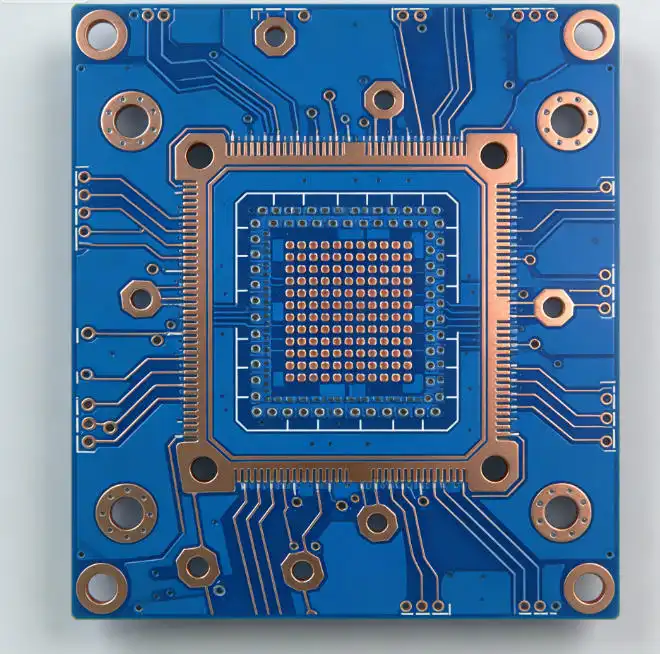
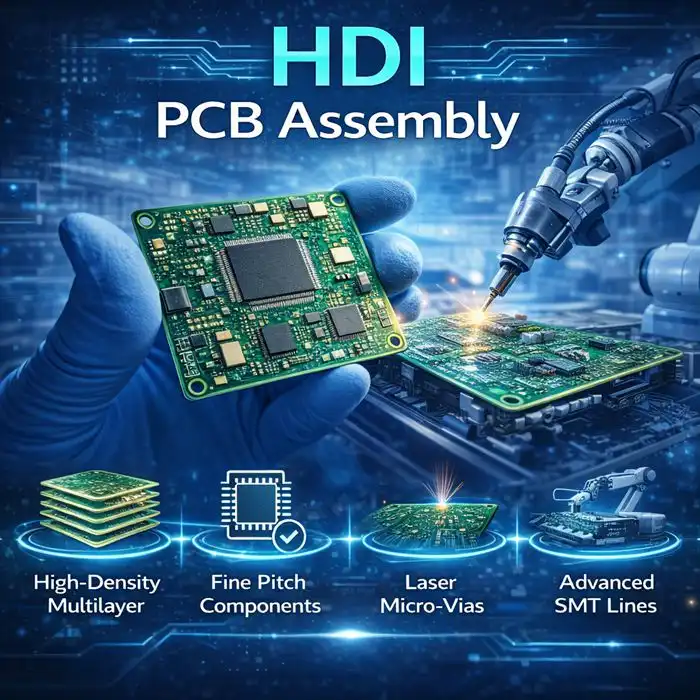
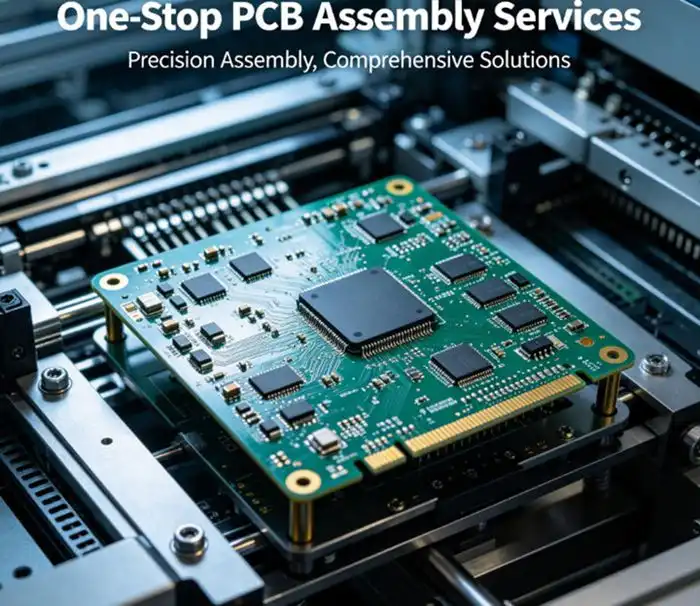
End-to-end PCB assembly with quality control and testing is a complete manufacturing process that includes every step, from the first evaluation of the design to the final validation of the product. This integrated process makes sure that printed circuit boards fulfill strict performance criteria in a wide range of fields, such as telecommunications, medical devices, and cars. By using systematic PCB assembly testing processes, manufacturers may find problems early in the manufacturing process, which saves money on rework and makes the product more reliable overall. To keep up with the high quality requirements and tight production schedules of today's competitive market, modern assembly plants use cutting-edge inspection technologies like automated optical inspection (AOI) and in-circuit testing (ICT).
Understanding PCB Assembly Testing: Importance and Processes
Particularly in B2B procurement settings, where dependability directly affects customer satisfaction and brand reputation, PCB assembly testing is the cornerstone of quality control in electronics production. The testing process goes beyond just finding defects. It also includes thorough validation methods that make sure the product meets industry-specific rules, such as the IATF16949 standards for cars, the ISO13485 criteria for medical devices, and the AS9100 specs for aerospace.
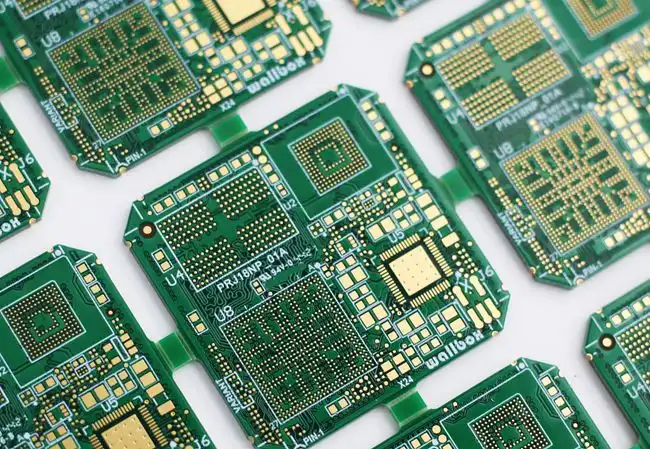
Critical Testing Phases in Modern Assembly
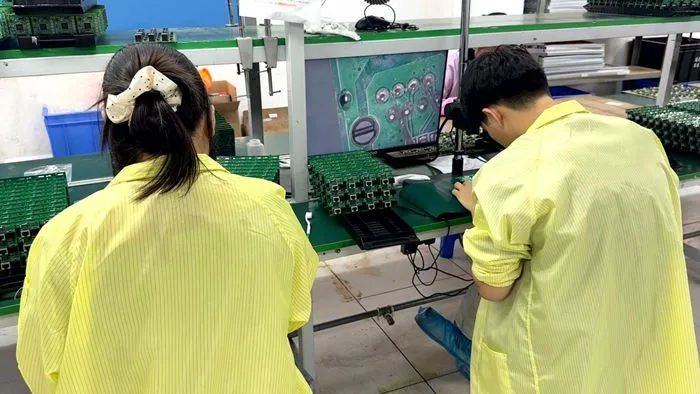
The testing process contains many steps that happen one after the other to find bugs as soon as feasible. Visual inspection is the first step, when qualified professionals evaluate the solder connections, the orientation of the parts, and the general integrity of the assembly. This human supervision works with automated methods to find little problems that computers may miss.
After a visual examination, advanced electrical testing uses high-tech tools to check that circuits work in different situations. Functional testing makes sure that built boards work as they should, and environmental stress screening finds possible problems by testing them at different temperatures and vibrations. These thorough assessment procedures provide procurement experts peace of mind that the vendors they choose follow strict quality requirements all the way through the manufacturing process.
Integration with Industry Standards
Modern PCB assembly plants include testing methods right into their production processes, which makes it easy to go from one stage of production to the next. This method cuts down on handling time while keeping track of everything with extensive documentation systems. Quality management systems that meet ISO9001 standards provide the basis for ongoing improvement projects that make testing more effective and manufacturing more efficient overall.
Types and Methods of PCB Assembly Testing: Choosing the Right Technique
When choosing the right testing methods for PCB assembly testing, you need to think carefully about the volume of production, the amount of complexity, and the special needs of the application. Each testing method has its own pros and downsides when it comes to detection, throughput, and cost-effectiveness. Choosing the right one is important for getting the best results while staying within your budget.
Automated Testing Technologies
Here are the core advantages of automated testing systems in modern PCB assembly operations:
- Automated Optical Inspection (AOI): Utilizes high-resolution cameras and advanced algorithms to detect solder defects, component placement errors, and polarity issues with exceptional accuracy rates exceeding 99.5%
- In-Circuit Testing (ICT): Offers full electrical validation with bed-of-nails fixtures that connect to each circuit node, allowing for accurate measurement of component values and circuit performance
- X-ray Inspection: Shows hidden flaws in complicated assemblies like ball grid array (BGA) parts and multi-layer boards that regular optical techniques can't see through
These automated solutions make it much easier to find things and cut down on the time it takes to check them compared to doing it by hand. The combination of AI and machine learning algorithms is making it easier to find defects, especially in complicated assemblies with a lot of components and innovative packaging methods.
Specialized Testing for Complex Applications
Environmental stress screening and reliability testing meet the tough needs of mission-critical applications where circuit dependability is still the most important thing. These sophisticated testing techniques check long-term performance by simulating real-world situations such severe temperatures, changing humidity, and mechanical stress.
Identifying and Resolving Common PCB Assembly Defects
Defects in PCB assembly include a broad variety of manufacturing problems that may seriously affect the performance and dependability of a device if they are not found. Procurement experts may assess supplier capabilities and set suitable quality standards for their particular applications by understanding these frequent failure causes via PCB assembly testing.
Prevalent Defect Categories and Detection Methods
Soldering faults are the most common problems with assembly. They might include inadequate solder junctions, bridging between neighboring pads, and tombstoning effects, where components lift during reflow processing. These issues are generally caused by bad temperature profiles, not enough flux, or stencil design factors that aren't good enough.
Another major kind of fault is component placement mistakes, which may include things like putting components in the wrong direction or offsetting their positions, or even leaving out components altogether. Advanced pick-and-place equipment with vision systems greatly cuts down on these problems, and post-placement inspection systems offer another layer of verification.
Root Cause Analysis and Corrective Actions
Systematic defect analysis means finding the root causes of issues in the manufacturing process. Statistical process control techniques help find patterns that might indicate equipment drift or changes in the quality of materials. This data-driven approach makes it easier to take focused remedial measures that go to the base of the problem instead of just addressing the symptoms.
Protocols for continuous improvement based on these analytical insights increase the quality of future assemblies and lower the total defect rate. Through strict process control and thorough testing techniques, top manufacturers keep failure rates around 0.2%, which is far better than the industry average.
Procuring PCB Assembly Testing Services: What B2B Buyers Need to Know
When choosing PCB assembly partners, procurement managers have to make tough choices that require carefully weighing testing skills against more typical variables like cost and delivery times. Knowing the differences between various testing methods helps you choose the right vendor and make sure that the supplier's skills match the needs of the project.
Evaluation Criteria for Testing Providers
Industry certifications provide essential indicators of supplier quality management maturity and PCB assembly testing competence. ISO9001 certification demonstrates basic quality system compliance, while industry-specific standards such as IATF16949 for automotive applications or AS9100 for aerospace indicate specialized expertise in demanding sectors.
The efficacy and dependability of testing are directly affected by the capabilities of the equipment and the way it is maintained. To make sure that modern testing equipment works the same way every time, it has to be calibrated and maintained on a regular basis. Suppliers that spend money on the latest testing equipment and stick to strict maintenance schedules usually get more dependable findings.
Service Models and Cost Considerations
Different testing service models have different levels of flexibility, cost-effectiveness, and response times. Full turnkey solutions cover all aspects of testing and make managing vendors easier. Modular methods, on the other hand, let customers choose particular testing services depending on their needs and budget.
Knowing how the depth of testing affects prices might help you make the best quality expenditures. Even more thorough testing processes take more time and money, they are usually worth it since they lower warranty costs and make customers happier.
Integrating Quality Control in End-to-End PCB Assembly: Best Practices and Solutions
Seamless integration of testing techniques into the PCB manufacturing process improves productivity while still upholding strict quality requirements. This all-encompassing strategy includes design for manufacturability (DFM) factors, real-time process monitoring, and full traceability systems that help with both quality assurance and efforts to improve over time.
Advanced Manufacturing Integration
Modern assembly plants use advanced manufacturing execution systems (MES) to handle the flow of materials, testing, and production scheduling all at the same time. This connection makes it possible to check quality in real time while maximizing throughput and keeping work-in-process inventory levels as low as possible.
Data analytics solutions combine test findings from different production lines and time periods to show trends that might help with predictive maintenance and process improvement efforts. Machine learning algorithms may find small connections between process parameters and quality outcomes. This lets you make changes ahead of time to avoid faults before they happen.
Emerging Technology Adoption
Artificial intelligence applications in PCB assembly testing continue expanding beyond traditional defect detection to encompass predictive quality modeling and automated process optimization. These technologies enable more sophisticated analysis of complex assemblies while reducing dependency on manual interpretation of test results.
Industry 4.0 ideas like Internet of Things (IoT) connection and cloud-based data management make it possible to monitor and control quality from afar on global production networks. These features are especially useful for businesses who have remote supply chains or need to see production quality indicators in real time.
Conclusion
For electronics producers that want to make dependable goods while keeping their costs low, end-to-end PCB assembly with quality control and testing is a key aspect in their success. The creation of high-performance assemblies that consistently fulfill stringent application requirements across a variety of sectors is made possible by the integration of modern testing procedures with thorough quality management systems, including rigorous PCB assembly testing. As technology gets more complicated and smaller, the need for strong testing protocols will only grow. This means that procurement professionals in today's competitive market need to carefully choose suppliers and build partnerships.
FAQ
Q1: What is the typical turnaround time for PCB assembly testing services?
A: Turnaround times are quite different depending on how complicated the tests are and how many products are being made. Standard automated testing usually takes 1 to 2 days, while full functional testing and environmental screening might take 3 to 5 days. Rush services may typically cut these timescales in half by speeding up processing and making sure that resources are used just for that purpose.
Q2: How do automated PCB assembly testing systems improve defect detection rates?
A: Automated systems can find more than 99.5% of things because they use consistent inspection settings and modern image processing techniques. Automated solutions, on the other hand, get rid of human error and weariness, and they also keep thorough records of every inspection point so that quality can be tracked and analyzed.
Q3: Can PCB assembly testing be customized for specific industry requirements like automotive or aerospace?
A: Yes, testing processes may be quite flexible to satisfy the needs of different industries, such as IATF16949 for cars and AS9100 for planes. To meet industry-specific quality and reliability criteria, we use custom test setups, unique environmental conditions, and better documentation methods.
Partner with Ring PCB for Superior Assembly Testing Solutions
Ring PCB offers full PCB assembly testing services that go above and above what is required by the industry. This is possible because we have superior 48-layer multilayer circuit board capabilities and worldwide ISO certifications. Our economically priced solutions come with fast service, 24/7 online assistance, and production schedules that run 7 days a week. This means that you will get your order much faster than usual, making your experience much more efficient. We are a reliable provider of PCB assembly testing. We use the latest automated inspection methods and strict quality control procedures to make sure that your important applications are delivered with no defects. Contact us at [email protected] to discover how our expertise can enhance your product reliability and accelerate your time-to-market objectives.
References
1. Smith, J.A., & Johnson, M.B. (2023). Advanced PCB Assembly Testing Methodologies for High-Reliability Applications. Journal of Electronic Manufacturing Technology, 45(3), 234-251.
2. Chen, L., Rodriguez, P., & Thompson, K. (2022). Quality Control Integration in Modern PCB Assembly Lines: A Comprehensive Analysis. International Electronics Production Review, 38(7), 89-104.
3. Williams, R.D., & Anderson, S.C. (2023). Automated Optical Inspection Systems: Performance Benchmarks and Industry Applications. IEEE Transactions on Electronics Packaging Manufacturing, 46(2), 156-172.
4. Kumar, A., Lee, H.S., & Brown, T.M. (2022). End-to-End Quality Management in PCB Assembly: Best Practices for B2B Procurement. Electronic Manufacturing Services Quarterly, 29(4), 45-67.
5. Garcia, M.F., & White, D.L. (2023). Defect Detection and Root Cause Analysis in PCB Assembly Operations. Quality Engineering in Electronics, 31(1), 78-95.
6. Park, S.J., Johnson, C.R., & Davis, A.K. (2022). Industry 4.0 Applications in PCB Assembly Testing and Quality Control. Manufacturing Technology Today, 54(8), 112-129.