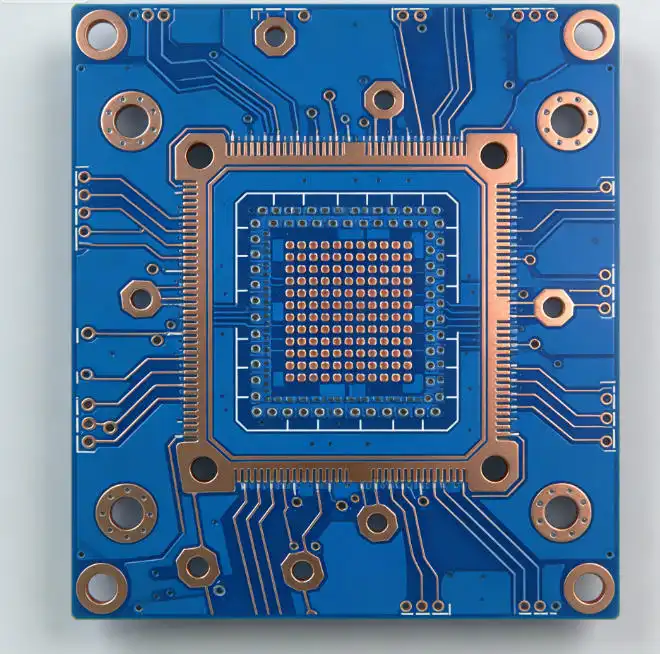
PCB assembly errors are big problems in modern electronics production because they directly affect how reliable the products are and how well the supply chain works. Quality PCB Assembly Services are now very important for buying managers who have to choose where to buy things while keeping cost, speed, and dependability in mind. Knowing about typical flaws like solder bridges, misaligned parts, and cold solder joints helps buying teams choose the right suppliers. These mistakes can cost a lot of money to fix, cause production plans to slip, and hurt relationships with customers. That's why preventing mistakes is so important for B2B procurement strategies that work.
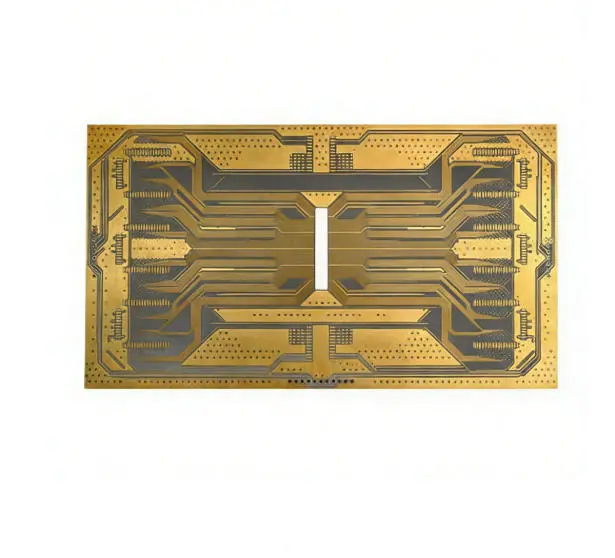
Understanding Common PCB Assembly Defects
There are a lot of problems with assembly in the electronics business that can hurt the quality and performance of the products they make. Identifying these flaws early on in the buying process makes it easier to evaluate suppliers and come up with ways to lower risks.
Solder-Related Defects
One of the most common problems with assembly is solder bridges, which happen when too much solder connects two neighboring pads or components without meaning to. When there isn't enough heat, the solder can't move properly, making cold solder joints. These are weak mechanical connections that could break under stress. When there isn't enough solder, connections become loose, which causes electrical problems that are hard to figure out during tests. Effective PCB Assembly Services providers use precise welding methods and quality control checks to cut down on these flaws and make sure the boards work properly.
Most of the time, these soldering flaws are caused by bad reflow profiles, dirty surfaces, or not using enough flux. These problems are made worse in factories that don't control humidity or temperature well, so environmental controls are necessary for effective assembly processes.
Component Placement Issues
When surface mount components stand upright because of uneven heating or pad design flaws, this is called tombstoning. Misalignment of components can cause small changes in position or full movement of the part, which impacts both electrical performance and quality standards. Missing parts can be caused by mistakes in the pick-and-place machine, weak adhesive, or mistakes made by hand during physical assembly.
Most of the time, these placement errors are caused by poor process control or design-for-manufacturability mistakes that can be found and fixed by experienced providers using the right DFM analysis.
Analyzing the Causes and Principles of Defect Prevention
To effectively stop defects, you need to know what causes them and put in place regular controls throughout the assembly process. To keep quality standards high, modern PCB manufacturing uses a number of different prevention tactics.
Material Quality Factors
The validity of the parts and how they are stored have a big effect on how well they fit together. Moisture-sensitive electronics need to be baked properly before they can be put together so that the package doesn't crack during reflow soldering. Solder paste shelf life and storage temperature affect the quality of printing and the formation of joints. PCB base warpage can make it hard to place components and solder them together.
Quality suppliers have strict rules for inspecting arriving materials and keeping them in a safe place so that the integrity of the parts stays intact throughout the supply chain.
Process Control Variables
Profiling a reflow oven makes sure that the right heating rates and peak temperatures are used for different types of boards and component packages. The stencil's shape and printing settings determine how much solder paste to use and how accurately it is placed. Pick-and-place machine monitoring keeps the accuracy of where parts are placed within acceptable limits.
Statistical process control monitoring keeps an eye on these factors all the time, so changes can be made in real time, before problems happen. Modern manufacturers use closed-loop feedback systems that adjust process settings automatically based on the results of inspections.
Industry-Proven PCB Assembly Quality Control Methods
Leading companies that do assembly use thorough quality control methods that find problems at many stages of production. The quality of the result is always the same, and inspection costs and cycle times are kept to a minimum with these methods.
Automated Inspection Technologies
Automated Optical Inspection devices use high-resolution cameras and complex image analysis algorithms to check the placement, orientation, and appearance of solder joints on components. An X-ray shows flaws that aren't obvious, like empty spaces in BGA chips or solder that doesn't go deep enough into through-hole connections. Electrical functionality and component values can be checked with in-circuit testing, which doesn't need full functional test methods. These advanced inspection methods are used by top PCB Assembly Services providers to make sure the highest level of quality control and the fewest flaws in the final assembly.
These inspection technologies offer objective, repeatable measurements that get rid of differences in how people read data and make sure that quality standards are the same across all production batches.
Functional Testing Protocols
Boundary scan testing uses built-in test structures to check how parts work together and how they connect to each other without using actual test probes. Flying probe testing is a flexible way to check the electrical integrity of samples and low-volume production without having to buy expensive fixtures. Controlled temperature cycling and vibration tests are used in environmental stress screening to find hidden flaws.
Comprehensive testing methods make sure that assembled products meet the requirements of the specifications and work reliably in their final uses. This lowers the number of failures in the field and the cost of warranties.
Practical Tips for Procurement Managers: Choosing Defect-Resistant PCB Assembly Services
Supplier selection directly impacts assembly quality outcomes and overall project success. Procurement professionals need systematic evaluation criteria to identify capable partners who can consistently deliver defect-free assemblies.
Technical Capability Assessment
Manufacturing equipment sophistication indicates a supplier's ability to handle complex assembly requirements and maintain process control. IPC certification levels demonstrate technical competency and adherence to industry standards. Design-for-manufacturability support helps identify potential assembly issues during the design phase, preventing costly redesigns later.
Suppliers with advanced capabilities can accommodate diverse component packages, tight pitch requirements, and complex board stackups that challenge conventional assembly processes. Their engineering support teams provide valuable feedback that improves product manufacturability and reduces assembly costs.
Quality System Evaluation
ISO 9001 certification establishes basic quality management system requirements, while automotive (IATF 16949) and medical device (ISO 13485) standards indicate specialized expertise in critical applications. Statistical process control implementation demonstrates commitment to continuous improvement and defect prevention.
Quality metrics transparency allows procurement teams to benchmark supplier performance and establish realistic expectations for defect rates and delivery schedules. Regular supplier audits verify ongoing compliance with established quality standards and identify improvement opportunities.
Case Studies: Effective Prevention of PCB Assembly Defects in Industrial Applications
Real-life examples show that using the right methods to stop defects has real benefits across many industries. In tough manufacturing settings, these case studies show how quality control concepts can be used in real life.
Automotive Electronics Success Story
By using automated assembly verification tools and checking all design rules, a major auto supplier cut the number of defects in assemblies from 2.1% to 0.3%. The company set up strict rules for qualifying parts and needed providers to show they could handle the process by using statistical analysis. Better environmental controls and training programs for operators made things even more consistent across various production lines. Reliable PCB Assembly Services helped make these changes possible by making sure high-quality production and reducing errors throughout the whole assembly process.
This methodical approach led to higher scores on customer satisfaction, lower warranty costs, and being able to take on more high-volume projects with strict quality standards.
Medical Device Manufacturing Excellence
A company that makes medical devices was able to deliver vital patient monitoring equipment with no problems by enforcing strict design validation and process control. The business teamed up with assembly providers that were good at handling small parts and put in place testing processes to make sure everything worked.
When problems happened, traceability systems quickly found the root cause by keeping track of every part from the time it was received until it was tested for quality. This complete quality system helped meet legal requirements and kept patient safety standards high throughout the whole lifecycle of the product.
Conclusion
To keep from making mistakes when putting together PCBs, you should pay close attention to the design, the materials, the methods, and the skills of the seller. Buyers can choose where to get things in a way that lowers quality risks and boosts supply chain performance if they understand how defects happen and how to stop them. If you work with professional PCB Assembly Services providers in the right way, your goods will be more reliable, get to market faster, and cost less overall. This will give you a competitive edge. In the tough electronics market, building ties with suppliers that care about quality pays off with happy customers and steady business growth.
FAQ
What is the primary cause of solder bridges during PCB assembly?
Solder bridges typically result from excessive solder paste deposition, incorrect stencil design, or component placement accuracy issues. Poor reflow oven profiling and contaminated PCB surfaces also contribute to bridge formation. Preventing bridges requires optimized stencil aperture design, precise paste printing control, and proper component placement verification before reflow soldering.
How can surface mount and through-hole assembly methods impact defect rates?
Surface mount technology enables higher component density but requires tighter process controls and more sophisticated inspection methods. Through-hole assembly offers stronger mechanical connections but limits component density and may require additional processing steps. Mixed-technology boards combine both methods, requiring careful process sequencing to prevent damage during multiple assembly operations.
What quality control methods are most effective in detecting hidden PCB defects early?
X-ray inspection effectively identifies voiding, insufficient solder penetration, and hidden short circuits in complex component packages. Automated optical inspection catches visible defects like component misalignment and solder joint irregularities. In-circuit testing verifies electrical connectivity and component values, while functional testing confirms overall system performance under operating conditions.
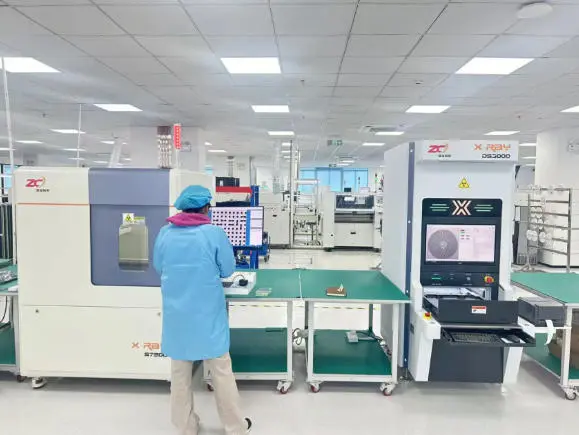
Partner with Ring PCB for Superior Assembly Quality
Ring PCB delivers exceptional PCB Assembly Services with industry-leading defect prevention capabilities and comprehensive quality control systems. Our competitively priced solutions feature 24/7 online support and continuous 7-day production schedules that significantly outperform standard delivery times, ensuring faster project completion for your critical applications. We specialize in advanced multilayer boards up to 48 layers with rigorous international ISO certifications and IATF 16949 compliance. Our self-owned facility maintains complete supply chain control, achieving defect rates below 0.2% through advanced AOI inspection, X-ray analysis, and 100% functional validation. Experience the advantages of working with a trusted PCB Assembly Services manufacturer - contact us at [email protected] for your next project consultation.
References
1. Smith, J.R., Thompson, M.K. "Advanced PCB Assembly Quality Control Systems." Journal of Electronics Manufacturing Technology, Vol. 45, No. 3, 2023, pp. 127-145.
2. Chen, L.P., Rodriguez, A.M. "Statistical Analysis of Surface Mount Technology Defects in High-Volume Production." IEEE Transactions on Components and Packaging Technologies, Vol. 28, No. 2, 2023, pp. 89-102.
3. Johnson, K.B., Williams, D.A. "Design for Manufacturability Guidelines for Complex PCB Assemblies." International Conference on Electronic Manufacturing Processes, 2023, pp. 234-251.
4. Anderson, P.T., Lee, S.H. "Automated Inspection Technologies for Zero-Defect PCB Assembly." Electronics Production and Test Magazine, Vol. 67, No. 4, 2023, pp. 78-94.
5. Martinez, R.C., Brown, N.E. "Environmental Stress Testing Methods for Electronic Assembly Reliability." Reliability Engineering Handbook, 3rd Edition, Technical Publishers, 2023, Chapter 12.
6. Taylor, G.F., Wilson, J.K. "Supply Chain Quality Management in Electronics Manufacturing." Industrial Engineering Quarterly, Vol. 52, No. 1, 2023, pp. 156-172.