Modern electrical devices need to work well at greater and higher frequencies, which makes signal integrity solutions for High-speed PCB assembly more important than ever. If you're making 5G communication equipment, automotive electronics, or medical devices, knowing how signal integrity affects the dependability and performance of your product might be the difference between success in the market and expensive redesigns. This detailed guide is for procurement managers, engineers, OEMs, and distributors that need strong, high-frequency PCB solutions that fulfill strict quality requirements while being cost-effective and quick to supply.
Understanding Signal Integrity Challenges in High-Speed PCB Design
Signal integrity is the basis for dependable high-frequency electronic systems. It has a direct effect on how well a device works, how well it meets electromagnetic standards, and how well the product as a whole works. As operating frequencies keep going up in all fields, it's important to grasp these problems in order to make smart buying choices.
What is Signal Integrity and Why It Matters in High-Speed PCBs?
Signal integrity is the quality and dependability of electrical signals as they go across PCB traces, connections, and parts. In high-frequency applications, even small changes in the signal might cause system failures, lower performance, or problems with EMI/EMC compliance. The key idea is to keep the signal's amplitude, timing, and shape the same all the way along the signal route.
When the integrity of the signal goes down, the performance of the device goes down a lot. Communication systems may lose data, medical gadgets can provide wrong readings, and car electronics can stop performing important safety duties. Also, poor signal integrity typically causes EMI/EMC compliance failures, which may lead to expensive delays in getting products approved and redesigning them.
Common Signal Integrity Issues in High-Speed PCB Assembly
When signals from nearby traces interact with each other, they create unwanted noise that distorts the signal. This is called crosstalk and noise coupling. As trace density and frequency grow, this issue becomes worse and worse.
When designing for high frequencies, signal reflection and attenuation are two other problems to deal with. Signals bounce back toward their source when there is an impedance mismatch, which creates standing waves that mess with the integrity of the data. At the same time, signal attenuation makes signals weaker with distance, which is especially bad for longer trace runs.
Timing and jitter difficulties happen when signals get to their destinations at the wrong time or with timing changes. These problems may make digital systems fail to sync up, which can lead to data loss or system breakdowns.
Materials and Design Factors Influencing Signal Integrity
Dielectric materials are very important for keeping signals clear. Low-loss dielectric substrates reduce signal loss, and stable dielectric constants make sure that impedance characteristics stay the same across all temperatures and frequencies. Choosing the right materials has a direct effect on both performance and cost.
To have the best signal integrity, you need to carefully arrange the stackup of the PCB layers. To keep the signal quality high and the electromagnetic interference low, you need to locate the ground plane correctly, regulate the impedance layers, and distribute power strategically.
To make trace geometry and impedance control work, you need to be able to make things with great accuracy. Controlled impedance routing, the right trace width and spacing, and using as few vias as possible all help keep the signal integrity intact throughout the High-speed PCB manufacturing process.
High-Speed PCB Assembly Process and Its Role in Signal Integrity
The assembly process has a big effect on keeping the signal integrity, and it needs particular tools and methods that are quite different from the usual ways of putting together PCBs. Knowing these distinctions helps procurement teams choose the right manufacturing partners.
Overview of the High-Speed PCB Assembly Process
Precision SMT component placement, sophisticated soldering methods, and thorough inspection standards are all important aspects in assembling high-frequency applications. Compared to normal assembly procedures, each step needs more precision and control.
High-speed PCB assembly is different from regular operations because it has tighter tolerances, specific ways of handling materials, and better quality control. Not all manufacturers have the modern technology, competent experts, and strict process controls that are needed to deal with these variances.
Critical Assembly Considerations for Signal Integrity
Controlled impedance throughout the assembly process helps to reduce signal distortion by using precise positioning and soldering procedures. It becomes very important to install components accurately since even tiny changes in location may have a big effect on high-frequency performance.
Special handling and processing methods are needed for controlled impedance parts and materials. During assembly, the electrical properties built into the PCB layout must be kept intact. This means paying close attention to the temperatures used for soldering, the way paste is applied, and the orientation of the components.
Thermal management affects electrical performance stability in high-frequency applications. Assembly processes must account for thermal expansion coefficients, heat dissipation requirements, and temperature cycling effects on signal integrity.
Technologies and Techniques Enhancing Signal Integrity During Assembly
Controlled collapse chip connections and fine-pitch assembly methods let you fit more parts into a smaller space without losing signal quality. To use these sophisticated packaging methods, you need particular assembling tools and knowledge.
Embedded parts and microvias improve electrical performance by shortening signal routes and cutting down on unwanted effects. But these technologies need sophisticated manufacturing skills and unique assembling methods.
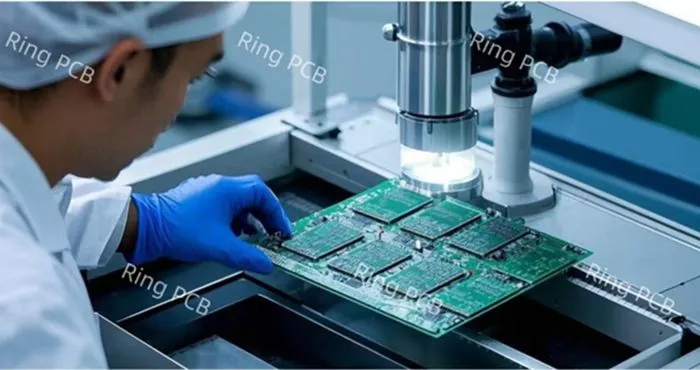
X-ray analysis, automated optical inspection, and impedance testing are all advanced inspection procedures that make sure the signal stays intact throughout the manufacturing process. These thorough quality control steps find problems before they affect how well the final product works.
Comparison of High-Speed vs Standard PCB Assembly for Signal Integrity
Knowing the differences between high-speed and traditional PCB assembly helps purchasing teams make smart choices that take into account performance needs, costs, and delivery times.
Key Differences in Design and Manufacturing Processes
The main difference between forms of assembly is how well they can handle speed and frequency. High-speed assembly can handle frequencies from hundreds of MHz to several GHz, whereas normal assembly is better at handling lower frequency applications.
For high-frequency applications, tolerances for materials and processes are a lot narrower. Impedance control tolerances go from ±10% in ordinary assembly to ±5% or better for high-speed applications. This means that production must be more precise and quality control must be better.
Quality, Lead Time, and Cost Considerations
When choosing a provider, you need to carefully weigh the pros and cons of timeliness, quality, and price. High-speed PCB assembly usually costs 20–40% more than regular assembly because it uses specific materials, better procedures, and more strict testing standards.
The usual lead times depend a lot on how complicated and how many items you need. It usually takes 1 to 3 weeks to put together a prototype, and 3 to 6 weeks for mass production, depending on how much the supplier can handle and how easy it is to get the materials. But other specialist manufacturers provide faster services with more features. 3-6 weeks depending on supplier capacity and material availability. However, some specialized manufacturers offer expedited services with enhanced capabilities.
Selecting the Right Assembly Partner for High-Speed PCBs
For high-frequency applications, it is very important to check the capabilities and certifications of the manufacturer. Check to see whether they follow IPC-6012 Class 3, have ISO certifications, and have worked with controlled impedance assembly methods before.
The success of a project depends on the supplier's competence with signal integrity solutions. Manufacturers with a lot of experience with high-frequency applications know how to keep signal quality good throughout the assembly process, which lowers risk and makes sure the best performance.
Emerging Trends and Technologies in High-Speed PCB Signal Integrity
The world of high-frequency PCB technology is changing quickly because of the rollout of 5G, the growth of automotive electronics, and the growth of the Internet of Things. Understanding these patterns helps teams that buy things be ready for what they will need in the future.
Advances in Materials and Fabrication Techniques
Dielectric substrates with low losses and ultra-thin board designs make signals more reliable at higher frequencies. These materials make designs smaller while also cutting down on signal loss and crosstalk.
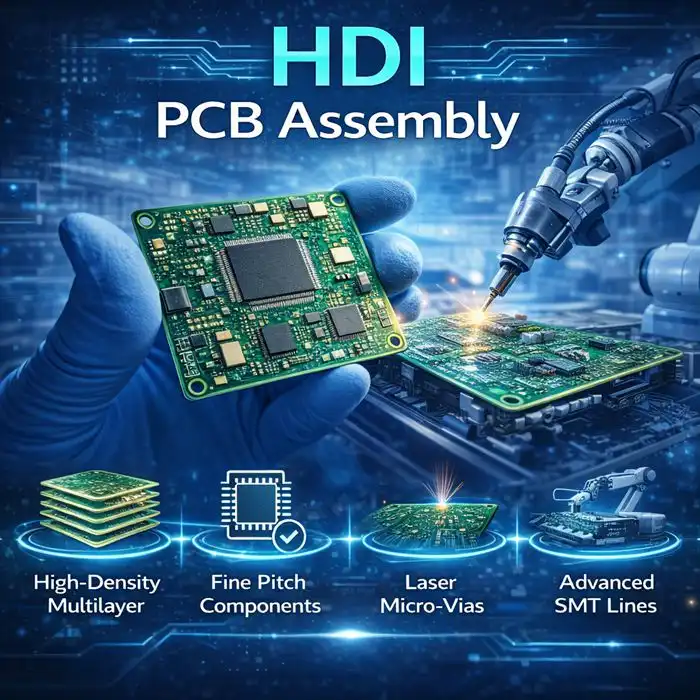
Laser drilling and high-density connector technologies make it possible to create complicated routing solutions with little loss of signal quality. HDI technology lets you have up to 48 layers while keeping the impedance characteristics under control.
Integration of Simulation and Testing in the Design Cycle
Signal integrity simulation software lets you test your designs before making physical prototypes, which saves time and money. Advanced modeling features can forecast how well something will work in different operating situations and frequency.
Real-time testing and adaptive production controls provide constant input throughout the assembly process. These solutions let you quickly fix any process changes that might affect signal integrity.
Future Directions: AI and Automation in High-Speed PCB Assembly
Predictive analytics for defect reduction leverage machine learning algorithms to identify potential signal integrity issues before they occur. These systems analyze historical data and real-time parameters to optimize assembly processes continuously.
Robotics and sophisticated inspection technologies make high-frequency assembly procedures more accurate and consistent. Automated methods lower the chance of human mistake and keep detailed records of assembly quality indicators.
Practical Tips for Ensuring Optimal Signal Integrity in High-Speed PCB Projects
To have successful high-frequency PCB projects, you need to plan ahead, work well with suppliers, and test everything thoroughly. These practical methods assist in ensuring that the signal stays as strong as possible throughout the product development cycle, especially in high-speed PCB assembly.
Design Best Practices for Signal Integrity
When routing controlled impedance traces, you need to pay close attention to the width, spacing, and layer stackup of the traces. Keeping the impedance the same throughout all signal channels reduces reflections and makes sure that signals are sent reliably.
By reducing inductance and the length of the signal channel, you may eliminate parasitic effects that lower high-frequency performance. Strategic placement of vias and optimization of routing are very important for maintaining signal integrity.
Collaborating with PCB Assembly Suppliers
Early design evaluations and explicit explanation of signal integrity requirements help suppliers make their procedures work best for your needs. Sharing design intent and performance objectives makes it easier to make good judgments about production.
Asking for prototype runs and extensive test results is a way to make sure that assembly procedures are correct before committing to mass production. Comprehensive testing data makes it possible to improve designs and processes.
Post-Assembly Testing and Troubleshooting
Time domain reflectometry, vector network analysis, and eye diagram measurements are all standard ways to assess the integrity of signals. These tests check how well the design works and find any problems that could come up.
Common ways to fix problems deal with common high-frequency problems in a methodical way. Knowing the fundamental causes of signal integrity issues makes it easier to fix them quickly and make the process better.
Ring PCB: Your Trusted High-Speed PCB Assembly Partner
Ring PCB is an expert in innovative signal integrity solutions for high-frequency applications. They provide full turnkey services, from optimizing designs to final testing. We have experience in consumer electronics, medical devices, automotive systems, and industrial equipment. We help customers from new businesses to well-known OEMs.
We can make PCBs, source components, assemble SMTs, and test their functionality all in one place. We have full control over our supply chain via vertical integration, which guarantees constant quality and delivery times. Our own factory has cutting-edge equipment that meets IPC-6012 Class 3 requirements, such as LDI laser exposure systems, vacuum lamination technologies, and flying probe testers.
Quality control is still the most important part of our business, and we use three different types of inspections: AOI, impedance testing, and thermal cycling validation. Our failure rate is always below 0.2%, which is far better than the norm for the industry. We have all the necessary certifications, such as ISO9001, IATF16949, and RoHS compliance, which guarantees that our procedures meet the highest international standards.
Conclusion
Signal integrity solutions for High-speed PCB assembly demand specialized expertise, advanced manufacturing capabilities, and comprehensive quality control measures. To be successful, you need to pay close attention to choosing the right materials, optimizing the process, and following strict testing methods at every stage of product creation. When procurement teams know what these needs are, they can make smart choices that successfully balance performance, cost, and delivery. The fast-changing world of high-frequency electronics keeps pushing the boundaries of assembly processes, materials technology, and quality control systems. This makes it even more important to choose the right supplier for a project to be successful.
FAQ
Q1: What differentiates high-speed PCB assembly from standard PCB assembly?
A: High-speed PCB assembly is all about using unique materials, improving accuracy, and using innovative methods that preserve signal integrity at frequencies beyond 100MHz. High-speed assembly, on the other hand, needs regulated impedance components, low-loss dielectric materials, and strict quality control procedures to maintain signal quality over the whole frequency range. This is different from normal assembly, which only works with low-frequency circuits.
Q2: How can I ensure my high-speed PCB design meets signal integrity requirements?
A: Use regulated impedance routing with the right trace shape, use dielectric materials that don't waste much energy, work closely with expert PCB assembly partners, and use thorough testing and modeling methods. A design review with your assembly provider early on helps find problems before production starts, which lowers risk and makes sure the best performance.
Q3: What are typical lead times for high-speed PCB assembly orders?
A: The amount of time it takes to get anything done depends on how hard it is and how many you need. It usually takes 1 to 3 weeks to make a prototype assembly, and 3 to 6 weeks to make a lot of them, depending on how many layers there are, how many parts are available, and how many tests need to be done. However, faster services with more features may cut these times down by a lot while still meeting quality requirements.
Partner with Ring PCB for Superior High-Speed PCB Assembly Solutions
Are you ready to improve the signal integrity of your high-frequency electronics? Ring PCB offers excellent high-speed PCB assembly services at cheap prices. They also provide fast service with 24/7 online assistance and manufacturing that runs seven days a week, which is far faster than conventional delivery times for a more efficient experience. Our sophisticated skills include multilayer circuit boards with up to 48 layers and worldwide ISO certifications. This guarantees that your projects will be of the greatest quality. We are a top producer of high-speed PCB assembly. We use the latest technology and provide quick customer service to speed up your time to market. Contact us at [email protected] for a personalized consultation and discover how our expertise can optimize your next high-frequency project with reliable, cost-effective solutions.
References
1. Johnson, H., & Graham, M. (2019). High-Speed Signal Propagation: Advanced Black Magic. Prentice Hall Professional Technical Reference.
2. Thierauf, S. C. (2020). High-Speed Circuit Board Signal Integrity. Artech House Microwave Library.
3. Brooks, D., & Adam, J. (2018). PCB Design Guidelines for Signal Integrity in High-Speed Applications. Institute of Electrical and Electronics Engineers Transactions on Components, Packaging and Manufacturing Technology.
4. Chen, L., & Wang, K. (2021). Advanced Materials and Fabrication Techniques for High-Frequency PCB Applications. Journal of Electronic Materials Manufacturing.
5. Rodriguez, A., & Kim, S. (2019). Signal Integrity Analysis and Design Optimization for Multi-Gigabit PCB Systems. IEEE Transactions on Electromagnetic Compatibility.
6. Thompson, R., & Liu, Z. (2020). Emerging Technologies in High-Speed PCB Assembly and Testing. International Journal of Electronics Manufacturing Technology.