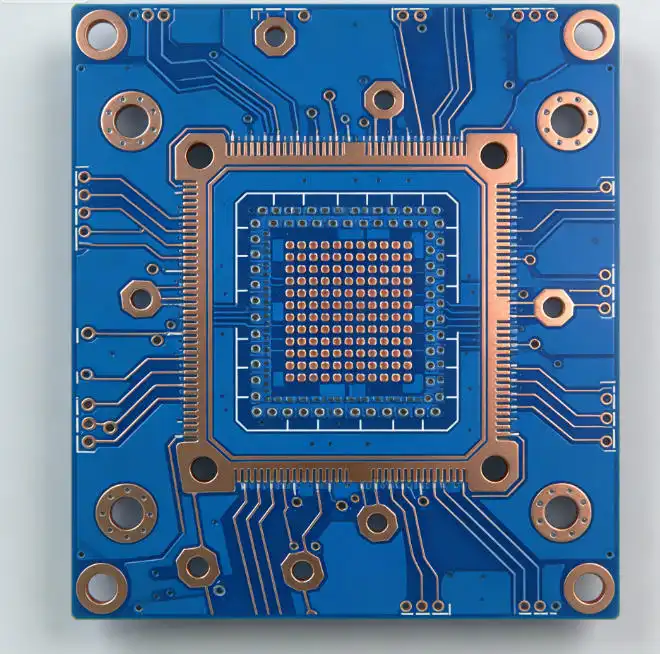
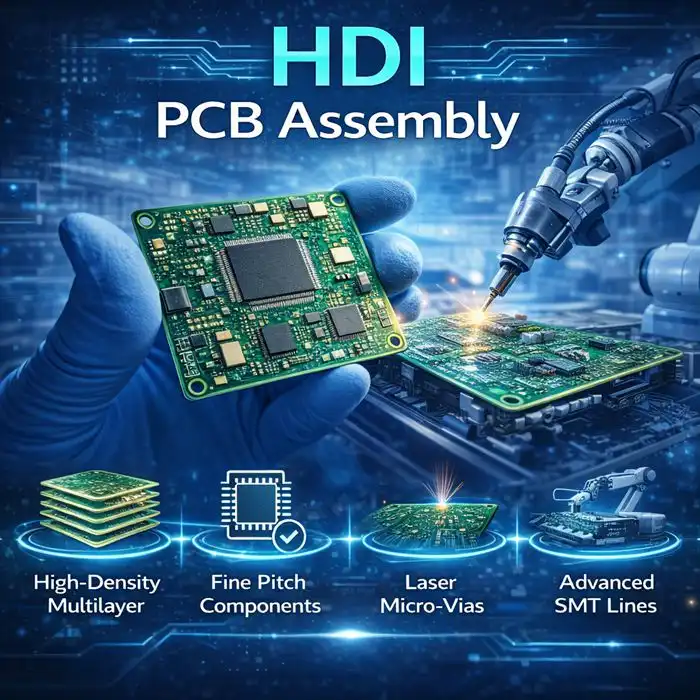
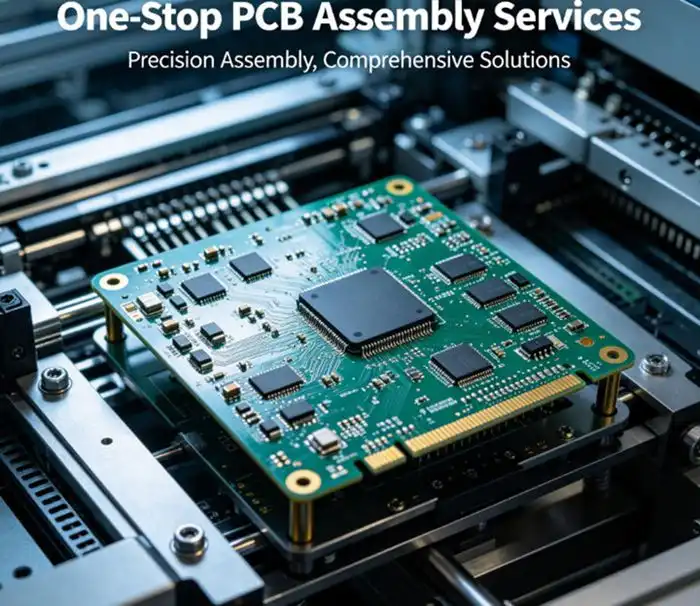
Cost-effective small to mid-volume turnkey PCBA is a smart way to make things that solves the problems that organizations have when they need efficient electronic assembly solutions but don't want to make a lot of them. A full turnkey PCBA service covers everything involved in making circuit boards, from getting the parts and making the PCBs to putting them together and testing them. This is a great deal for organizations that make between 100 and 10,000 units. This integrated strategy makes it easier to manage different suppliers while yet meeting the quality requirements and delivery timetables that contemporary organizations need.
Understanding Turnkey PCBA for Small to Mid-Volume Production
Turnkey PCBA services change the way electronics are made by bringing all production operations together under one roof. This all-in-one solution starts with checking the design and the components, then moves on to making the PCB and placing the components, and finally ends with strict testing processes that make sure the product is reliable.
Core Components of Turnkey PCBA Workflow
The turnkey method makes all of the steps in the production process work together smoothly. PCB manufacturing uses cutting-edge technology like LDI laser exposure and vacuum lamination to make boards with very tight tolerances. Component sourcing uses existing supplier networks to get real parts while keeping costs down. Assembly processes use the latest SMT lines, which can handle anything from massive through-hole parts to ultra-fine pitch BGAs.
Every step of the manufacturing process has quality control mechanisms in place. X-ray inspection finds concealed solder problems, and automated optical inspection (AOI) checks that the parts are in the right spot. Functional testing checks that the electrical performance meets design parameters, making sure that items fulfill strict reliability standards before they are shipped.
Advantages for Small to Mid-Volume Applications
Turnkey techniques are very helpful for small to medium-sized manufacturing, such as a Turnkey PCBA service, since they make the best use of resources and save overhead expenses. Batch optimization strategies that group comparable goods together make manufacturing more efficient by getting the most out of equipment while keeping setup costs low. When one source is responsible for everything, there are no delays in coordinating between different suppliers, which automatically shortens lead times.
Comparing Turnkey PCBA with Other Manufacturing Options
Procurement professionals may make better judgments based on their needs and limitations if they understand the many types of production models. Depending on how much volume you need, how complicated the technology is, and how much control you want, each method has its own pros and cons.
Turnkey PCBA vs Electronics Manufacturing Services
Most of the time, traditional EMS suppliers need customers to furnish parts, which may lead to problems with the supply chain and managing inventories. Turnkey solutions get rid of these worries by taking care of all the parts acquisition, including managing obsolescence and qualifying suppliers. The cost structures are quite different. Turnkey services have predictable pricing models that incorporate all materials and services in one estimate.
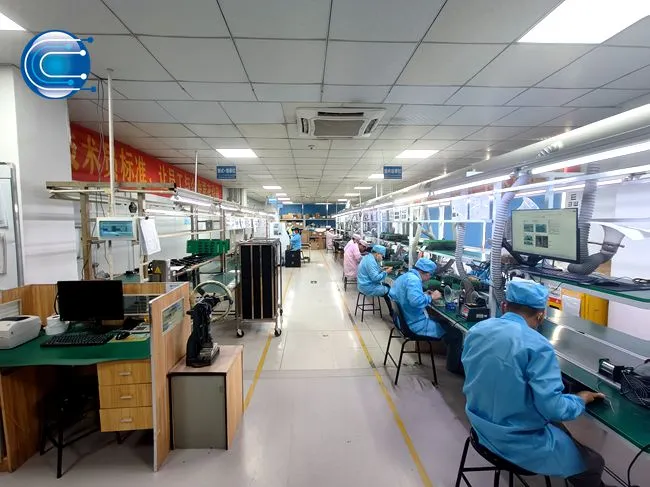
Consigned vs Full Turnkey Solutions
Customers that want consigned assembly must buy and send parts to factories, keeping ownership of the parts while passing on the duty for assembly. At first, this method may seem like a good way to save money, but it generally ends up costing more in the long run because of inefficiencies in purchasing and the cost of keeping inventory. Full turnkey solutions use the power of buying in bulk and established connections with suppliers to get lower prices on components and do rid of client inventory issues.
Procurement Insights for Cost-Effective Small to Mid-Volume Turnkey PCBA
In situations when manufacturing is small to medium-sized, strategic procurement methods get the most value while lowering risks. Better financial planning and managing relationships with suppliers are possible when you know how price structures and contract conditions work.
Pricing Models and Cost Optimization
There are a few important parts that make up good pricing strategies for mid-volume manufacturing that strike a balance between cost and quality of service. Understanding these parts of price helps procurement teams make smart choices and get the best deals.
Volume-based pricing tiers provide big savings when the number of items goes up beyond the minimums set at the start. When you buy in bulk, you may save money on setup fees and material prices. Engineering fees for design evaluation and test fixture creation usually stay the same no matter how many units are ordered. This means that ordering more units is cheaper per unit.
Design standardization is another way to save costs by using similar parts and production methods. Choosing the right components affects both the cost of materials and the difficulty of putting them together. Standard package types are easier to handle than unique forms. Costs are also affected by testing requirements. For example, simple functional testing is less expensive than full environmental stress screening.
Sample Orders and Quality Validation
Sample order methods help lower risk by checking the quality of the samples before committing to bigger production runs. Sample sizes usually vary from 5 to 50 units, which is enough for a full assessment without breaking the bank. For ordinary complexity boards, sample lead times usually take 2 to 3 weeks. This gives you enough time to thoroughly check the design and find the right parts.
During the sample stages, quality validation techniques involve checking the electrical connections, making sure the parts fit together correctly, and doing a preliminary reliability check. Samples come with documentation bundles that include assembly drawings, test data, and component certificates that help customers qualify.
Selecting Reliable Turnkey PCBA Suppliers: Global Perspectives
Choosing the right supplier is very important for the success of a project, such as implementing a Turnkey PCBA service, thus it's important to carefully look at their skills, qualifications, and cultural fit. When you source goods from across the world, you may save money, but you also have to think about things like communication, logistics, and quality control.
Certification and Quality Standards
Certifications from the industry are objective ways to determine how well a provider can do their job and how committed they are to quality standards. ISO9001 accreditation shows that a company has a system for managing quality, whereas IATF16949 is just for the automobile sector. RoHS compliance makes ensuring that parts are chosen and made in a way that is good for the environment.
Additional certifications, such as IPC-6012 Class 3, show that someone is a specialist in high-reliability applications. This is especially important for medical equipment and aerospace applications. UL certification helps items get safety agency clearances for the North American markets.
Communication and Project Management
During the manufacturing process, clear expectations and project milestones are set via effective communication protocols. Customers can plan their next steps and keep track of their inventory needs with regular information on progress, such as the status of component purchases and manufacturing schedules.
Technical assistance includes design review services that find any problems with manufacturing before production starts. DFM (Design for Manufacturability) analysis makes designs better for making them cheaper while still meeting functionality and reliability standards.
Best Practices and Design Considerations for Small to Mid-Volume Turnkey PCBA
In small to medium-volume applications, the best design methods have a big effect on the cost of production and the dependability of the product. Strategic design choices made throughout the development stages affect the quality and efficiency of manufacturing in the long run.
Design Optimization for Manufacturing Efficiency
Design methods that are easy to use in manufacturing save production costs and raise yield rates for small to medium-sized batches. Standardizing components makes it easier to manage inventories and set up assembly. Compared to non-standard options, conventional package types like 0603 and 0805 resistors and capacitors are easier to find and cost less.
When optimizing a board layout, you have to think about things like how far apart the parts are, how to control heat, and how easy it is to get to test points. Having enough space between parts makes it easier to automate the placement and inspection operations, which lowers the chances of mistakes in the assembly. Thermal factors prevent hot spots from forming that might damage the quality of the assembly or the dependability of the components.
Quality Control and Testing Protocols
Comprehensive quality control procedures make sure that products work the same way in all manufacturing batches. In-circuit testing checks the values of components and their fundamental functions, whereas functional testing checks how well the whole system works compared to design standards.
Thermal cycling and vibration testing are two ways to screen for environmental stress that might show possible reliability problems before the product is sent to the customer. These extra testing processes provide you assurance that the product will last, which is especially crucial for use in severe conditions.
About Ring PCB: Your Trusted Partner in Turnkey PCBA Solutions
Ring PCB specializes in providing a complete Turnkey PCBA service that is designed just for small to medium-sized manufacturing needs. Our integrated manufacturing method combines sophisticated PCB fabrication with full-service assembly, making sure that quality is always high and delivery is always on time.
Advanced Engineering for Precision PCB Manufacturing
We can do high-density stack-up topologies with 2 to 48 layers, using blind and buried vias for complicated connectivity needs. With ±7% impedance control and 3/3mil trace and spacing capabilities, precision manufacturing tolerances suit the strict needs of 5G communications, industrial control systems, medical devices, and automotive electronics.
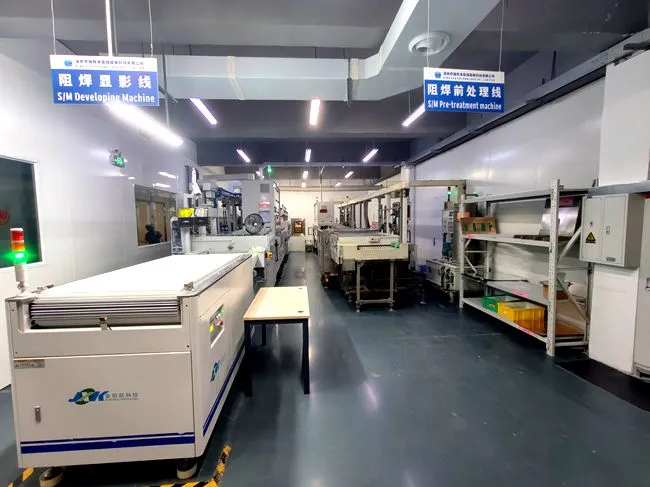
Smart manufacturing technologies make production more efficient and keep the quality of the products consistent. Self-owned facilities have LDI laser exposure systems for exact pattern definition, vacuum lamination equipment for better layer bonding, and flying probe testers for thorough electrical verification. All procedures follow IPC-6012 Class 3 standards, which makes sure they work for important applications.
Integrated PCBA Services and One-Stop Solutions
We take care of everything from PCB fabrication to component procurement to SMT assembly to functional testing all in one place. Expert engineering teams provide DFM and DFA optimization services that lower design risks and BOM costs by carefully choosing components and optimizing layouts.
Quality control procedures that are particularly strict include X-ray inspection to find concealed solder joints, AOI testing to make sure components are in the right spot, and 100% functional validation to make sure there are no defects. This all-encompassing method removes any doubts about quality and allows for full traceability throughout the whole production process.
Self-Owned Factory with Complete Supply Chain Control
Vertical integration gives you full control over the operations of getting raw materials, scheduling manufacturing, and making sure quality. This integrated approach makes it easy to quickly meet customer needs while keeping quality standards the same for all product lines.
Triple quality assurance processes that include AOI inspection, impedance testing, and thermal cycling validation keep failure rates at 0.2%, which is far better than the industry norm. ISO9001, IATF16949, and RoHS compliance are examples of global certifications that show a commitment to international quality standards and environmental responsibility.
Conclusion
Businesses who need dependable electronics manufacturing without having to make huge production commitments might benefit from cost-effective small to mid-volume turnkey PCBA solutions through a Turnkey PCBA service. Being aware of the many service models, procurement techniques, and criteria for choosing suppliers helps you make smart choices that provide you the best results in terms of both cost and quality. Ring PCB's innovative PCB manufacturing, integrated assembly services, and strict quality control make sure that contemporary enterprises get the dependability and efficiency they need. Our vertical integration method gives us full control over the supply chain while keeping prices low and delivery times fast for small to medium-sized applications.
FAQ
Q1: What are typical lead times for small to mid-volume turnkey PCBA orders?
A: Lead times that are normal are between 2 and 4 weeks, depending on how complicated the project is and how easy it is to get the parts. We can speed up orders for urgent needs, which might cut the time frame down to 7–10 days. The lead times involve making the PCB, getting the parts, putting them together, and testing them.
Q2: How can I minimize costs while maintaining quality in turnkey PCBA production?
A: Some ways to save costs are to use standard designs with common parts, combine projects with a lot of volume, and examine designs early on to find any production problems. Working with competent suppliers who provide DFM advice helps you prevent expensive design revisions during manufacturing.
Q3: What certifications should I expect from professional turnkey PCBA providers?
A: Important certifications include ISO9001 for managing quality, IPC standards for assembly procedures, and RoHS compliance for meeting environmental criteria. Depending on what you want to do, you may need industry-specific certifications like IATF16949 for cars or ISO13485 for medical equipment.
Partner with Ring PCB for Superior Turnkey PCBA Solutions
Are you ready to make your electronics production easier and cheaper with turnkey PCBA solutions? Ring PCB offers services at cheap prices and 24/7 online help. Their manufacturing schedules are always running, which means they can produce much faster than usual. We can make multilayer circuit boards with up to 48 layers, and we have worldwide ISO certifications and strict quality assurance standards to back them up. Get your small to medium-sized manufacturing needs delivered quicker and more efficiently. Contact us at [email protected] to discuss your turnkey PCBA service needs with our expert team and discover why leading manufacturers choose Ring PCB as their trusted supplier.
References
1. Johnson, M. & Chen, L. (2023). "Electronics Manufacturing Trends: Small-Volume Production Strategies." Journal of Electronic Manufacturing, 45(3), 78-92.
2. Smith, R.A. (2022). "Cost Analysis of Turnkey vs. Consigned PCB Assembly Models." International Electronics Production Review, 38(7), 156-171.
3. Williams, K.T., Park, S.H., & Davis, J.M. (2023). "Quality Control Standards in Modern PCBA Manufacturing." IEEE Transactions on Electronics Manufacturing, 29(4), 234-248.
4. Thompson, A.B. & Rodriguez, C. (2022). "Supply Chain Optimization for Mid-Volume Electronics Production." Manufacturing Technology Quarterly, 51(2), 89-105.
5. Lee, D.W. & Anderson, P.K. (2023). "Global Sourcing Strategies for Electronic Component Procurement." International Journal of Electronics Supply Chain, 12(1), 45-60.
6. Martinez, E.F., Kumar, R., & Brown, S.L. (2022). "Design for Manufacturability in Small-Batch PCB Production." Electronics Design Engineering, 67(8), 123-138.