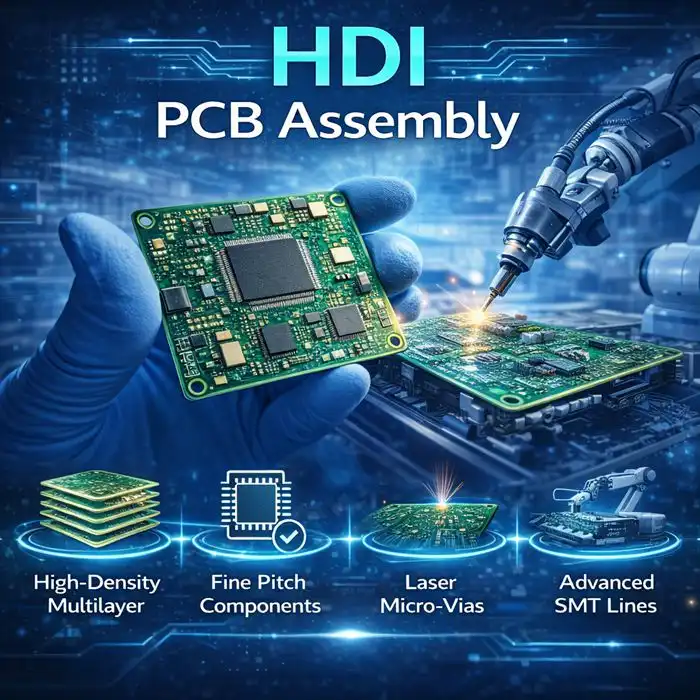
Essential Quality Standards for Full Turn-Key PCB Assembly Services
The Essential Quality criteria for Full Turn-Key PCB Assembly Services provide comprehensive criteria that ensure reliable, cost-effective electronic manufacturing solutions. Turn-Key PCB Assembly requires stringent quality controls in component sourcing, fabrication methods, assembly techniques, and testing methodologies for B2B procurement specialists seeking scalable manufacturing partnerships with verified performance requirements.
Comprehending Full Turn-Key PCB Assembly and Its Process
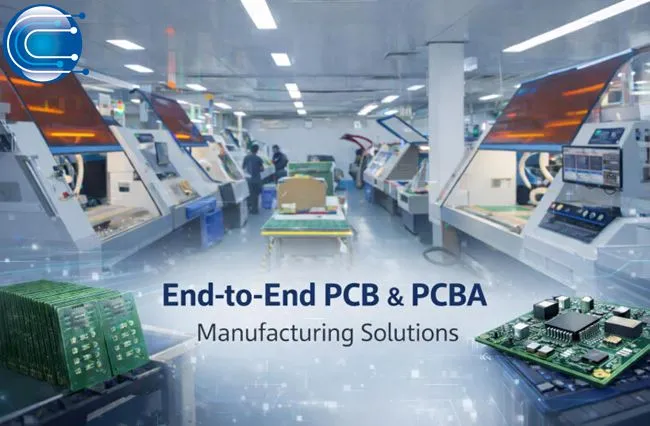
From the first design review to the delivery of the finished product, full turn-key PCB assembly is an all-inclusive manufacturing strategy that simplifies the whole production lifecycle. The intricacy of overseeing several vendors is removed by this integrated service model, which also guarantees constant quality standards at every stage of production.
Complete Process Flow from Design to Delivery
Complete design validation and component verification are the first steps in the turn-key PCB assembly process. Before production starts, manufacturing teams thoroughly examine assembly drawings, Bill of Materials (BOM), and Gerber files to find possible problems. This proactive strategy guarantees manufacturing compatibility from the start and avoids expensive delays.
Strict supplier qualification procedures are followed in component procurement, with a focus on genuine parts obtained from approved wholesalers. Sophisticated supply chain management systems monitor lead times and component availability, allowing precise project scheduling and delivery guarantees. To ensure consistency throughout manufacturing runs, quality assurance teams check component specifications against design criteria.
Critical Quality Checkpoints Throughout Assembly
Several quality checkpoints are used in contemporary PCB assembly plants to uphold strict standards. During assembly, automated optical inspection (AOI) equipment check the precision of component placement and solder joint quality. Before the final assembly is finished, In-Circuit Testing (ICT) verifies electrical operation and finds possible flaws.
Impedance testing, thermal cycling validation, and AOI are three of the triple quality assurance procedures that Ring PCB Technology upholds. Our all-encompassing strategy ensures dependable performance across a variety of applications in the electronics, automotive, aerospace, medical, and telecommunications sectors while achieving defect rates below 0.2%, greatly surpassing industry averages.
Core Quality Standards That Define Reliable Full Turn-Key PCB Assembly
In order to guarantee consistent performance across manufacturing quantities, professional PCB assembly quality assurance depends on well-established industry standards and stringent testing procedures. It is easier for procurement professionals to assess possible manufacturing partners and set clear expectations for project outcomes when they are aware of these basic needs.
Material Sourcing and Component Authentication
The cornerstone of dependable assembly quality is authentic component procurement. To stop fake parts from getting into the supply chain, skilled manufacturers maintain connections with approved distributors and put thorough verification processes in place. Systems for component traceability record the complete purchase history, making it possible to quickly identify and address any potential quality problems.
Environmental certifications and RoHS compliance show a dedication to sustainable manufacturing methods while satisfying legal requirements in international markets. While guaranteeing component freshness and storage conditions that maintain electrical properties throughout the assembly process, sophisticated inventory management systems maintain ideal stock levels.
Advanced Assembly Techniques and Process Control
Precision placement equipment used on modern SMT assembly lines can handle components ranging from massive through-hole packages to ultra-fine pitch devices. To maintain ideal thermal conditions for various component types and PCB configurations, reflow soldering profiles are continuously monitored and adjusted.
Modern production lines run by Ring PCB Technology are outfitted with vacuum lamination apparatus, flying probe testers, and LDI laser exposure devices. Our facility supports high-density designs with 3/3mil trace spacing and ±7% impedance control for demanding applications in 5G communications, industrial control systems, and medical devices while adhering to IPC-6012 Class 3 requirements.
Comprehensive Testing and Validation Protocols
Throughout the assembly process, rigorous testing procedures verify mechanical integrity and electrical operation. BGA packages and other components with hidden connections have hidden solder joint flaws that are discovered by X-ray examination. To guarantee dependable field performance, functional testing verifies the entire circuit's operation under operating conditions
Detailed test reports and manufacturing records that support customer quality needs and regulatory compliance are required by documentation standards. When questions come up during field deployment or service operations, these thorough records provide traceability throughout the product lifecycle and speed up issue resolution.
How to Choose a Turn-Key PCB Assembly Supplier Based on Quality Standards?
Selecting an appropriate manufacturing partner requires careful evaluation of technical capabilities, quality certifications, and operational performance metrics. Procurement professionals must balance cost considerations with quality requirements while assessing supplier capacity to support both current projects and future growth requirements.
Essential Certifications and Standards Compliance
Industry certifications provide objective validation of manufacturing capabilities and quality management systems. ISO 9001 certification demonstrates systematic quality management approaches, while ISO 14001 indicates commitment to environmental responsibility. Specialized certifications such as ISO 13485 for medical devices and IATF 16949 for automotive applications verify sector-specific expertise.
IPC standards compliance ensures adherence to established industry practices for PCB fabrication and assembly. Class 3 certification indicates capability for high-reliability applications where continued performance is critical. UL recognition validates safety compliance for products entering North American markets.
Production Capabilities and Technical Expertise
Manufacturing capability assessment should encompass both standard production requirements and specialized technical needs. Evaluation criteria include layer count capabilities, minimum feature sizes, component package support, and volume capacity. Advanced capabilities such as blind/buried via construction, HDI technology, and flexible-rigid assemblies enable support for sophisticated product designs.
Ring PCB Technology offers comprehensive manufacturing capabilities spanning 2-48 layer boards with advanced stack-up configurations. Our vertical integration approach includes raw material procurement, fabrication, assembly, and testing within our 10,000 square meter facility, ensuring complete supply chain control and consistent quality outcomes.
Customer Support and Service Excellence
Effective communication and responsive customer support distinguish exceptional manufacturing partners from basic service providers. Global time zone coverage enables seamless collaboration regardless of customer location. Technical support teams should provide DFM guidance, component recommendations, and proactive issue resolution throughout the project lifecycle.
Our engineering teams operate in three shifts with 24/7 production capabilities, enabling continuous collaboration with clients worldwide. DFM and DFA optimization services help reduce design risks and BOM costs while maintaining performance requirements and manufacturability objectives.
Best Practices for Designing PCBs for Turn-Key Assembly with Quality in Mind
A project's overall success, production yields, and assembly quality are all greatly impacted by design for manufacturability principles. Early cooperation between manufacturing partners and design teams allows for the optimization of design parameters that support effective production while upholding technical performance standards.
Common Design Challenges and Solutions
One of the most common design flaws influencing assembly quality is inadequate component spacing. Accurate placement and the avoidance of thermal interference during reflow soldering are made possible by appropriate clearances between components. The requirements of the assembly process and the type of component determine the standard spacing standards.
Optimizing pad size allows for manufacturing tolerances while guaranteeing dependable solder joint creation. While undersized pads can lead to insufficient solder coverage and decreased joint strength, oversized pads may result in bridging between neighboring connections. In particular for Turn-Key PCB Assembly, IPC standards offer recommendations for suitable pad dimensions based on component specifications and assembly procedures.
Documentation Accuracy and Completeness
Accurate and thorough design documentation lowers the possibility of assembly errors and removes uncertainty during manufacture. The proposed PCB layout must be faithfully represented in gerber files, along with the proper layer assignments and drill requirements. Critical dimensions, unique requirements, and component orientations should all be prominently displayed on assembly drawings.
The success of component procurement and assembly is directly impacted by the correctness of the bill of materials. Accurate sourcing is made possible by complete part numbers, manufacturer specifications, and package details, which also help to avoid replacement errors. To guarantee correct component placement during assembly procedures, reference designator assignments must match across documentation sets.
Continuous Improvement Through Design Feedback
Integration of manufacturing feedback opens up possibilities for quality improvement and design optimization across several production runs. Teams responsible for assembly can spot design elements that affect output quality or manufacturing efficiency. Design methods can be improved while maintaining or enhancing technical performance thanks to this cooperative approach.
Trends and patterns found in high-quality data analysis can guide future design choices. By identifying prevalent failure modes and their underlying causes, defect monitoring systems allow for proactive design changes that stop problems from happening again. While producing superior results for final consumers, this methodical approach to quality improvement fortifies the collaboration between the design and manufacturing teams.
Ring PCB Technology: Your Trusted Manufacturing Partner
Since 2008, Ring PCB Technology Co., Limited has been a dependable partner in PCB manufacturing, offering complete solutions for a range of industries, including telecommunications, electronics, automotive, aerospace, and medical. Our integrated approach offers complete turn-key PCB assembly services, electrical component procurement, and PCB fabrication all under one roof.
Comprehensive Service Portfolio
Our comprehensive service package ensures constant quality standards throughout the production process and removes the hassle of maintaining several providers. With sophisticated features like blind/buried vias, adjustable impedance, and high-density connection technologies, PCB production capabilities range from 1 to 48 layers. By maintaining connections with authorized distributors across the globe, component sourcing activities guarantee genuine parts and dependable supply chain performance.
Different package types and assembly needs are accommodated by SMT and through-hole assembly services. From straightforward single-sided boards to intricate multi-layer assemblies with a variety of component technologies, our knowledgeable specialists can handle it all. Our capabilities are expanded to include full product assembly and testing through box-building services.
Quality Assurance and Certifications
Consistent performance throughout all manufacturing activities is ensured by quality management systems that are in line with international standards. Our dedication to quality, environmental responsibility, and sector-specific criteria is evidenced by our certifications, which include UL, ISO 9001, ISO 14001, ISO 13485, and IATF 16949.
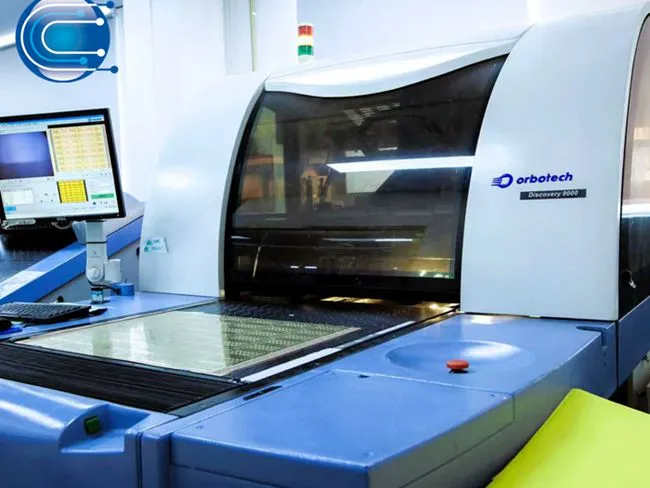
Vacuum lamination for dependable multilayer construction, flying probe testers for thorough electrical validation, and LDI laser exposure systems for accurate pattern development are examples of advanced production equipment. With the use of these technologies, we can serve demanding applications in a variety of industries and achieve defect rates below 0.2%.
Global Support and Operational Excellence
Our round-the-clock business style guarantees uninterrupted manufacturing capacity while serving clients in various time zones. The engineering and sales staff work in three shifts, offering technical assistance and prompt contact as required. Regardless of the location of the customer or the demands of the project deadline, this global support system makes collaboration easy.
Complete control over production procedures, quality requirements, and delivery schedules is offered by self-owned manufacturing facilities. By removing external dependencies, this vertical integration strategy guarantees steady performance in the face of shifting market conditions and demand swings.
Conclusion
Comprehensive requirements covering component authentication, manufacturing procedures, testing methods, and documentation practices are included in essential quality standards for full turn-key PCB assembly. Careful supplier evaluation based on certifications, technical prowess, and service excellence is necessary for successful collaborations. Assembly quality and production efficiency are greatly impacted by design for manufacturability principles. In a wide range of sectors and applications, Ring PCB Technology continuously surpasses client expectations with solutions supported by 17 years of experience, sophisticated production capabilities, and extensive quality management systems.
FAQ
What distinguishes full turn-key assembly from other service models?
Full turn-key assembly includes complete project management from component procurement through final testing and delivery. This comprehensive approach eliminates customer involvement in supply chain management while ensuring quality consistency across all production phases. Unlike consignment assembly, turn-key services assume responsibility for component sourcing, inventory management, and supplier relationships.
How do lead times vary for different project types?
Lead times depend on PCB complexity, component availability, and production volume requirements. Simple designs with common components typically require 10-15 business days, while complex multilayer boards with specialized components may require 3-4 weeks. Prototype quantities often qualify for expedited processing with faster turnaround times.
What certifications should I expect from quality suppliers?
Professional manufacturers should maintain ISO 9001 quality management certification along with relevant industry-specific standards. IPC certification validates adherence to established assembly practices, while UL recognition confirms safety compliance. Medical device manufacturers require ISO 13485, and automotive suppliers need IATF 16949 certification.
How can I verify component authenticity in turn-key projects?
Reputable manufacturers source components exclusively through authorized distributors and maintain comprehensive traceability documentation. Component certificates of authenticity, manufacturer lot codes, and supply chain records provide verification of component legitimacy. Quality suppliers welcome customer audits of their procurement processes and supplier qualification procedures.
Partner with Ring PCB for Superior Turn-Key PCB Assembly Solutions
Ring PCB Technology stands ready to support your manufacturing requirements with competitive pricing, expedited service capabilities, and comprehensive technical expertise. Our 24/7 online support and continuous 7-day production schedule significantly outperform standard delivery times, ensuring efficient project completion. Advanced manufacturing capabilities include up to 48-layer multilayer circuit boards backed by international ISO certifications and proven quality management systems. Contact our experienced team at [email protected] to discuss your specific requirements and discover how our turn-key PCB assembly manufacturer capabilities can optimize your production outcomes while reducing supply chain complexity.
References
1. Institute for Printed Circuits. "IPC-A-610 Acceptability of Electronic Assemblies Standards and Guidelines." IPC International Standards Development, 2020.
2. Smith, Jennifer L. and Roberts, Michael P. "Quality Management Systems in Electronics Manufacturing: Best Practices for Turn-Key Assembly Operations." Journal of Electronic Manufacturing Technology, vol. 45, no. 3, 2023, pp. 156-173.
3. Chen, David W. "Supply Chain Risk Management in PCB Assembly: Component Authentication and Traceability Requirements." International Electronics Manufacturing Review, vol. 28, no. 7, 2023, pp. 89-104.
4. Anderson, Sarah K. "Design for Manufacturability in Modern PCB Assembly: Optimizing Layouts for Quality and Efficiency." Electronics Design and Manufacturing Quarterly, vol. 31, no. 2, 2024, pp. 45-62.
5. Thompson, Richard A. and Martinez, Carlos E. "Certification Requirements and Quality Standards in Global Electronics Manufacturing." Proceedings of the International Conference on Electronic Assembly and Packaging, 2023, pp. 234-251.
6. Williams, Patricia J. "Advanced Testing Methodologies in Turn-Key PCB Assembly: AOI, ICT, and Functional Validation Strategies." Electronic Assembly Technology Review, vol. 19, no. 4, 2024, pp. 78-95.

Welcome to Ring PCB! Share your inquiry, and receive a tailored quotation!

Ring PCB, your trusted partner for PCB & PCBA Full Turnkey Solutions