How to Choose the Right PCB Assembly Service Partner
Electronics companies that want to improve quality, save time, and gain a competitive edge must carefully choose the PCB Assembly Service partner they work with. To help you reach your production goals, the best partner has advanced technical skills, high quality standards that have been approved, and dependable delivery schedules. Global supply chains are getting more complicated, so procurement workers need to look at how well assembly providers can handle different needs while still meeting quality standards. A strategic relationship with the right PCB Assembly Service provider can have a big effect on the success of your product, the time it takes to get to market, and the cost of making it all.
Understanding PCB Assembly Services: Definitions and Processes
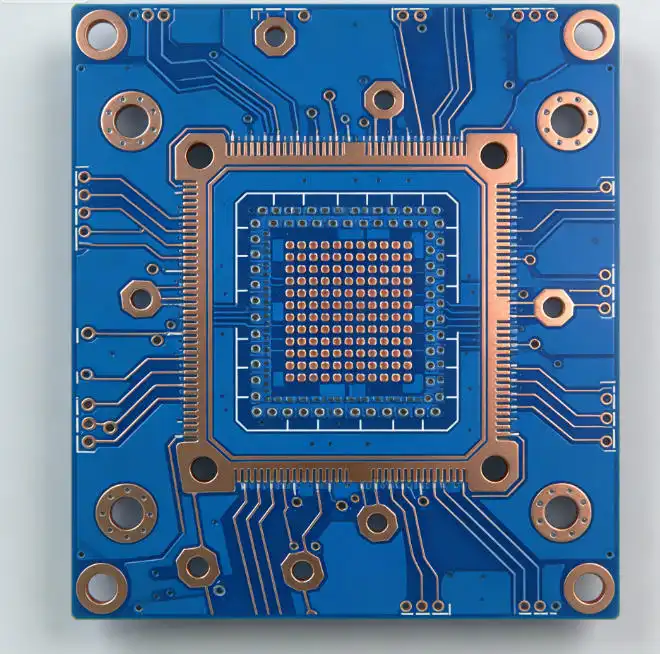
PCB assembly is the most important step between making circuit boards and selling finished electronics. In contrast to PCB manufacturing, which makes "bare" circuit boards, assembly services add electrical parts to these boards using complex methods that need careful engineering and quality control.
Core PCB Assembly Processes
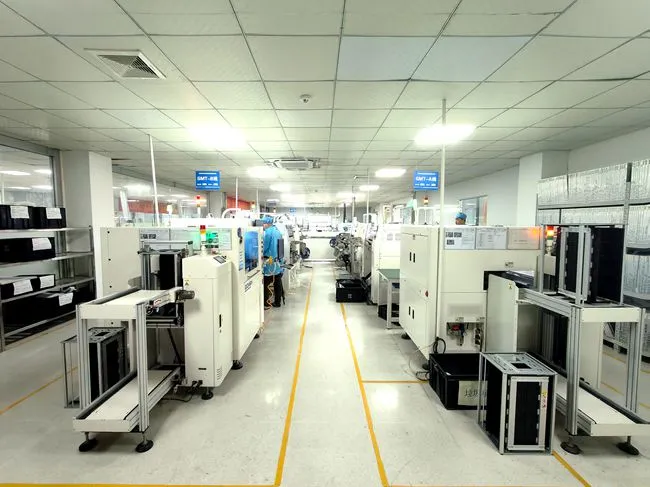
Before putting the parts together, solder paste is put on using precise molds that make sure it goes on the right pads. Pick-and-place machines work quickly in modern PCB assembly sites to place surface mount technology (SMT) parts with microscopic accuracy. The next step is reflow soldering, which melts the solder paste with controlled heat to make electrical links that will last.
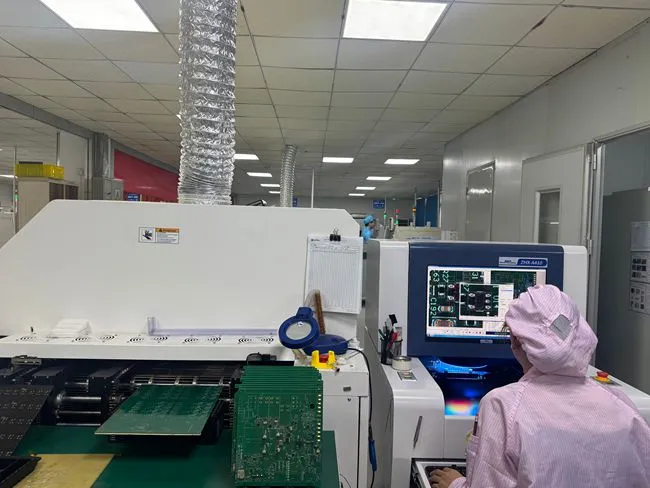
For mixed-technology systems, through-hole parts need extra steps for insertion and wave soldering. Advanced automated optical inspection (AOI) systems check the placement of components and the quality of the solder joints. X-ray inspection, on the other hand, finds secret flaws in complicated assemblies like ball grid arrays (BGAs).
Service Models and Production Scales
Depending on how they want to handle their supply chain, electronics makers can choose between turnkey and consigned assembly models. Turnkey services include buying the parts, which makes logistics easier and gives you responsibility from a single source. When manufacturers use consigned assembly, they can keep their direct relationships with component suppliers while taking advantage of specialized assembly knowledge.
There are different levels of production, from high-volume manufacturing that can make millions of units a year to fast prototyping services that can send samples within days. For research and development, quick-turn capabilities are important, and scalable production capacity meets the needs of a growing market.
Criteria for Choosing Your PCB Assembly Service Partner
When looking at possible assembly partners, you need to carefully consider a lot of important factors that have a direct effect on the success of the manufacturing process and the stability of the supply chain.
Quality Standards and Certifications
The best assembly companies in the business have a lot of different certifications, such as ISO 9001 for quality management, ISO 14001 for environmental standards, and IATF 16949 for car uses. IPC-A-610 Class 3 compliance makes sure that high-reliability assembly standards are met for uses in medical equipment, spacecraft, and other mission-critical situations.
Following RoHS rules and getting UL certifications show that the PCB Assembly Service cares about safety and the environment. These certifications make sure that the assembly processes meet strict international standards and help finished goods get sold all over the world.
Technical Capabilities Assessment
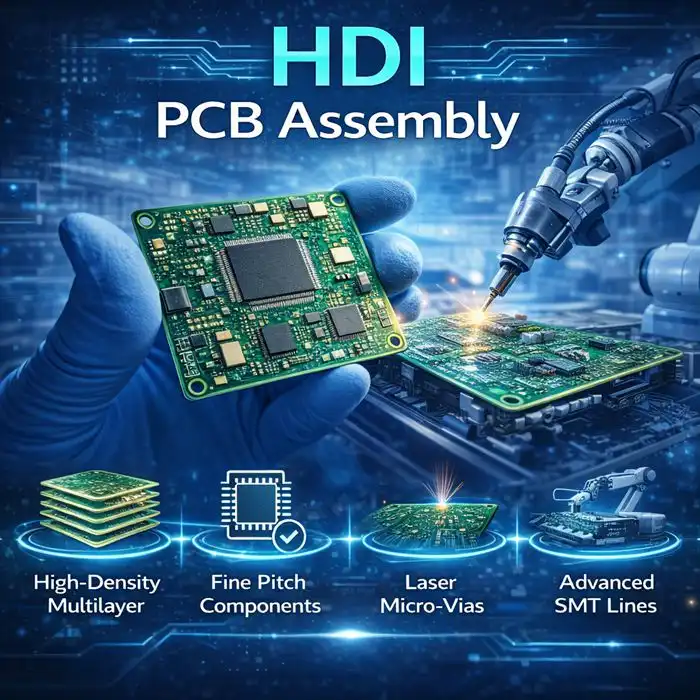
Assembling partners for modern electronics need to be able to work with complicated multilayer PCBs that have high-density interconnects and new packing technologies. You should judge companies by how well they can handle boards with 2 to 48 layers, fine-pitch components, and special materials like ceramic or metal-core substrates.
Support for design for manufacturability (DFM) is necessary to improve assembly rates and lower production costs. Experienced assembly partners give engineers feedback that keeps design changes from being too expensive and instead makes the product more reliable and the manufacturing process more efficient.
Cost Transparency and Lead Time Performance
Competitive assembly companies have clear price plans that include setup costs, fees for handling parts, and the need for testing. Quotes that are complete should clearly break down the number of prototypes, the number of items that will be made, and any extra services that will add value, like functional testing or packing.
Lead time promises need to work with your plans for developing the product and bringing it to market. Reliable partners keep extras of popular parts on hand as a safety net and can meet urgent needs quickly without lowering quality standards.
Matching PCB Assembly Solutions to Your Business Needs
A good procurement strategy matches the ability to put things together with the needs of the business and the use of the product in order to get the best results and the lowest costs.
Industry-Specific Requirements
Automotive electronics need partners who are IATF 16949 certified and have experience working in tough environments. To put together a medical device, you need to follow ISO 13485 and have traceability tools that work with regulatory paperwork. Consumer gadgets can benefit from being able to make a lot of them and knowing how to keep costs low.
For strong connections, industrial control systems often need the ability to assemble both SMT and through-hole parts. For signal integrity to be maintained, communications equipment needs to be designed with high frequencies and have the ability to control resistance.
Turnkey vs. Consigned Assembly Strategies
With turnkey assembly services, purchasing is made easier because finding parts and putting them together are handled by a single source. This method lowers the cost of administration while using the buying power and source relationships of assembly providers to get cheaper parts. When turnkey partners buy in bulk for multiple customers, they can often get better prices on parts.
Consigned assembly lets you keep your direct relationships with component suppliers while getting access to specialized assembly knowledge. This plan works for companies that already have a network of suppliers or that need to find specific sources for parts for compliance or performance reasons. Consigned services usually have lower prices for assembly labor, but they need more complex supply chain management.
Flexible MOQ and Scalability Considerations
Assembly partners that offer flexible minimum order numbers (MOQ) that can meet the needs of prototype and low-volume production are good for new businesses. Scalable capacity allows for smooth changes from research to high-volume production, with no interruptions in service or changes in quality.
Supporting design for manufacturability (DFM) early on in the development process keeps goods from needing expensive redesigns and makes them better for easy assembly. Experienced partners help with choosing the right parts and making plan suggestions that raise yields while lowering production costs.
Comparing Top PCB Assembly Service Providers: What Sets Them Apart
Leading assembly providers differentiate themselves through combination of advanced manufacturing capabilities, quality certifications, and customer service excellence that creates measurable value for electronics manufacturers.
Global Provider Landscape
European assembly companies often emphasize precision engineering and automotive industry expertise, while maintaining strict environmental compliance standards. North American providers typically offer proximity advantages for communication and logistics while supporting rapid prototyping requirements.
Asian assembly centers provide cost-effective high-volume manufacturing with increasingly sophisticated quality management systems. The PCB Assembly Service at modern facilities in this region offers advanced automation and 24/7 production capabilities that support aggressive delivery schedules.
Ring PCB's Competitive Advantages
Ring PCB Technology Co., Limited brings 17 years of manufacturing excellence to the global electronics industry. Our comprehensive capabilities span 2-48 layer PCB fabrication with advanced features like blind/buried vias and 3/3mil trace spacing, supporting applications from 5G infrastructure to automotive electronics.
Our integrated approach combines PCB manufacturing, component sourcing, SMT assembly, and functional testing under unified quality management systems. ISO 9001, ISO 14001, ISO 13485, and IATF 16949 certifications demonstrate our commitment to international quality standards across diverse industry applications.
Advanced manufacturing capabilities include laser direct imaging (LDI) exposure systems, vacuum lamination equipment, and comprehensive testing facilities that ensure ±7% impedance control and IPC-6012 Class 3 compliance. Our defect rate below 0.2% significantly exceeds industry standards while supporting zero-defect delivery requirements.
Ensuring Quality and Avoiding Common Pitfalls in PCB Assembly Selection
Successful assembly partnerships require careful attention to quality assurance processes and proactive mitigation of common procurement risks that can impact product development schedules.
Essential Quality Control Processes
Comprehensive quality management begins with incoming component inspection and extends through final functional testing. Statistical process control (SPC) monitoring tracks assembly parameters in real-time, enabling immediate corrections that prevent defective products from entering the supply chain.
Advanced inspection technologies, including automated optical inspection (AOI), in-circuit testing (ICT), and X-ray analysis, are part of the PCB Assembly Service to identify potential defects before they impact product performance. These quality gates ensure consistent assembly quality while supporting continuous improvement initiatives
Communication and Documentation Best Practices
Clear technical documentation prevents misunderstandings that can lead to assembly delays or quality issues. Detailed assembly drawings, component placement files, and test procedures ensure accurate interpretation of requirements across different time zones and language barriers.
Regular communication protocols including progress updates, quality reports, and technical reviews maintain transparency throughout the assembly process. Collaborative problem-solving approaches address challenges quickly while preventing minor issues from becoming major delays.
Establishing feedback loops between design teams and assembly engineers enables continuous optimization of products for manufacturing efficiency. These partnerships often yield significant cost reductions and quality improvements over multiple product generations.
Conclusion
To find the best PCB Assembly Service partner, you need to carefully look at their technical skills, quality certifications, and how flexible their services are to fit your unique manufacturing needs. The best relationships combine cutting-edge technologies for assembly with quick responses to customer needs and clear ways to talk to each other. Focusing on providers with consistent quality performance, competitive pricing, and scalable production capacity is how procurement pros can build supply chain relationships that meet both short-term needs and long-term growth goals.
FAQ
What factors most significantly influence PCB assembly costs?
Assembly costs depend primarily on component complexity, board size, production volume, and testing requirements. Surface mount components typically cost less to assemble than through-hole parts due to automated placement capabilities. Higher component counts and fine-pitch packages increase assembly complexity and associated costs. Production volume creates economies of scale, with per-unit costs decreasing significantly for larger quantities.
How can I verify a supplier's quality standards and certifications?
Request copies of current certification documents including ISO 9001, IPC standards, and industry-specific qualifications like IATF 16949 for automotive applications. Audit reports from certification bodies provide additional verification of compliance status. Customer references and case studies demonstrate real-world quality performance across different product types and volumes.
What information should I prepare before requesting assembly quotes?
Comprehensive quote requests should include Gerber files, bill of materials (BOM) with manufacturer part numbers, assembly drawings showing component orientations, and estimated production volumes. Testing requirements, packaging specifications, and delivery schedules help assembly providers develop accurate proposals. Early engagement during design phases often yields better pricing and manufacturability recommendations.
Partner with Ring PCB for Superior PCB Assembly Service Solutions
Ring PCB offers competitively priced PCB Assembly Service solutions backed by 18 years of manufacturing excellence and comprehensive certifications. Our expedited service provides 24/7 online support with continuous 7-day production schedules that significantly outperform standard delivery times, ensuring faster, more efficient delivery experiences. We specialize in advanced multilayer circuit boards up to 48 layers with ISO 9001, IATF 16949, and RoHS certifications that meet the most demanding industry requirements. Contact our expert team at [email protected] to discuss your specific assembly requirements and discover how our integrated PCB Assembly Service manufacturer capabilities can accelerate your next project timeline.
References
1. Association Connecting Electronics Industries. "IPC-A-610 Acceptability of Electronic Assemblies Standards and Guidelines." IPC International, 2020.
2. Chen, Michael K. "Quality Management Systems in Electronics Manufacturing: Best Practices for PCB Assembly Operations." Journal of Manufacturing Excellence, vol. 45, no. 3, 2023, pp. 127-145.
3. Electronics Manufacturing Services Research Institute. "Global PCB Assembly Market Analysis: Trends, Technologies, and Supplier Evaluation Criteria." EMSRI Publications, 2024.
4. Johnson, Sarah L., and Robert Anderson. "Supply Chain Risk Management in Electronics Manufacturing: A Comprehensive Guide for Procurement Professionals." Industrial Engineering Press, 2023.
5. National Institute of Standards and Technology. "Quality Assurance Guidelines for Electronic Assembly Manufacturing." NIST Special Publication 800-183, U.S. Department of Commerce, 2024.
6. Zhang, David H. "Advanced PCB Assembly Technologies: From Prototyping to High-Volume Production." Electronic Manufacturing Technology Review, vol. 28, no. 2, 2024, pp. 89-104.

Welcome to Ring PCB! Share your inquiry, and receive a tailored quotation!

Ring PCB, your trusted partner for PCB & PCBA Full Turnkey Solutions