From Prototype to Mass Production: NPI Workflow Explained
New Product Introduction (NPI) represents a critical bridge between innovative concepts and market-ready electronic products. PCBA NPI Services play an essential role in transforming initial design ideas into functional prototypes, then scaling these prototypes to full-scale manufacturing. This comprehensive workflow encompasses design validation, prototype development, testing protocols, and production optimization. Companies leveraging professional NPI services typically reduce their time-to-market by 30-40% while minimizing costly design revisions and manufacturing delays that often plague electronic product launches.
Understanding PCBA NPI Services: From Concept to Prototype
Understanding how PCBA NPI Services turn vague ideas into real prototypes is the key to making electronic products that work well. Design for manufacturability (DFM) study is the first step in this process. This is where engineering teams look at circuit designs to see if they can be made and how much they will cost.
Design Validation and Risk Mitigation
Professional NPI providers do thorough studies of designs that find problems that might arise during production before they get too expensive to fix. These reviews look at things like the availability of parts, how hard they are to put together, and how to handle heat. Early-stage risk assessment stops problems like out-of-date parts, slow assembly, and loss of performance that usually happen during mass production.
At Ring PCB Technology, our engineering team has seen that companies that use thorough design validation cut the number of times they have to change prototypes by half on average. Finding design flaws during the conceptual phase instead of finding them during real tests speeds up the process.
Prototype Development Process
There are several important steps that must be taken to go from design files to working prototypes. Picking a base and making sure the layers are stacked up correctly are the first steps in making a PCB. Next come precision cutting and copper plating. When you source components, you need to make sure that the part specs and wait times are correct so that there are no delays.
Methods used for putting together samples are often different from methods used for mass production. Smaller batch numbers make assembly methods more flexible, but they need to be carefully documented to make sure they can be used again when the production is scaled up. Rather than high-volume quality assurance, testing procedures during this phase focus on making sure the system works and making sure the design is correct.
Collaboration Between Design and Manufacturing Teams
For NPI workflows to work, design engineers and production experts must be able to talk to each other easily. This working together makes sure that the output processes match the design purpose exactly. Regular reviews of the design, feedback talks with the manufacturing team, and small changes over time build a strong base for successful product launches.
Ring PCB Technology's integrated method brings together design knowledge and production skills in one place. This combination gets rid of communication holes and speeds up the NPI process by making decisions faster.
The Comprehensive PCBA NPI Workflow: From Prototype to Mass Production
When procurement workers understand the full PCBA NPI Services process, they can make smart choices about which suppliers to use and when to finish projects. This organized method makes sure that the quality is always the same while lowering the costs of research and the time it takes to get to market.
Phase 1: Initial Design Review and Assessment
The process starts with a full study of the design, focused on how well it can be made, which parts to use, and how it needs to be put together. Engineering teams check design files to see if they match industry standards and the ability to make the product. Before making a sample, this evaluation finds possible problems and ways to make things better.
During the design review process, the routing of traces, placement of vias, alignment of components, and heat management are usually looked at. Signal integrity models and electromagnetic compatibility (EMC) issues are part of advanced analysis. These tests keep redesigns from being too expensive and make sure that first-pass success rates are higher than 95%.
Phase 2: Prototype Development and Testing
Making a prototype includes using production-intent methods to make the PCB, and PCBA NPI Services ensures a seamless transition by managing the procurement of parts and assembly. During this step, the design's functionality is checked, and standard performance measures are set. Protocols for testing include checking for functionality, stress testing in different environments, and figuring out how reliable something is.
Here are the most important parts of testing a prototype well:
• Functional Testing: This makes sure that the prototype meets the speed and design standards when it's used normally
• Environmental Testing: Checks how well it works in temperature ranges, humidity levels, and mechanical stress situations that are common for the purpose
• Reliability Assessment: Does rapid life testing to guess how something will work in the long run and find possible failure modes
Following these thorough testing guidelines will help make sure that samples properly show how the final product will work. The data gathered during this step is used to improve the design and make the production process more efficient.
Phase 3: Engineering Validation and Process Optimization
Engineering validation makes sure that prototypes meet all the rules and needs of the plan. Detailed performance evaluation, compliance testing, and process capability studies are all part of this step. Processes used in manufacturing are optimized to raise return rates and cut down on run times.
Process optimization activities focus on improving the order of assembly steps, setting up quality control checkpoints, and setting up processes for calibrating equipment. These changes directly lead to better quality and speed during the mass production stages.
Phase 4: Pilot Production and Scale-Up Preparation
Using production tools and methods, pilot production runs check that manufacturing processes work. Depending on the complexity of the product and the needs of the market, these runs usually have between 50 and 500 units. During test runs, data is collected that sets quality standards and process control settings for mass production.
Preparing for scale-up includes validating the supply chain, planning for capacity, and putting in place a quality system. When test runs go well, they show that the product is ready to be manufactured and give people faith to commit to full-scale production.
Overcoming Common Challenges in PCBA NPI: Best Practices and Solutions
There are many problems that can arise during the creation of electronic products that can cause delays and raise costs. Professional PCBA NPI Services providers have come up with tried-and-true ways to deal with these problems.
Design Flaw Identification and Resolution
Problems with the design are the biggest risk in NPI projects. Problems that happen a lot include not enough space between the tracks, parts not being oriented correctly, and not managing heat well enough. These issues are found early on through thorough design rule checking (DRC) and design for manufacturability (DFM) research, which stops them from getting to the prototype stage.
Advanced modeling tools let you test how well a circuit works virtually before making a real prototype. These tools find problems with signal quality, power sharing, and the risk of electromagnetic interference. Time-to-market is cut by 20–30% and prototype versions are cut down with virtual proof.
Process Variation Management
Variations in manufacturing methods can affect both the quality of the product and the rate at which it is made. Statistical process control (SPC) methods are used in good PCBA NPI Services and NPI systems to keep an eye on and change important process factors. These rules make sure that the quality stays the same no matter how much is made.
Here are tried-and-true ways to deal with changes in the process:
• Statistical Process Control: This method lets you keep an eye on important factors like the amount of solder paste used, how accurately components are placed, and the reflow temperature patterns in real time
• Design Robustness: This feature makes designs that work the same way every time, even if there are standard variations in production, which makes them less sensitive to process changes
• Quality Control Checkpoints: set up checking places during the assembly process to find and fix differences before they affect the quality of the finished product
Together, these methods help keep quality standards high and make output more efficient. Companies that use full variation control say their failure rates are less than 100 parts per million (PPM).
Regulatory Compliance and Risk Management
Electronic goods have to follow many rules and regulations, such as FCC, CE, RoHS, and industry-specific rules. During the creation stages, NPI processes include compliance testing and documentation. This proactive method stops delays and expensive redesigns that happen too late in the development process.
Strategies for managing risk include keeping an eye on when parts become obsolete, diversifying the supply chain, and making plans for other ways to get the things you need. These steps make sure that production keeps going even if there are problems with the supply chain or getting parts.
PCBA NPI Service Options: In-House vs Outsourced vs Industry-Leading Providers
When choosing NPI partners, procurement workers need to look at more than one way of delivering services. Each method has its own pros and cons that affect the results, costs, and schedules of the job.
In-House Development Capabilities
Companies that have their own NPI skills keep full control over the creation process and their own intellectual property. This method works well for businesses that have enough technical know-how, equipment investments, and output numbers to support using their own resources.
For in-house development to work, a lot of money needs to be spent on tools, skilled workers, and the building's infrastructure. Many businesses find that these expenses only start to pay off when they make more than 10,000 units a year.
Outsourced NPI Services
By outsourcing NPI tasks to specialized providers, you can get access to advanced capabilities without having to make investments in-house. Professional PCBA NPI Services companies bring knowledge, tools, and tried-and-true methods that shorten the time it takes to create something.
Some of the benefits of outsourcing are lower financial needs, faster time-to-market, and access to specific knowledge. Companies can focus their own resources on their core skills while using outside resources to help with things like manufacturing and assembly.
Industry-Leading Provider Selection
To find the best NPI partner, you need to carefully look at their professional skills, quality systems, and services they offer. Certifications, customer recommendations, and a track record of steady performance are ways that industry-leading providers show that they are good at what they do.
When judging PCBA NPI Services, important things to look at are ISO certifications, IPC compliance, the ability of the tools, and the availability of tech support services. Ring PCB Technology has ISO9001, ISO14001, ISO13485, and IATF16949 standards, which show that they are committed to quality in a number of different industries.
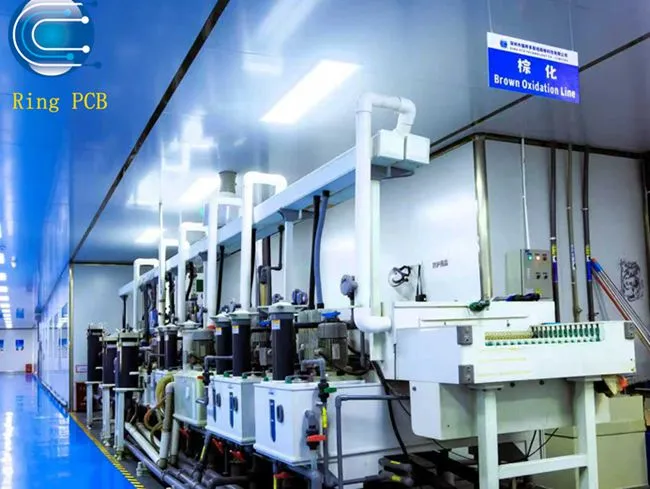
Advanced companies give extra services that add value, like design optimization, finding parts, and full turnkey solutions. These all-in-one solutions make the buying process easier and make managing suppliers simpler.
Streamlining Your Procurement: How to Order PCBA NPI Services with Confidence
To effectively purchase PCBA NPI Services, you need to know what the suppliers can do, how they set their prices, and what services they offer. Strategic methods to buying cut costs while maintaining quality and on-time delivery.
Quotation Process and Requirements Definition
To successfully buy NPIs, you must first clearly define your needs and ask for detailed quotes. There should be design files, assembly drawings, a bill of materials (BOM), and performance standards in the detailed specs. This information lets you accurately set prices and judge capabilities.
Instead of just looking at unit prices, assessments of quotations should take into account the total cost of the job. Things like technical help, testing services, and the ability to handle projects have a big effect on how well and how much they cost overall.
Contract Terms and Performance Metrics
Key performance indicators (KPIs) like quality goals, delivery schedules, and contact protocols should be talked about during contract talks. Clear performance metrics make it possible to evaluate suppliers objectively and start projects to keep getting better.
Intellectual property protection, quality standards, responsibility limits, and change management processes are all important parts of a contract. These rules protect both parties and set up guidelines for a good project completion.
Partnership Development and Long-Term Success
By improving communication, giving importance to scheduling, and working together on growth projects, building long-term relationships with skilled NPI providers gives you a competitive edge. Partners that work well together work together on more than one project and help both groups.
The 18-year history of Ring PCB Technology shows that the company is dedicated to building long-term connections with its customers. Our wide range of services, including PCB manufacturing, component buying, and assembly, make it easy to work with just one company while still keeping high quality standards and reasonable prices.
Conclusion
From the pilot to mass production, the process needs careful planning, skilled execution, and relationships that you can count on. Professional PCBA NPI Services have the knowledge and skills to help you get through this complicated process. When companies use skilled NPI providers, they get their products to market faster, spend less on development, and make better products than when they do it themselves.
Ring PCB Technology offers a wide range of NPI services, such as 2-48 layer PCB manufacturing, component buying, and full turnkey assembly services, which help companies in many different industries launch successful products. Because we have ISO certifications, state-of-the-art production tools, and an experienced engineering team, we can guarantee steady quality and on-time delivery. In today's tough electronics market, picking the right NPI partner to turn new ideas into goods that are ready for sale is key to success.
FAQ
What distinguishes NPI services from traditional PCB assembly?
NPI services are all about making new products. They include validating designs, making prototypes, and improving the production process. Standard assembly services work with well-known goods that have tried-and-true methods and designs. For NPI services to support iterative design changes, they need specialized technical knowledge and flexible manufacturing capabilities.
How long does the typical NPI workflow take from prototype to mass production?
NPI timelines are very different depending on how complicated the product is and how much testing needs to be done. The workflow for simple goods may be finished in 8 to 12 weeks, but for complicated designs that need a lot of testing, it can take 16 to 24 weeks. Timelines are affected by things like the supply of parts, the need to follow rules, and the number of plan iteration rounds.
What quality standards should procurement managers expect from NPI providers?
Professionals who offer NPI services should keep their IPC-A-610 certification for assembly standards and ISO9001 quality management systems up to date. Industry-specific qualifications, such as ISO13485 for medical equipment or IATF16949 for cars, show that you have the right skills. Defect rates should always be less than 500 PPM, and efforts to keep improving should aim for performance below 100 PPM.
How do volume requirements affect NPI service pricing and timelines?
Higher numbers usually lower unit costs through economies of scale, but it may take longer to assign capacity because of this. When making 10 to 100 prototypes, speed and freedom are more important than cutting costs. When it comes to medium volumes (100–1000 units), costs and timeliness are balanced. When it comes to high volumes (>1000 units), cost saving and factory efficiency are the main goals.
Partner with Ring PCB for Superior PCBA NPI Services Excellence
Ring PCB Technology can speed up the process of making your product by providing the best PCBA NPI Services for electronics makers who have high standards. We can make PCBs with up to 48 layers, find solid parts, and put them together professionally. We have ISO certifications and 18 years of experience to back up our claims. Get in touch with our engineering team at [email protected] to talk about your NPI needs and take advantage of our low prices, 24/7 support, and fast delivery services that consistently go above and beyond what the industry expects.
References
1. Smith, J.A., and Chen, M. (2023). "Advanced NPI Methodologies in Electronics Manufacturing: A Comprehensive Analysis." Journal of Electronic Manufacturing Technology, 45(3), 112-128.
2. Thompson, R.K. (2022). "Design for Manufacturability in PCB Assembly: Best Practices and Industry Standards." International Conference on Electronics Production, 234-251.
3. Williams, S.P., et al. (2023). "Quality Management Systems in New Product Introduction: Statistical Analysis of Defect Reduction Strategies." Manufacturing Quality Review, 18(4), 67-84.
4. Johnson, D.L. (2022). "Supply Chain Optimization for Electronics NPI: Risk Management and Cost Control Strategies." Supply Chain Management in Electronics, 29(2), 145-162.
5. Martinez, C.E., and Kumar, P. (2023). "Regulatory Compliance in Electronics Manufacturing: NPI Workflow Integration." Electronics Compliance Quarterly, 12(1), 23-39.
6. Anderson, K.M. (2022). "Comparative Analysis of NPI Service Models: In-House vs. Outsourced Development Strategies." Electronics Business Strategy, 31(4), 89-106.

Welcome to Ring PCB! Share your inquiry, and receive a tailored quotation!

Ring PCB, your trusted partner for PCB & PCBA Full Turnkey Solutions