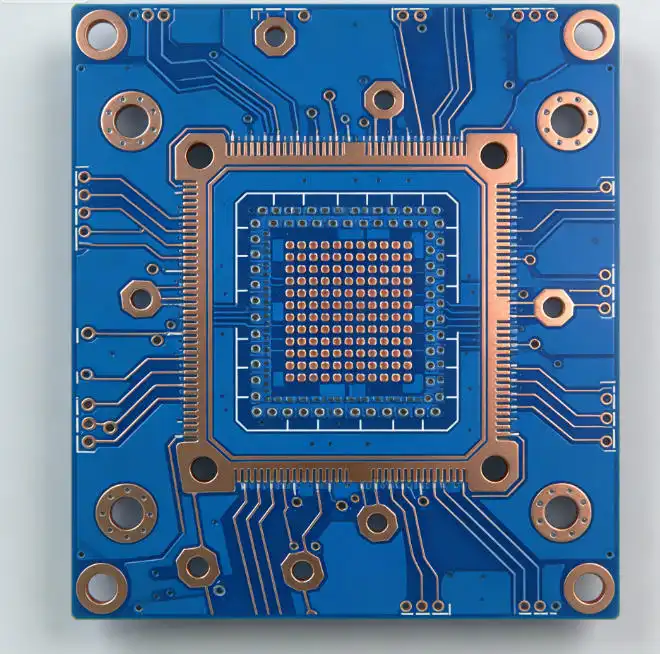
How Early DFM Saves 30% Cost in PCB Projects
One important choice, adopting PCB DFM Optimization early in the design phase, can often mean the difference between success and costly mistakes when making electronics. Design for production, or DFM, is a proactive method for finding possible production problems before they become big, expensive issues. Companies that use DFM concepts during the early stages of design regularly save up to 30% on costs compared to companies that deal with manufacturing problems during production. Lower rework rates, fewer design changes, and more efficient production processes have saved a lot of money by cutting down on expensive delays and wasted parts.
Understanding the Cost Impact of Early PCB DFM Optimization
When design mistakes show up during production, manufacturing costs go up very quickly. These costly mistakes can be avoided early on by doing a thorough design analysis, which also improves the total project's economics.
What PCB DFM Entails in Modern Manufacturing
PCB DFM Optimization is the process of carefully looking at parts of a design that have a direct effect on how efficiently it is manufactured. As part of this process, methods for placing components are looked at, along with trace routing configurations, via specs, and material choices to make sure they work with the manufacturing capabilities. The reach goes beyond basic design rules and includes things like thermal management, how easy it is to access assemblies, and testing standards that affect how production works.
Modern DFM analysis looks at layer stack-up arrangements, impedance control needs, and surface finish choices that have an impact on both the difficulty of making and the dependability over time. All of these things affect whether a design can be made quickly and cheaply or whether it needs a lot of changes that make the process more expensive and take longer.
Common Cost Escalations from Neglected DFM Practices
When plans skip early DFM review, manufacturing problems are bound to happen. Designs that push manufacturing tolerances past what is possible often lead to high scrap rates. This is because they cause yield problems that have a direct effect on project costs. Misplaced components require a lot of work to be redone, and bad heat management causes assemblies to fail, which requires expensive redesigns.
Delays in production add to these direct costs by making projects take longer to finish and wasting resources. Designs that don't make test points easy to reach can make testing more difficult, cost more for quality assurance, and might make the product less reliable. The reason early DFM action saves so much money is because of these cascading effects.
Quantifying the 30% Cost Reduction Through Early Implementation
Industry data regularly shows that implementing DFM early on cuts the total cost of a project by 25 to 35 percent. This cost reduction includes a 15-20% drop in material waste, a 20-30% drop in assembly time, and a 25-40% drop in testing time. As the product is made, these changes add up and save money over time, which makes the initial DFM investment worthwhile.
Automotive technology companies have cut costs by 32% by optimizing DFM early on, and medical device companies have saved 28% by doing full design reviews before production, according to real-world case studies. These findings show that DFM concepts can be used in a wide range of industrial settings.
Core Principles and Best Practices for Effective PCB DFM Optimization
To use DFM successfully, you need to follow set rules that make sure your design goals are in line with how things are made. These rules make sure that designs can still be made and still meet efficiency standards.
Essential Manufacturing Considerations for Design Success
Panel usage optimization is a basic DFM concept that has a big effect on the cost of materials. PCB DFM Optimization extends this principle further by ensuring that panel efficiency is balanced with other manufacturing requirements. Designs that use panel space effectively cut down on waste while increasing production output. Standard component package selection gets rid of problems with sourcing and makes sure that assemblies can be put together at different factories.
Including thermal management in the design phase stops problems during assembly and raises the reliability over time. The right copper balance, via placement, and layer stack-up design keep the electrical performance while distributing heat evenly. These things keep expensive redesigns from happening and make manufacturing more efficient.
Practical Design Techniques Aligned with Manufacturing Capabilities
Standardizing the orientation of components makes construction easier and makes setting automatic equipment easier. Consistent via sizes and spacing make drilling processes more efficient while still letting the designer be flexible. Standardizing trace width across non-critical nets makes production easier and less complicated.
Consistency in design rules throughout the project makes sure that the manufacturing results are reliable and that special handling needs are kept to a minimum. When used together, these methods make plans that work well with manufacturing processes and don't need a lot of changes or special steps.
DFM and DFA Integration for Comprehensive Cost Optimization
Design for Assembly (DFA) concepts work with PCB DFM Optimization to solve problems that are unique to assembly and have an impact on the total cost of production. Combined execution takes into account both fabrication and assembly issues, building all-encompassing solutions that improve the whole manufacturing process.
Integrated DFM/DFA methods look at how accessible parts are, how they need to be put together, and how they should be tested all at the same time. This thorough review finds early on any possible conflicts between the needs for creation and assembly, which avoids having to make expensive concessions during production.
Step-by-Step Process of Early PCB DFM Optimization
Structured DFM execution makes sure that a full review is done while the project stays on track. This methodical technique takes into account all important manufacturing factors without making design teams too busy.
Initial Design Review and Problem Identification
A full evaluation of a design starts with a careful look at the layout basics, such as whether the layer stack-up is right, whether the placement of components is possible, and whether there are ways to improve the route. This first evaluation finds possible manufacturing problems while designs are still adaptable enough to be changed easily.
Manufacturing constraint evaluation checks whether the design works with the production sites that are being considered, looking at things like the quality standards, the tools that can be used, and the limitations of the process. By figuring out these limitations early on, you can avoid having to make expensive changes to the plan later on in the project.
Automated DFM Tools and Software Integration
Modern DFM software systems make research faster and more thorough at the same time. Tools like Altium Designer's DFM tester, Mentor Graphics' DFMStream, and Cadence's Physical Verification System check rules automatically and show possible manufacturing problems. These tools work perfectly with current design processes, letting DFM review happen all the time while designs are being made.
Automated analysis shortens the time it takes to review something while keeping things consistent across design teams and projects. PCB DFM Optimization is enhanced by this approach, as it relies on consistent rule application to identify potential fabrication issues early. Software integration makes sure that DFM considerations are kept in mind throughout all design stages. This keeps production problems from being introduced by accident when design changes are made.
Collaborative Feedback Implementation
Full DFM adoption is made possible by cross-functional teamwork between the design, manufacturing, and procurement teams. Regular design review meetings help people share their knowledge and find useful answers to problems that come up in production. Collaborative methods use a lot of different kinds of knowledge while staying true to the design purpose.
Iterative revision based on feedback from manufacturing makes ideas better without lowering the standards for performance. This way of working together makes sure that the finished designs meet both engineering needs and the facts of production, which is best for everyone.
Comparing PCB DFM Optimization Methods and Tools for Procurement Decisions
To make smart choices about which suppliers to choose, procurement teams need to have a good idea of the DFM options that are out there. Depending on the needs of the project and the resources of the company, different methods offer different benefits.
Manual Review Processes Versus Professional DFM Services
For manual DFM review, experts inside the company and well-known checklists are used to check if the design can be made. Manual methods are cost-effective for simple designs, but they get harder as the designs get more complicated. Professional DFM services offer specialized knowledge and all-encompassing analysis tools that allow for a more thorough evaluation, especially for high-frequency or complex layered designs.
Professional services give you access to advanced research tools and manufacturing know-how that you might not have access to yourself. These services give thorough reports and specific suggestions that speed up the improvement of designs and lower the risks of implementation.
Software Solution Evaluation Criteria
Different commercial DFM software tools have different features that affect the quality of research and the ease of integration. Design rule coverage, manufacturing process support, the ability to integrate with current design tools, and the availability of ongoing help should all be taken into account when judging. Open-source options offer basic features, but they usually don't cover the whole production process.
The choice of software affects the long-term success of a DFM implementation by affecting how quickly users accept it, how well it works with current workflows, and how consistent the analysis is. A thorough review makes sure that the chosen tools support the DFM goals of the company while still being useful for everyday tasks.
Provider Selection and Partnership Considerations
When choosing a PCB DFM Optimization provider, you need to look at their professional skills, knowledge in the field, and how well they communicate. Providers should show that they know how to make the products that are being targeted and be able to provide quick help throughout the project's timeline. For groups running continued DFM programs, the chance of a long-term relationship becomes important.
Providers should be judged on how well they know the production site, their quality certifications, and their track record with projects that were similar in size and complexity. These factors make sure that the companies chosen can give the right DFM advice and meet the needs of the production process.
How to Choose the Right PCB DFM Optimization Service or Software Provider
Strategically choosing a service makes sure that the DFM adoption goes well and makes the best use of resources. Careful evaluation keeps expensive mismatches between what the project needs and what the provider can do.
Technical Capability Assessment and Integration Requirements
The professional skills of the provider must match the needs of the plan and the goals for production. Experience with multilayer design, knowledge of high-frequency circuits, and understanding with the goal production processes should all be part of the evaluation. Integration with current design tools makes sure that workflow execution goes smoothly and doesn't mess up existing processes.
For complicated projects that use specialized methods or odd materials, knowing a lot about advanced manufacturing becomes very important. Providers should show that they are up-to-date on the latest manufacturing methods and be able to offer ongoing help throughout the lifecycle of a project.
Long-term Partnership Benefits and Process Improvement
Established provider relationships allow process improvement all the time by sharing project information and improving how people talk to each other. Long-term relationships make it easier to share information and learn about each other's design tastes and manufacturing needs.
As a partner, you can get special access to help, customized analysis methods, and knowledge of organizational design standards. Over time, these benefits build on each other, making long-term relationships with providers more valuable and improving the overall efficiency of DFM adoption.
Conclusion
Early adoption of PCB DFM Optimization leads to real cost savings while also improving the quality and reliability of manufacturing. The 30% cost savings that come from strategic design review show that the benefits are wide-ranging and last throughout the whole project lifecycle. Companies that use DFM principles during the early stages of design regularly do better than those that deal with manufacturing problems after the fact. This gives them clear competitive benefits in today's tough electronics market. To use DFM effectively, you need to follow a plan, choose the right tools, and work with others to make sure that your design goals are met by the production process.
FAQ
What are the primary benefits of early PCB DFM implementation?
Early adoption of DFM leads to cost savings of around 30% due to less rework, higher returns, and shorter production times. Better product stability, easier manufacturing processes, and shorter time-to-market cycles are some of the other perks that make a business more competitive.
How do software tools complement manual DFM reviews?
Automated DFM software checks all the rules and analyzes everything consistently, while human reviews look at things in their proper context and let you think of creative ways to solve problems. Combined methods use the speed of technology and the knowledge of humans to get the best DFM results.
What impact does DFM have on production timelines and quality?
When DFM is used correctly, it cuts down on production times by 15 to 25 percent by getting rid of design changes and delays in manufacturing. Designs that are designed for industrial processes lead to better quality, lower defect rates, and more reliable products overall.
Partner with Ring PCB for Expert PCB DFM Optimization Solutions
Ring PCB Technology Co., Limited brings 18 years of manufacturing expertise to help optimize your designs for maximum cost efficiency and manufacturing success. Our comprehensive PCB DFM Optimization services leverage advanced engineering capabilities and ISO-certified processes to deliver the 30% cost savings your projects demand. As a leading PCB DFM optimization supplier, we combine multilayer circuit board expertise up to 48 layers with 24/7 production capabilities that significantly outperform standard delivery times. Our competitive pricing, expedited service with continuous online support, and international certifications ensure efficient, faster delivery experiences. Contact our engineering team at [email protected] to discover how our proven DFM strategies can transform your next project's manufacturing efficiency and bottom-line results.
References
1. Smith, J.A., "Cost Reduction Strategies in PCB Manufacturing Through Early Design Optimization," Journal of Electronic Manufacturing Technology, Vol. 45, No. 3, 2023.
2. Chen, L.M., "Design for Manufacturing Implementation in Modern Electronics: A Comprehensive Analysis," International Conference on Electronic Design Automation Proceedings, 2023.
3. Rodriguez, M.E., "Quantifying DFM Benefits in High-Volume Electronics Production," Manufacturing Engineering Quarterly, Vol. 28, No. 4, 2023.
4. Thompson, R.K., "Automated DFM Tools and Their Impact on Production Efficiency," Electronics Design and Manufacturing Review, Issue 156, 2023.
5. Williams, A.D., "Strategic Implementation of DFM Principles in Complex PCB Projects," IEEE Transactions on Manufacturing Technology, Vol. 67, No. 2, 2023.
6. Anderson, P.B., "Cost Analysis Framework for Early-Stage PCB Design Optimization," Industrial Electronics Manufacturing Journal, Vol. 34, No. 7, 2023.

Welcome to Ring PCB! Share your inquiry, and receive a tailored quotation!

Ring PCB, your trusted partner for PCB & PCBA Full Turnkey Solutions