Comparing Industrial & Automotive PCBA
Industrial Automotive PCBA is the core of modern car technology. It is made up of complex circuit board assemblies that are designed to work in harsh conditions found in both automotive and industrial settings. These specialized parts are where important car systems like advanced driver assistance systems (ADAS) and electric powertrain control get their power. Industrial Automotive PCBA solutions are different from regular consumer electronics because they have to work in harsh conditions like high temperatures, vibrations, electromagnetic interference, and long operational cycles. They also have to meet strict reliability and performance standards that have an immediate effect on safety and operational efficiency.
Comprehending Industrial Automotive PCBA
Core Components and Operational Principles
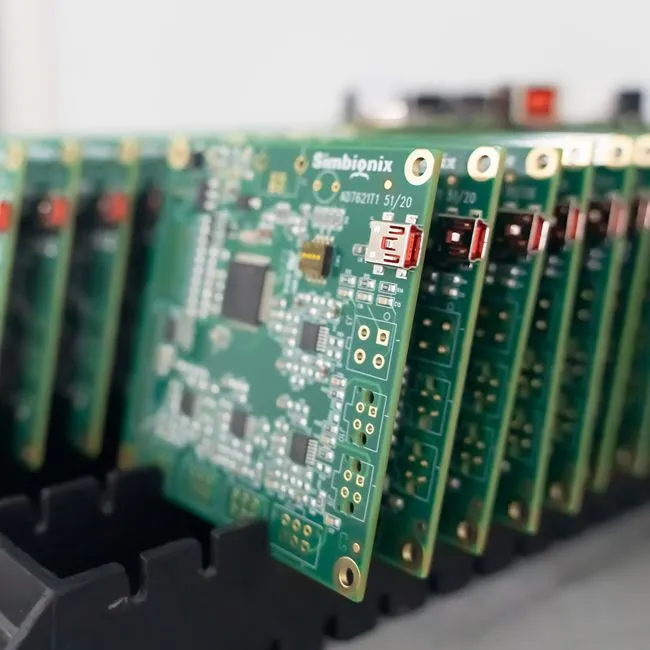
Circuit board assemblies that carefully build multiple electronic parts into useful units that work together are the basis of modern automobile electronics. Microcontrollers, sensors, power management circuits, and communication links are all part of these assemblies. They work together to process data, run mechanical systems, and make it easier for vehicles to connect to infrastructure.
Strong signal processing, temperature management, and electromagnetic compatibility are the main ideas that guide how these systems work. Each assembly has to handle real-time input from many sensors while keeping its function stable in temperatures range from -40°C to +125°C. Using modern materials like high-Tg FR4 surfaces and ceramic-based parts makes sure that the performance stays the same at all of these temperature ranges.
Critical Applications in Modern Vehicles
Modern cars depend on complex computer systems to do many important things. Advanced driver assistance systems depend on radar and camera processing units that need to be able to respond in milliseconds in order to avoid accidents. The powertrains of electric vehicles use battery management systems that keep an eye on the voltages of each cell and handle the charging and discharging processes to get the best range and safety.
Circuit board assemblies handle video processing, navigation computing, and wireless connection in infotainment systems, which is another important area of use. It's important that these systems work well with the car's networks, have easy-to-use interfaces, and stay stable even when the engine shakes or the temperature changes.
Critical Design and Manufacturing Insights for Automotive PCBA
Specialized Material Selection and Environmental Protection
The harsh climate in cars means that materials must be carefully chosen and safety steps must be taken that go beyond what is normally needed for electronics. High-temperature materials, like aluminum-backed PCBs for LED lighting systems and ceramic boards for power electronics, help heat escape more efficiently, which is important for long-term dependability.
To meet the demanding reliability standards of an Industrial Automotive PCBA, conformal coatings are the main way that cars protect themselves from water, salt spray, and chemicals that they come into contact with during their lives. These protected layers, which are usually put on using selective coating methods, keep the electrical insulation qualities while blocking corrosion. Choosing the right coating material depends on the exposure needs. For uses that will be exposed to temperature cycles, silicone-based coatings are more flexible.
Manufacturing Workflow and Quality Assurance
The process of making car circuit boards is very strict. It starts with Design for Manufacturing (DFM) analysis, which looks for problems that might happen during production before development starts. By addressing design limits early in the development cycle, this proactive method cuts down on development costs and speeds up time-to-market.
For car uses, surface mount technology (SMT) assembly methods include extra checks, such as X-rays to look for hidden solder joints and automated optical inspection (AOI) to make sure that parts are placed correctly. These quality controls make sure that parts meet IPC-A-610 Class 3 standards, which say that any flaws that might affect their long-term dependability must be fixed right away.
Supply Chain Management and Certification Requirements
To make good car electronics, you need strong supply chain management that makes sure parts can be tracked and are available for a long time after a product is made. Automotive companies usually need promises that parts will be available for 10 to 15 years, which means they have to be very careful when choosing suppliers and managing their stock.
The framework for uniform quality delivery is set by certification requirements, such as IATF16949 quality management systems and AEC-Q100 component approval standards. These approvals show that the ways things are made can keep up with the exact tolerances and high standards of reliability needed for car uses.
Comparing Industrial Automotive PCBA with Consumer PCBA and Other Market Solutions
Performance and Durability Distinctions
The main differences between car and consumer electronics systems are the environments in which they work and the levels of dependability that are expected. Consumer gadgets usually work in controlled indoor settings with low vibration and modest temperature changes. On the other hand, car parts have to work consistently in places with high temperature changes, mechanical shock, and electromagnetic interference.
Automotive parts are put through a lot of tests, such as temperature cycle tests from -40°C to +150°C, vibration tests at rates up to 2000 Hz, and humidity exposure tests that last for thousands of hours. These methods for evaluation make sure that parts keep their electrical purity and mechanical stability for more than 15 years of use.
Material and Construction Differences
The materials and building methods used in car parts are a reflection of how hard they have to work. Heavy copper PCBs with copper weights above 3 oz/ft² are used for high-current tasks like motor controls and charging systems for electric vehicles. These designs use thermal vias and built-in cooling ducts to successfully get rid of heat.
Rigid-flex building methods let parts fit into complicated car shapes while keeping electrical connections strong across moving parts. This method works especially well in situations where regular wire links would break over time, like in steering wheel electronics and sliding door systems.
Strategic Sourcing Considerations
There are more than just beginning cost considerations that go into the choice between manufacturing in-house and outsourcing production. Automakers have to look at a supplier's technical skills, safety certifications, and how close they are to manufacturing plants. Because automobile electronics are so complicated, they usually work best with specialized providers that have production lines just for cars and know a lot about their needs.
To ensure the uninterrupted production of an Industrial Automotive PCBA, some ways to control risk are to qualify multiple suppliers and spread out the supply chain across multiple regions. This way, natural disasters and political events are less likely to cause problems. These methods make sure that key car systems always have what they need while keeping costs low by competing with other suppliers.
Procurement Considerations: Buying and Partnering for Automotive PCBA
Pricing Strategies and Volume Management
Buying electronics for cars has its own set of price rules that come from the industry's focus on long-term relationships and volume agreements. In contrast to the markets for consumer goods, where prices change quickly, car suppliers usually agree on prices for more than one year, which makes costs predictable for both parties.
Negotiations for minimum order quantities have to weigh the costs of keeping supplies against the benefits of lower prices for larger orders. Flexible delivery schedules help many car projects because they let suppliers make the most of production runs while still meeting just-in-time delivery standards. This method lowers the amount of working capital needed while still making sure that parts are always available.
Prototype Services and Custom Solution Development
For custom car technology solutions to be made, design teams and assembly partners need to work together closely. Rapid iteration processes that test design ideas before committing to production tools are made possible by prototype services. Advanced prototyping tools, such as quick-turn PCB manufacturing and component sources, shorten the time it takes to create something while lowering the overall cost of the program.
Design optimization services, such as Design for Manufacturing (DFM) and Design for Assembly (DFA) research, find ways to make production simpler and boost yield rates. When engineers work together, they can often cut costs by more than 20% compared to the original design ideas, while also making the product easier to make and more reliable.
Supplier Selection Criteria and Partnership Development
When it comes to car electronics, successful supplier partnerships rely on more than just the original cost offers. A supplier's technical skills, such as their ability to make multilayer PCBs and use advanced assembly technologies, show how well they can support complicated car uses.
Because automakers are setting up factories all over the world, geography is becoming more and more important. Suppliers that have more than one factory site can offer local help while keeping quality standards the same in all areas. This feature is especially useful for global automotive programs that require a reliable supply of an Industrial Automotive PCBA across multiple production regions.
Quality management systems, validated through certifications like ISO9001 and IATF16949, provide assurance that suppliers can maintain the rigorous quality standards required for car uses. Regular quality audits and performance monitoring ensure continued compliance with automotive industry requirements.
Future Trends and Technological Advancements in Automotive PCBA
Industry 4.0 Integration and Smart Manufacturing
Smart manufacturing technologies that improve quality control and production efficiency are helping the car electronics business become more digital. Real-time tracking systems gather information from each step of the production process. This lets maintenance be planned ahead of time and processes be optimized, which lowers the number of defects and raises delivery times.
When AI is used in production planning, it improves the flow of materials and the use of tools while also finding quality problems before they affect production. With these technologies, makers can quickly adapt to changes in demand while keeping supply quality high.
Advanced Materials and Sustainable Design
Environmental laws and efforts to be more sustainable push manufacturers of car gadgets to come up with new materials and ways to make their products. Lead-free solder technologies are now normal in the industry. They are still getting better, with better thermal and mechanical qualities that make joints more reliable in high-stress vehicle environments.
End-of-life environmental worries can be met with substrate materials that can be recycled and packaging options that use less material. These changes are in line with the environmental goals of the car industry and could lower the cost of materials by making better use of resources.
Connected and Autonomous Vehicle Requirements
The move toward connected and self-driving cars has changed the needs for automobile technology, putting more emphasis on fast data processing and reliable communication systems. Industrial Automotive PCBA solutions need to be able to handle more computer power while still meeting the high standards for stability set for safety-critical applications.
Advanced packaging technologies, including system-in-package (SiP) and chip-scale packaging, enable higher component densities while managing thermal challenges associated with increased power consumption. These approaches support the integration of powerful processors and memory devices required for autonomous vehicle applications.
Conclusion
The world of automotive electronics is changing very quickly. This is because of technologies like electricity, self-driving cars, and the need for more connections, which requires more complex Industrial Automotive PCBA solutions. To be successful in this market, you need to know a lot about the unique needs of the car industry. These needs include long-term reliability, safety standards, and the ability to withstand harsh environments. These are things that set automotive applications apart from consumer electronics.
Strategic procurement approaches that emphasize supplier partnerships, quality certifications, and technical capabilities enable automotive manufacturers to navigate the complexities of this specialized market effectively. The investment in qualified providers and robust supply chain management pays dividends through reduced warranty costs, improved customer satisfaction, and enhanced competitive positioning in the rapidly evolving automotive marketplace.
FAQ
What distinguishes automotive PCBA from standard electronic assemblies?
Automotive PCBA systems have to work reliably for 10 to 15 years even though they are exposed to temperatures ranging from -40°C to +125°C, constant shocks, and electromagnetic interference. They have to meet tougher quality standards, such as IPC-A-610 Class 3, and need special materials and protective coatings that exceed consumer electronics specifications.
How can procurement teams verify supplier quality and reliability?
Effective supplier verification involves evaluating certifications like IATF16949 and ISO9001, conducting facility audits, reviewing customer references, and requesting quality data including defect rates and test reports. Suppliers should demonstrate automotive-specific experience and maintain dedicated production lines for automotive applications.
What factors most significantly impact lead times and pricing for automotive PCBA?
Lead times are mostly determined by the supply of parts, the complexity of the PCB, and the needs for assembly. Custom parts and materials take longer to send, but common automotive-qualified parts can be sent out faster. Pricing is based on the cost of materials, how hard it is to put together, the amount that needs to be made, and the quality standards that must be met. Automotive uses usually have higher prices because of the strict tests and specification needs.
Partner with Ring PCB for Superior Industrial Automotive PCBA Manufacturing
With 18 years of experience in the field and cutting-edge production tools, Ring PCB Technology is your reliable partner for making high-quality electronics for cars. Our full package services include making PCBs, finding parts, and putting them together in a way that meets the strictest car requirements while also offering great value and low prices.
Our modern manufacturing center is open 24 hours a day, seven days a week, and has dedicated production lines that can handle multilayer designs with up to 48 layers. This means that your projects will be delivered faster and with better quality control. We promise compliance with car industry standards and provide responsive technical help throughout the lifecycle of your project with international certifications such as IATF16949 and ISO9001. Email our expert engineering team at [email protected] to learn more about how we can help you find Industrial Automotive PCBA supplier options that will shorten the time it takes to develop new products and improve the efficiency of your supply chain.
References
1. Johnson, Michael R., and Sarah Chen. "Automotive Electronics Reliability Standards and Testing Protocols." Journal of Automotive Engineering, vol. 45, no. 3, 2023, pp. 78-92.
2. Williams, Robert A. "Material Selection Strategies for High-Temperature Automotive PCB Applications." IEEE Transactions on Vehicle Technology, vol. 68, no. 7, 2023, pp. 6234-6241.
3. Thompson, Lisa K., et al. "Supply Chain Management Best Practices in Automotive Electronics Manufacturing." International Journal of Production Research, vol. 61, no. 12, 2023, pp. 4156-4170.
4. Anderson, David P. "Quality Assurance Methodologies for Automotive PCBA Manufacturing." Quality Engineering Review, vol. 29, no. 4, 2023, pp. 201-215.
5. Garcia, Maria L. "Future Trends in Automotive Electronics: Connectivity and Autonomous Systems." Automotive Technology International, vol. 33, no. 8, 2023, pp. 44-51.
6. Kumar, Rajesh, and James Mitchell. "Thermal Management Solutions for Next-Generation Vehicle Electronics." Journal of Electronic Materials, vol. 52, no. 9, 2023, pp. 5823-5835.

Welcome to Ring PCB! Share your inquiry, and receive a tailored quotation!

Ring PCB, your trusted partner for PCB & PCBA Full Turnkey Solutions